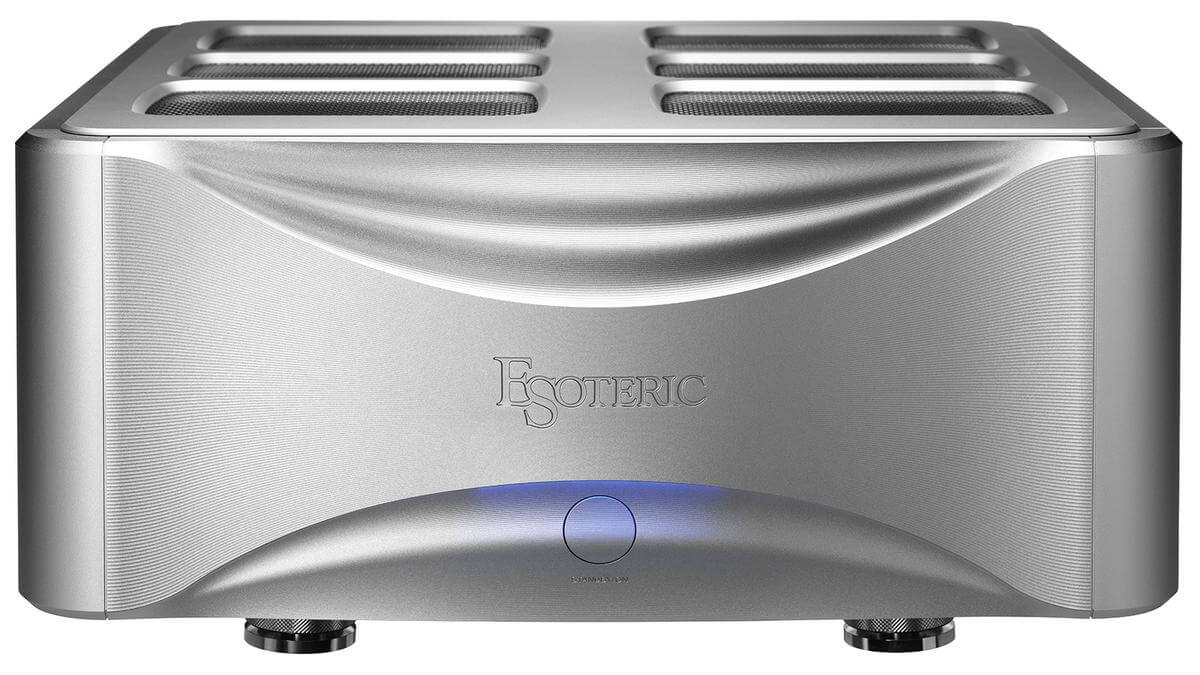
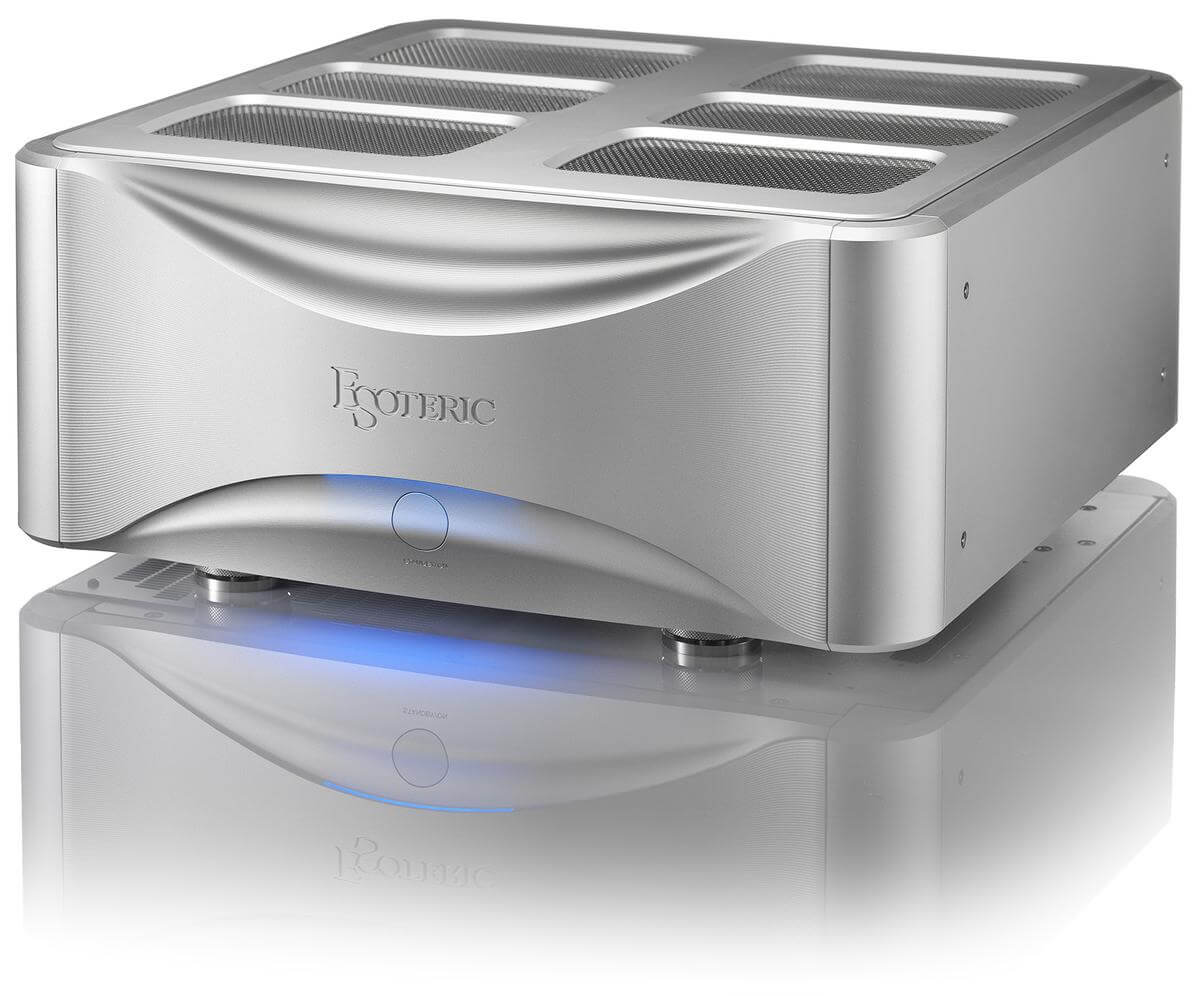
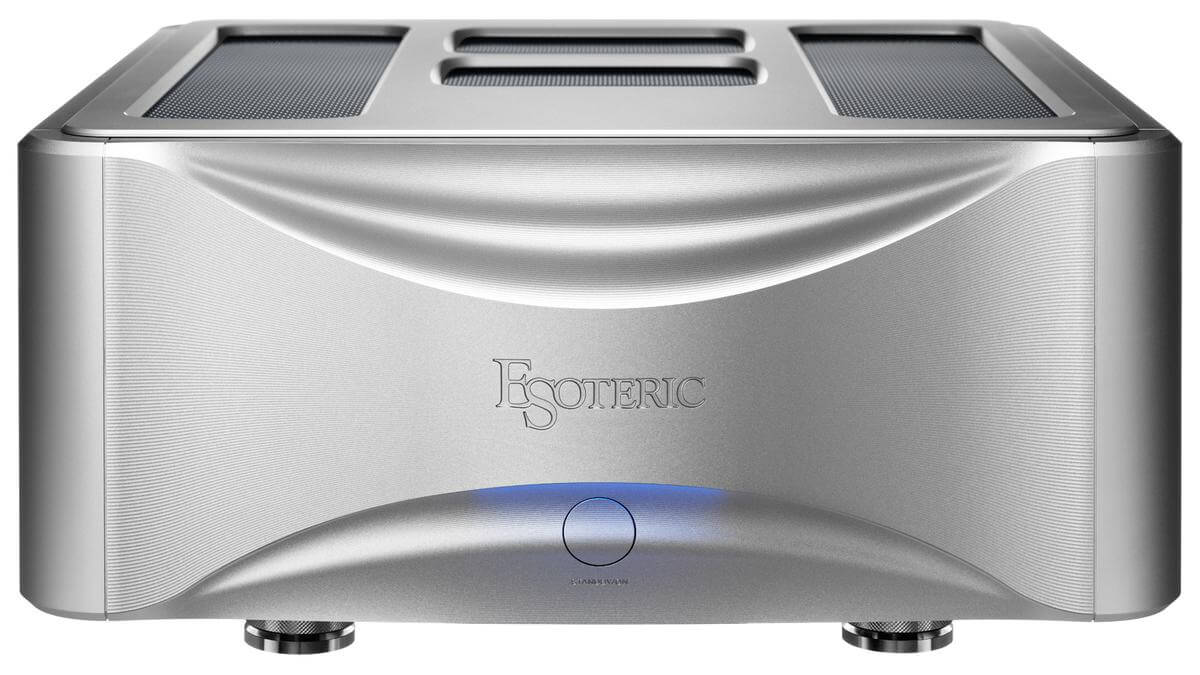
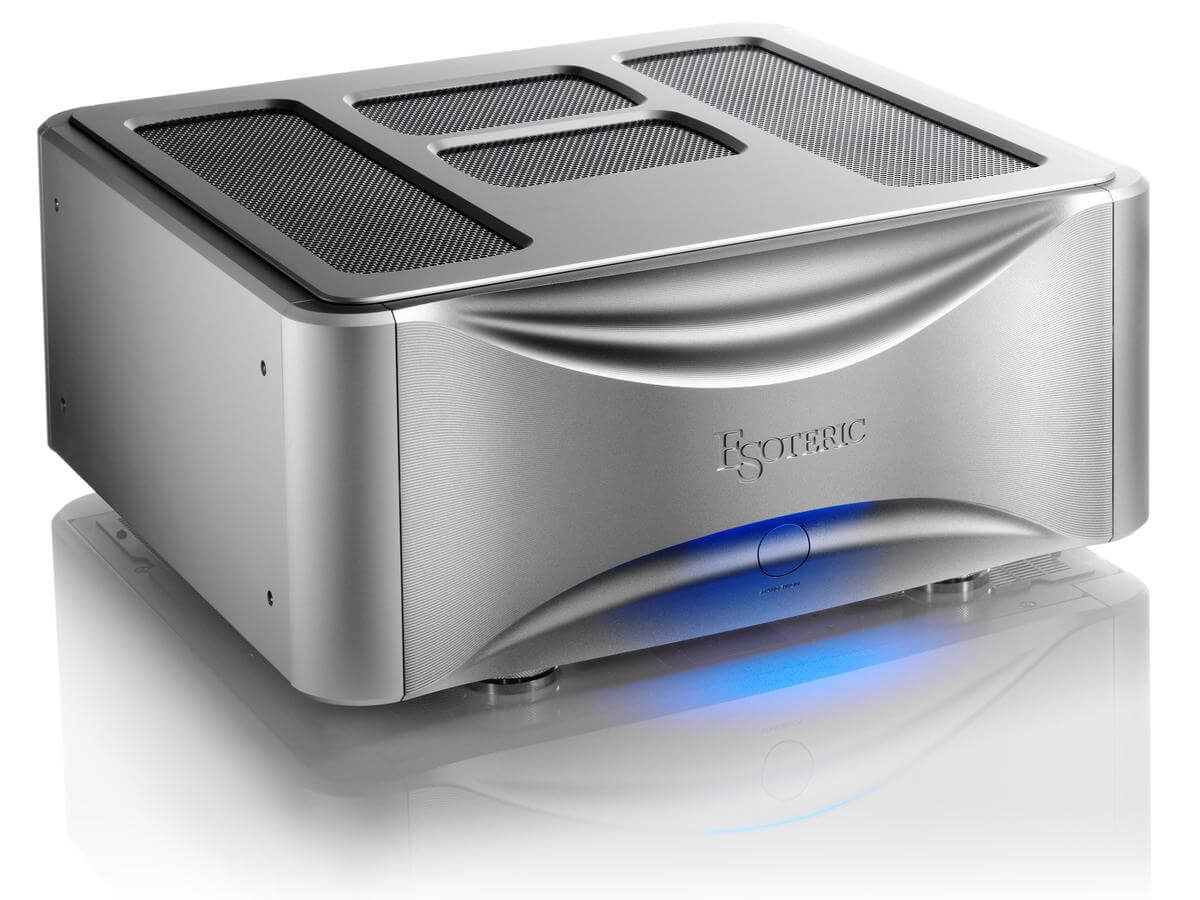
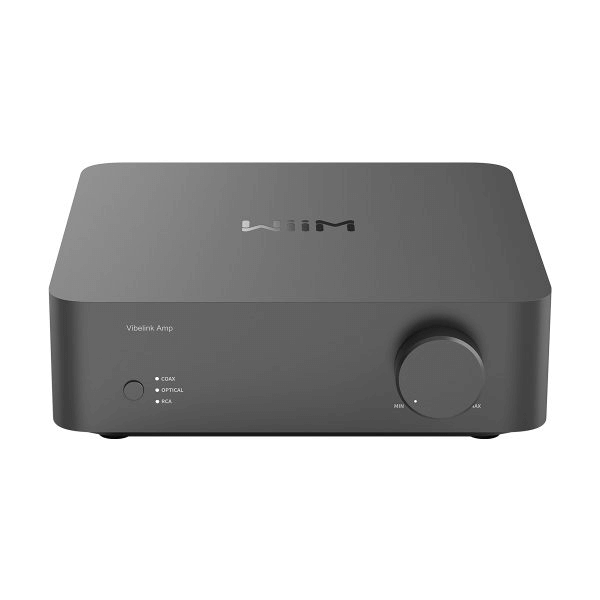
Power Amplifiers in Hi-Fi Systems
In a separate-component audio system a power amplifier receives a line-level signal from a preamplifier or source device with volume control. The amplifier then increases the signal voltage and current before delivering the powered signal to passive loudspeakers.
Typical signal chain in a high-fidelity system:
source component → preamplifier → power amplifier → loudspeakers
Because signal control and amplification are handled by separate components, systems using power amplifiers offer greater flexibility when matching source devices, preamplifiers and loudspeakers.
Stereo and Monoblock Power Amplifiers
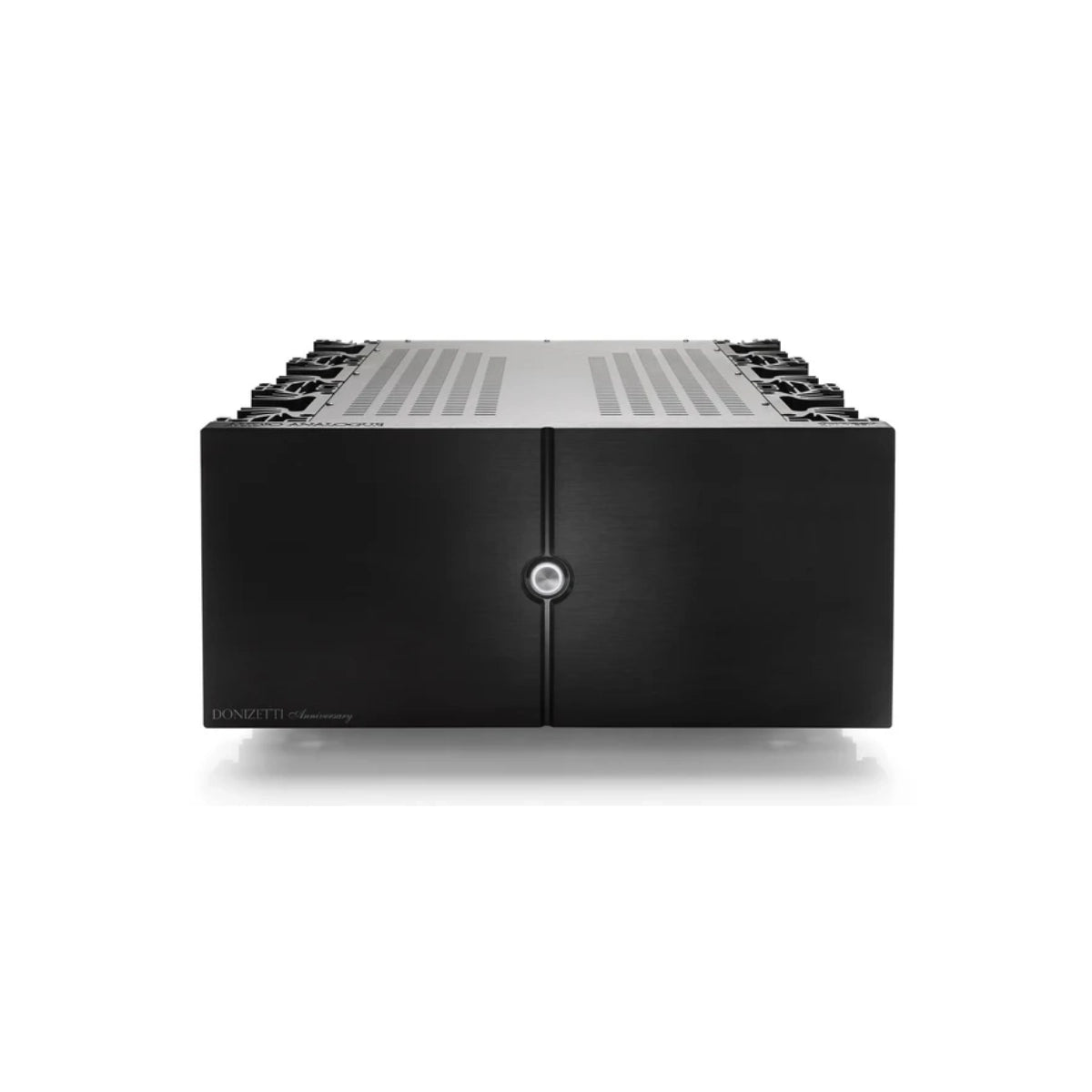
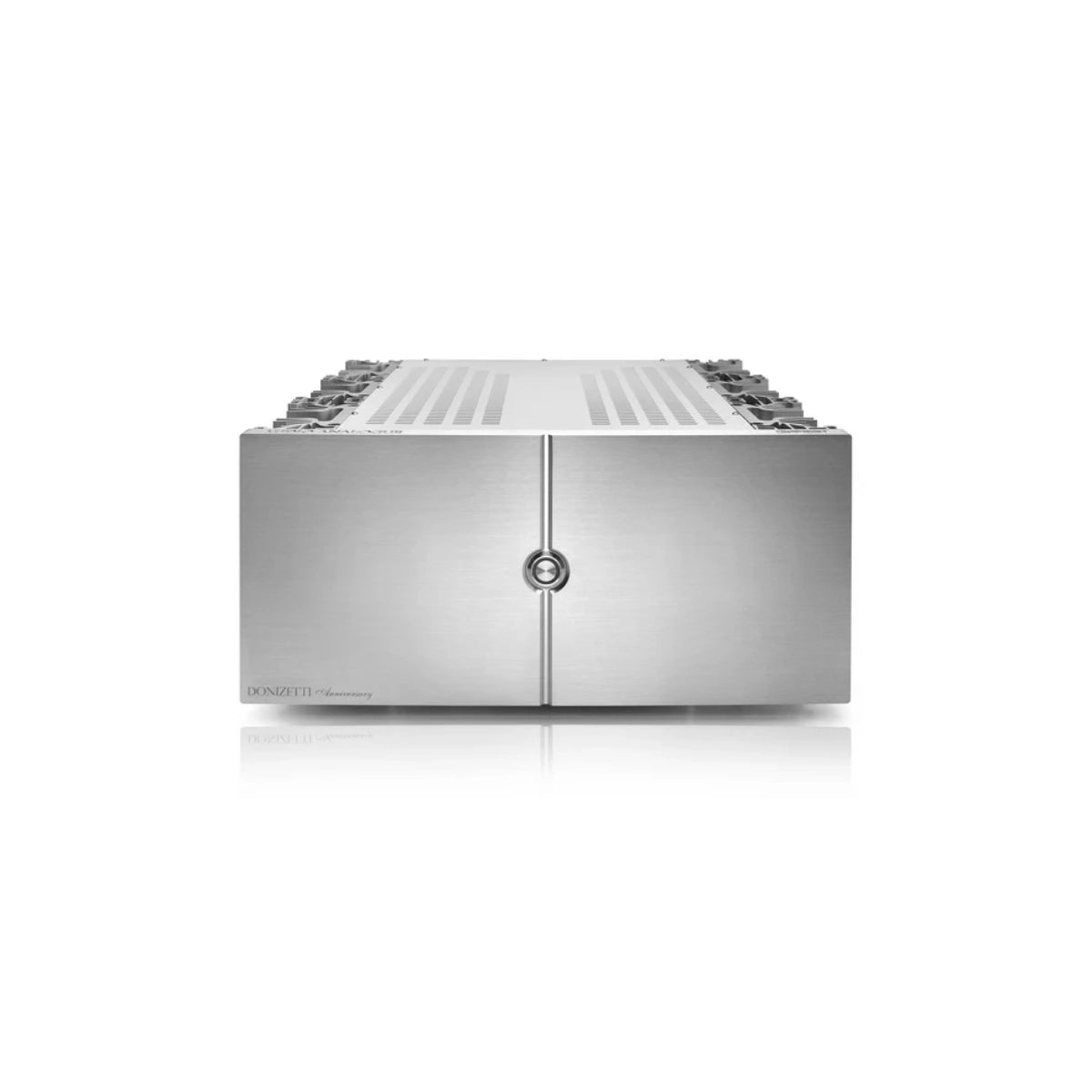
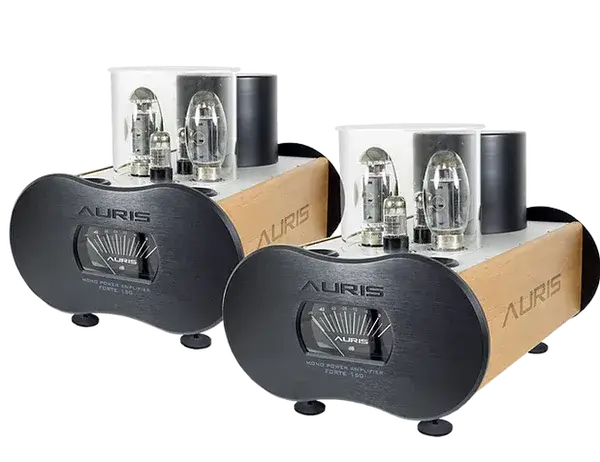
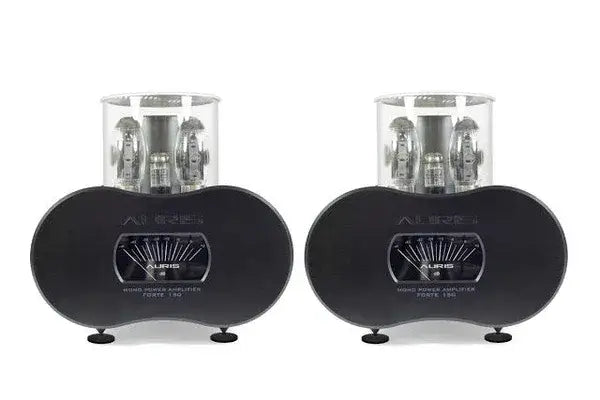
Power amplifiers are commonly available in stereo and monoblock designs.
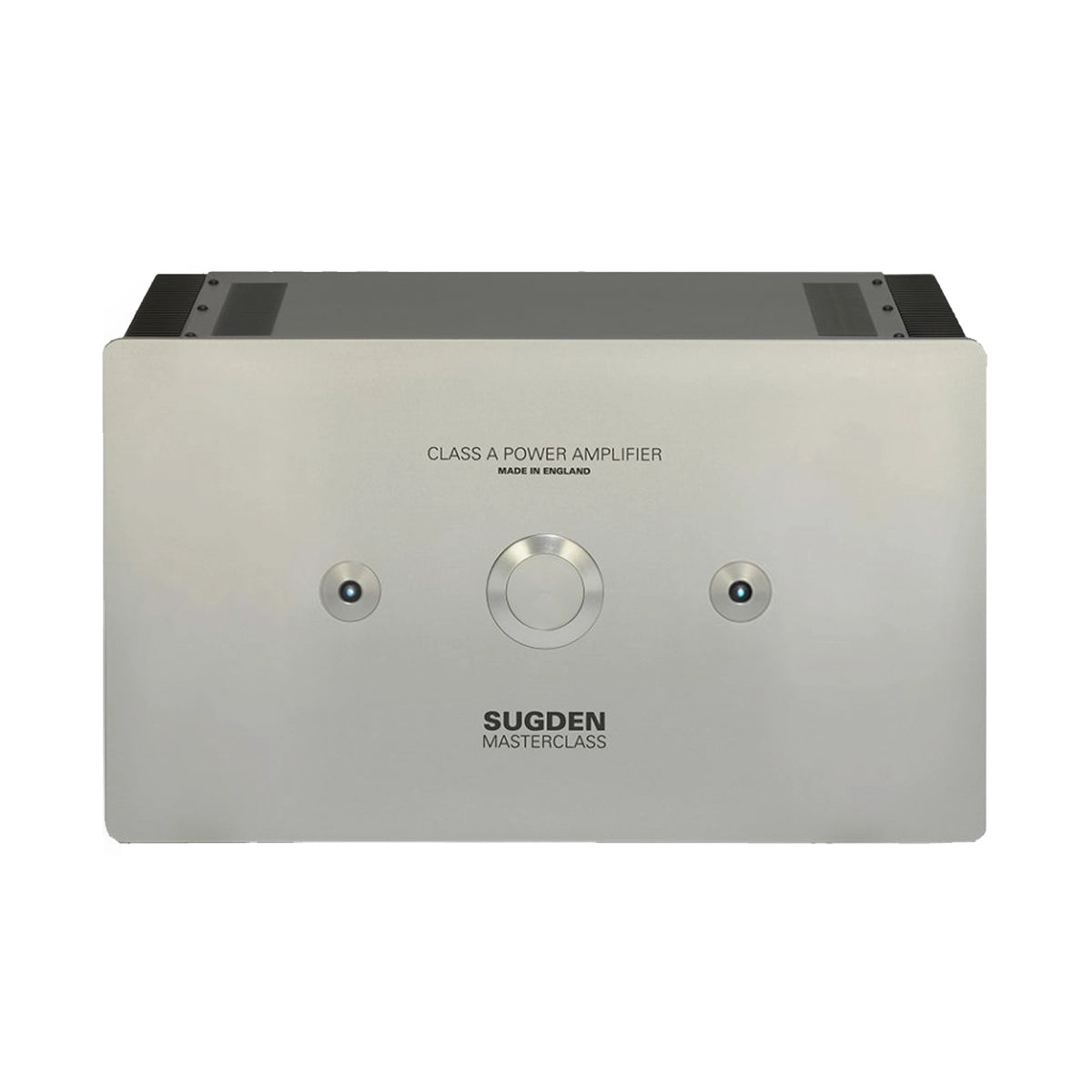
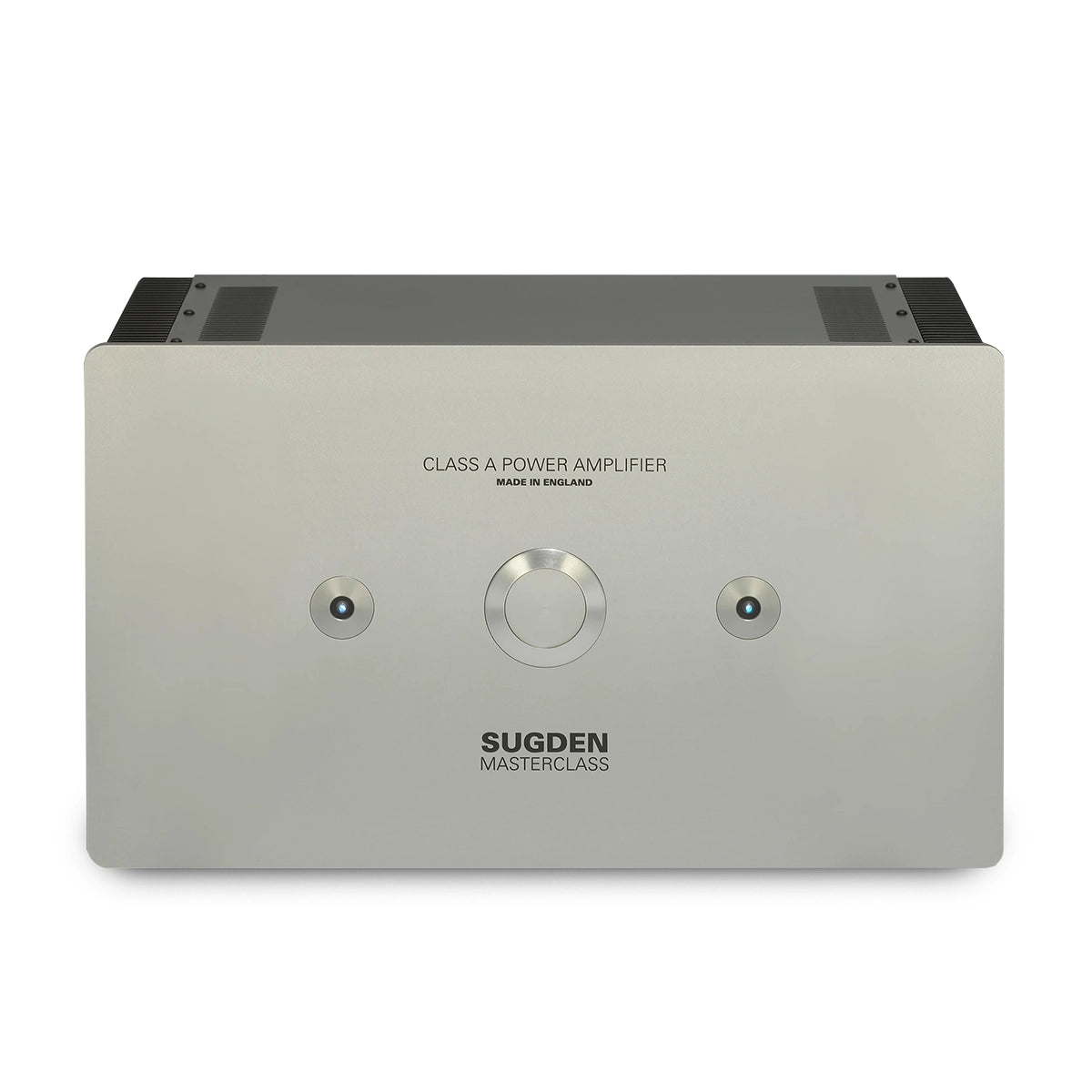
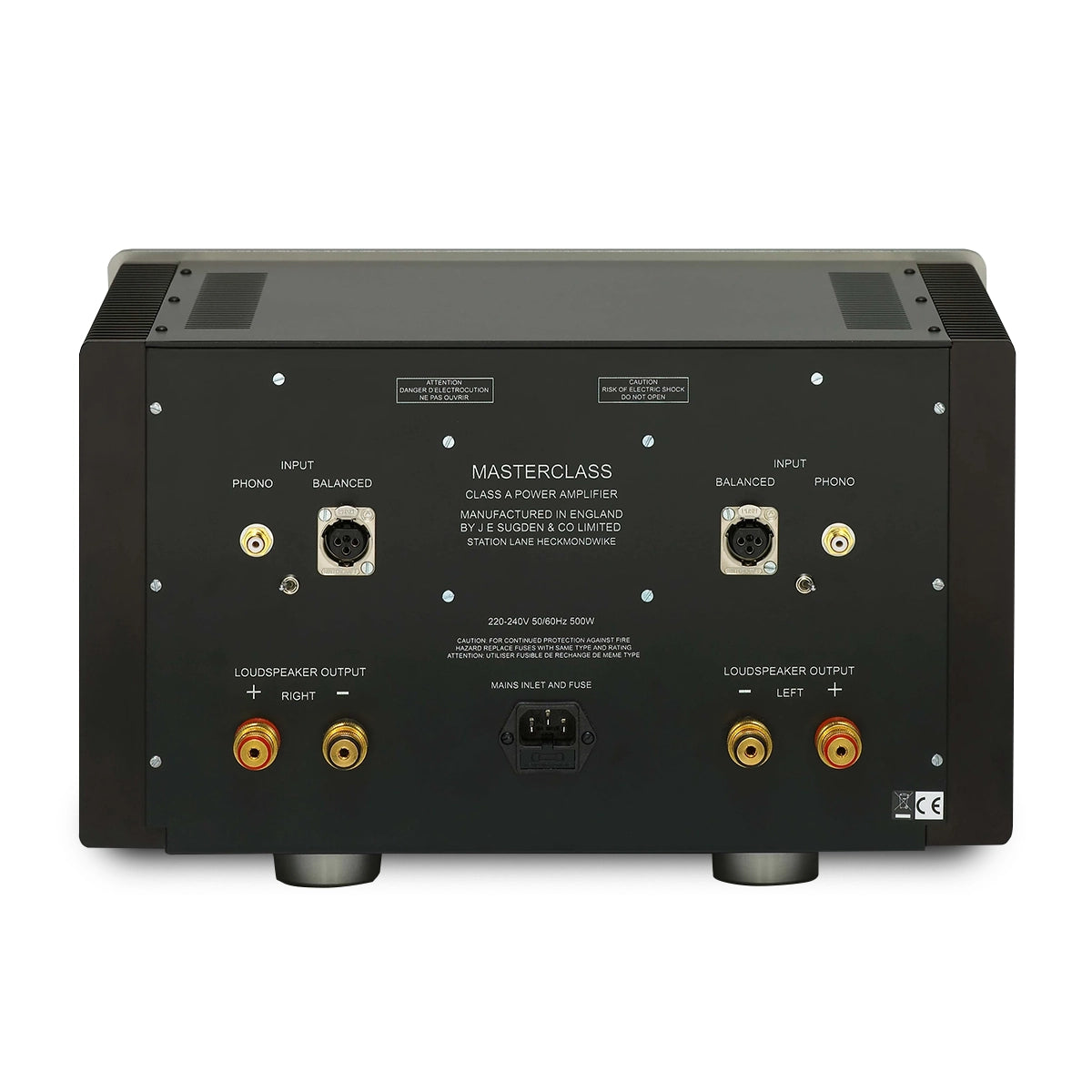
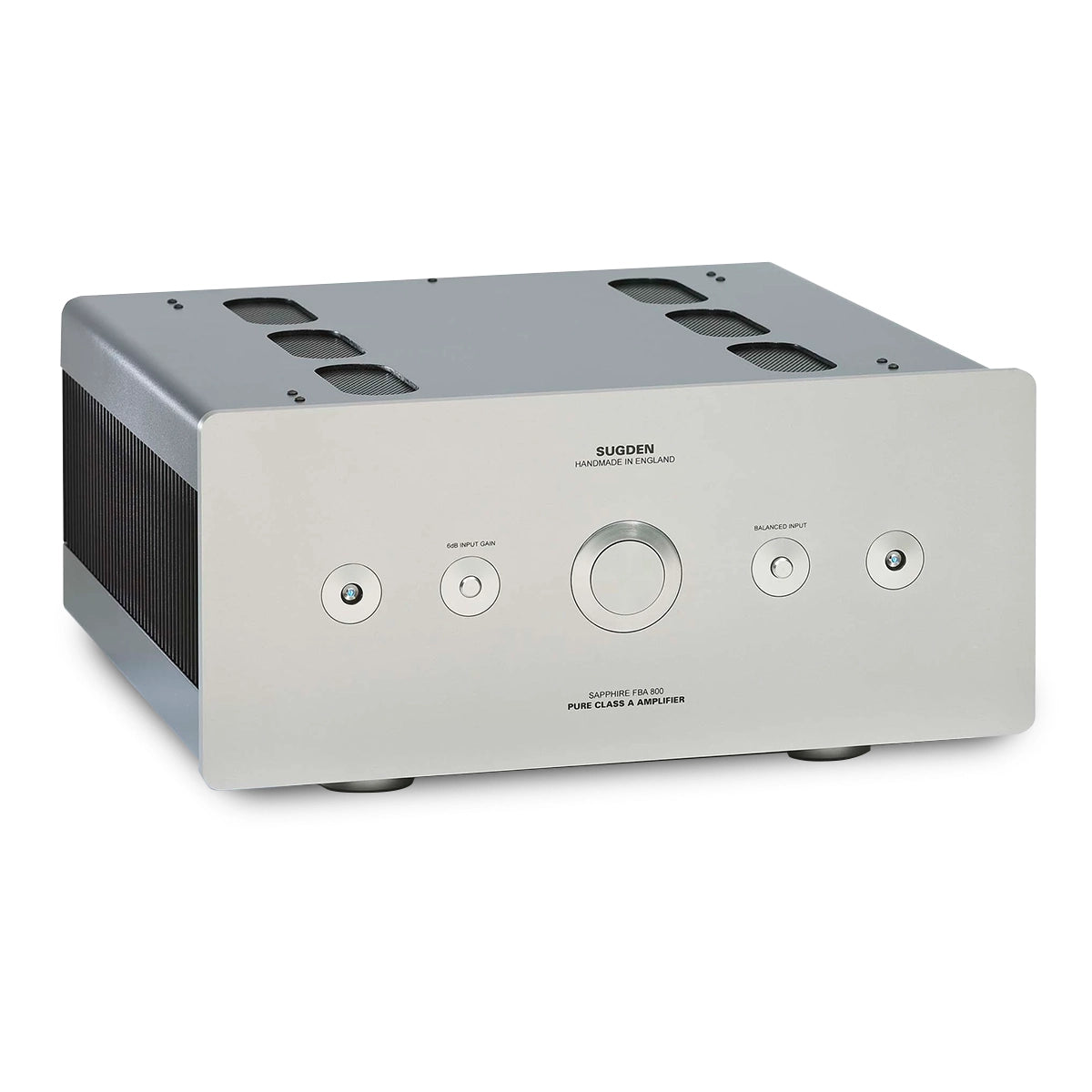
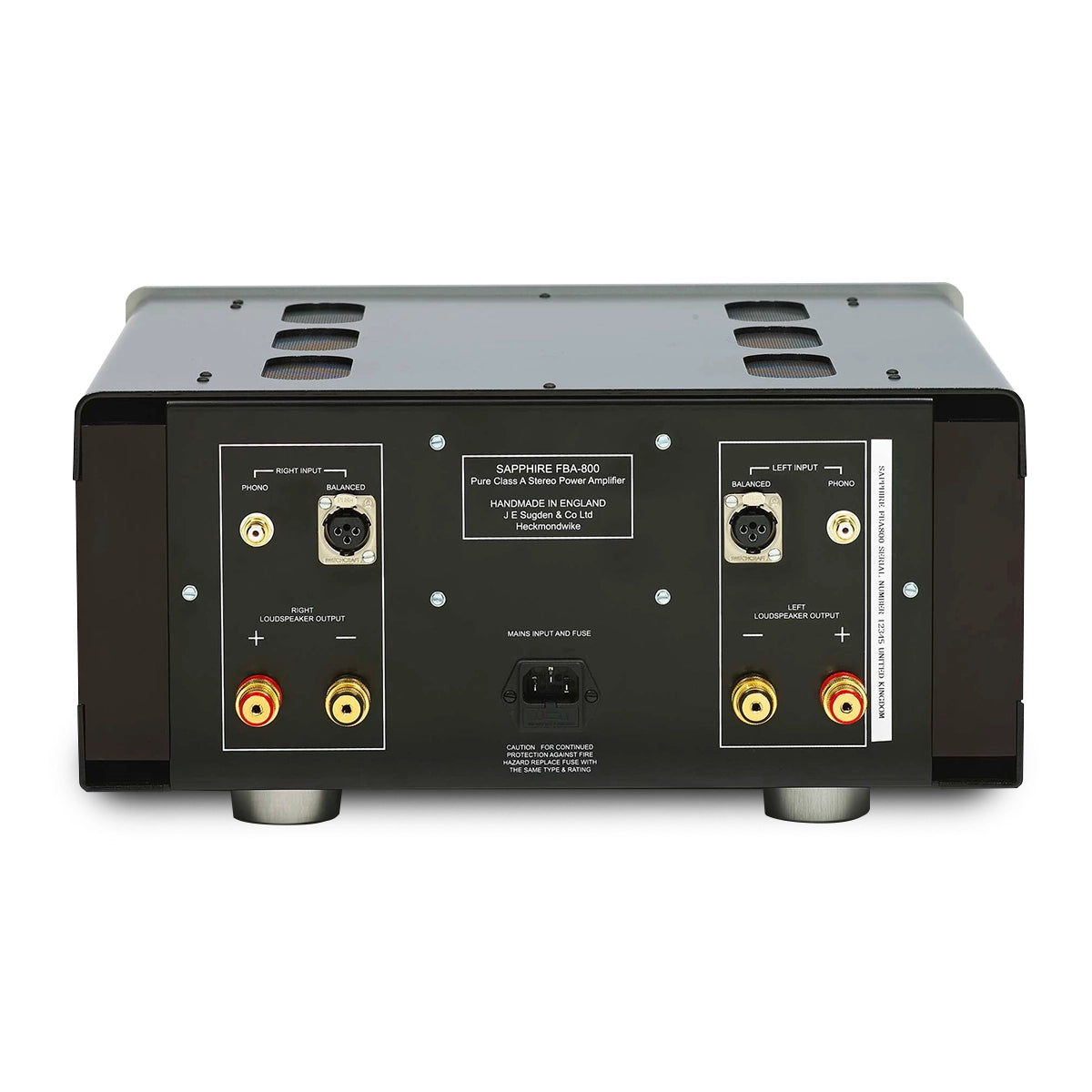
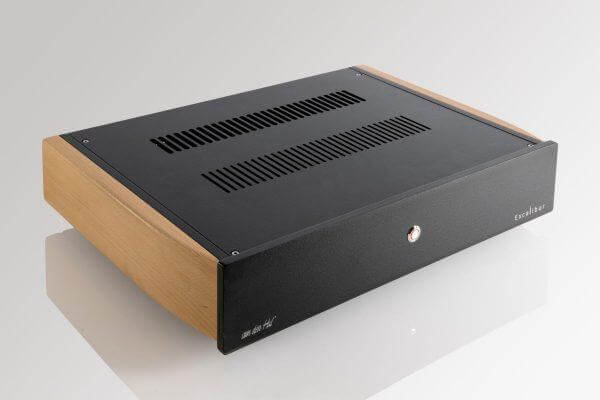
Stereo power amplifiers drive two audio channels within a single chassis and are widely used in traditional stereo hi-fi systems.
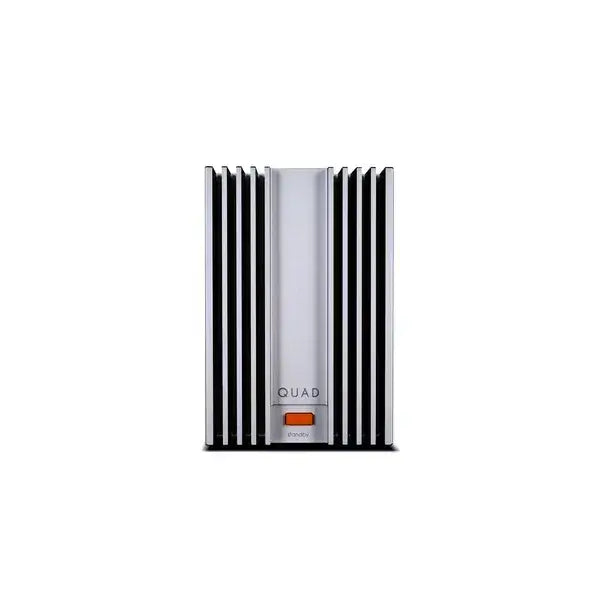
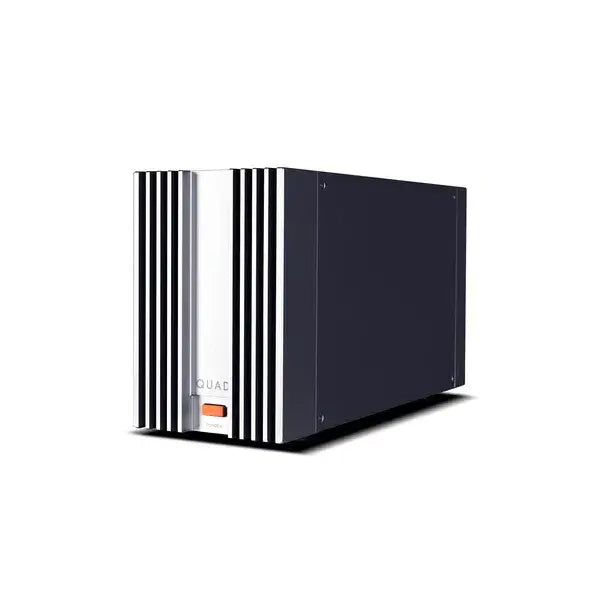
Monoblock power amplifiers use a separate amplifier for each channel. In these systems two independent amplifier units are used to drive the left and right loudspeakers individually. Monoblock designs are often used in high-performance systems where maximum channel separation and power delivery are required.
Both configurations perform the same function of signal amplification while offering different system layouts depending on the listening environment and system design.
Power Amplifier Design and Performance Factors
Several technical characteristics influence how a power amplifier performs within a hi-fi system.
Key considerations include:
• Power output – determines how effectively the amplifier can drive loudspeakers
• Speaker impedance compatibility – ensures stable operation with different speaker loads
• Amplifier topology – including Class A, Class AB or other circuit designs
• Channel configuration – stereo amplifiers or monoblock designs
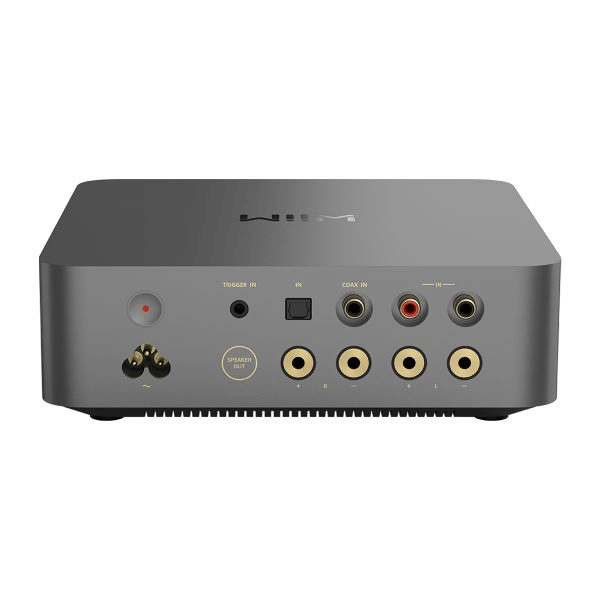
• Input connections – balanced and unbalanced line-level inputs from preamplifiers or DACs
Matching amplifier power and topology with the loudspeakers and system configuration helps ensure stable performance and accurate sound reproduction.
Power Amplifiers and Separate Component Systems
Power amplifiers are commonly used in systems where signal control is handled by a dedicated preamplifier, integrated preamp stage or source component with variable output. This configuration allows the amplification stage to focus solely on speaker drive while other components manage signal control and source switching.
Separate component systems often combine a preamplifier or DAC with a dedicated power amplifier to achieve greater flexibility when configuring a high-performance audio system.
Power Amplifiers for High-Fidelity Audio Systems
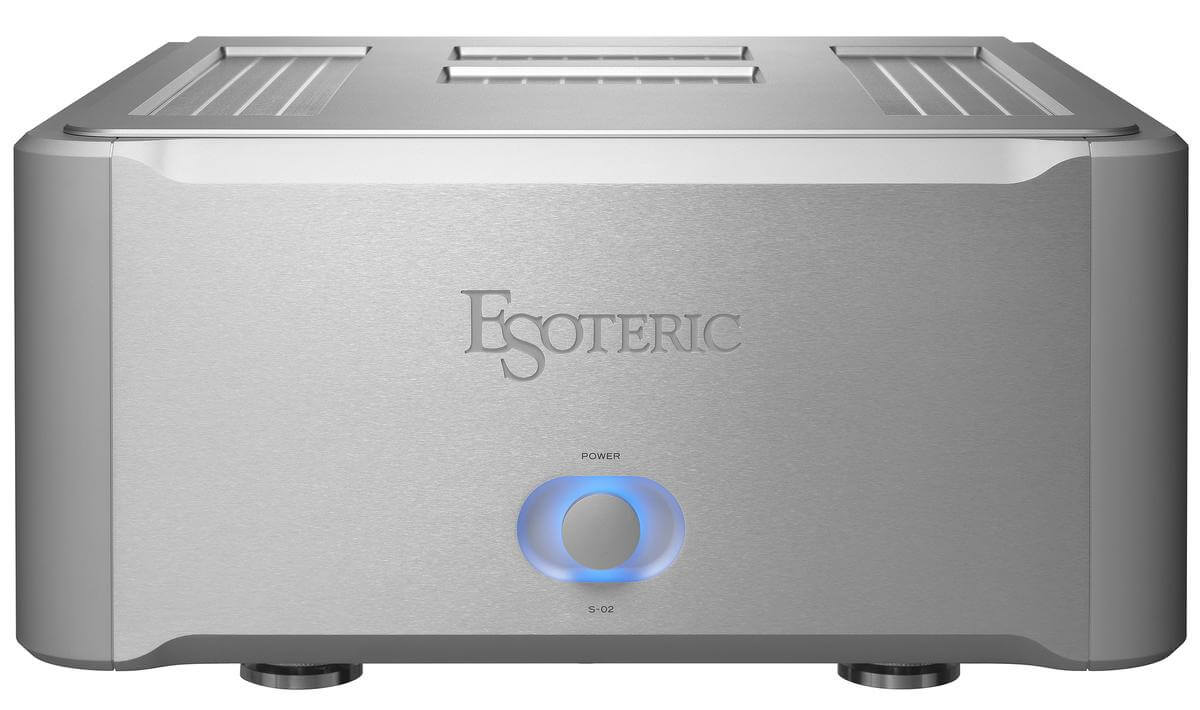
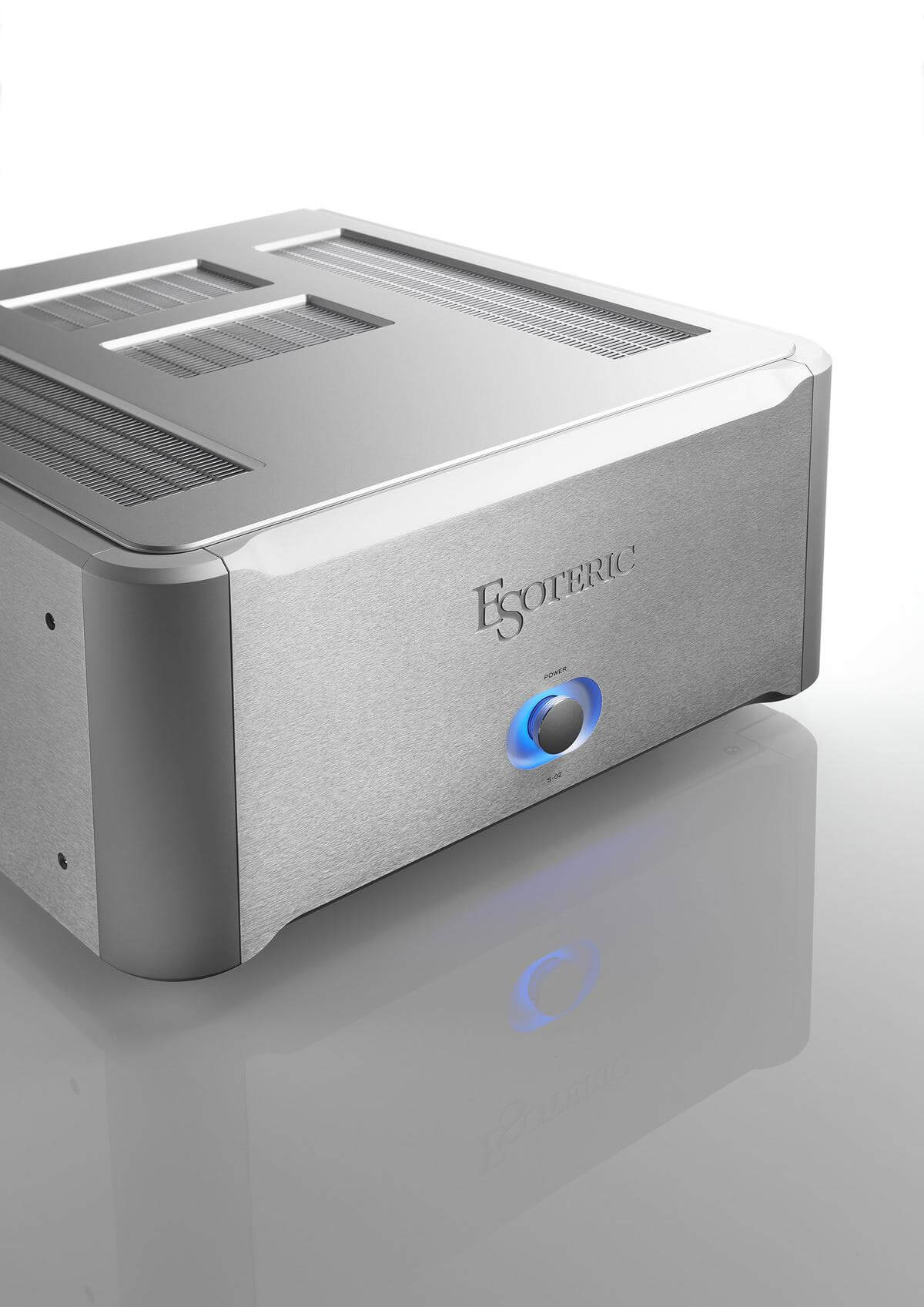
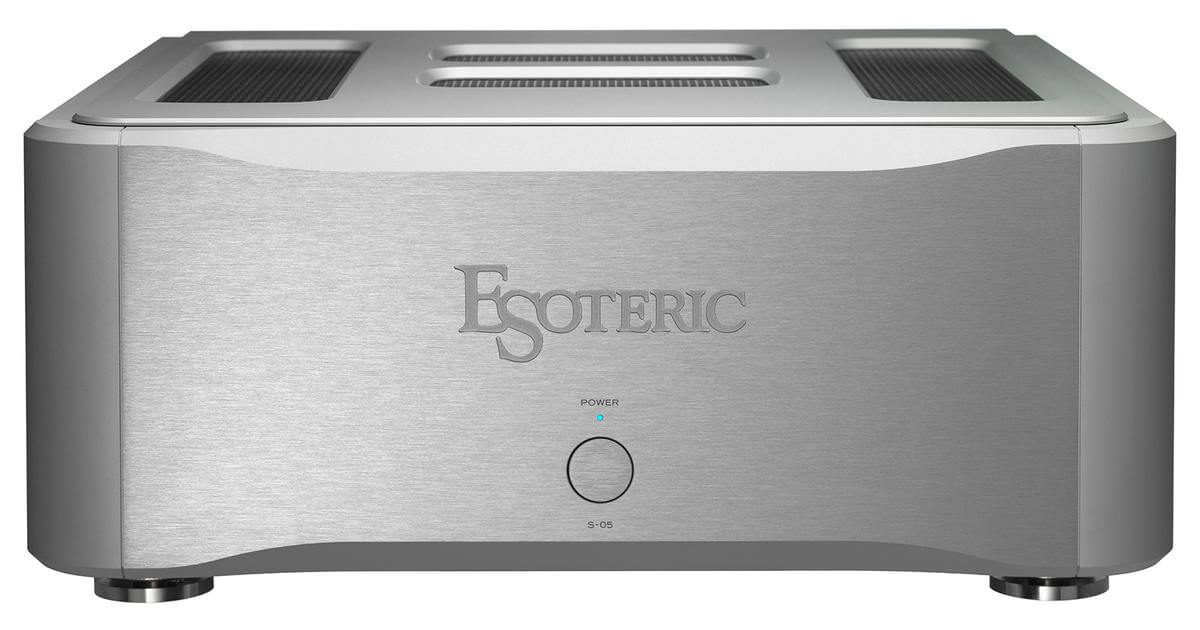
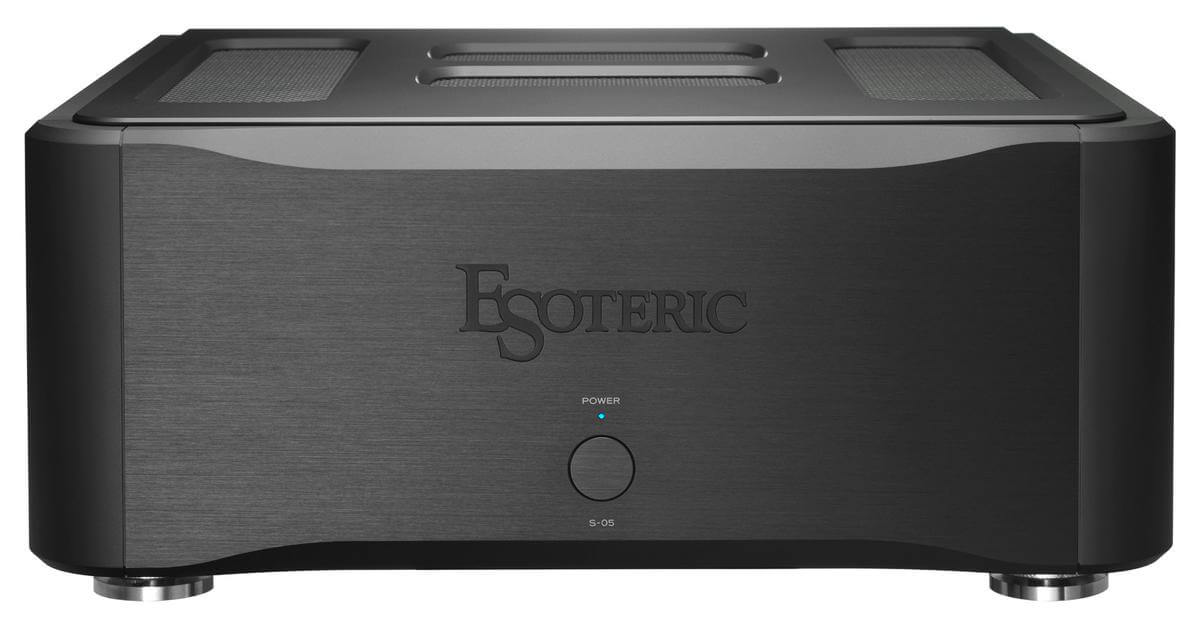
The Groove Man supplies power amplifiers designed for audiophile hi-fi systems and separate component setups. Our selection includes stereo power amplifiers and monoblock designs engineered for accurate signal amplification and reliable loudspeaker drive.
Customers across Australia, including Brisbane, Sydney, Melbourne and Adelaide, choose The Groove Man for carefully selected hi-fi equipment and expert support when building or upgrading a dedicated home audio system.