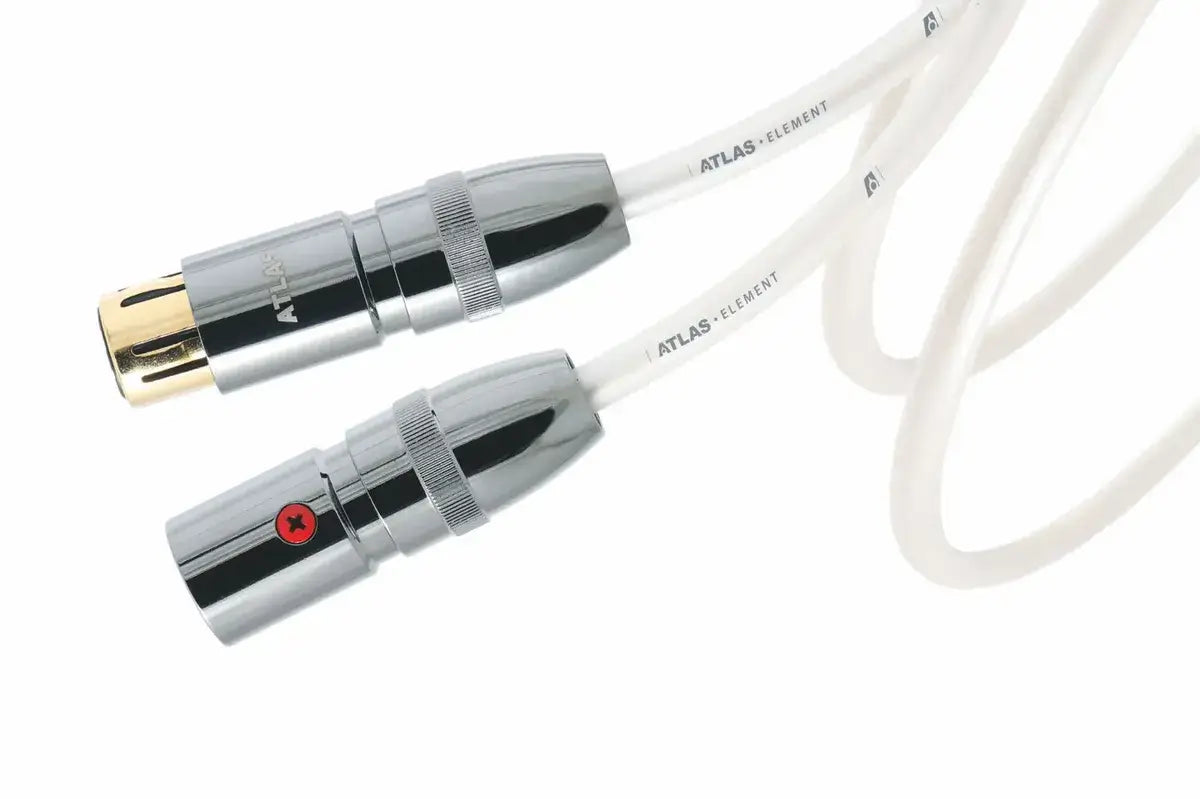
How Balanced XLR Connections Work
A balanced XLR cable carries the audio signal across two conductors alongside a dedicated ground connection. The signal is transmitted in opposite polarity across the two conductors, allowing the receiving component to cancel external noise through common-mode rejection.
This balanced transmission method reduces hum, electromagnetic interference and signal degradation, particularly where cable runs are longer or where multiple electronic components share the same environment.
For this reason, balanced XLR connections are commonly used in:
- high-end DAC and preamplifier systems
- CD players with balanced outputs
- integrated amplifiers with balanced inputs
- studio equipment and professional monitoring systems
When to Use XLR Interconnect Cables
XLR interconnect cables are most beneficial when both connected components support balanced circuitry. Many modern audiophile systems provide XLR outputs and inputs to allow balanced signal transmission between source and amplification stages.
Balanced interconnect cables are particularly useful in systems where:
- equipment racks contain multiple electronic components
- cable runs are longer between devices
- electrical noise from power supplies or other equipment may affect the signal
In these situations, XLR cables help maintain signal clarity and stability across the analogue connection.
XLR vs RCA Interconnect Cables
Both XLR and RCA cables transmit analogue audio signals, but they operate using different electrical configurations.
XLR cables use balanced transmission with three conductors, allowing noise rejection during signal transfer. RCA cables use an unbalanced design with two conductors and are typically used in shorter cable runs or systems without balanced circuitry.
Many hi-fi systems support RCA connections as the standard analogue interface. Where balanced outputs are available, however, XLR interconnect cables are often preferred for improved noise resistance and signal stability.
You can explore our range of RCA cables if your equipment uses unbalanced analogue connections.
Audiophile XLR Interconnect Cables
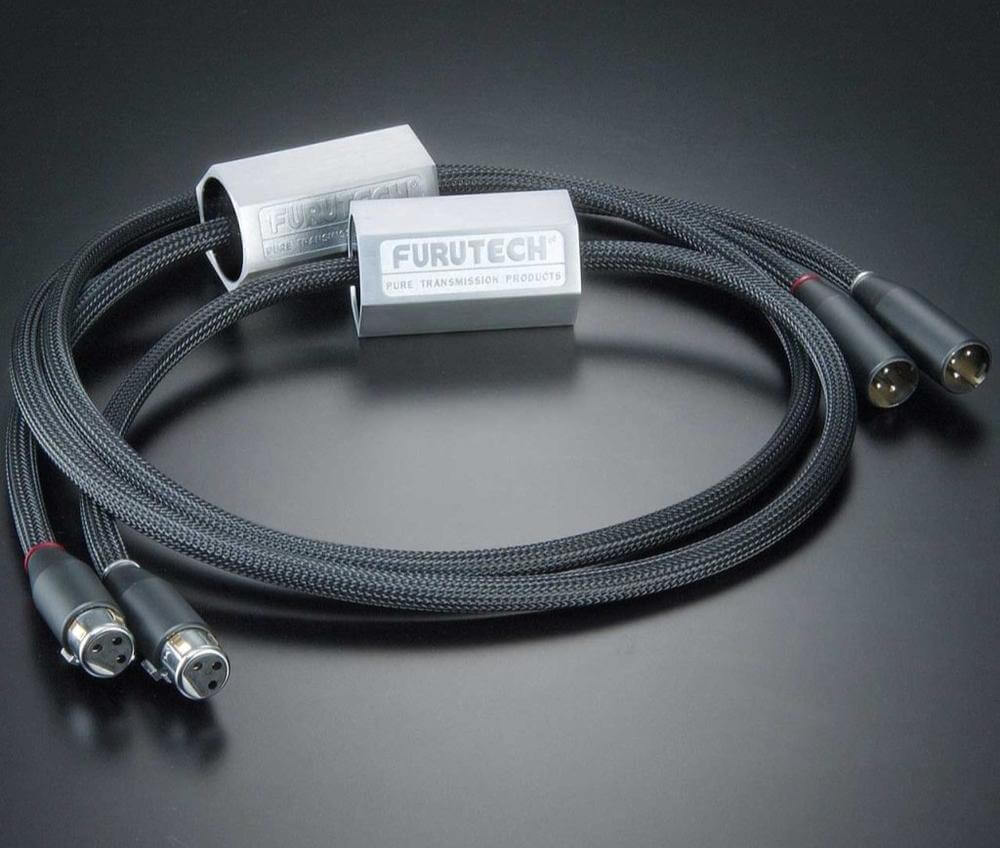
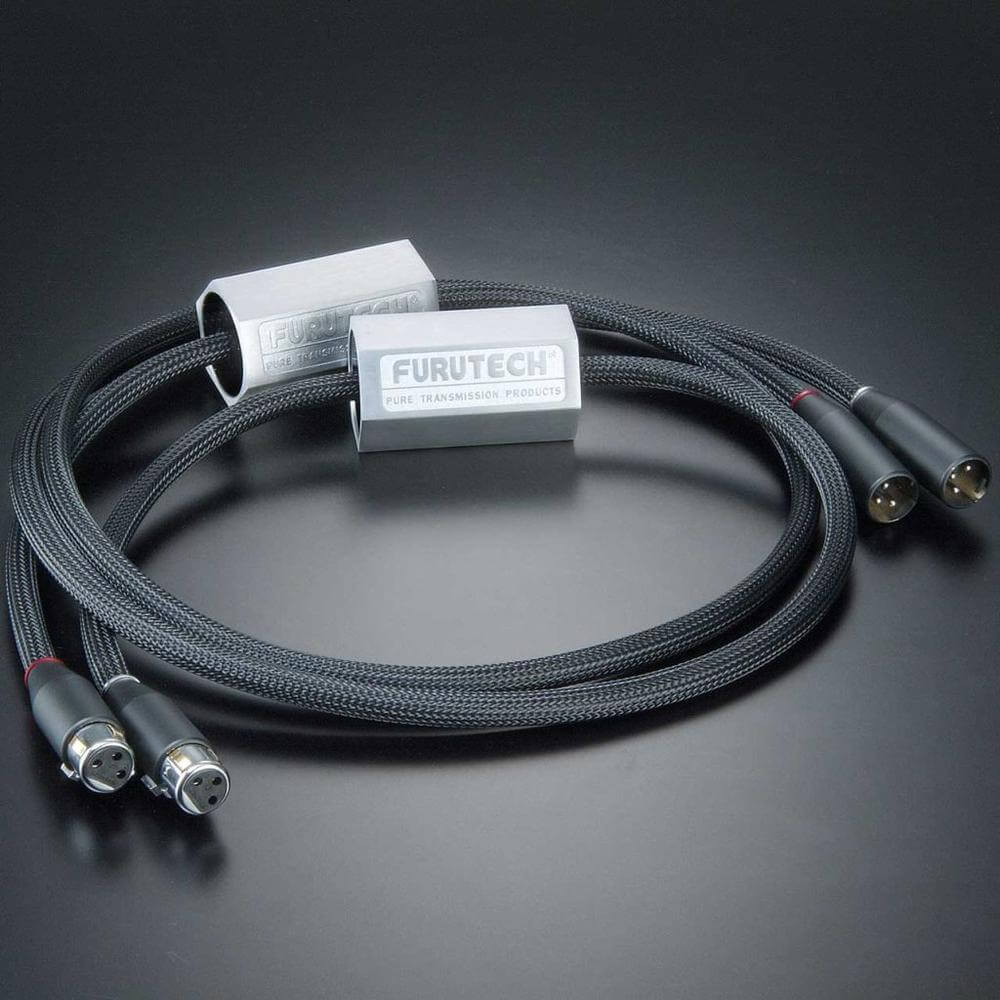
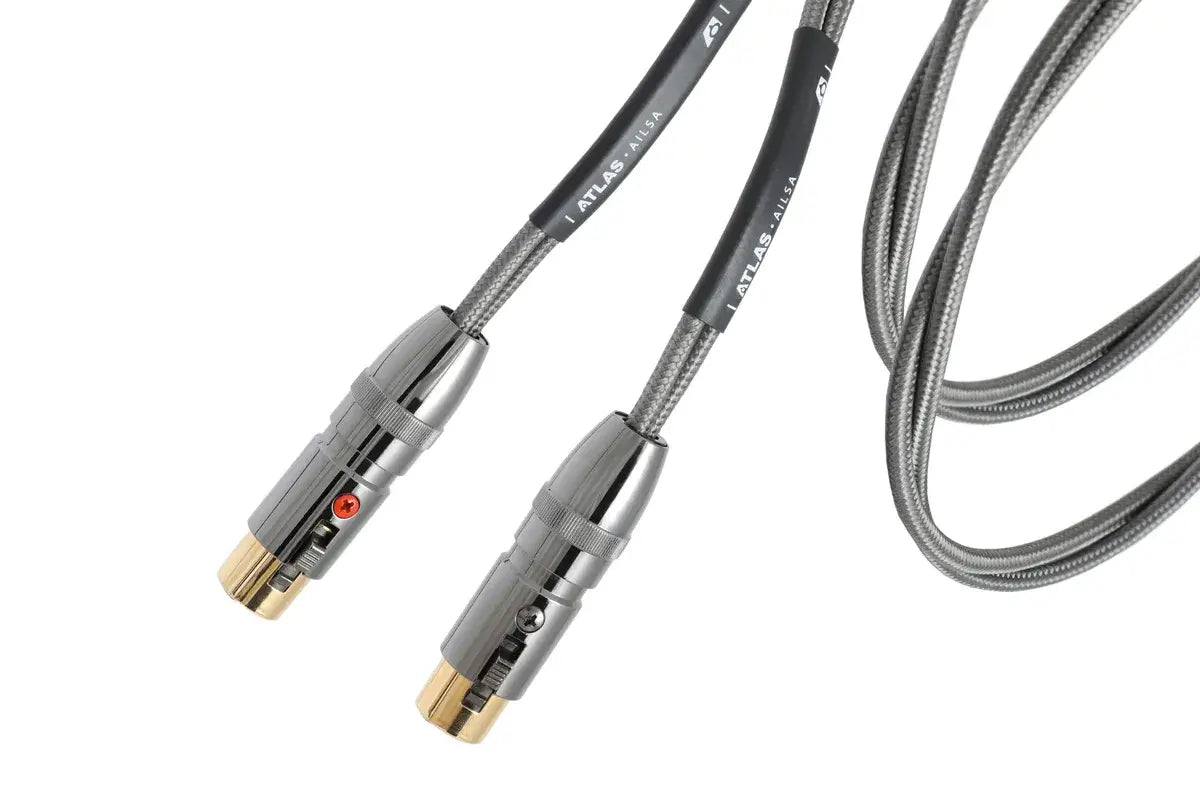
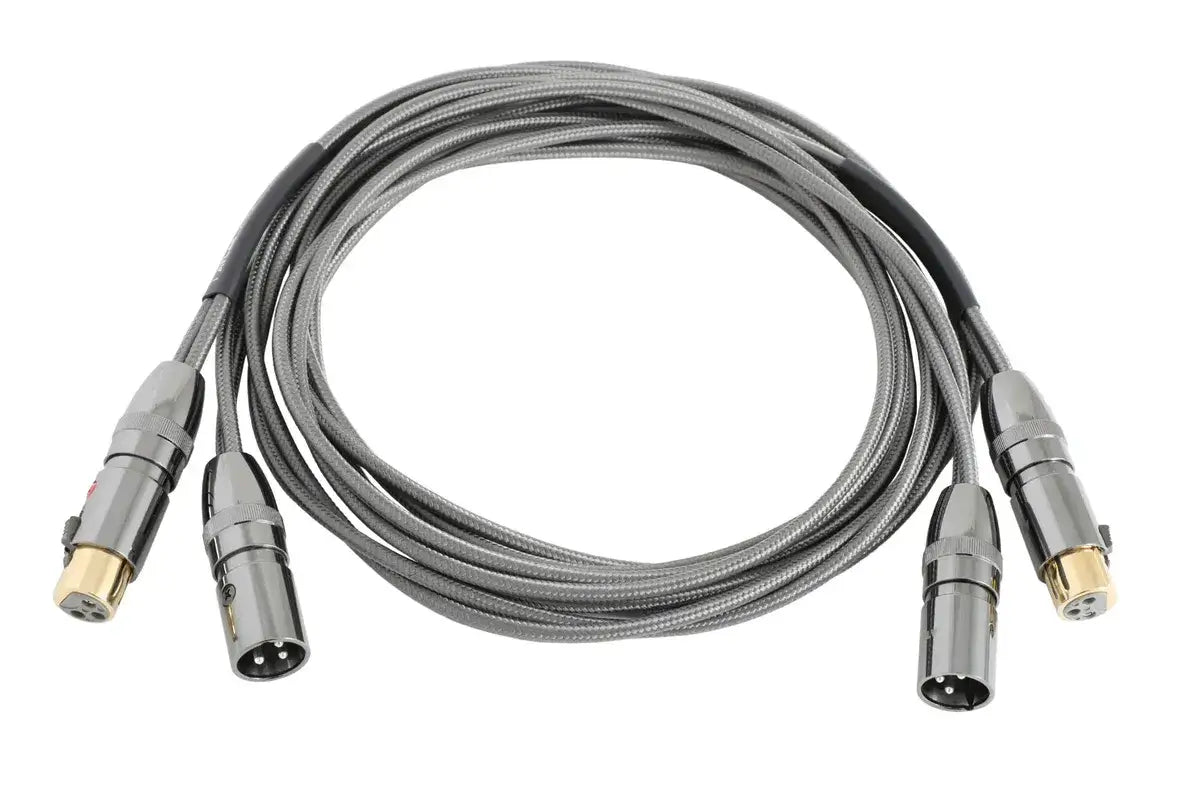
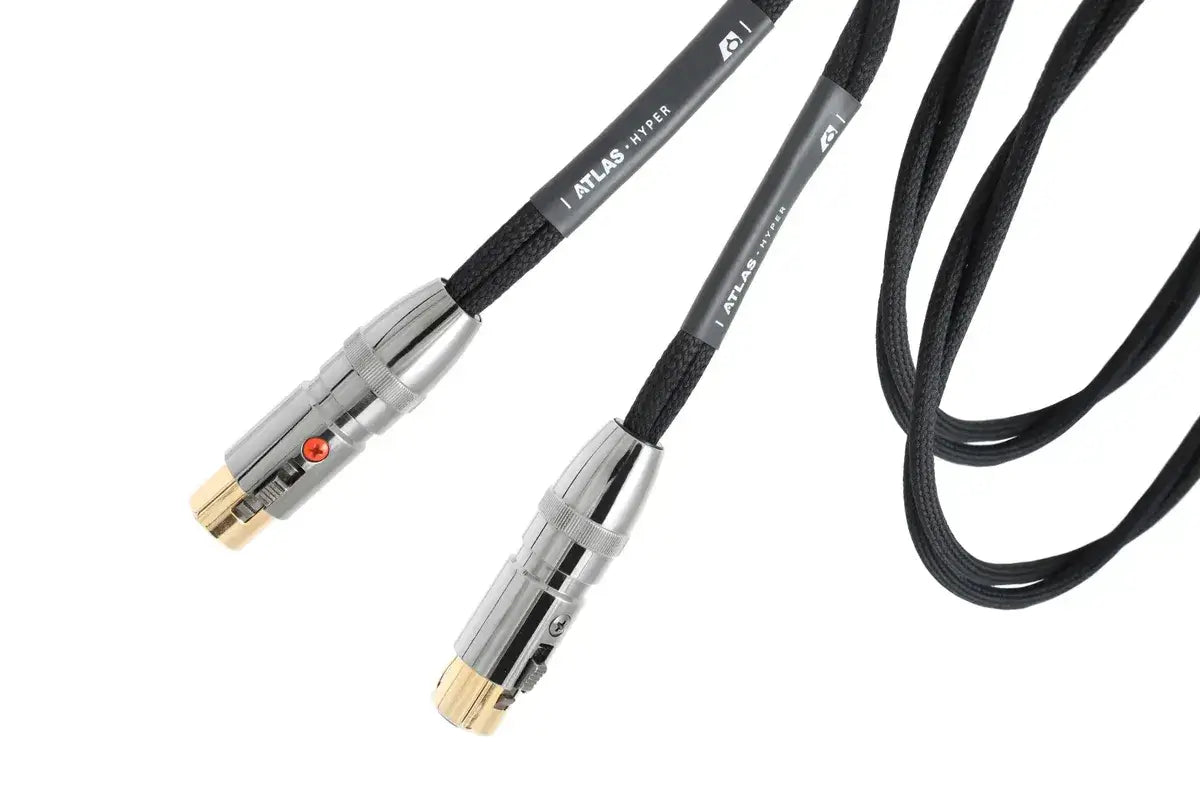
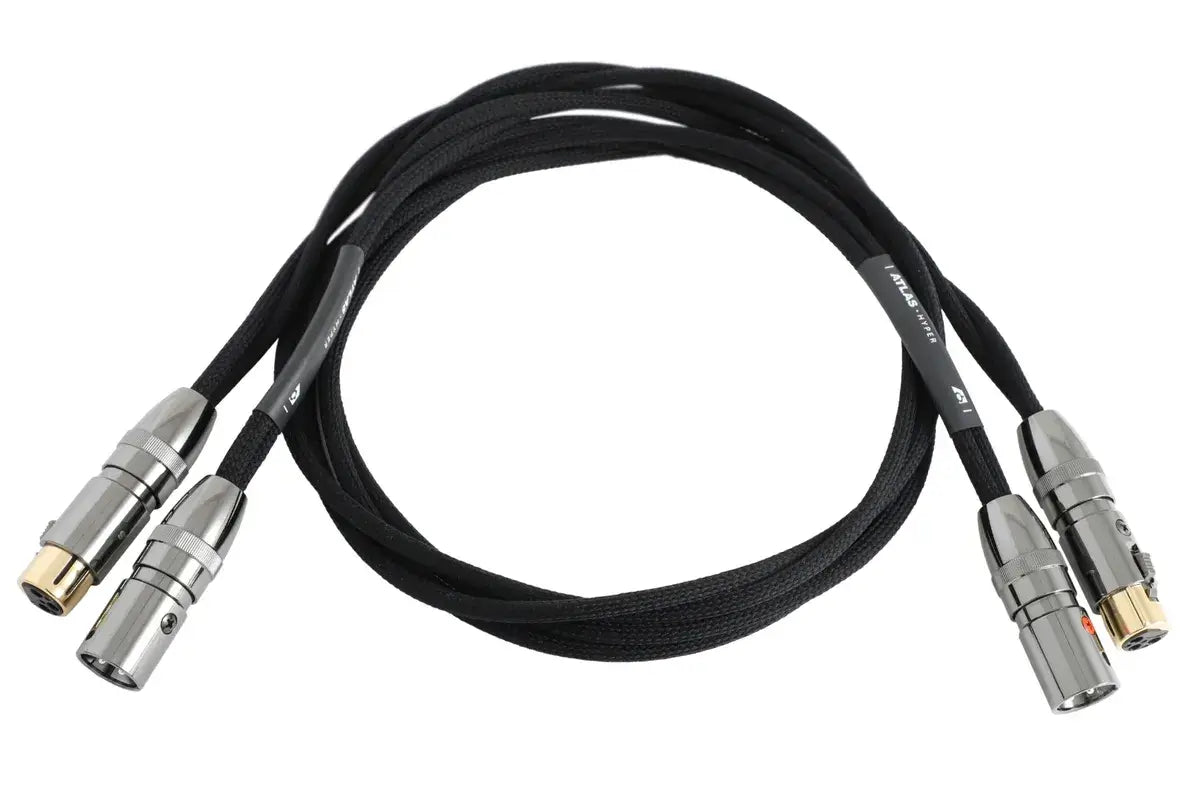
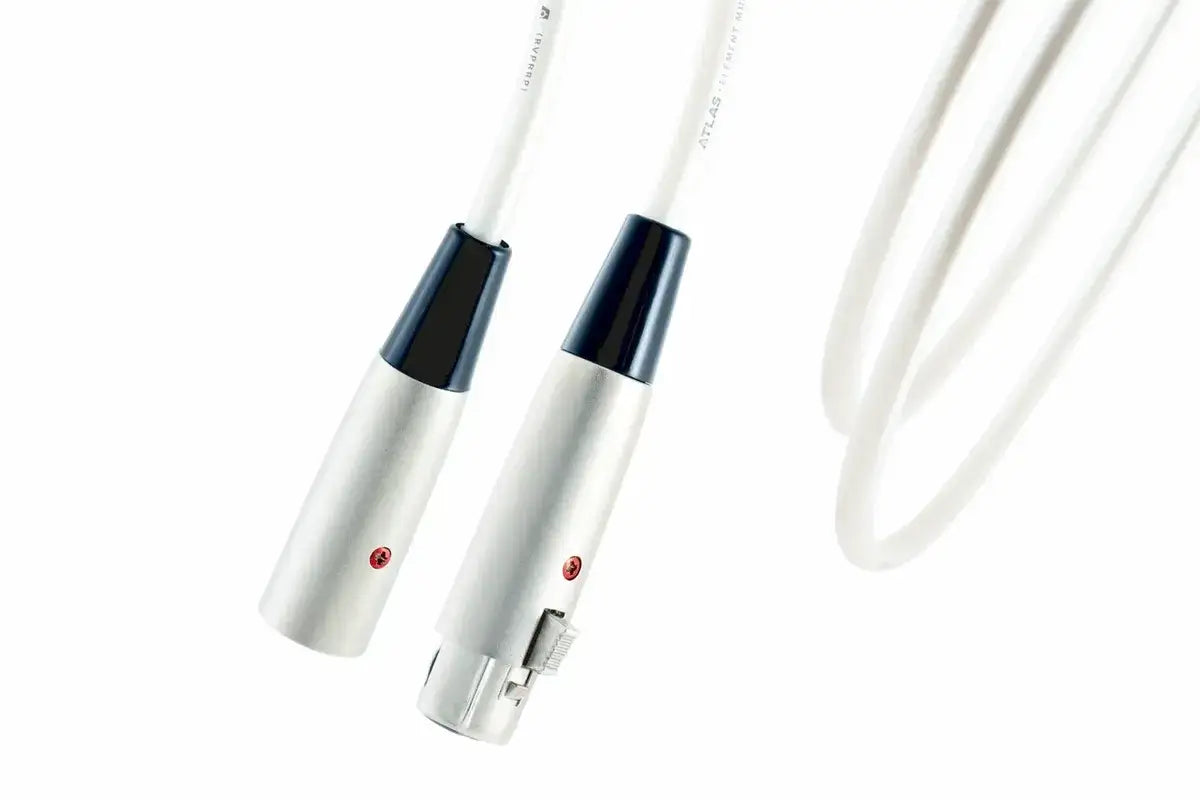
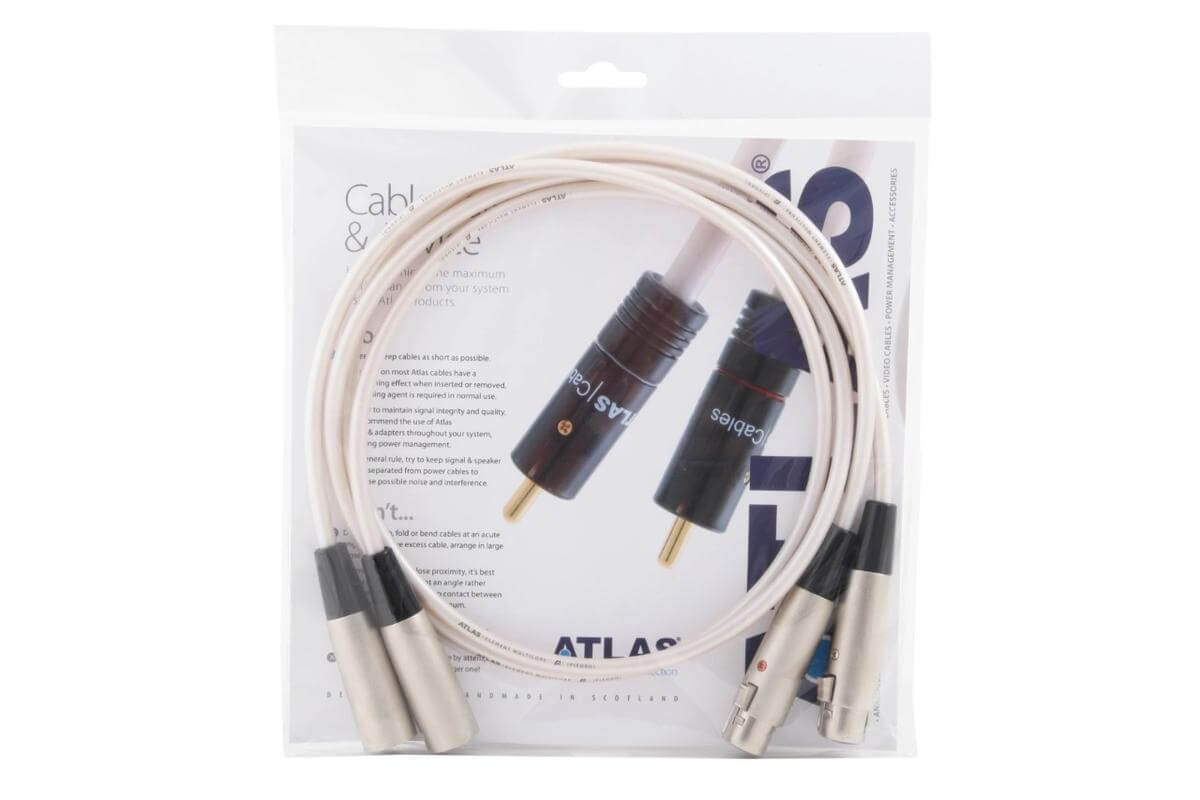
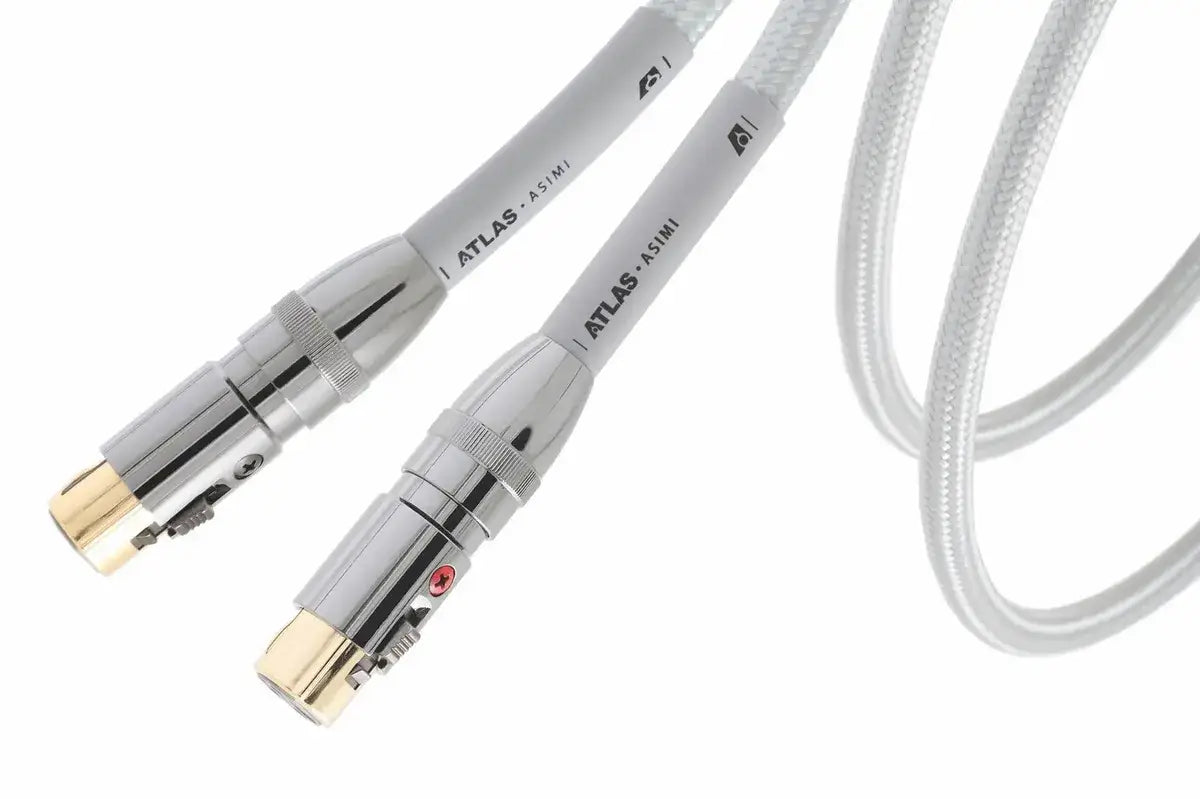
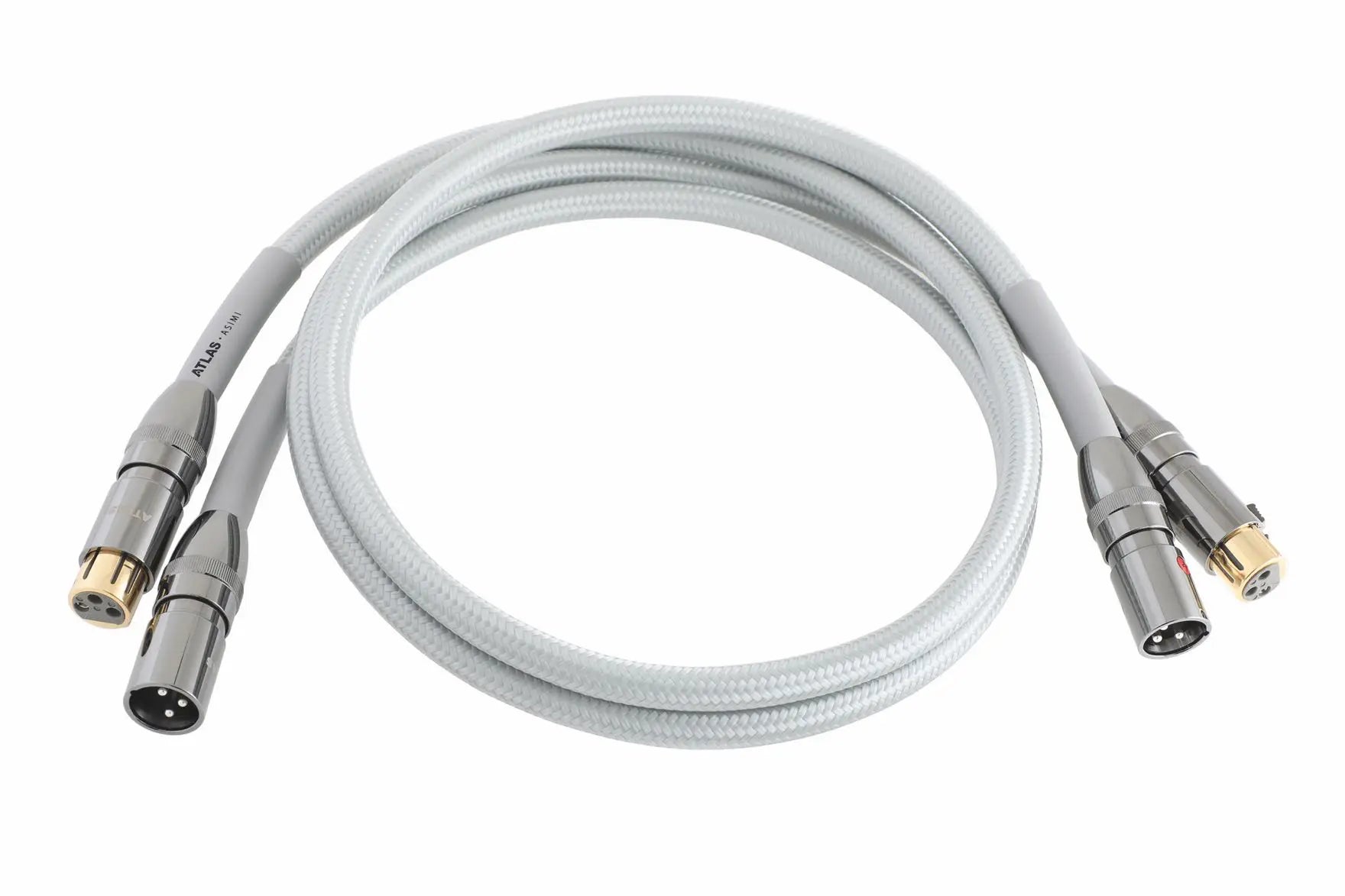
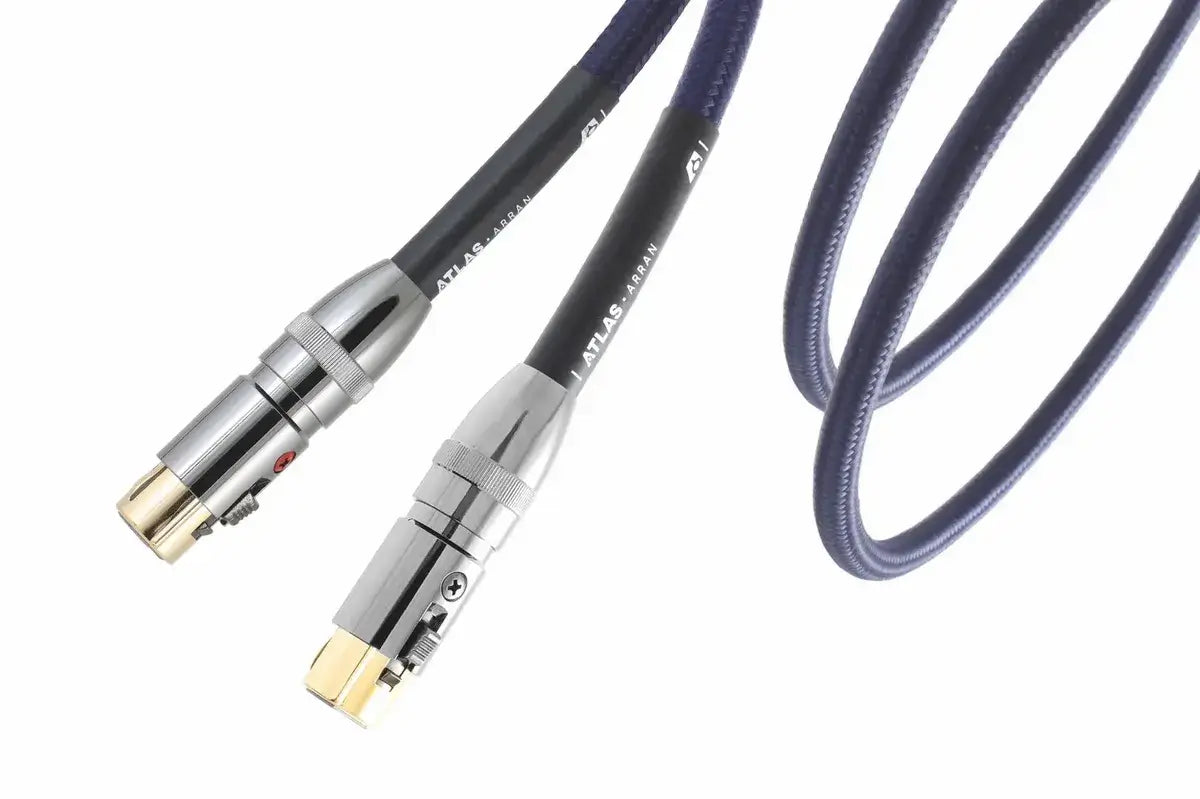
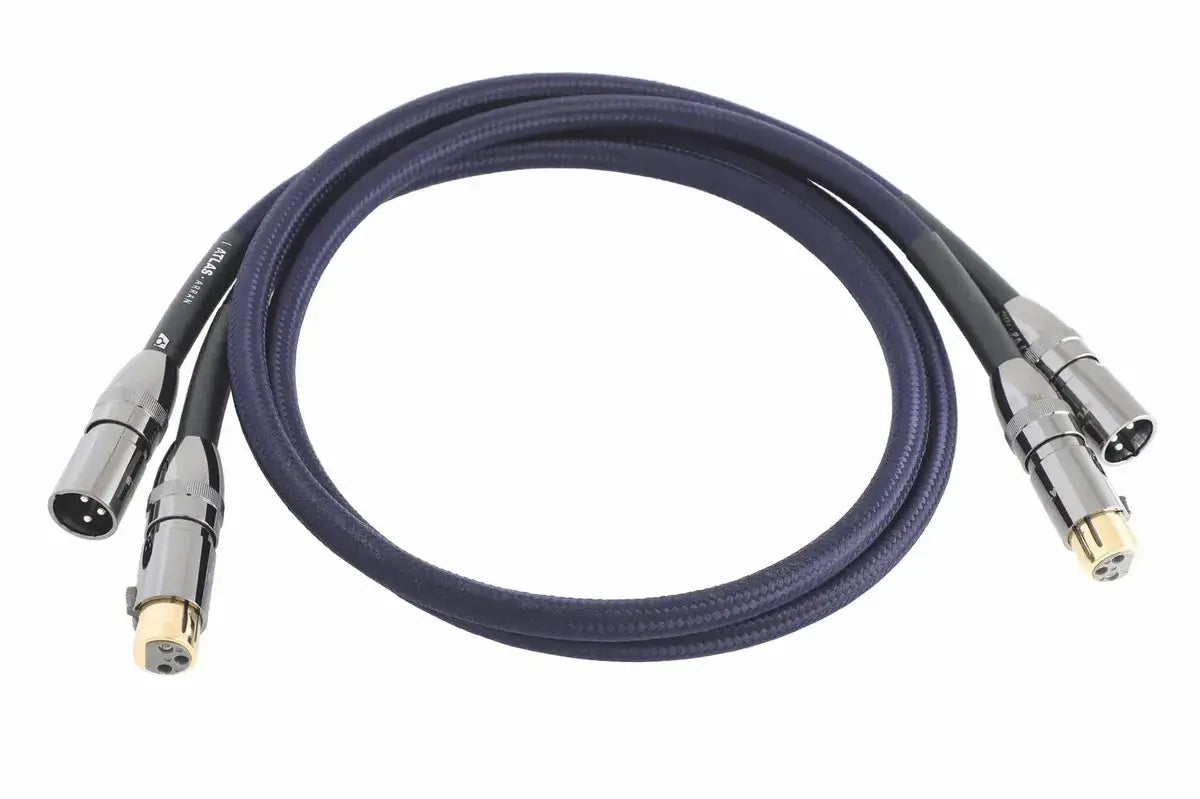
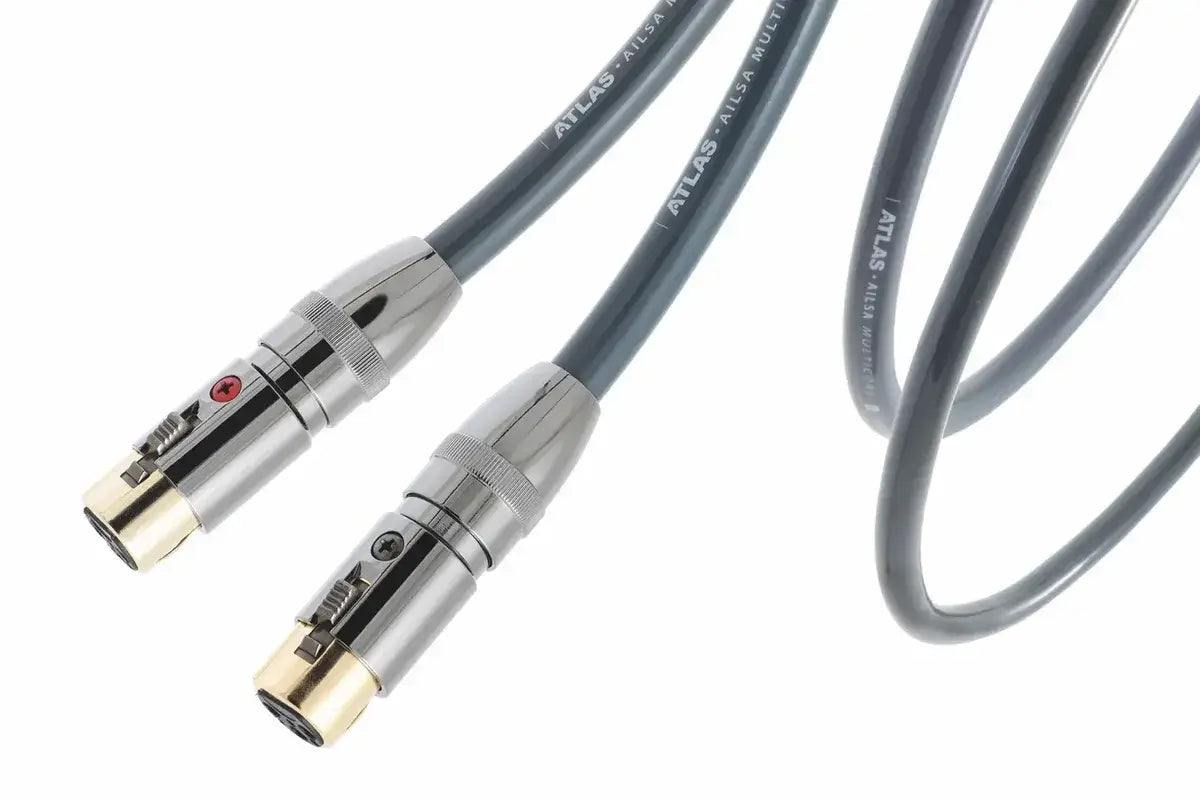
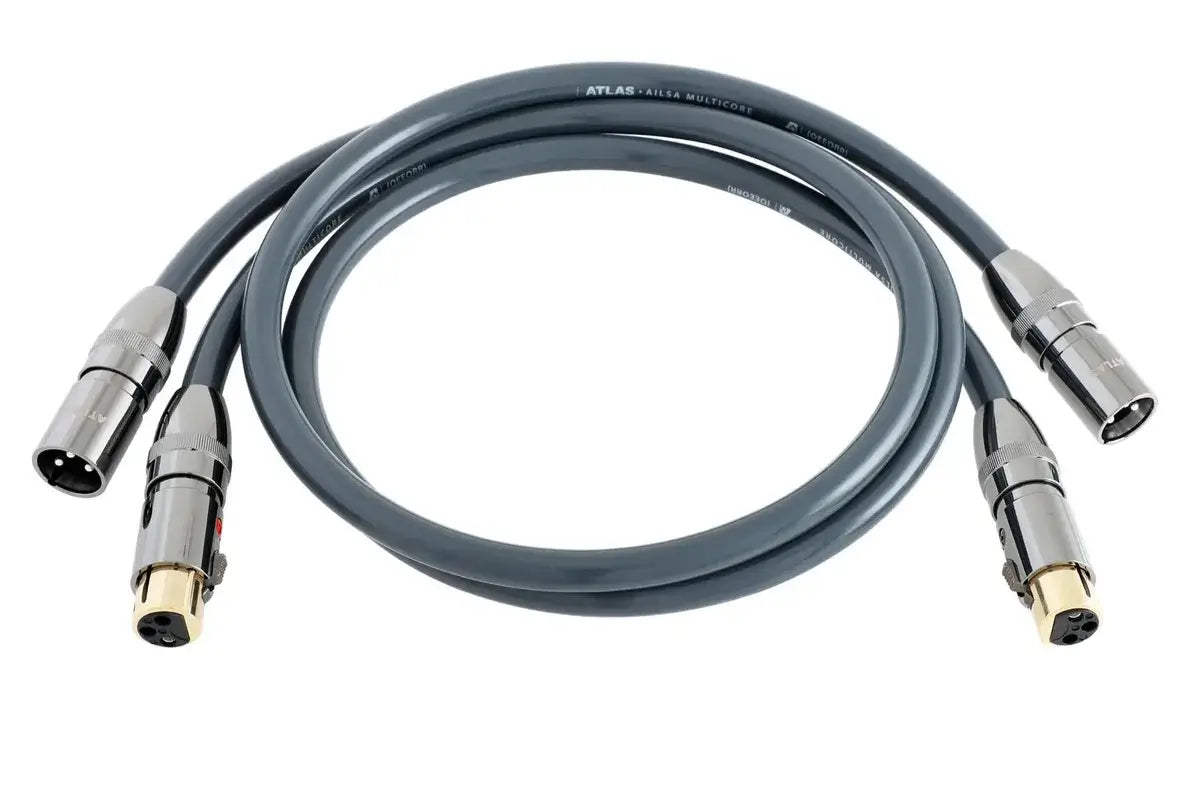
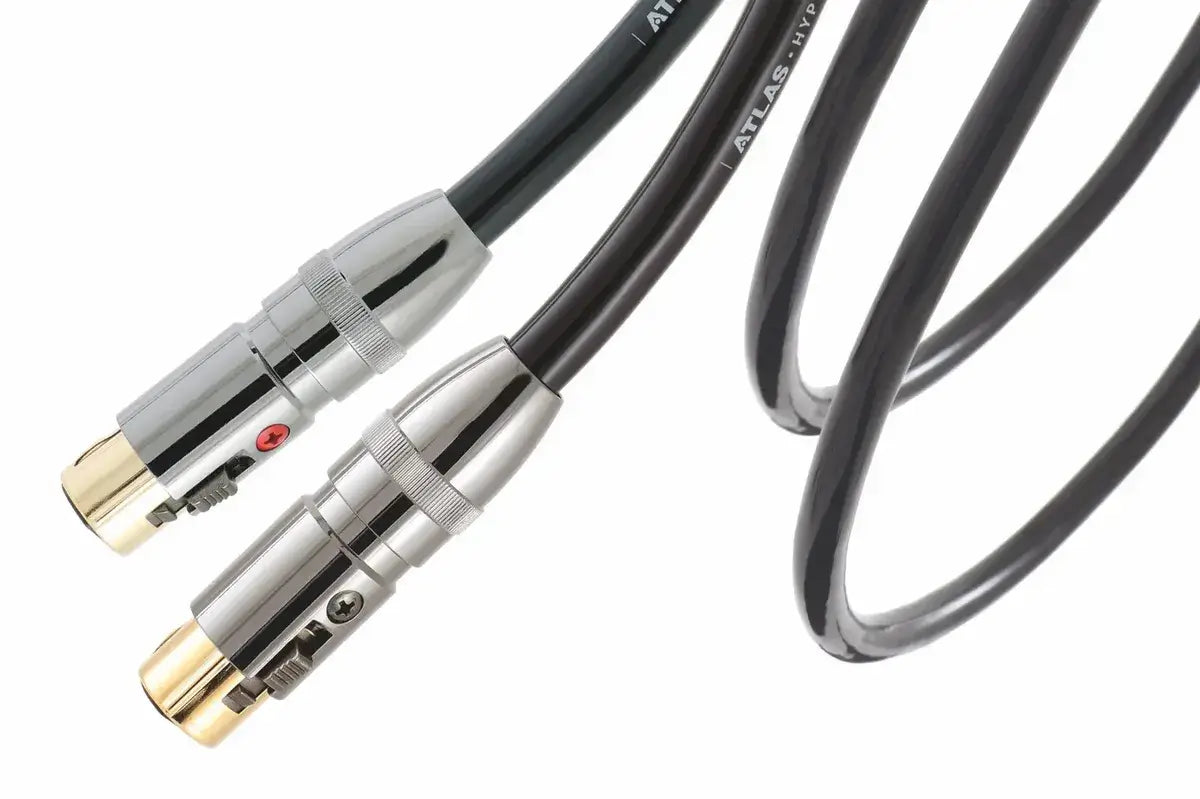
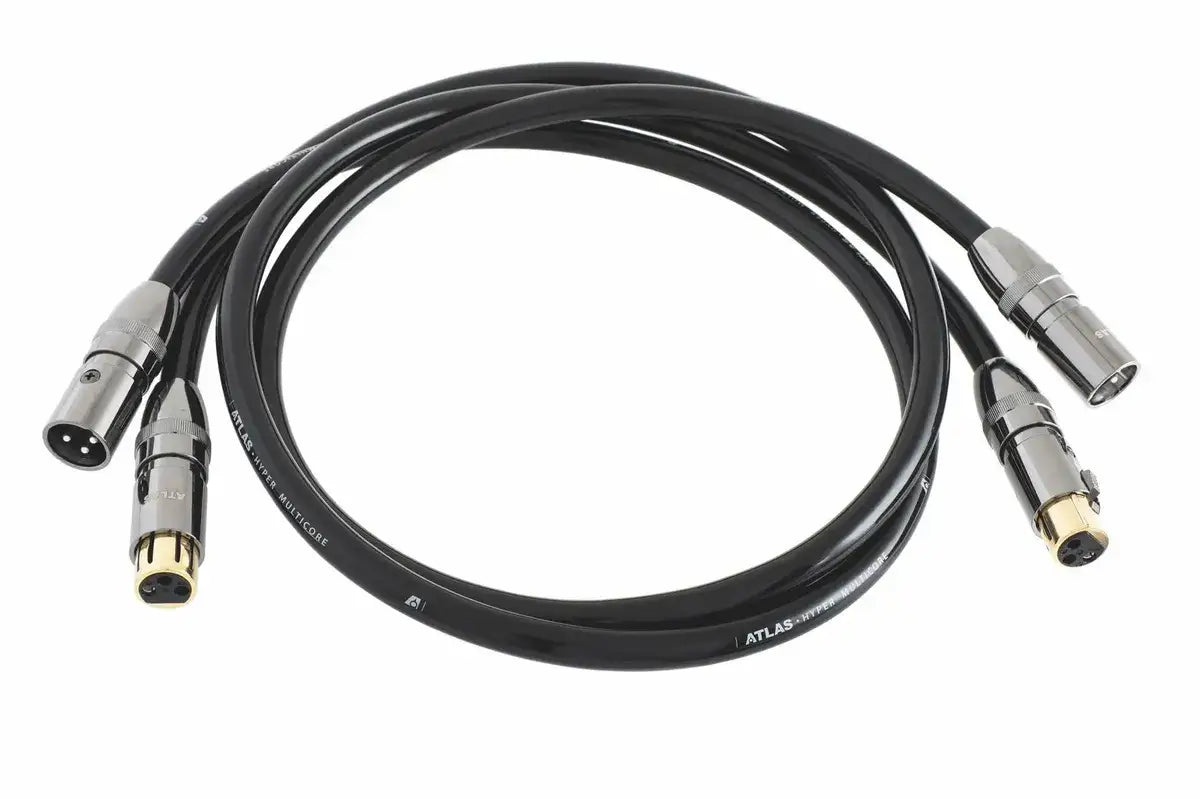
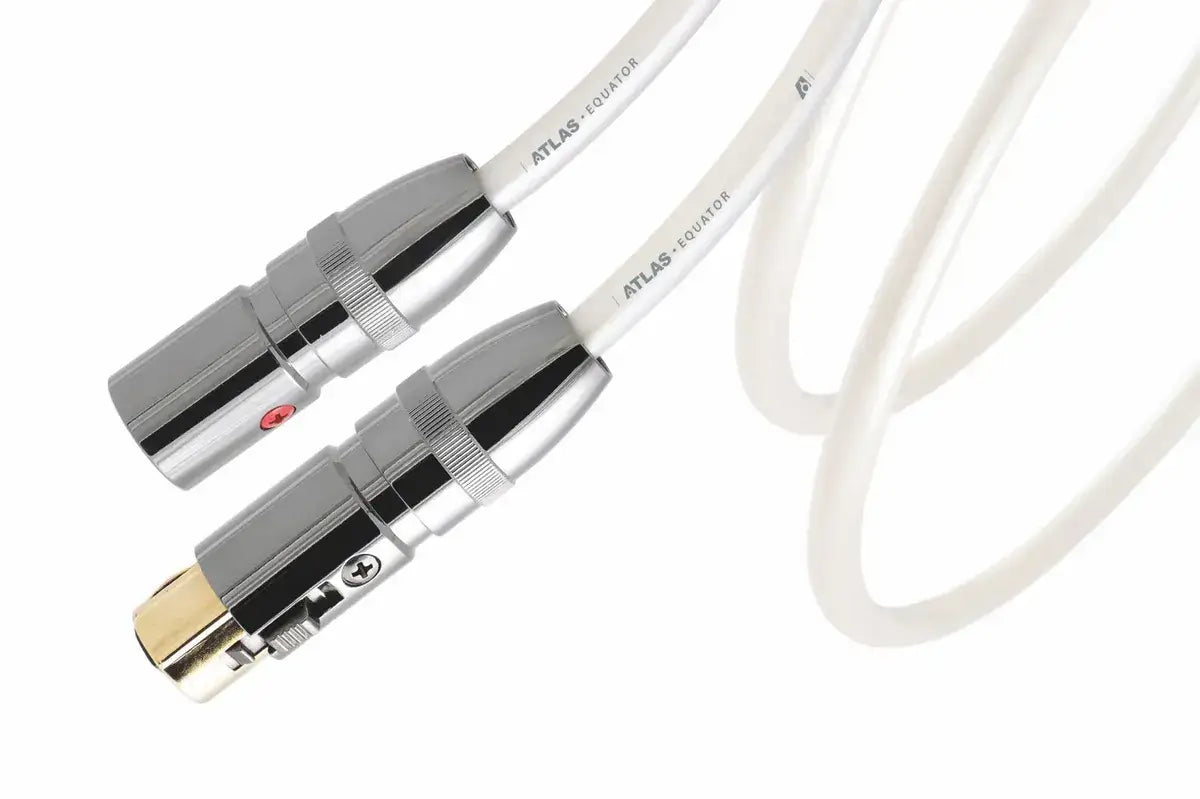
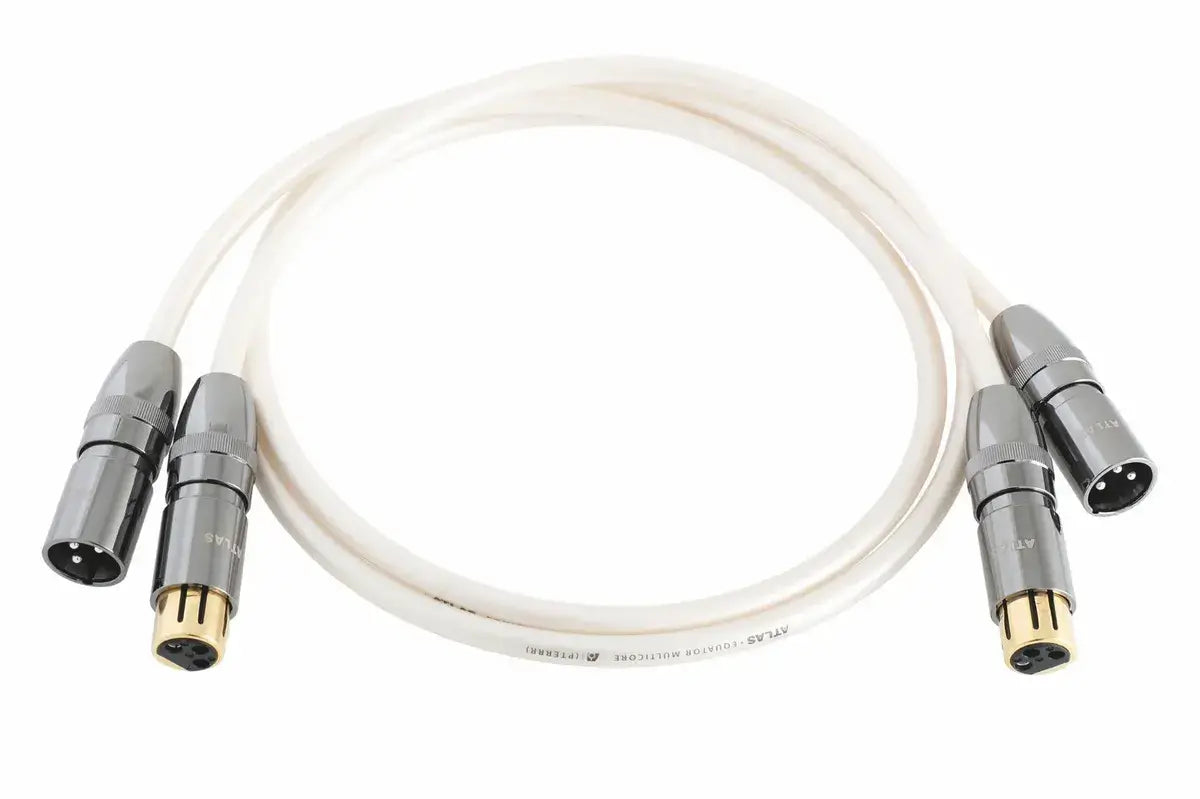
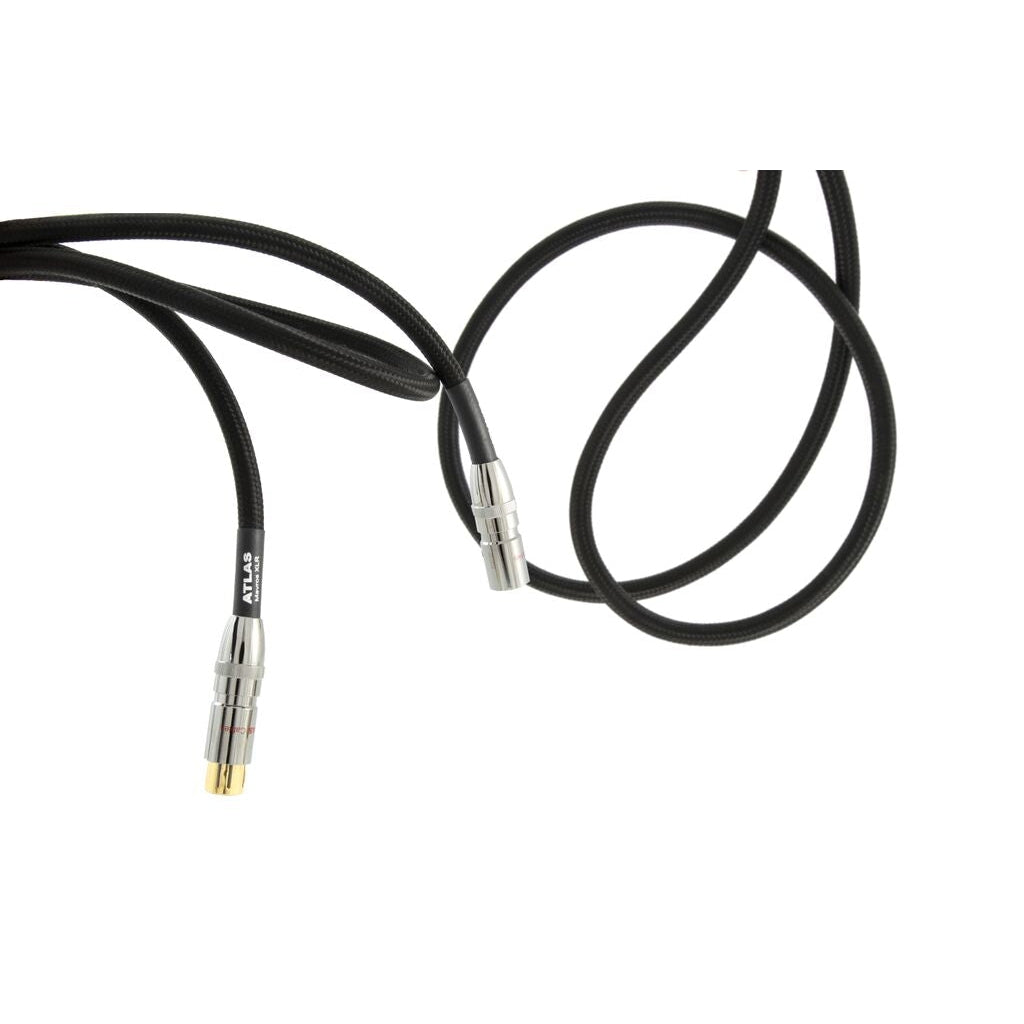
The Groove Man offers a curated selection of high-quality XLR interconnect cables designed for high-resolution audio systems. Our collection includes balanced interconnect cables from respected manufacturers such as Atlas Cables and Furutech, engineered for accurate analogue signal transmission.
Premium XLR cables often feature:
- high-purity copper or OCC conductors
- precision-machined XLR connectors
- advanced shielding to reduce electromagnetic interference
- low-resistance signal paths for improved signal stability
These design elements help ensure that the audio signal travelling between your source component and amplifier remains clean, stable and free from unwanted noise.
Balanced Audio Cables for Hi-Fi Systems
Whether you are connecting a DAC to a preamplifier, linking a balanced CD player to an integrated amplifier, or building a fully balanced hi-fi system, XLR interconnect cables form an essential part of the analogue signal chain.
Explore our range of balanced XLR cables to find high-quality interconnects designed to support accurate signal transmission and reliable system performance.