Types of Amplifiers
Amplifiers are available in several formats, each designed for a specific role within a hi-fi system. The appropriate amplifier type depends on the system layout, the source components used and the loudspeakers being driven.
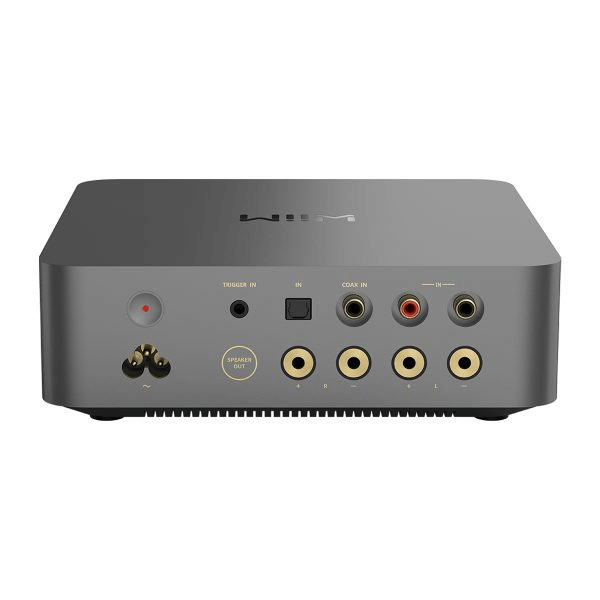
Streaming Amplifiers
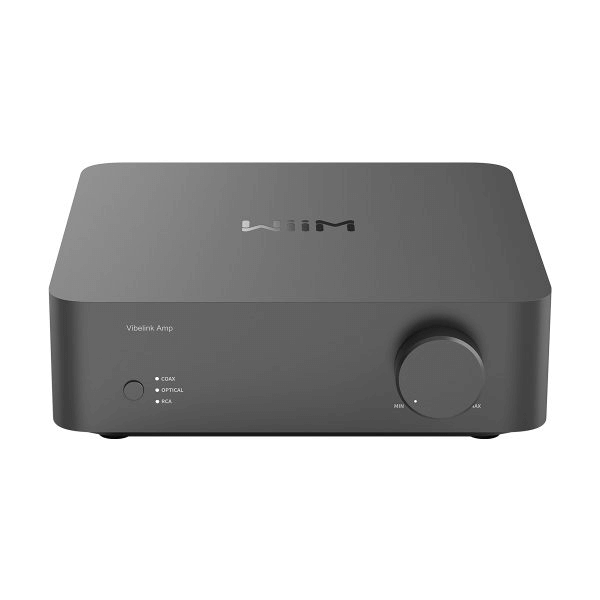
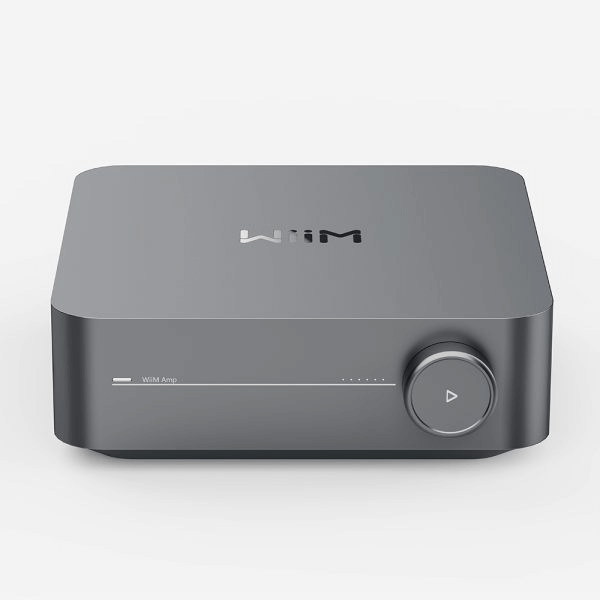
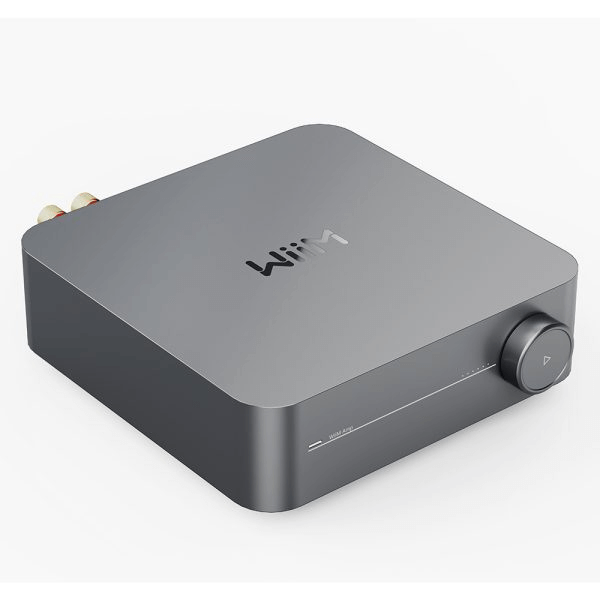
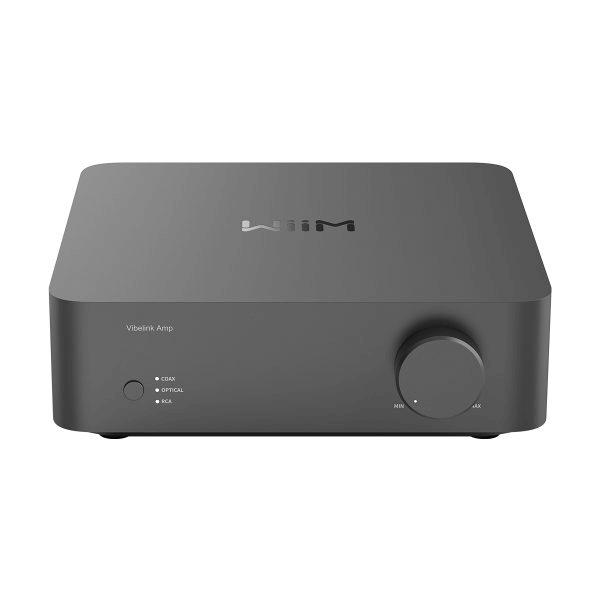
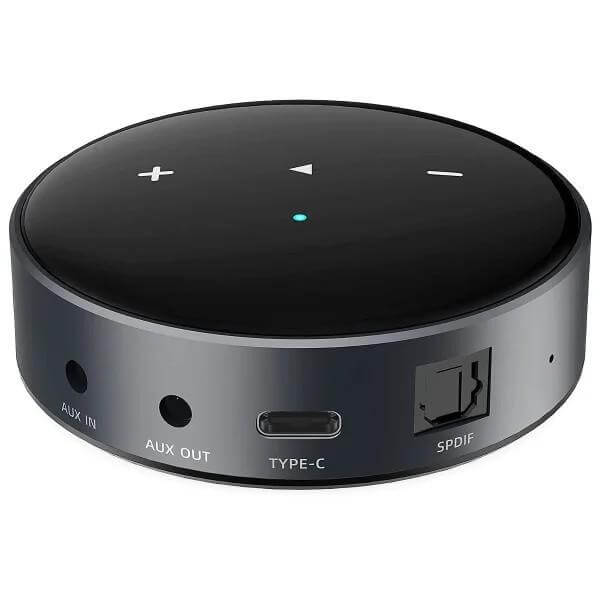
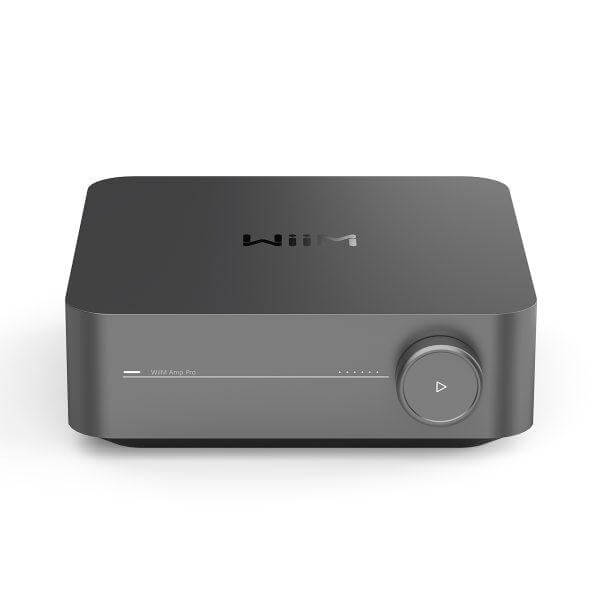
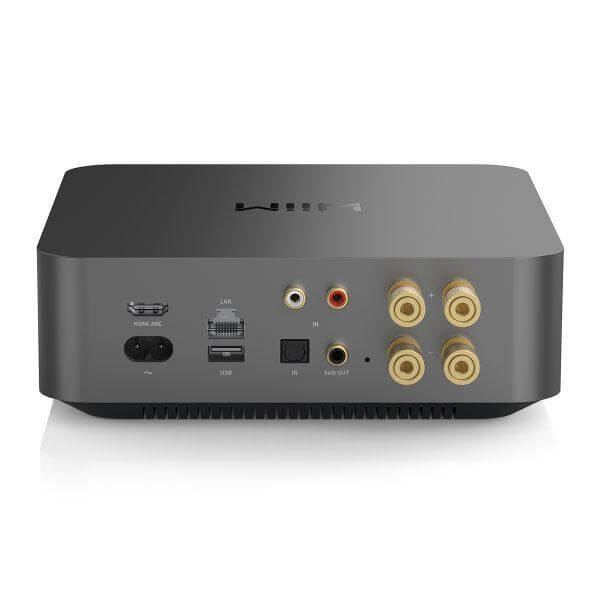
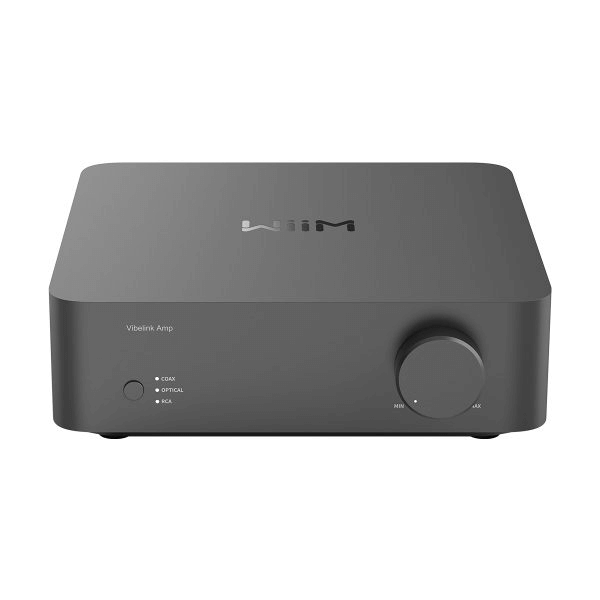
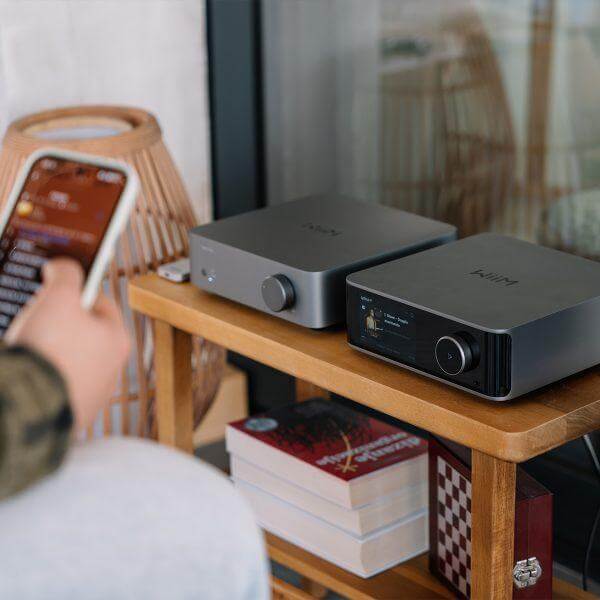
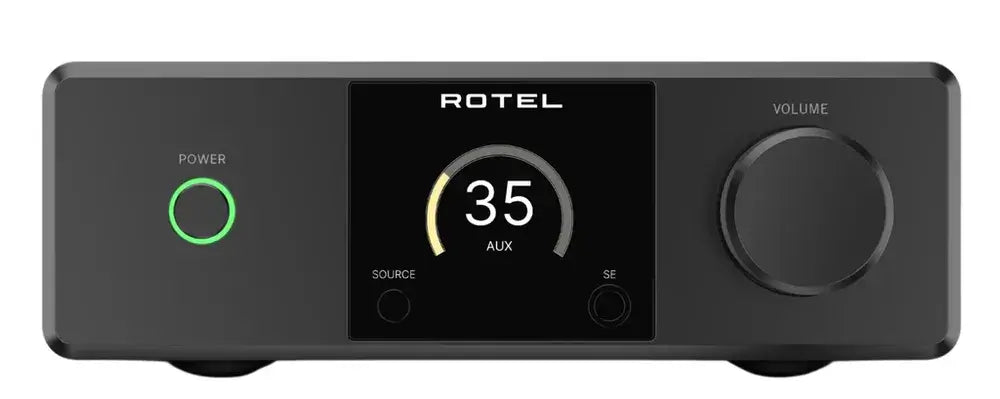
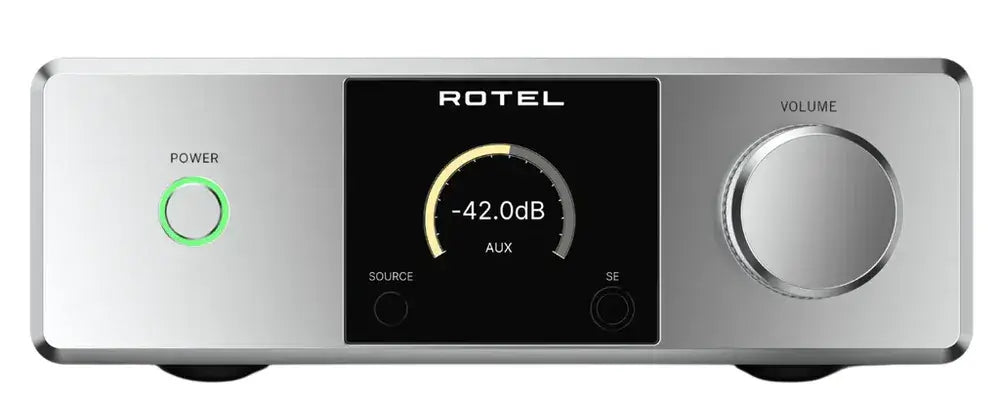
Streaming amplifiers combine amplification with built-in network streaming technology. These systems integrate digital music streaming services, wireless connectivity and speaker amplification within a single component. Streaming amplifiers are commonly used in modern hi-fi systems where digital music sources and network playback are primary listening formats.
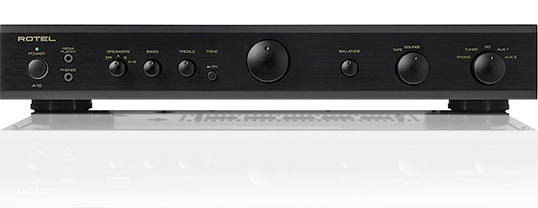
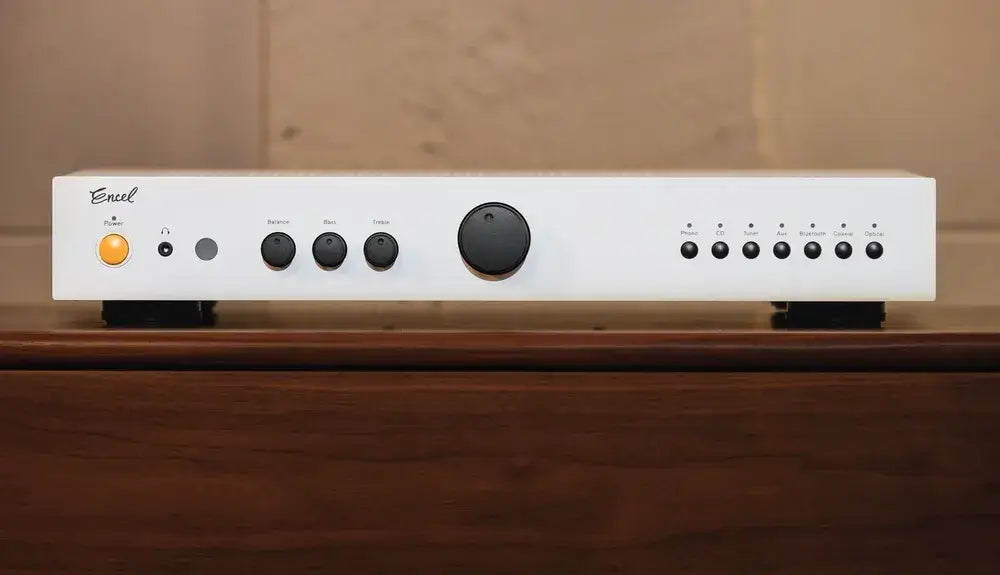
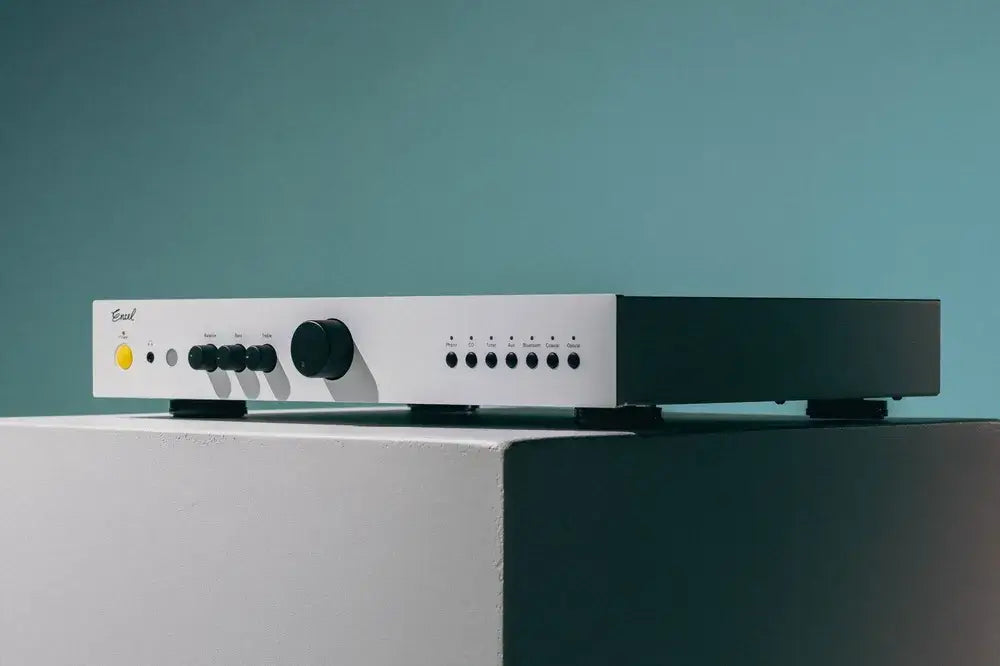
Integrated Amplifiers
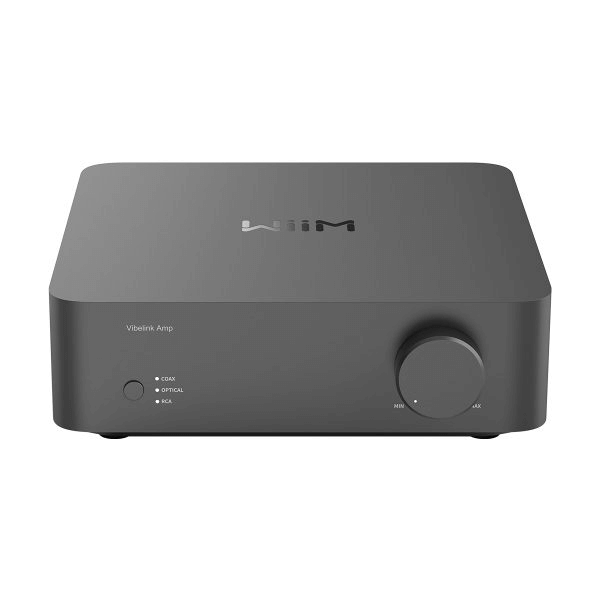
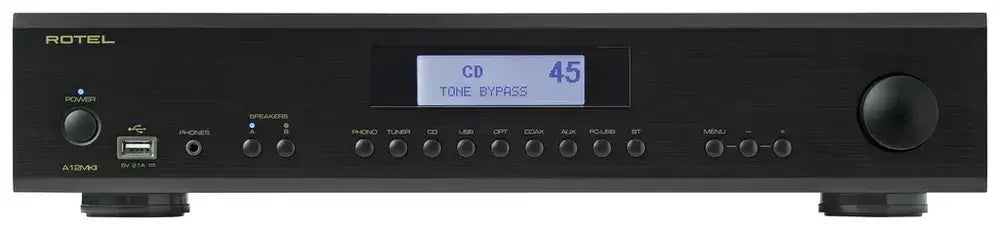
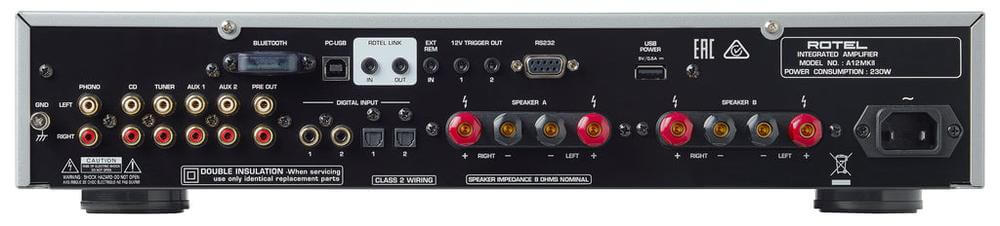
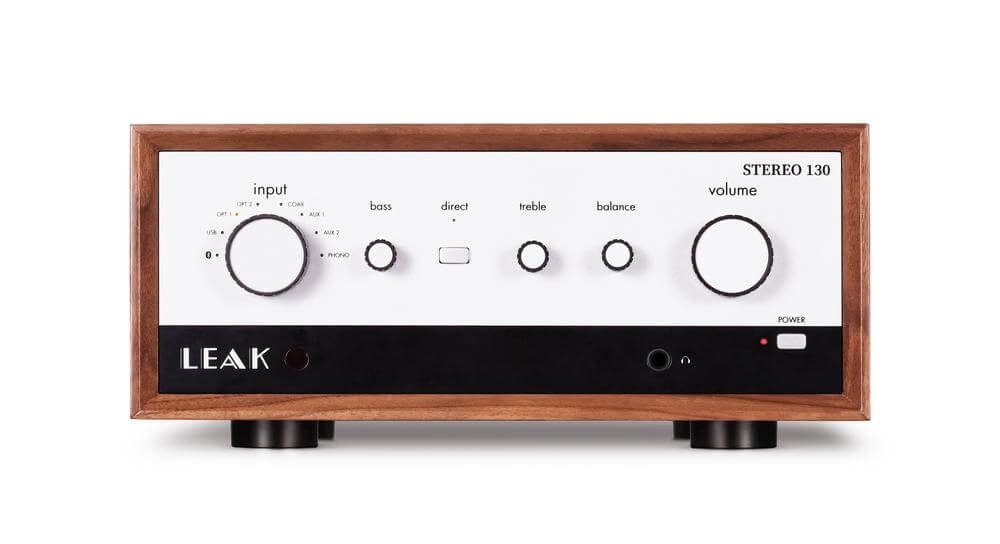
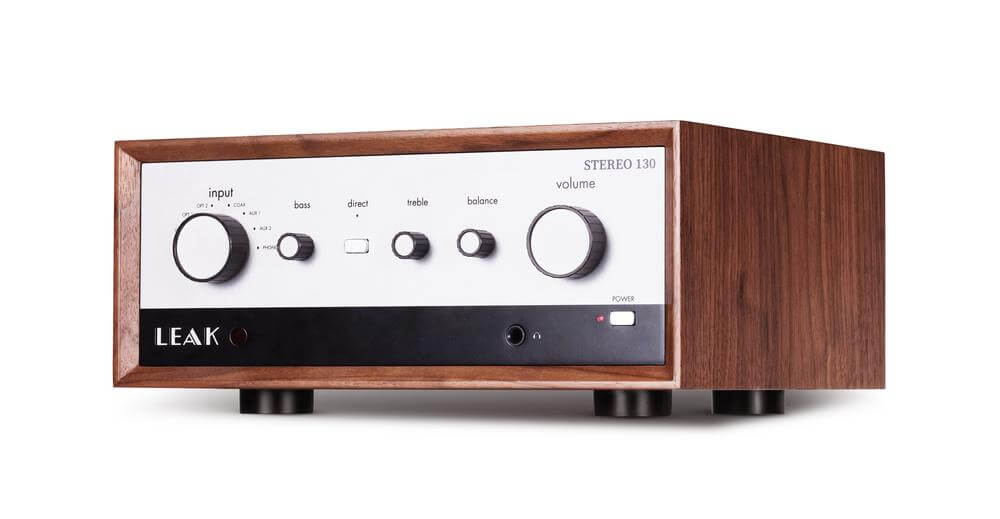
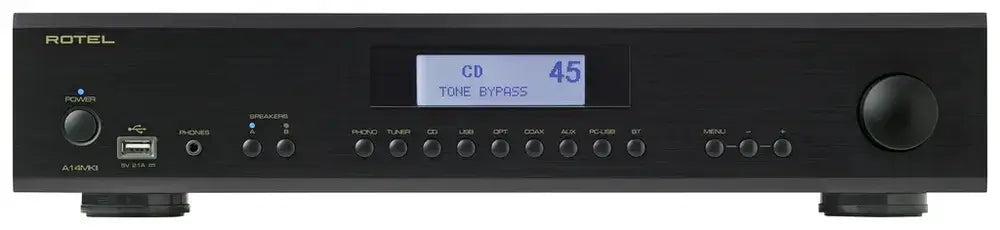
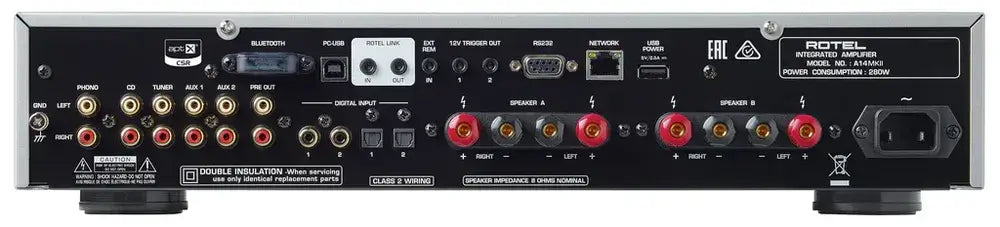
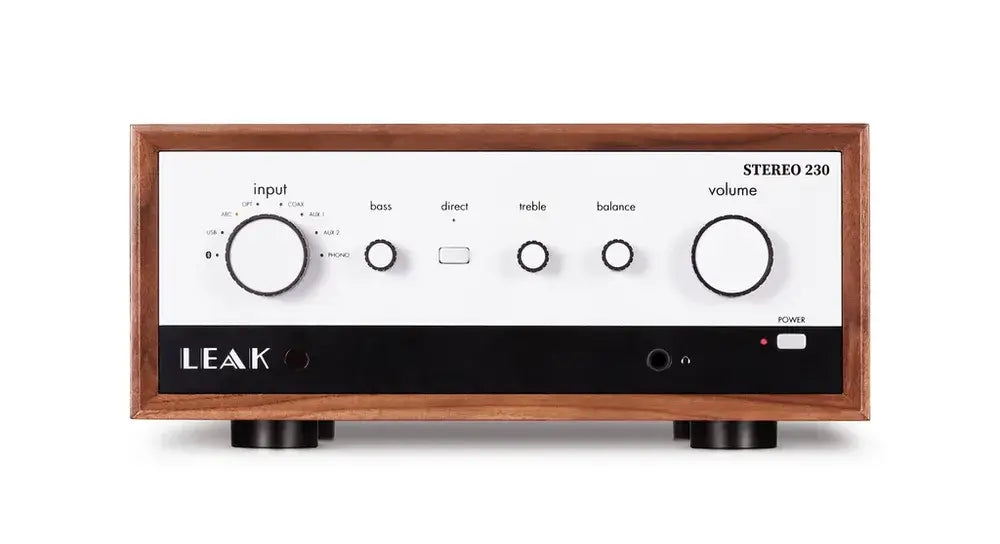
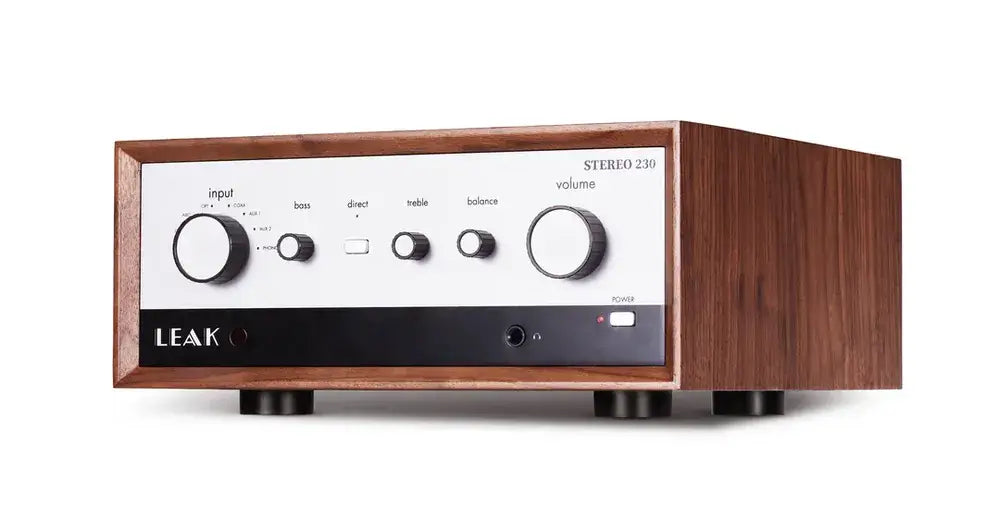
Integrated amplifiers combine preamplification and power amplification in a single unit. The preamplifier stage controls input selection and volume while the power amplifier stage provides the electrical output required to drive loudspeakers. Integrated amplifiers are widely used in two-channel hi-fi systems because they offer a compact and efficient system architecture.
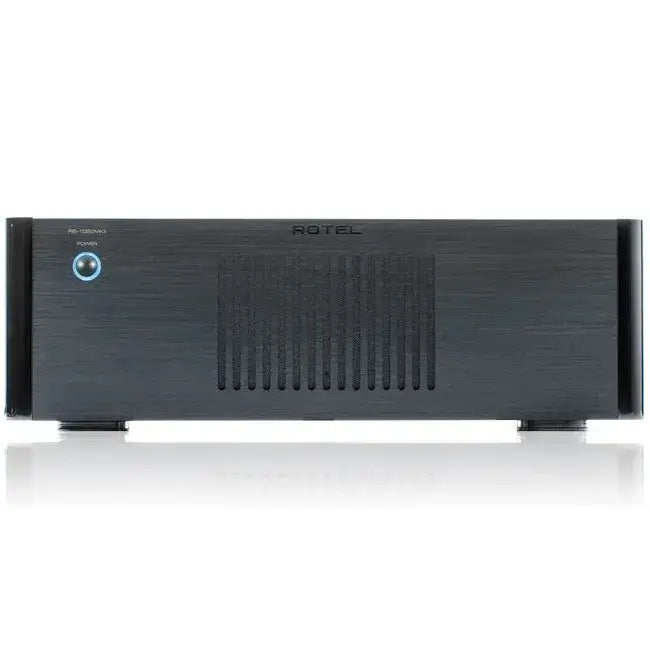
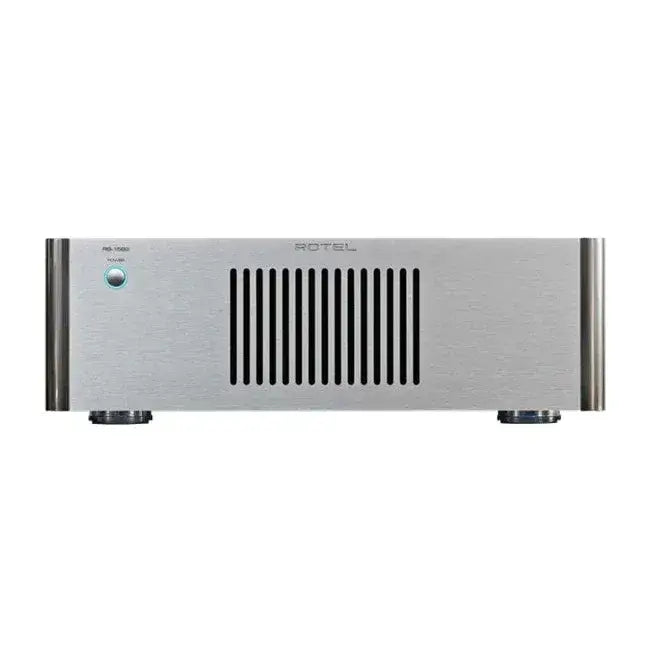
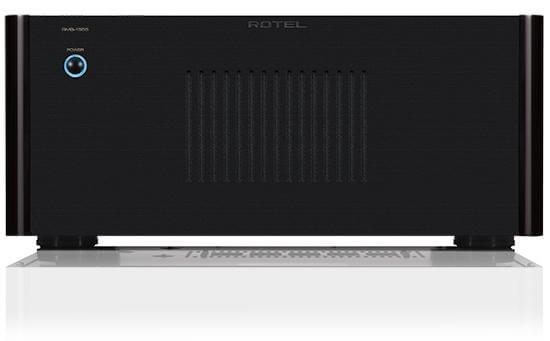
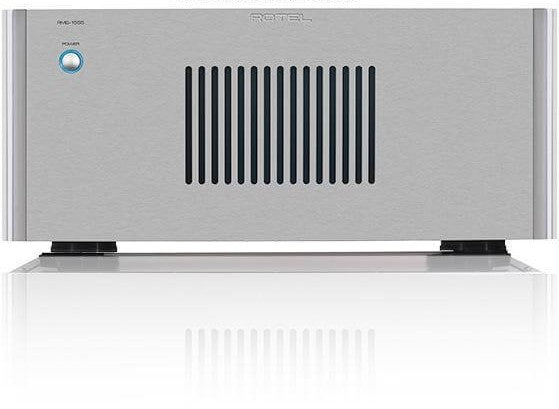
Power Amplifiers
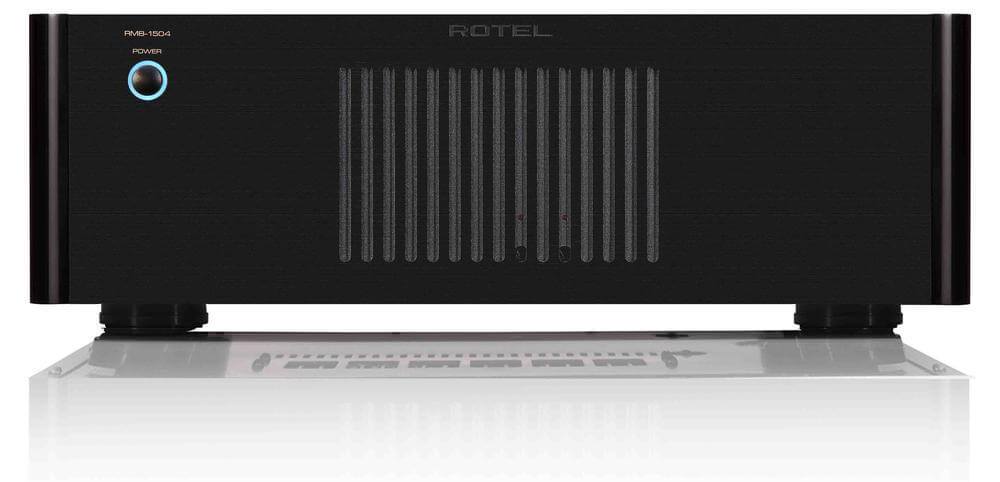
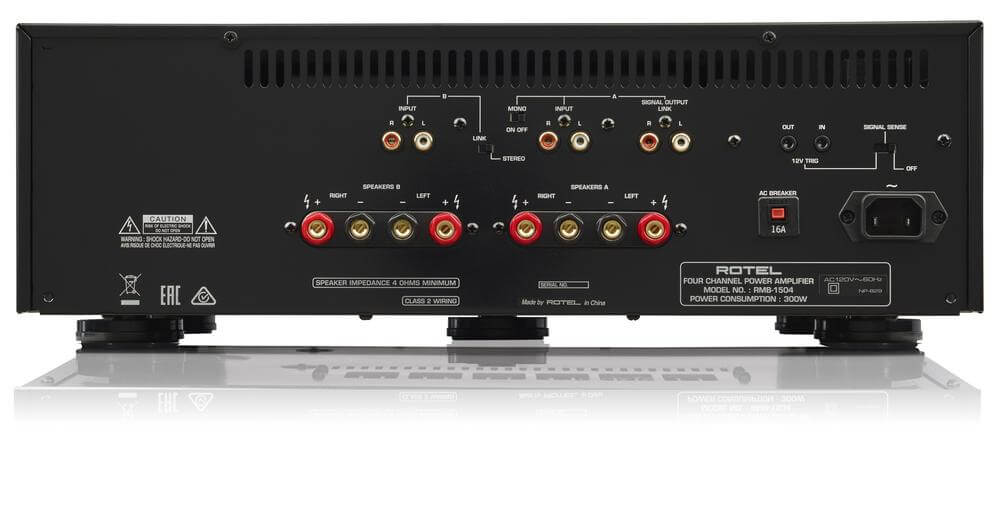
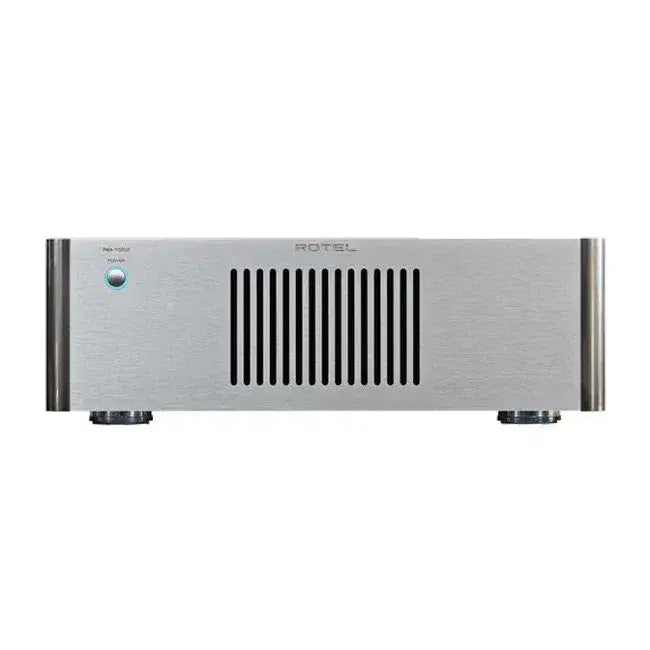
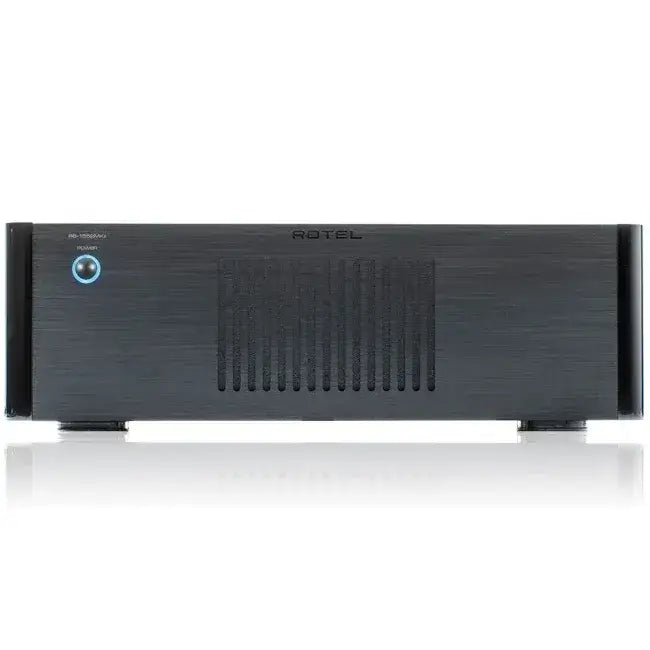
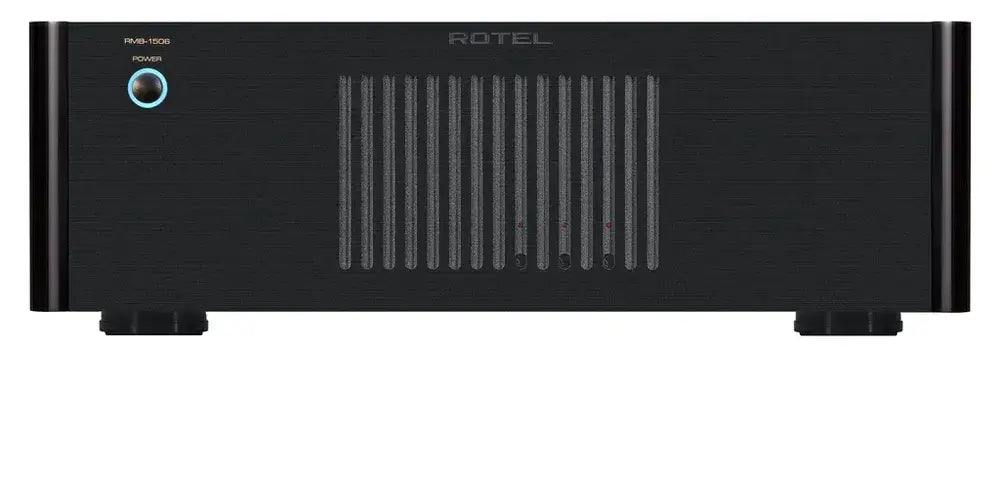
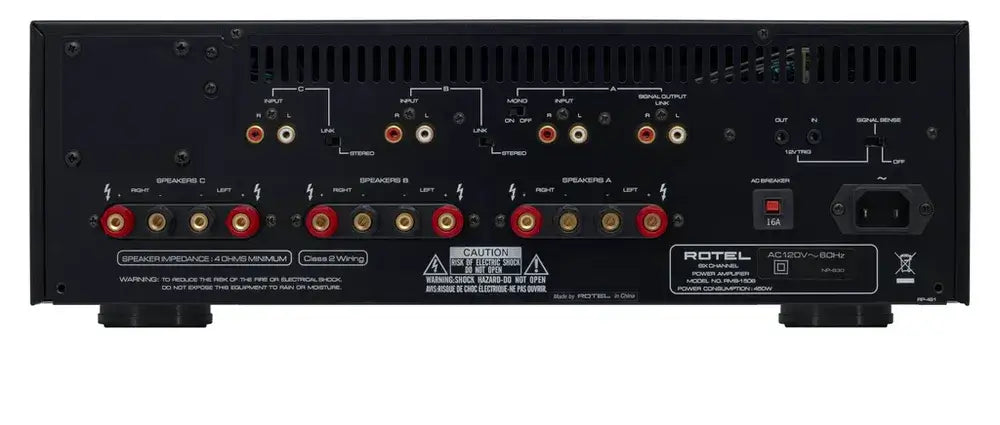
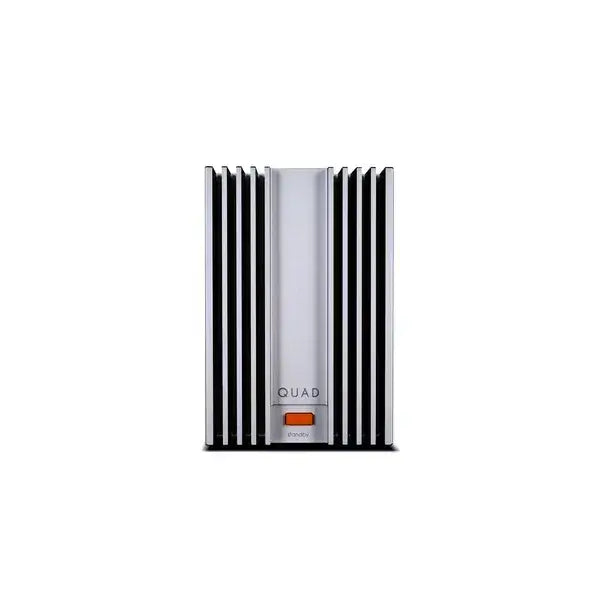
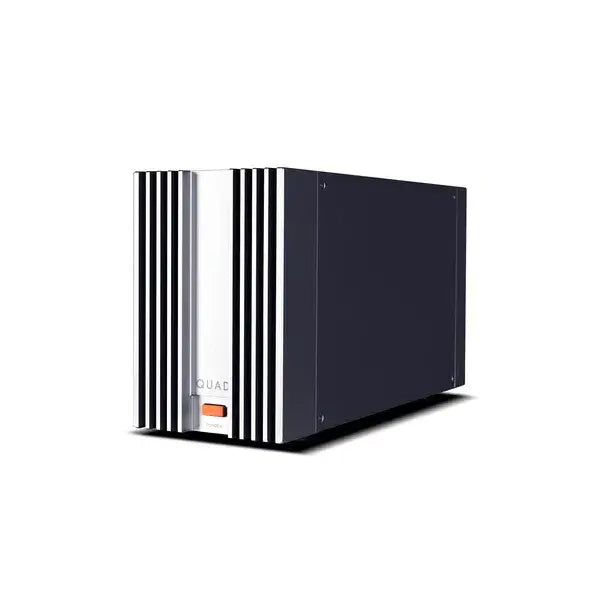
Power amplifiers are dedicated amplification stages designed solely to drive loudspeakers. These units are typically used in systems where preamplification and source control are handled by a separate component such as a preamplifier or streaming control system. Power amplifiers are common in advanced hi-fi setups where separate components allow greater system flexibility.
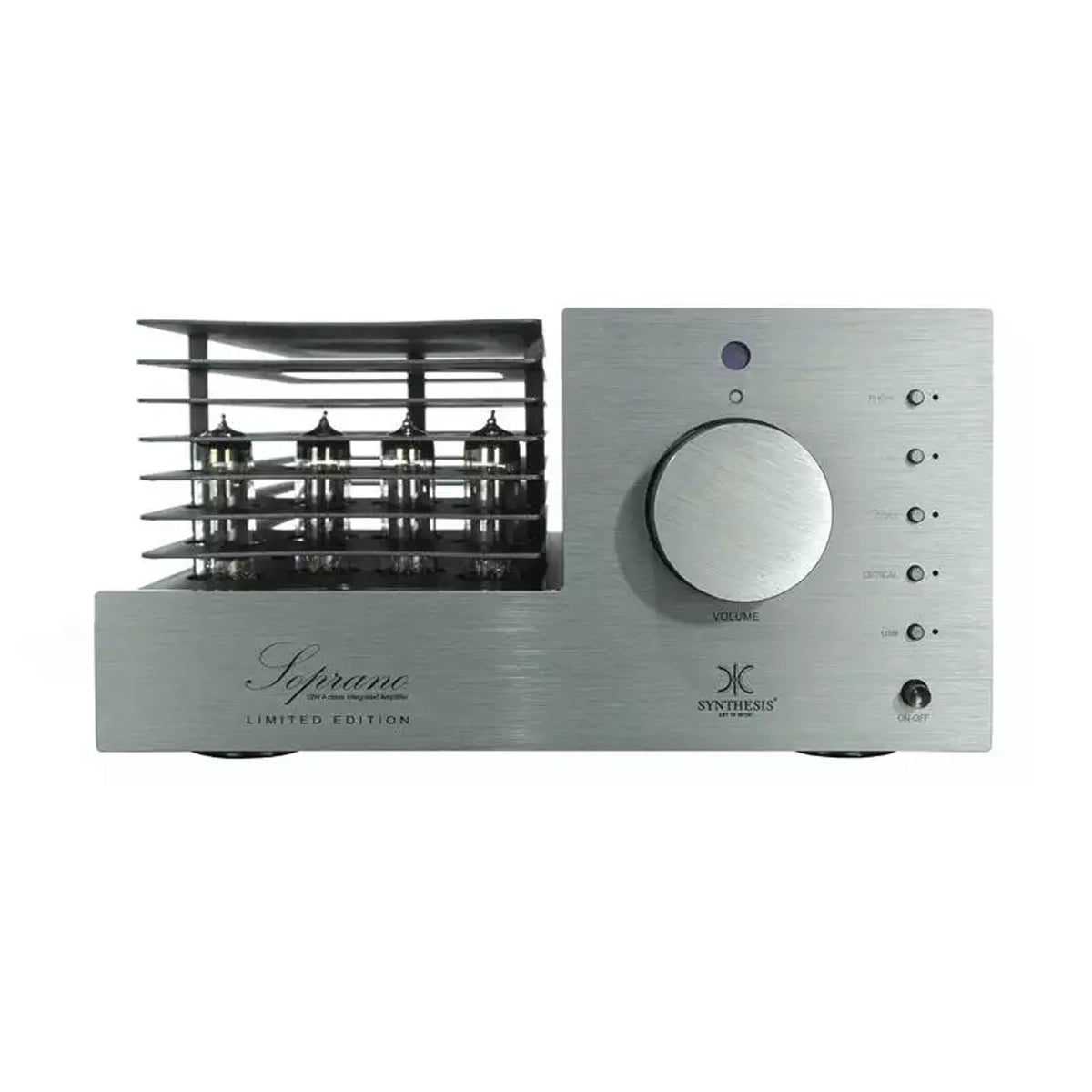
Valve Amplifiers
Valve amplifiers are often selected for smoother tonal balance, wider soundstage presentation, and lower perceived listening fatigue in dedicated stereo systems.
These amplifiers are available in both integrated and power amplifier designs and are often used in hi-fi systems where listeners prefer the characteristics of valve-based amplification.
Valve amplifiers require careful system matching and are typically paired with compatible loudspeakers and source components.
Amplifiers in a Hi-Fi System
In a home audio system the amplifier sits between the source component and the loudspeakers. Source devices such as turntables, streamers or digital players send an audio signal to the amplifier, where the signal is increased in voltage and current before being delivered to the speakers.
Typical signal chain in a hi-fi system:
source component → amplifier → loudspeakers
The amplifier therefore determines how effectively the signal from the source component is translated into acoustic output by the loudspeakers.
Amplifier Design and Performance Factors
Several technical characteristics influence amplifier performance and compatibility within a hi-fi system.
Key considerations include:
• Power output – measured in watts and determines how effectively an amplifier can drive speakers
• Speaker impedance compatibility – ensures stable operation with different loudspeaker loads
• Amplifier topology – including solid-state and valve designs
• System configuration – integrated amplifiers versus separate preamplifier and power amplifier systems
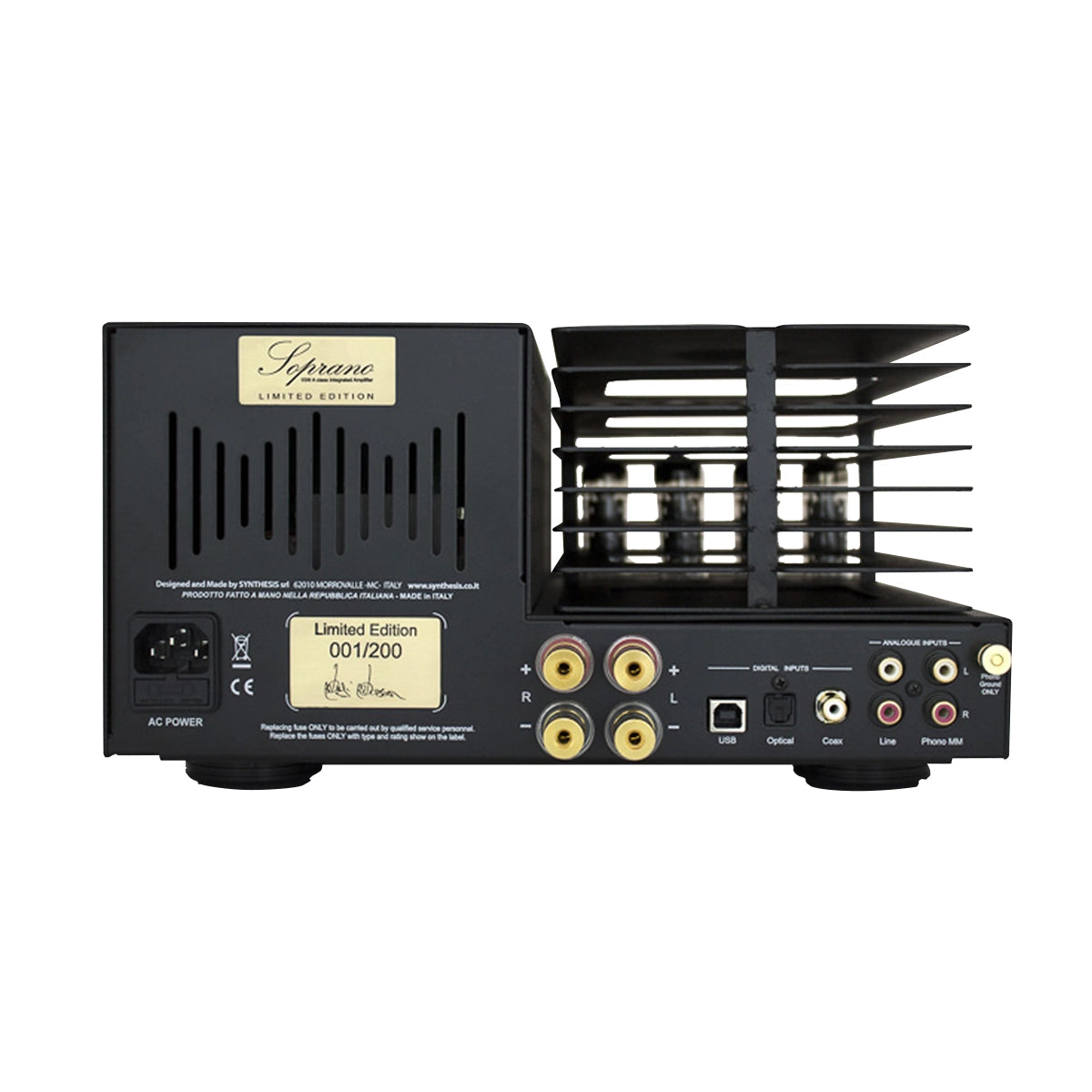
• Connectivity – analogue inputs, digital inputs and network streaming capability
Matching amplifier power and system configuration with the loudspeakers and source components helps ensure stable performance and accurate sound reproduction.
Hi-Fi Amplifiers for Dedicated Listening Systems
The Groove Man supplies amplifiers designed for high-fidelity music systems and vinyl playback setups. Our selection includes modern streaming amplifiers, classic integrated amplifiers, dedicated power amplifiers and specialist valve amplifiers.
Customers across Australia, including Brisbane, Sydney, Melbourne and Adelaide, choose The Groove Man for carefully selected hi-fi equipment, analogue audio systems and expert support when building or upgrading a home listening system.