

A DAC, or digital-to-analogue converter, is an electronic device that transforms digital audio data into the continuous analogue signal required by amplifiers, headphones and loudspeakers. It acts...

How Digital-to-Analogue Conversion Works
Digital-to-analogue conversion is the process of transforming discrete digital samples into a smooth, continuous electrical waveform that amplifiers and speakers can reproduce. This process is car...

Bit Depth & Sample Rates Explained
Bit depth and sample rate define the resolution of digital audio, determining how accurately a DAC can reconstruct the original analogue waveform from discrete samples. This reconstruction is perf...

Why External DACs Improve Sound Quality
External DACs improve sound quality because they isolate the digital-to-analogue conversion process from noisy internal circuitry, provide superior clocking and filtering, and use higher-grade ana...

A phono preamplifier is an audio component that amplifies the low-level signal from a turntable cartridge and applies RIAA equalisation so it can be played through a standard amplifier or powered ...
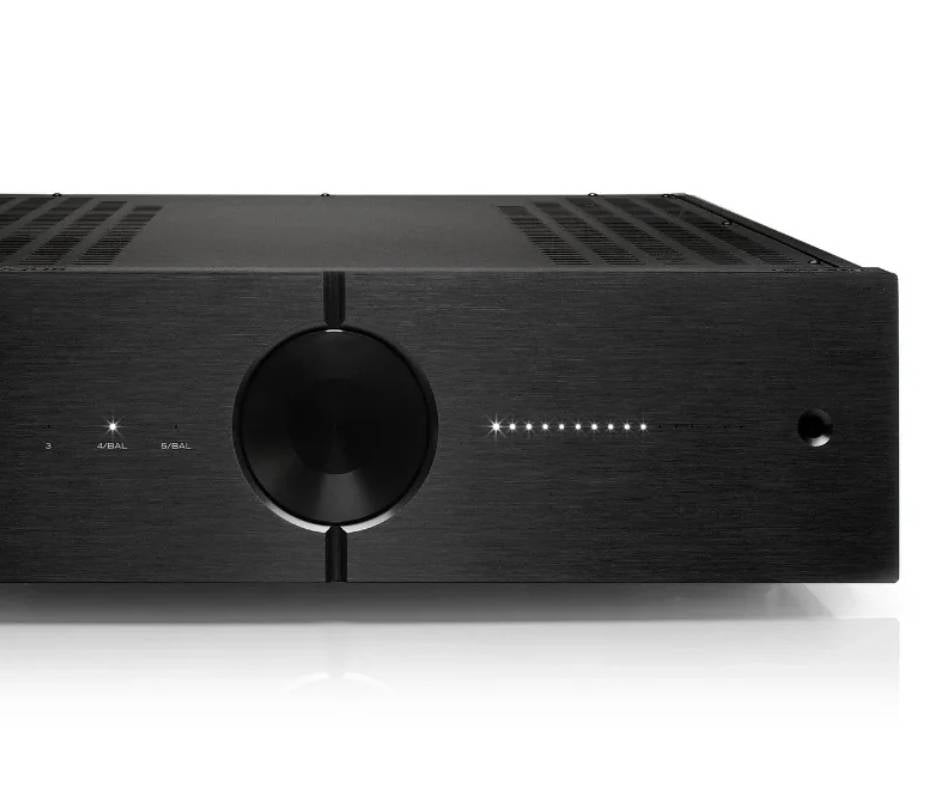
Why Your Turntable Needs Proper RIAA Equalisation
What Is RIAA Equalisation? RIAA equalisation is the corrective frequency curve a phono preamplifier applies to restore a vinyl record's original tonal balance. Why Does Vinyl Need It? Cutting a re...