Speaker Cables for Amplifier-to-Speaker Connections
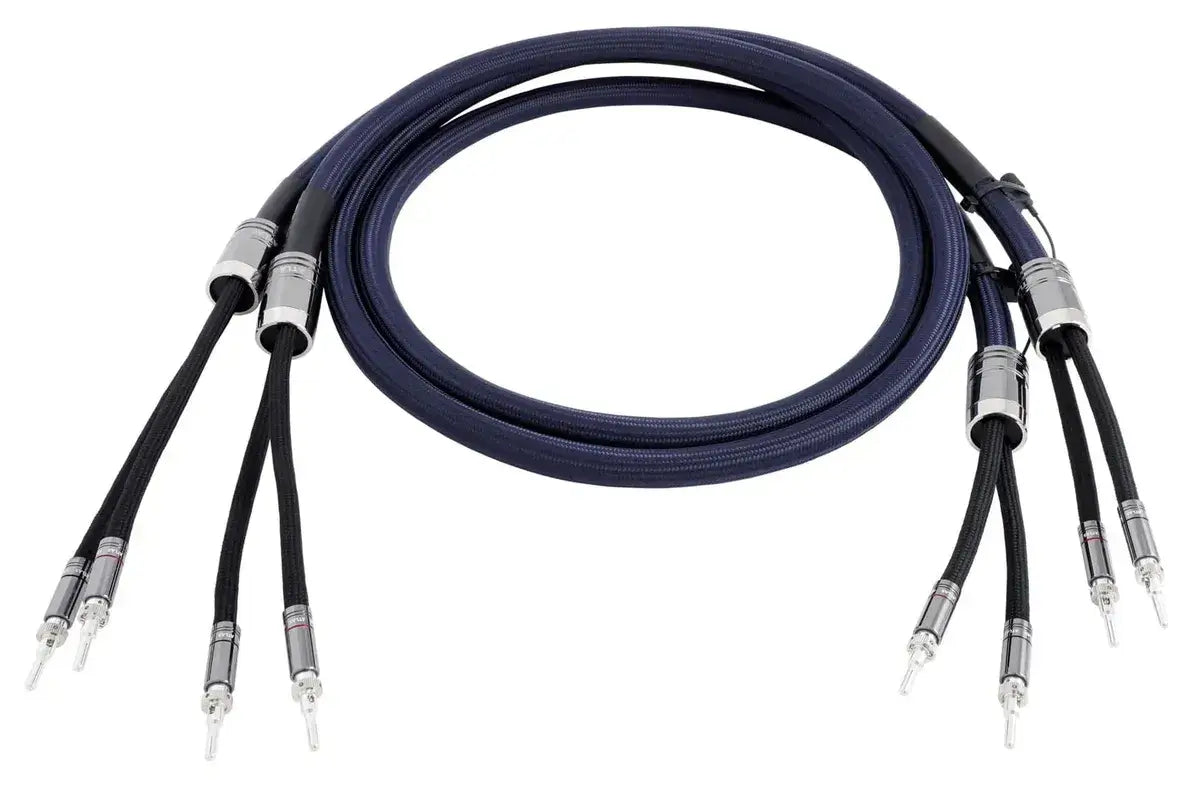
Speaker cables connect power amplifiers directly to passive loudspeakers. After the signal leaves the amplifier’s output stage, the speaker cable delivers the amplified electrical signal to the speaker drivers.
In a typical hi-fi signal chain, speaker cables form the final connection stage:
Turntable → phono preamp → amplifier → speaker cables → speakers
In vinyl playback systems, a turntable connects to a phono preamp using RCA interconnect cables. The phono preamp sends the signal to the amplifier, which then drives bookshelf speakers or floorstanding speakers through speaker cables.
Speaker Cables vs Audio Interconnect Cables
Speaker cables differ from audio interconnect cables because they carry speaker-level signals rather than low-level signals. Interconnect cables transmit delicate audio signals between components such as DACs, CD players and amplifiers. Speaker cables deliver high current from the amplifier output terminals directly to the speaker binding posts.
This distinction explains why speaker cables use thicker conductors and different electrical design compared with RCA interconnect cables or other analogue audio cables used earlier in the audio signal path.
Types of Speaker Cables
Speaker cables are commonly available in two configurations depending on speaker design.
Single-wire speaker cables connect one amplifier output to one set of speaker terminals. This configuration is the most common connection method for hi-fi systems.
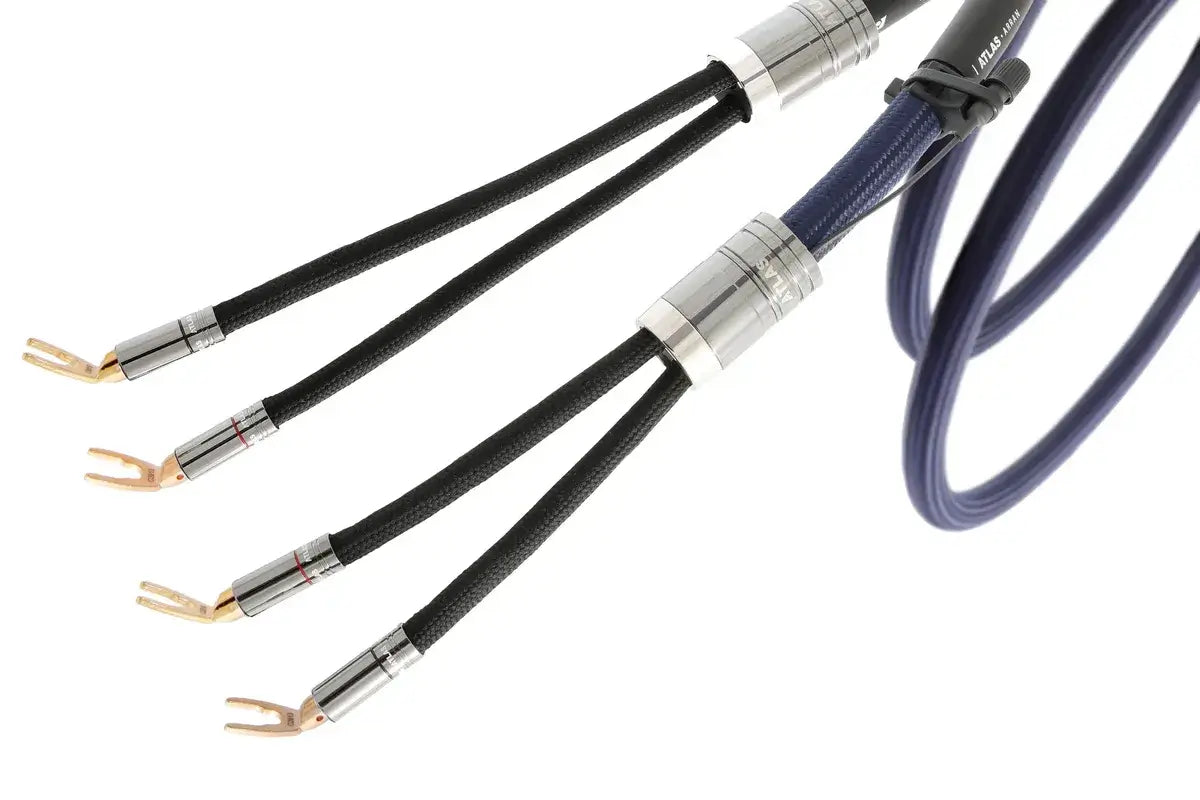
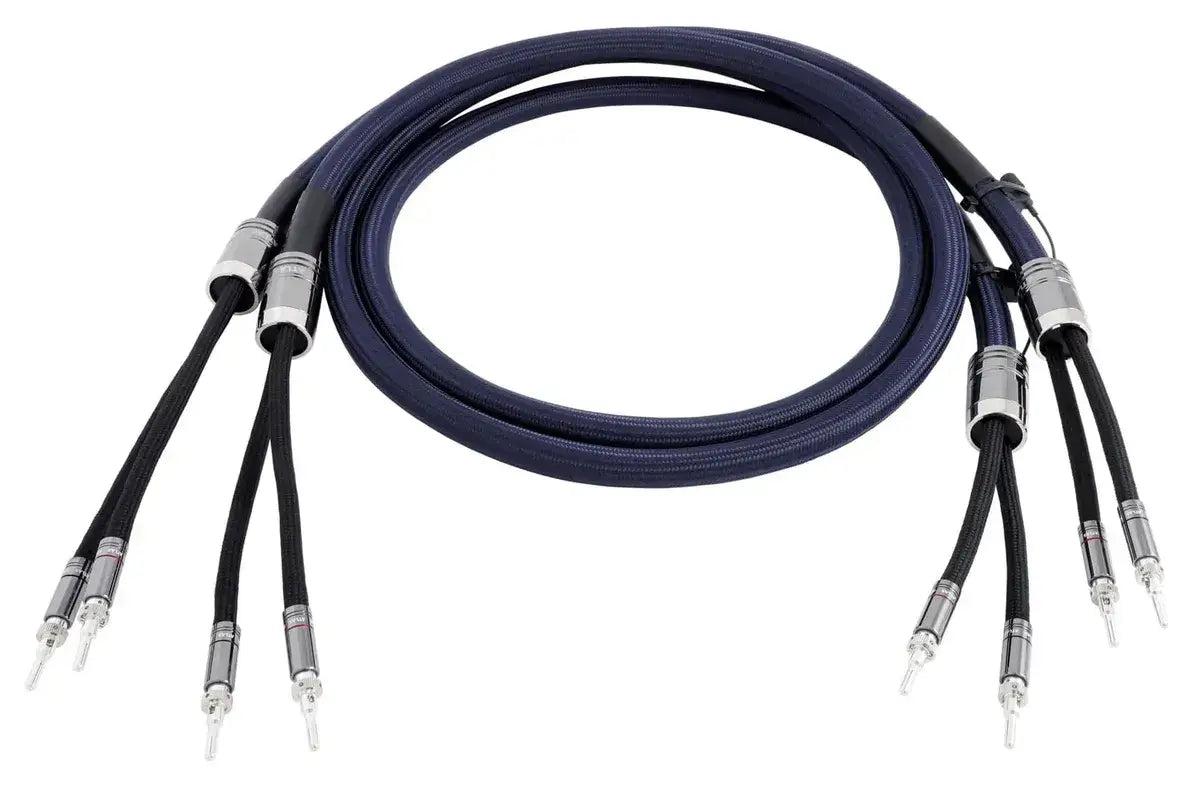
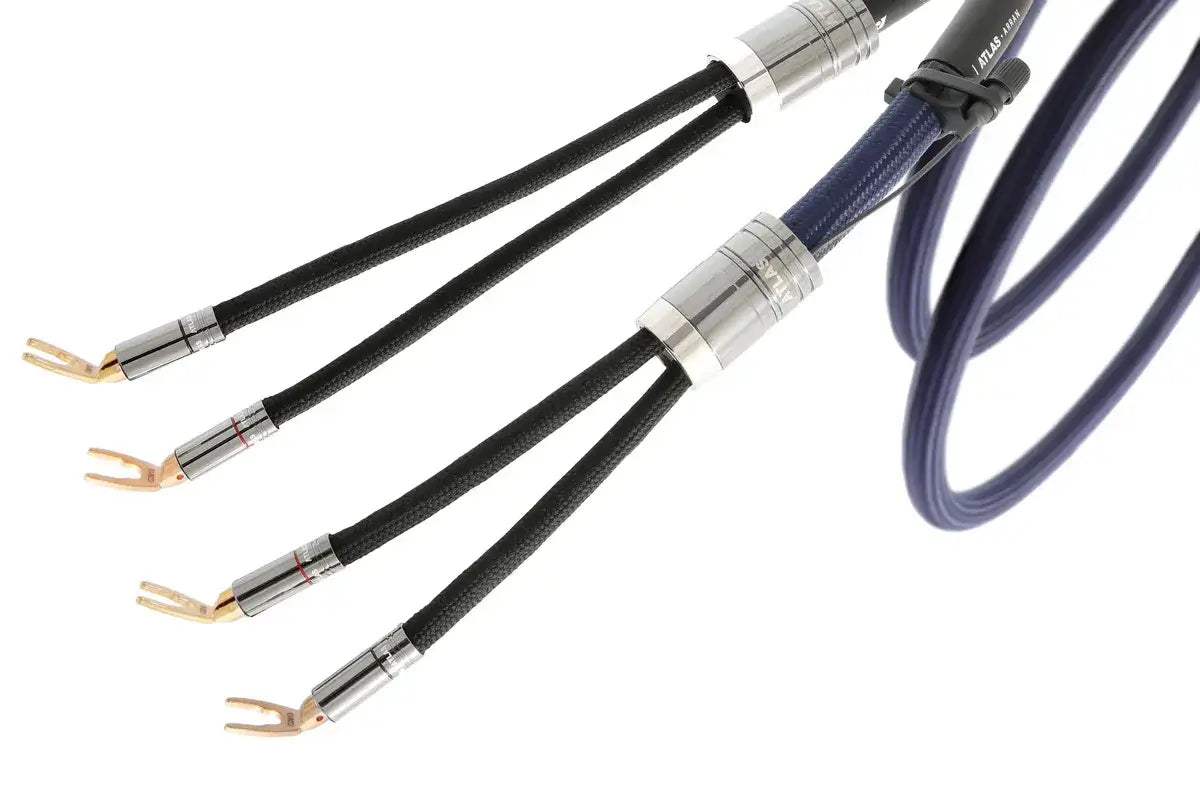
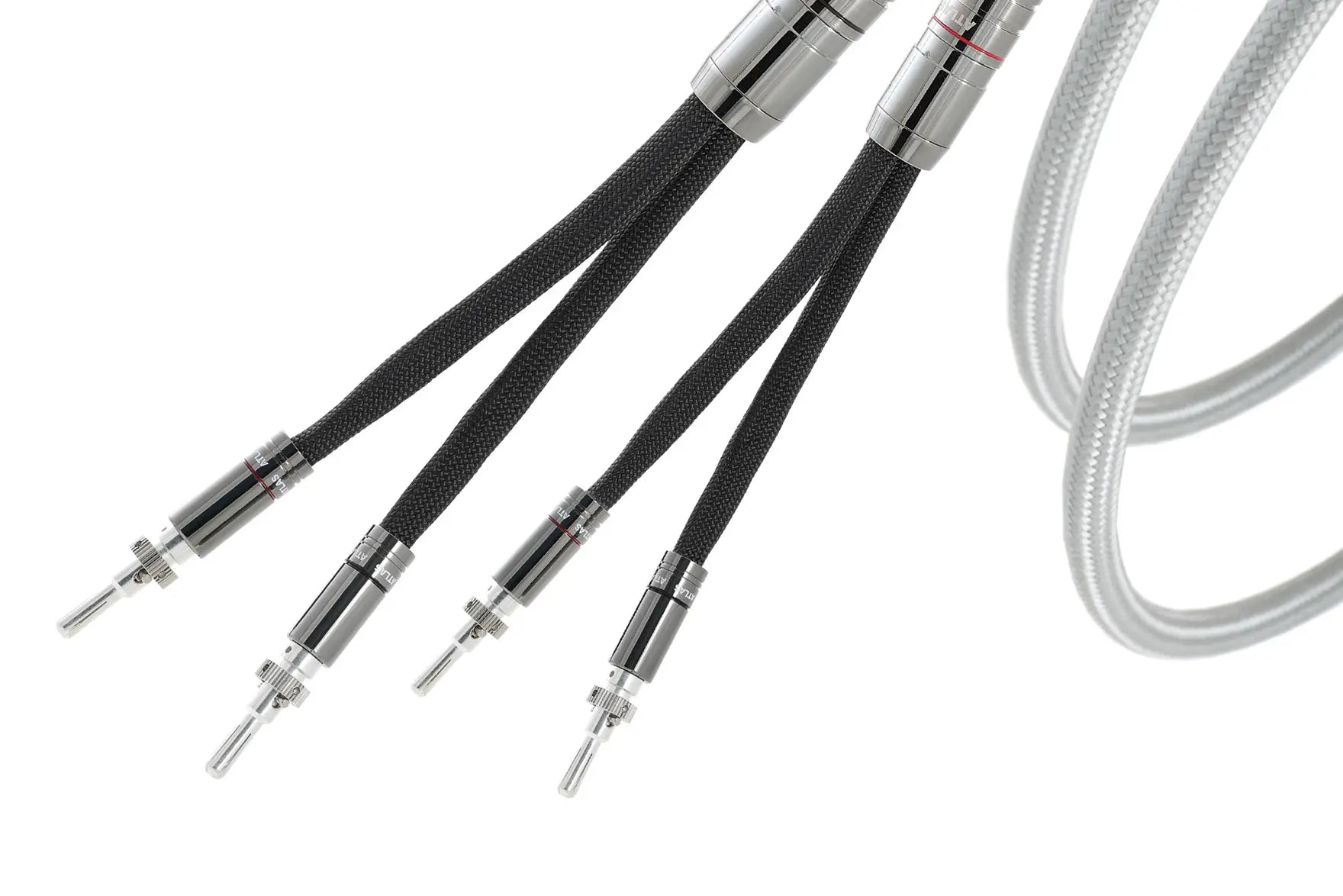
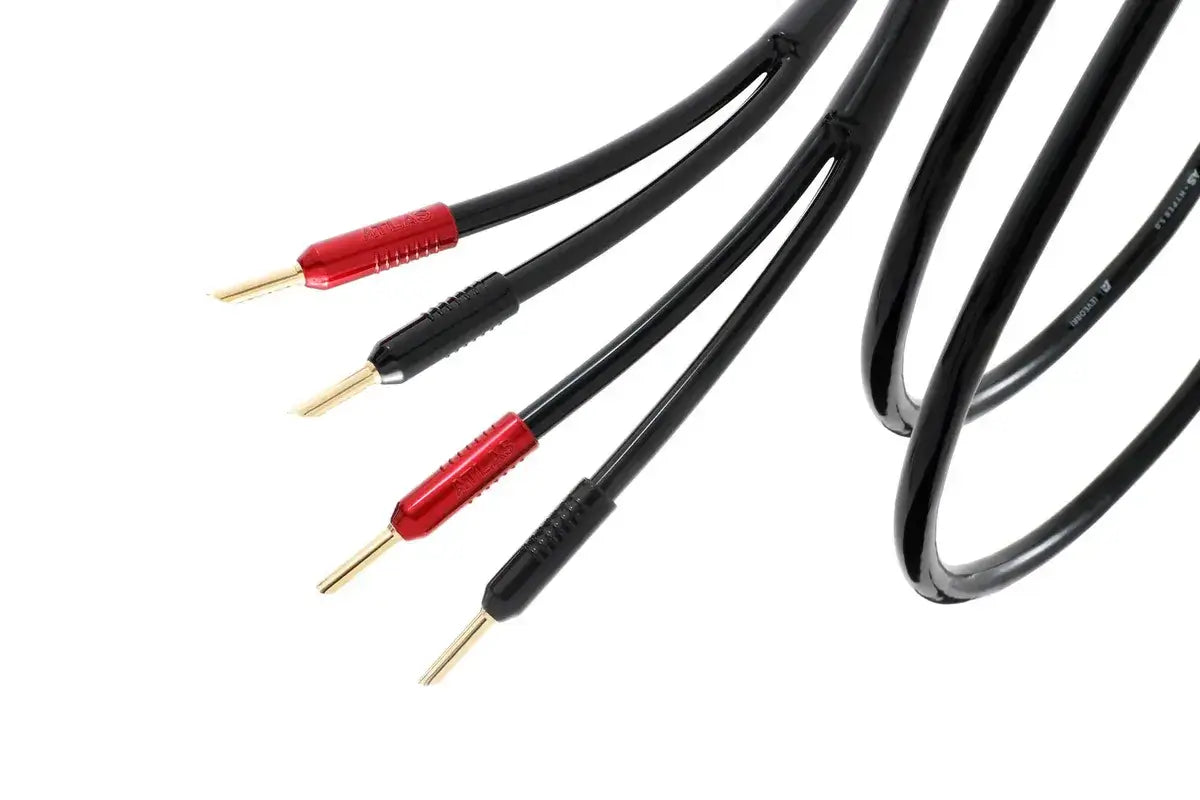
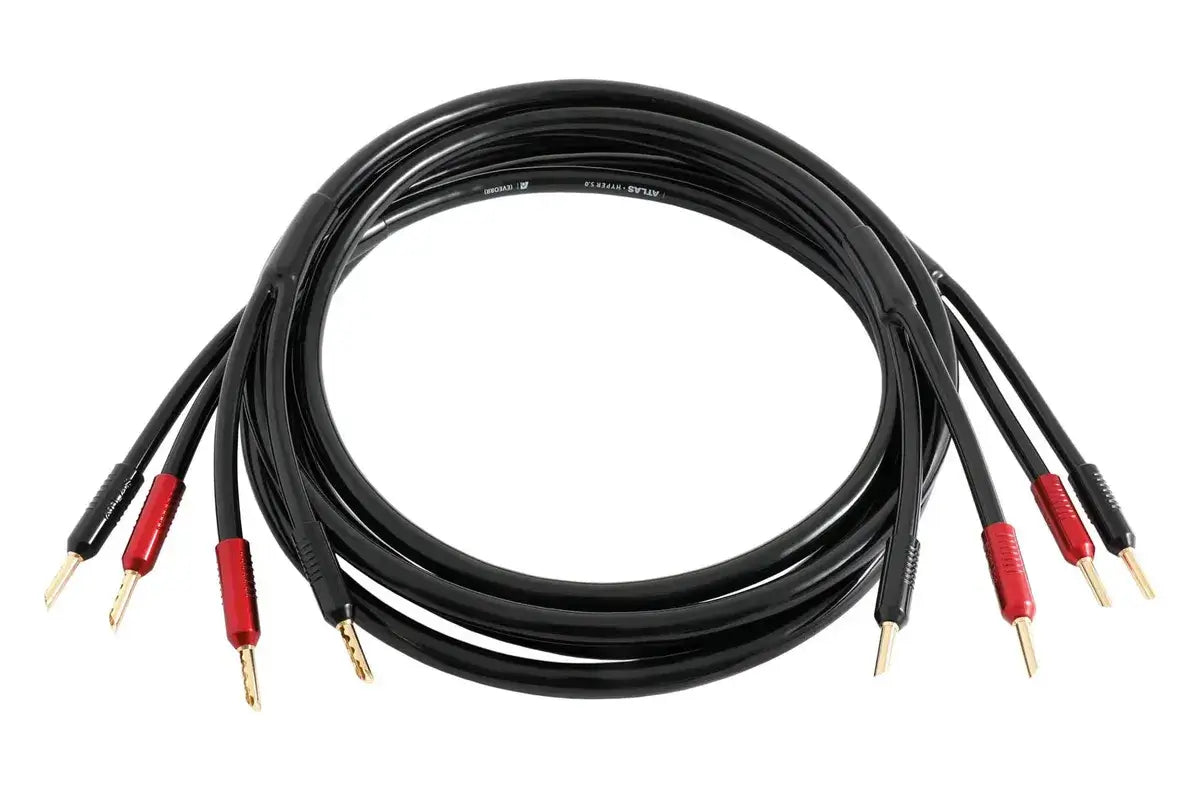
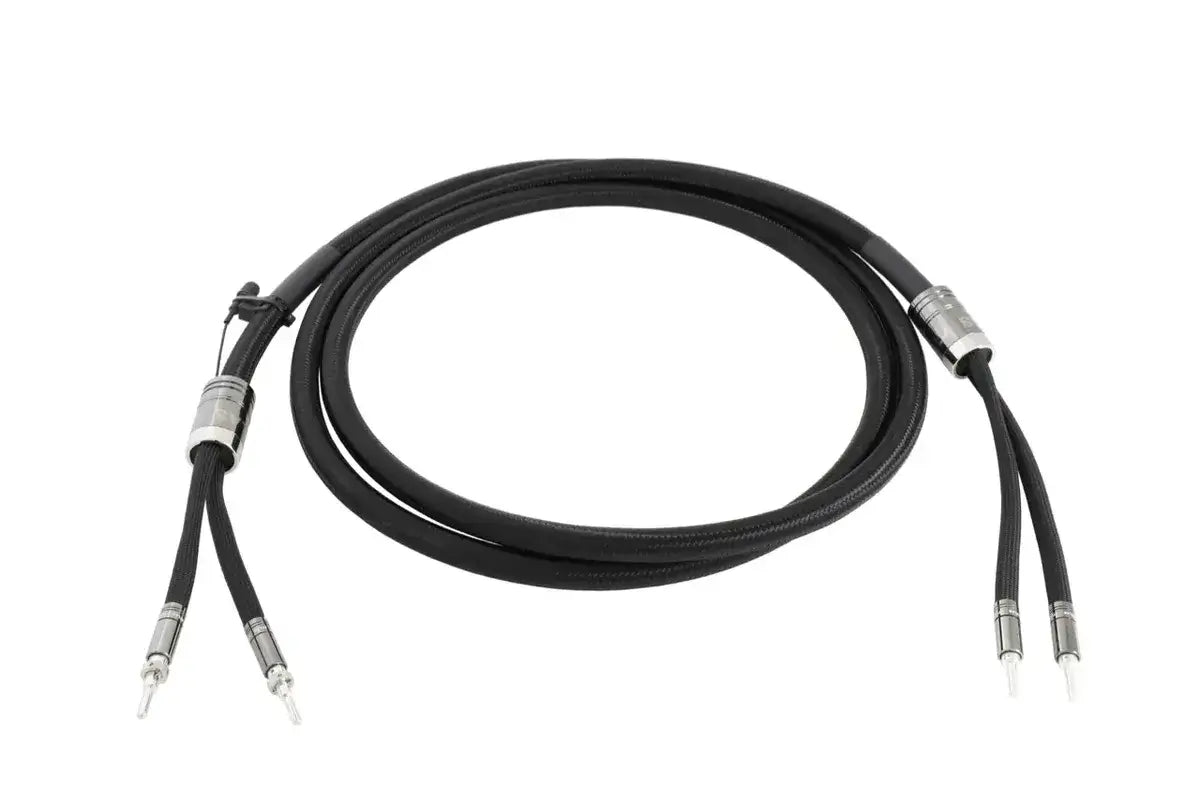
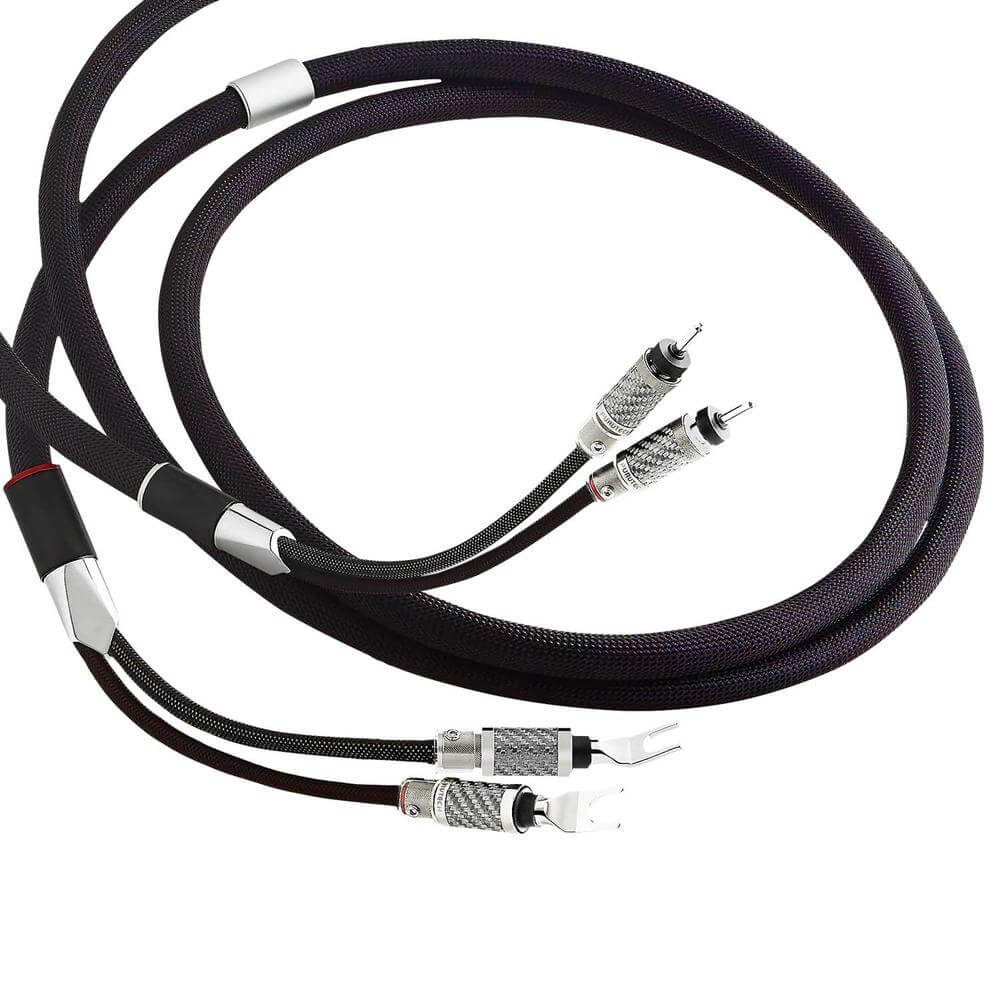
Bi-wire speaker cables separate the high-frequency and low-frequency signal paths when used with speakers that support bi-wire terminals. In these systems, two separate cable paths connect the amplifier to the speaker crossover network.
Choosing between single-wire and bi-wire cables depends on the loudspeaker design and amplifier connection options rather than cable preference alone.
Key Features to Consider
Several construction features influence how effectively a speaker cable transfers power from amplifier to speaker.
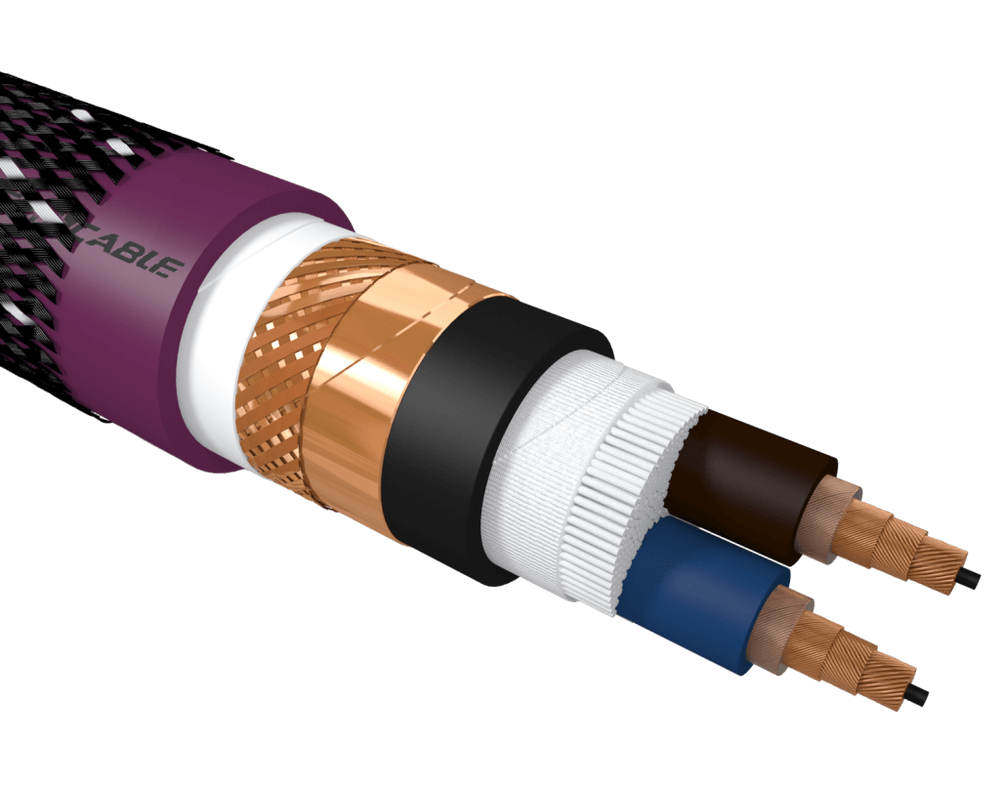
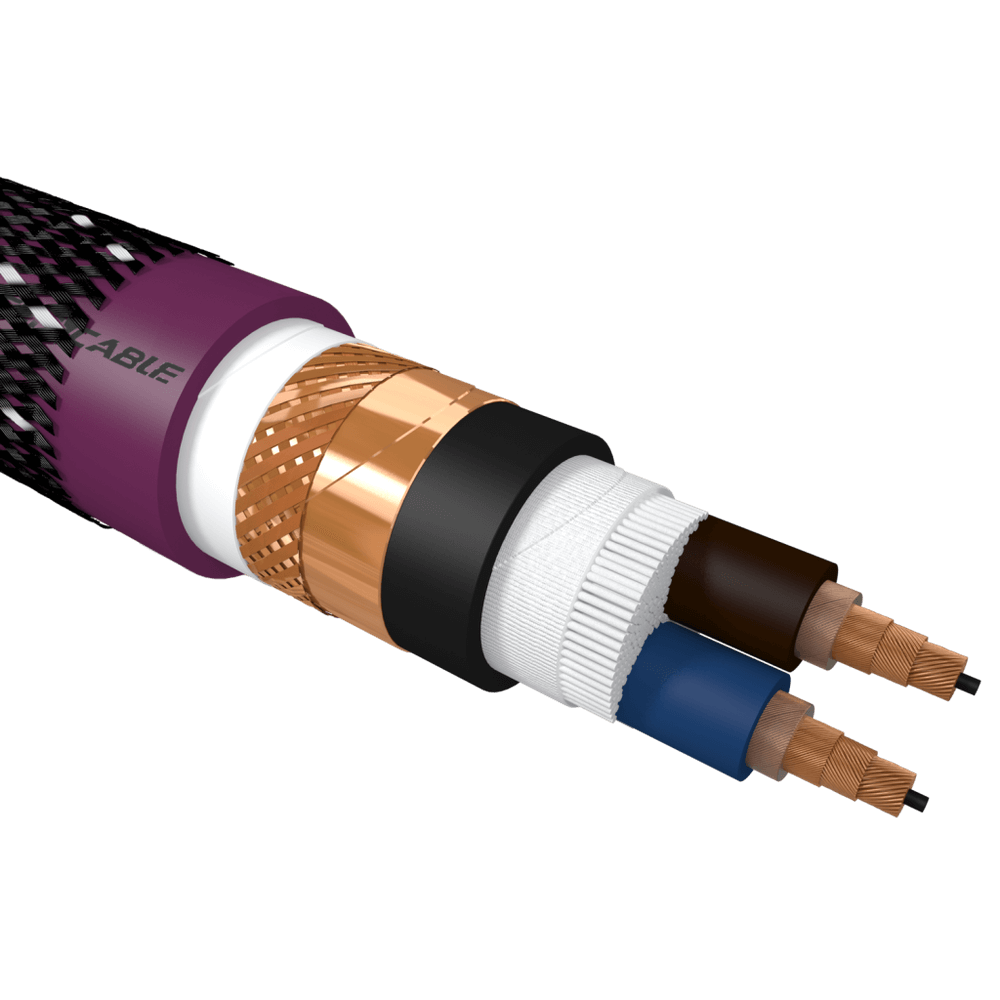
Cable gauge determines how efficiently current flows through the cable. Thicker conductors with lower resistance provide better power delivery, particularly over longer cable runs or with low-impedance speakers.
Cable length affects resistance and signal stability. Keeping cable runs as short as practical helps maintain amplifier control over the loudspeaker drivers.
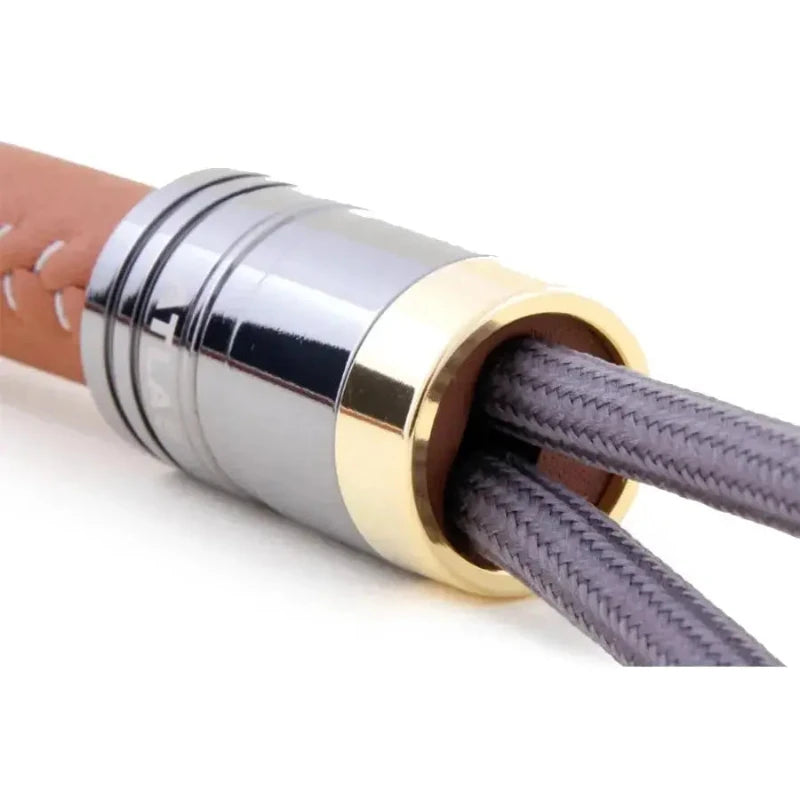
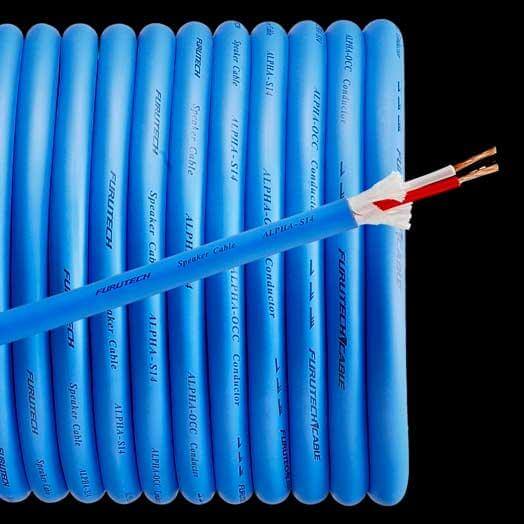
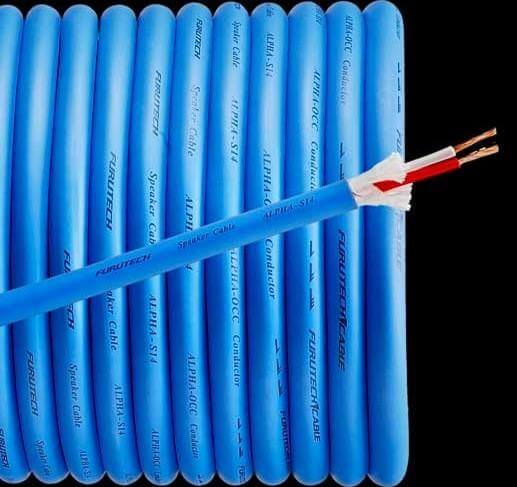
Conductor material influences electrical conductivity. Oxygen-free copper provides reliable signal transfer, while high-purity copper or OCC conductors are often used in audiophile speaker cables for improved signal integrity.
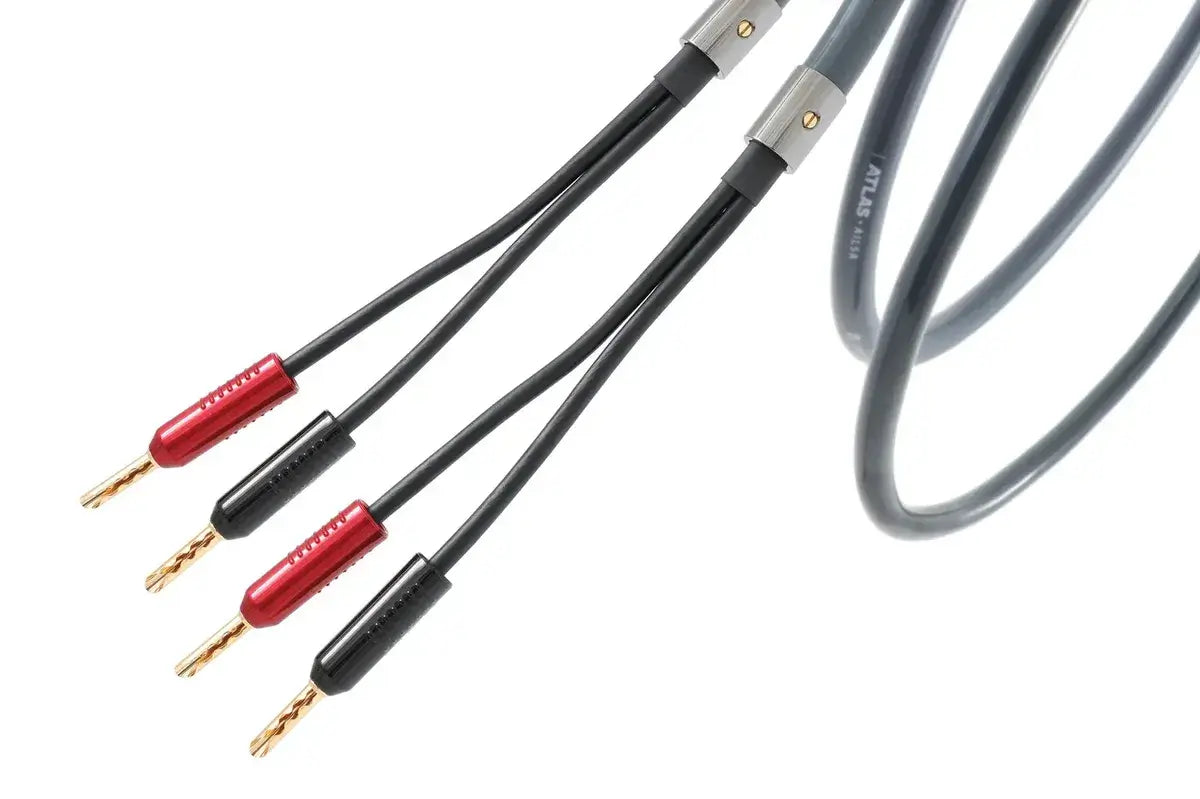
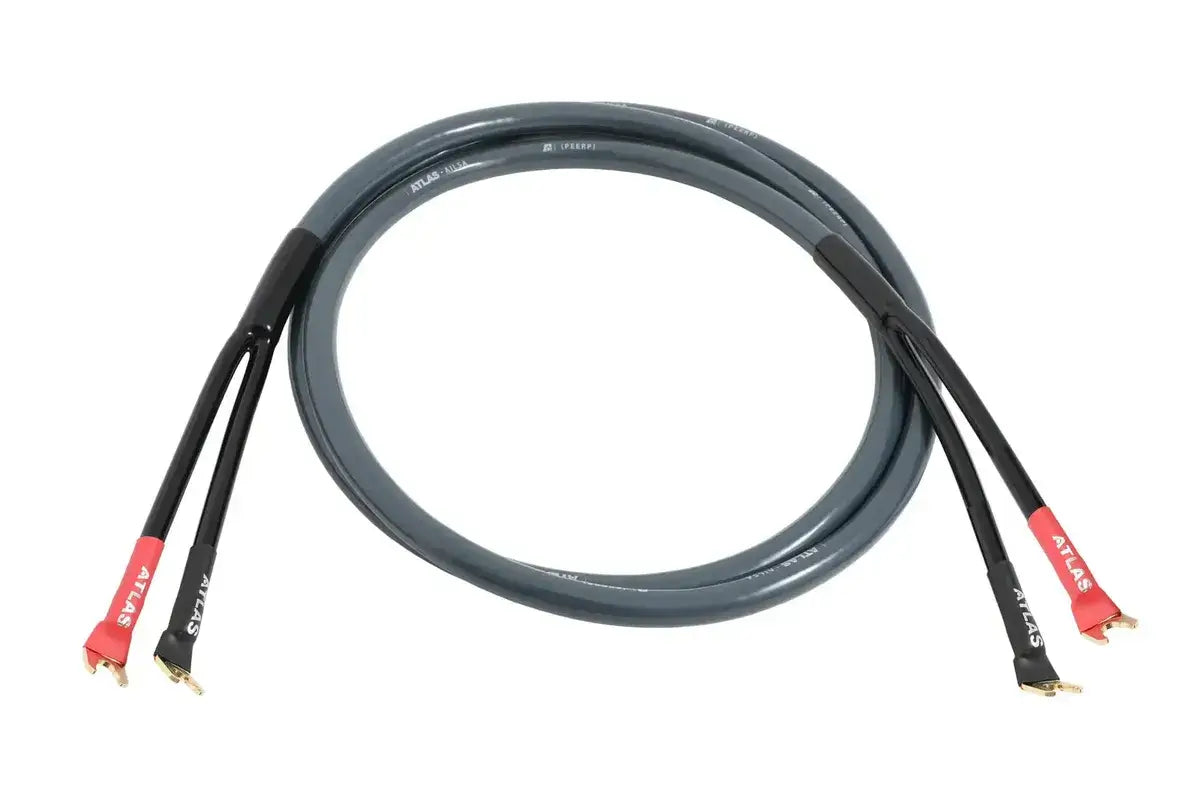
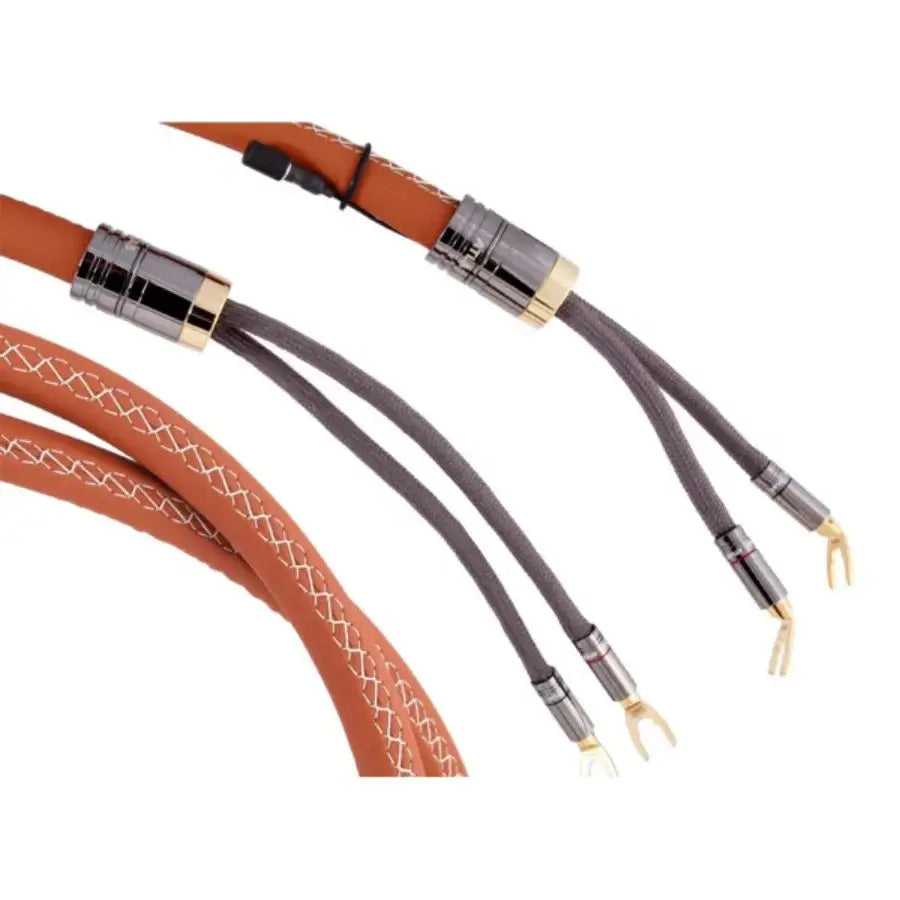
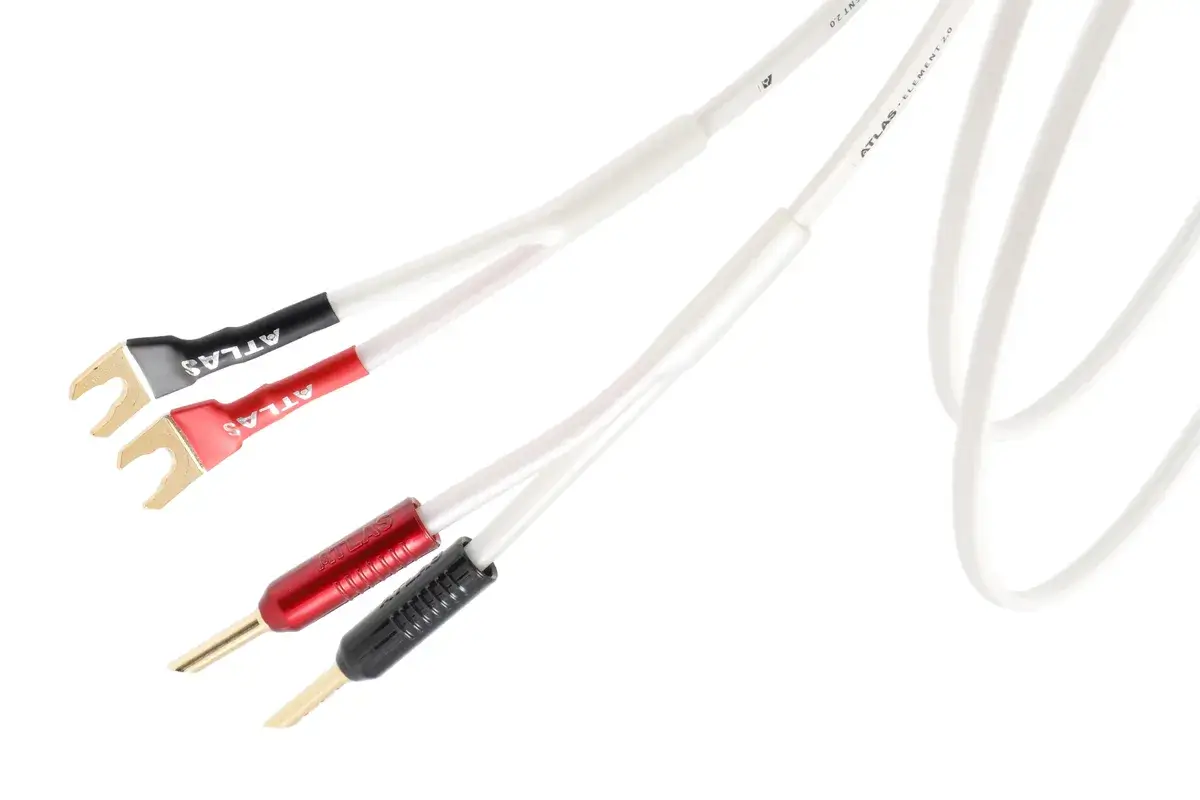
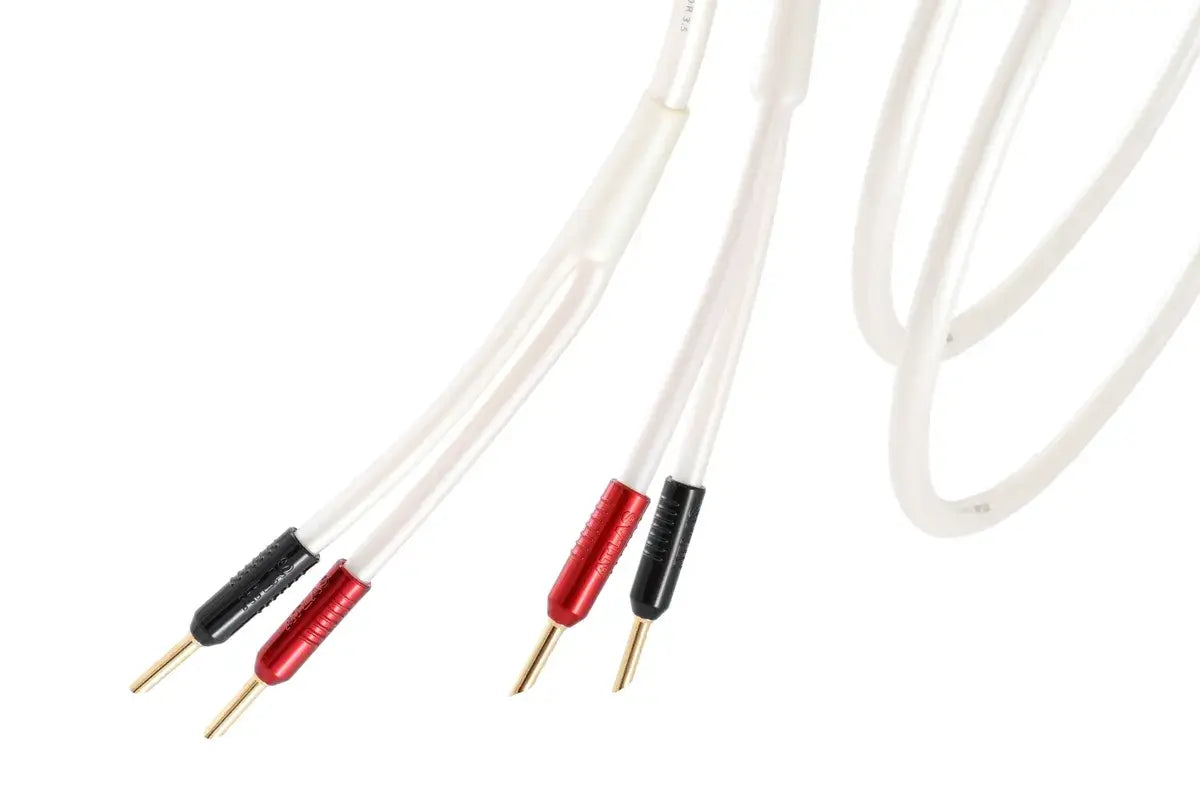
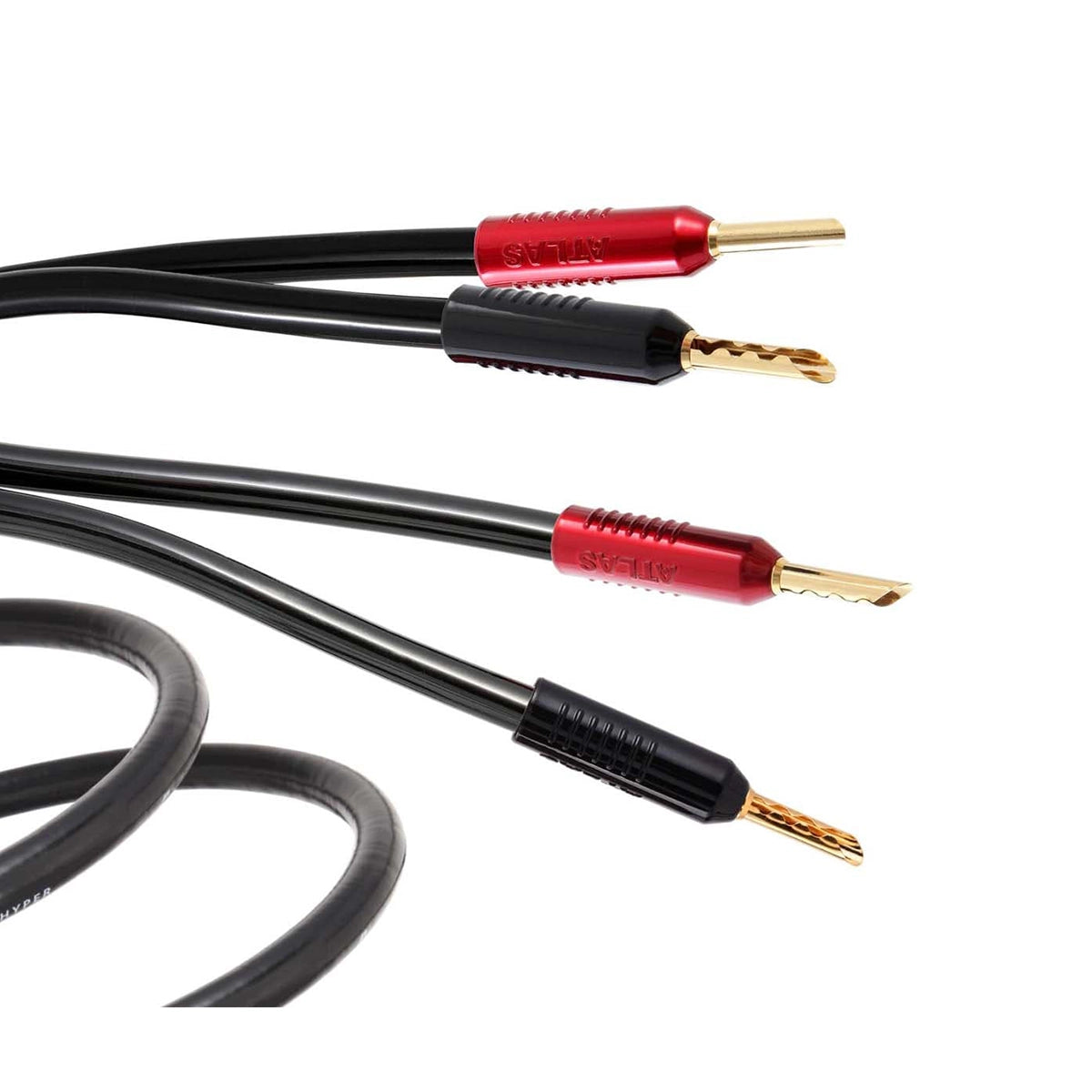
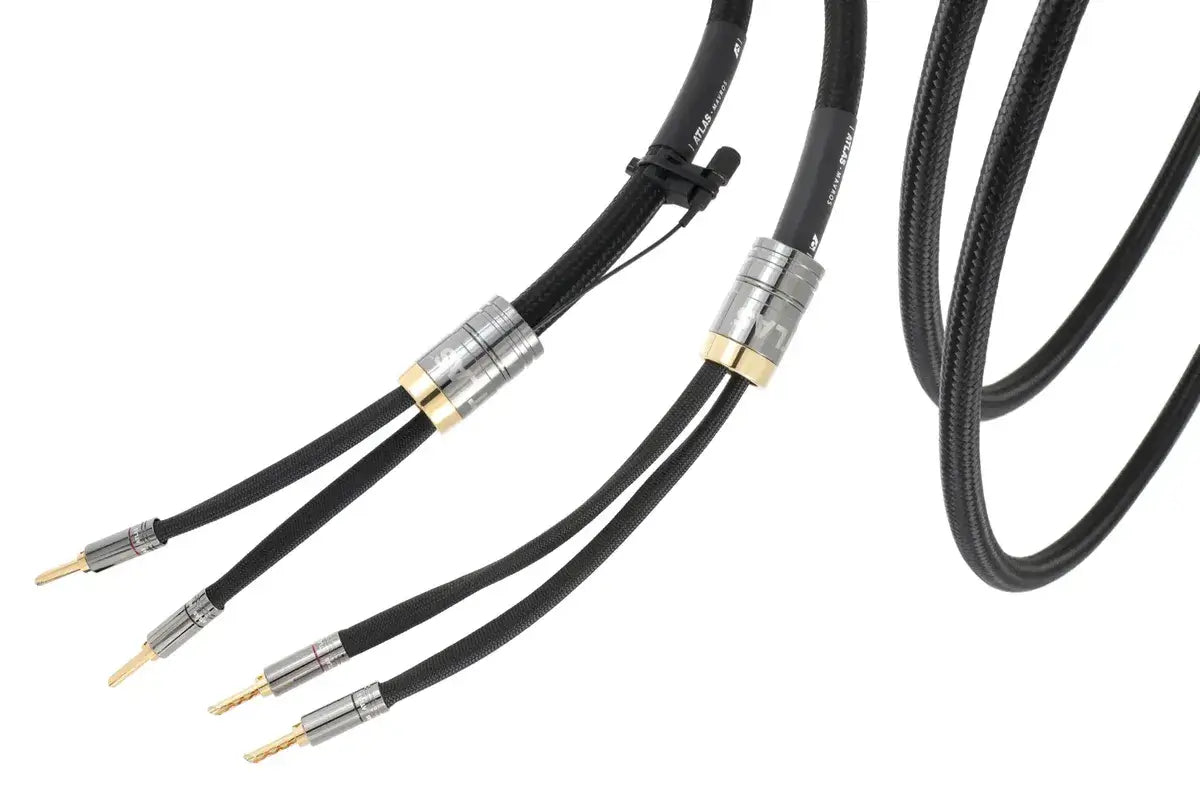
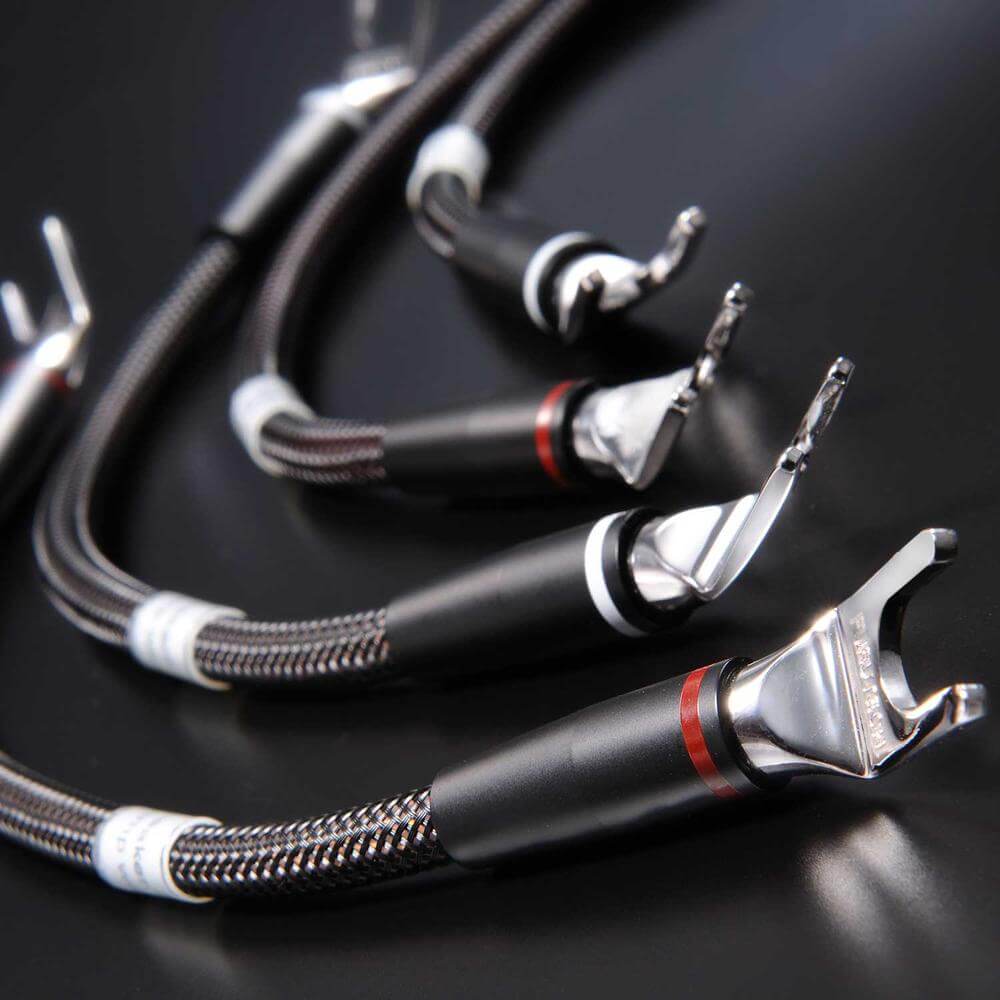
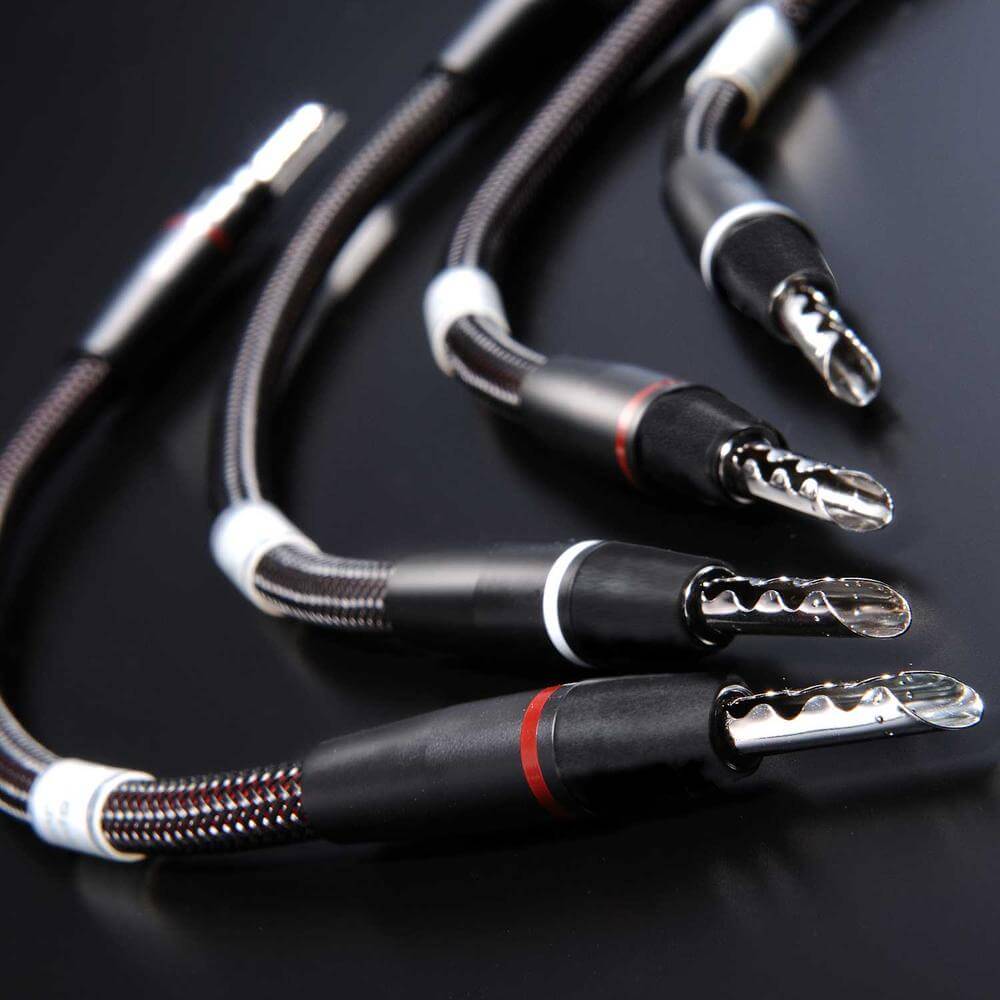
Termination type affects connection stability. Speaker cables commonly use banana plugs, spade connectors or bare wire connections to secure the cable to amplifier and speaker terminals.
Choosing the Right Speaker Cable
Selecting the correct speaker cable depends on amplifier power, speaker impedance, cable length and termination requirements.
Systems with powerful amplifiers or demanding loudspeakers benefit from thicker cable gauges that reduce electrical resistance. Short cable runs improve signal stability, while high-quality terminations ensure secure contact at amplifier and speaker terminals.
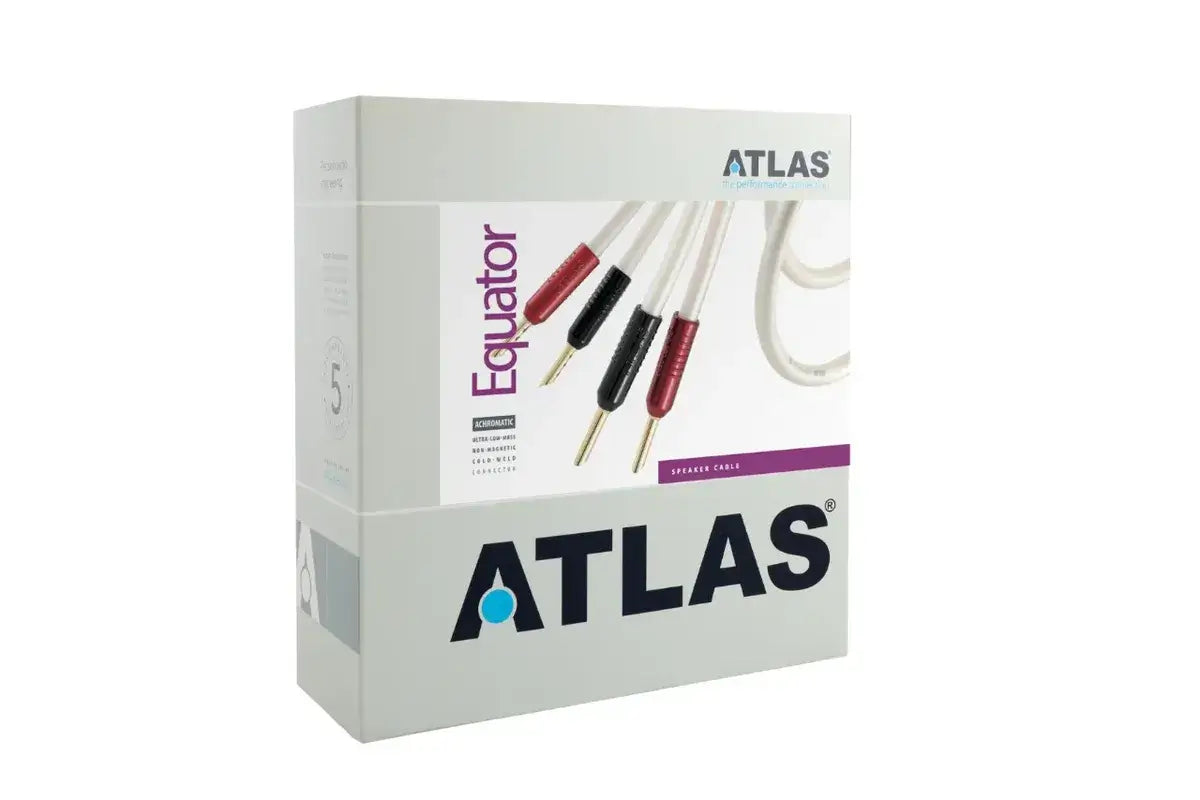
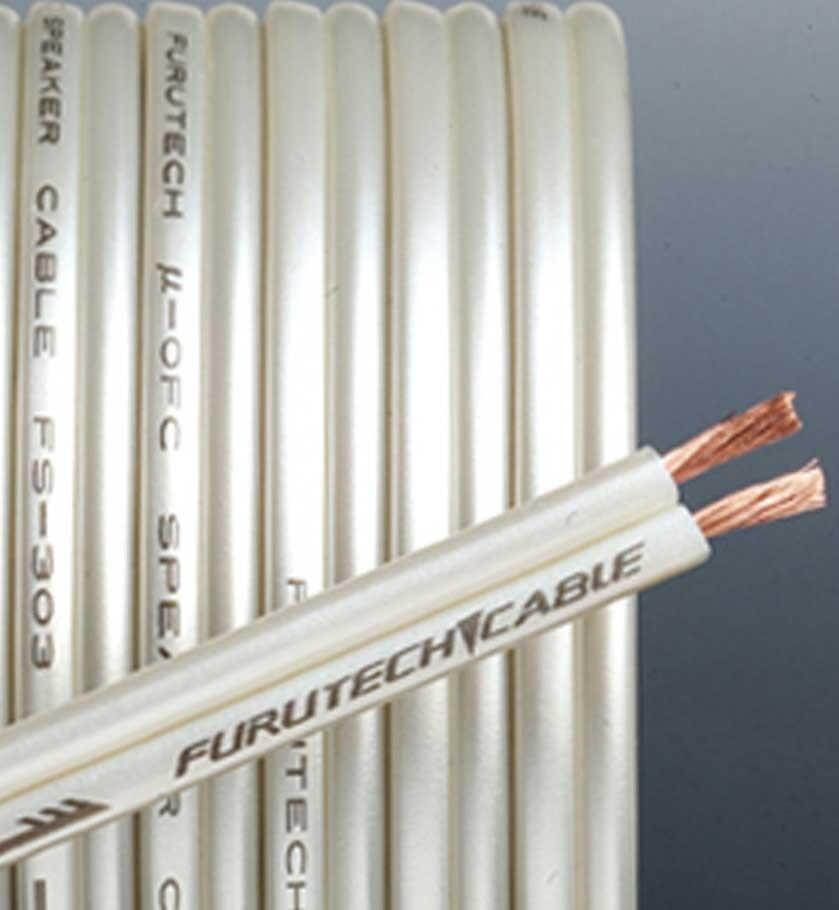
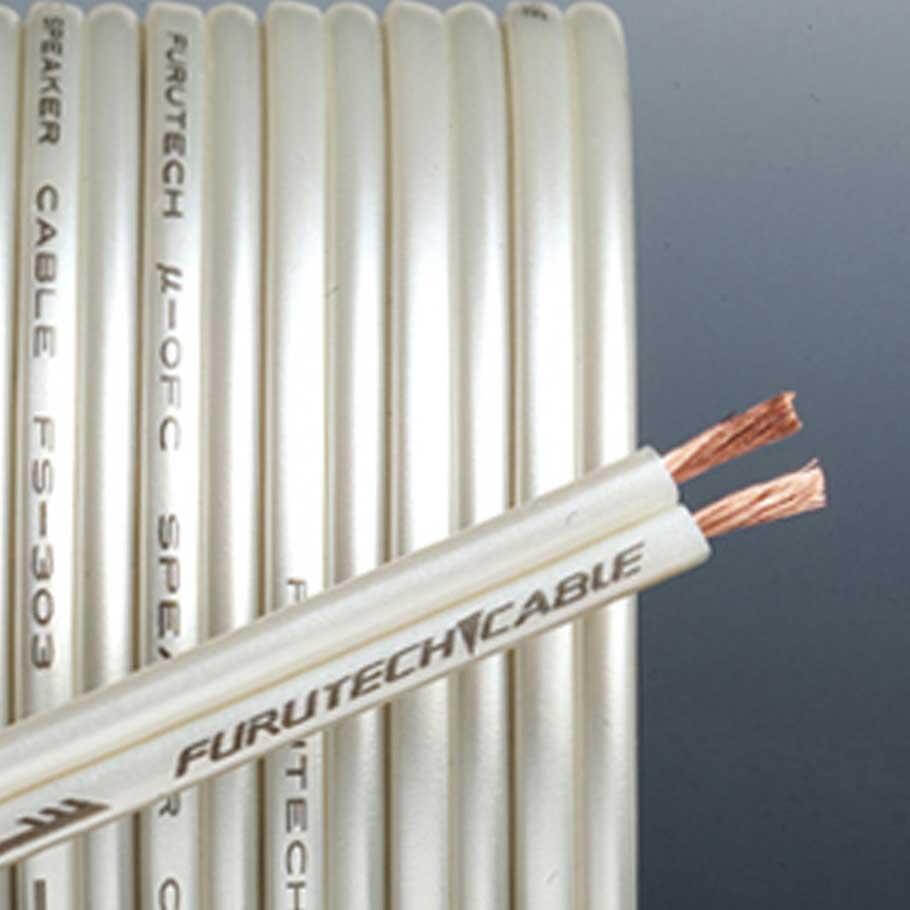
The Groove Man offers carefully selected speaker cables from respected hi-fi manufacturers including Atlas Cables and Furutech. These amplifier-to-speaker cables deliver reliable signal transfer and construction quality suited to high-performance hi-fi systems.