Types of Turntables
Turntables are produced in several operating configurations, each suited to different listening preferences and system setups.
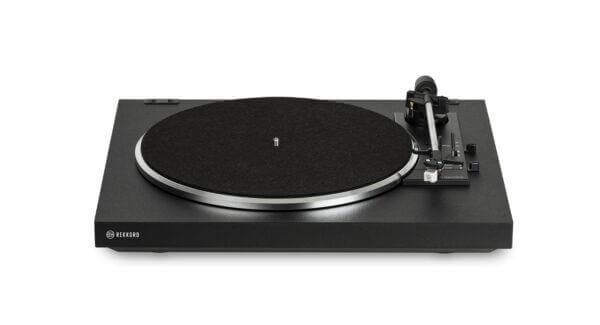
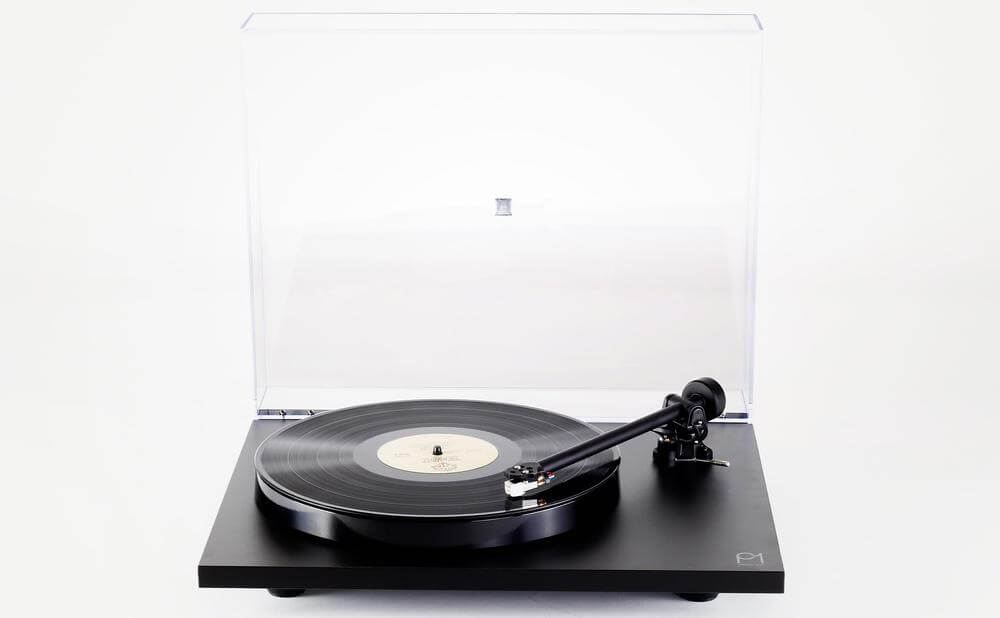
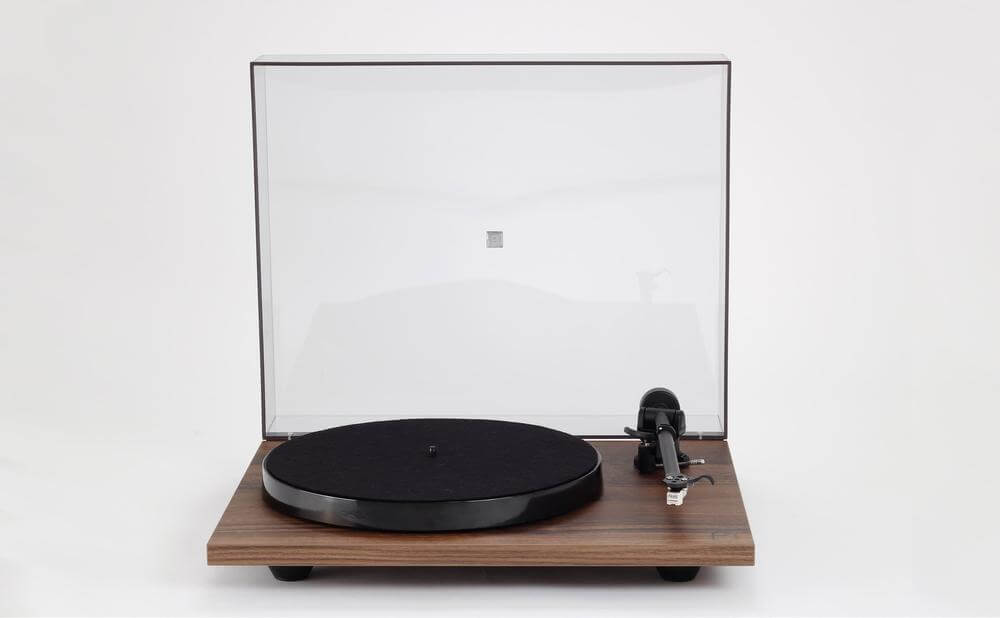
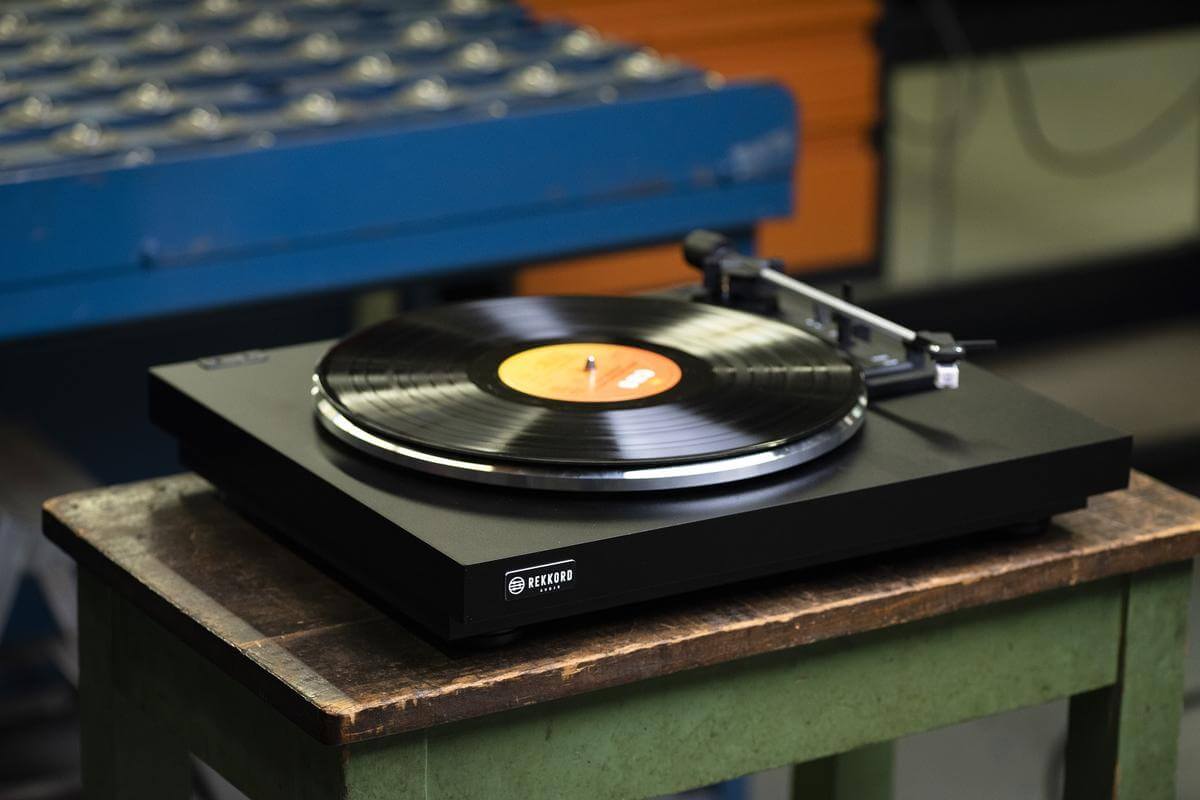
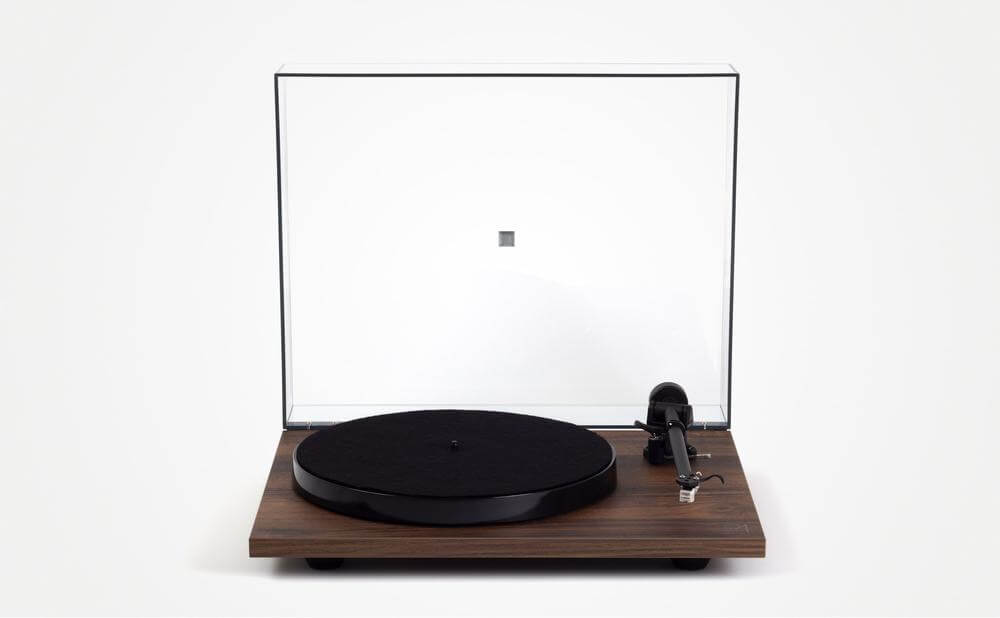
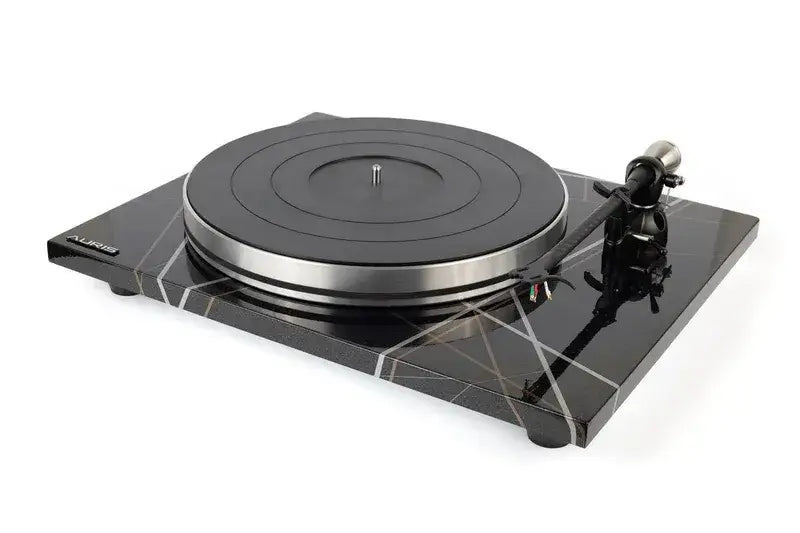
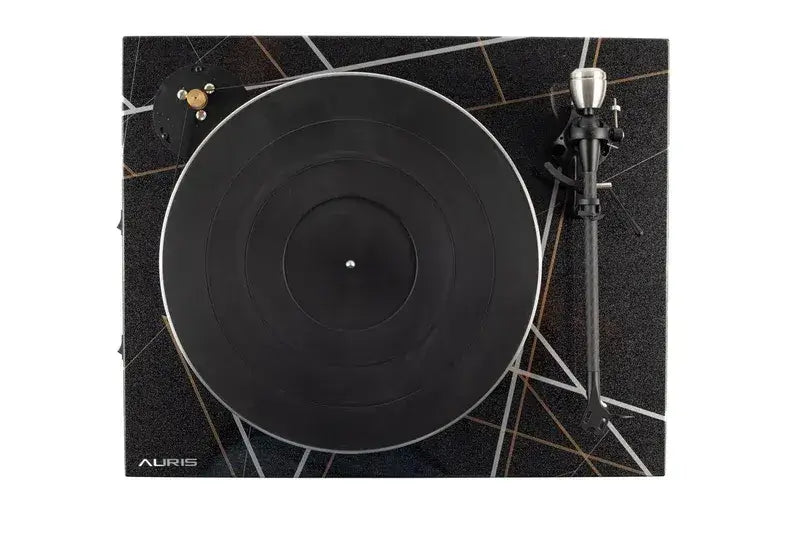
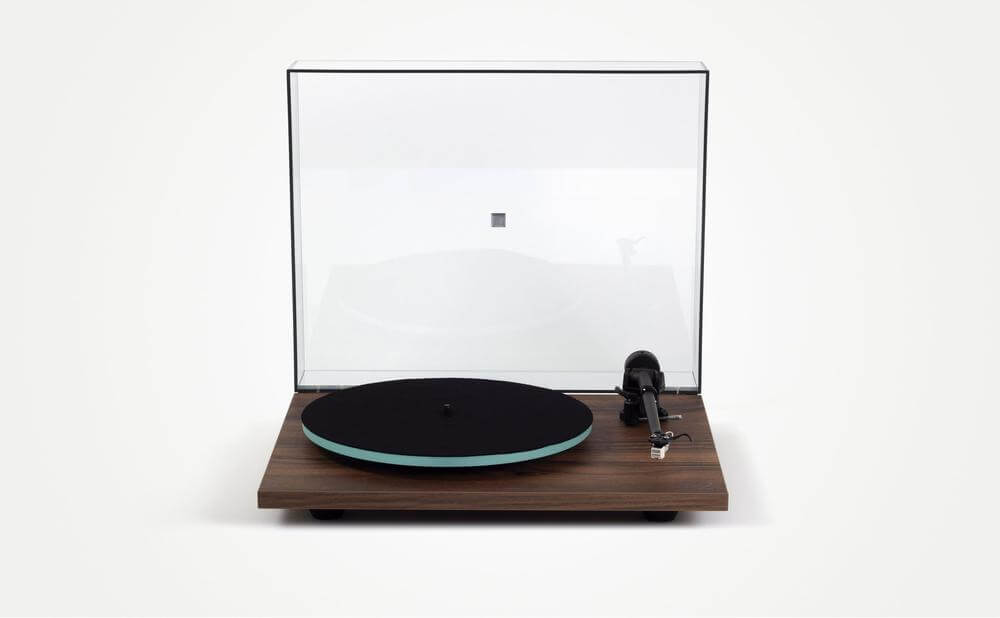
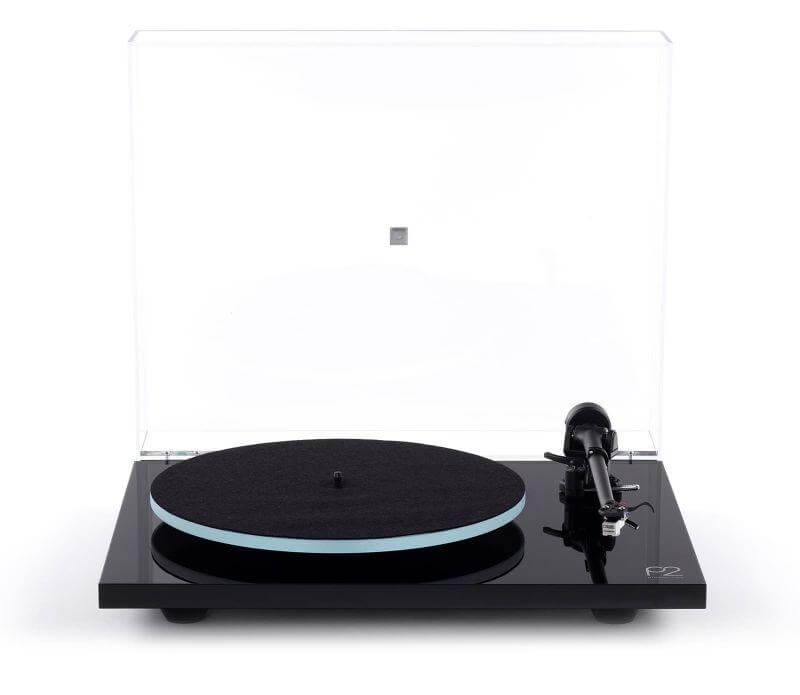
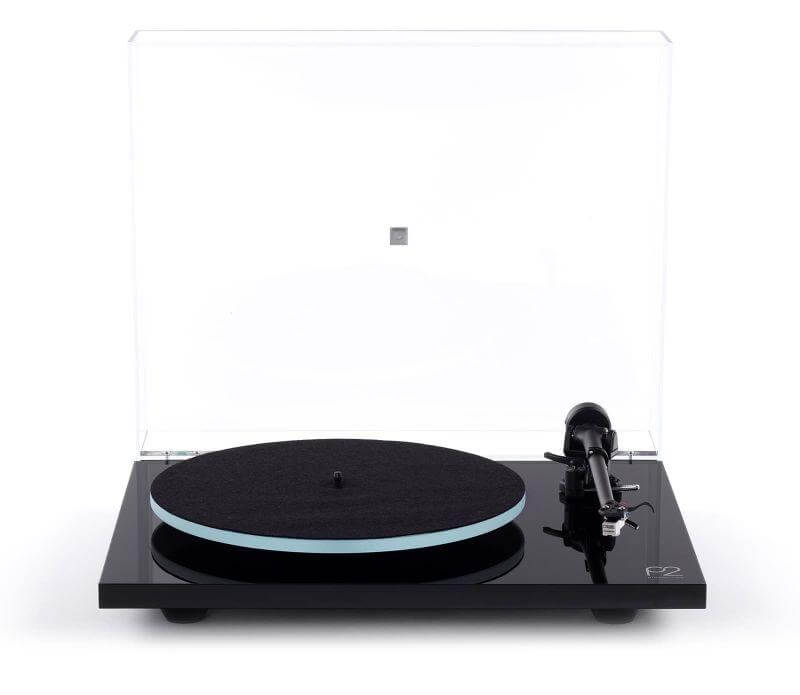
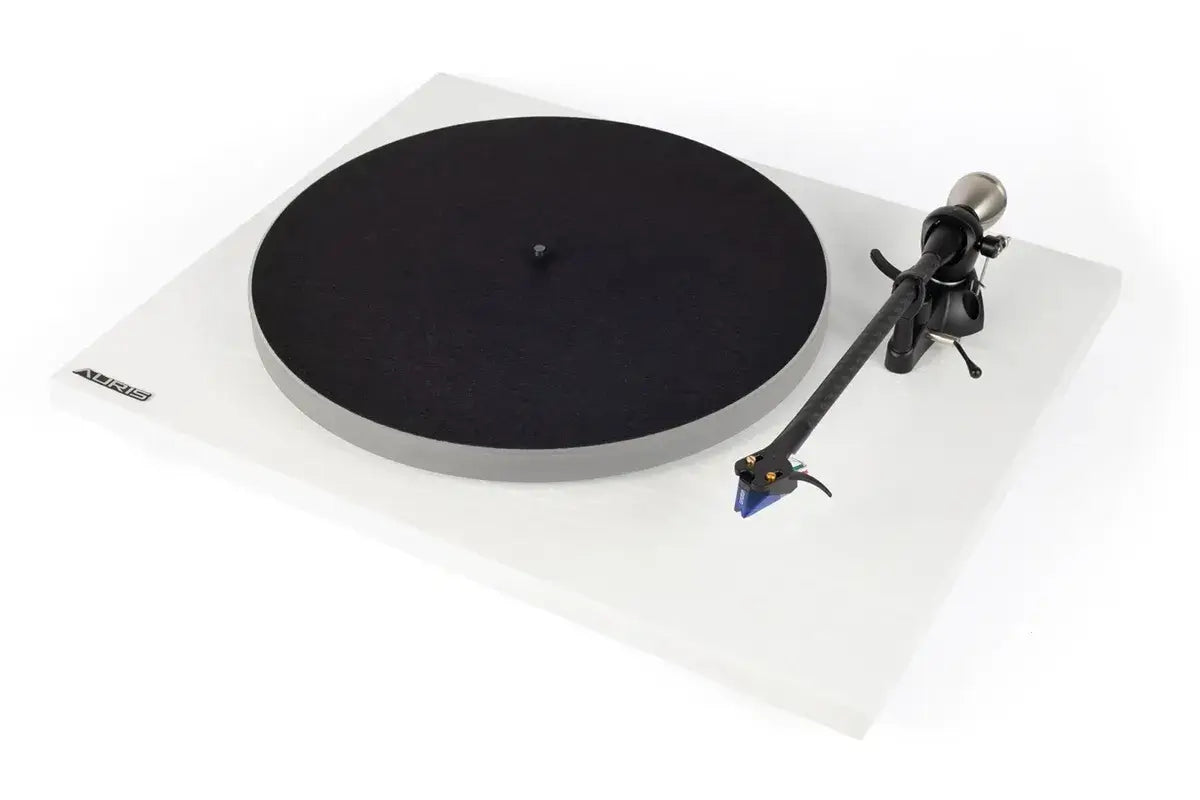
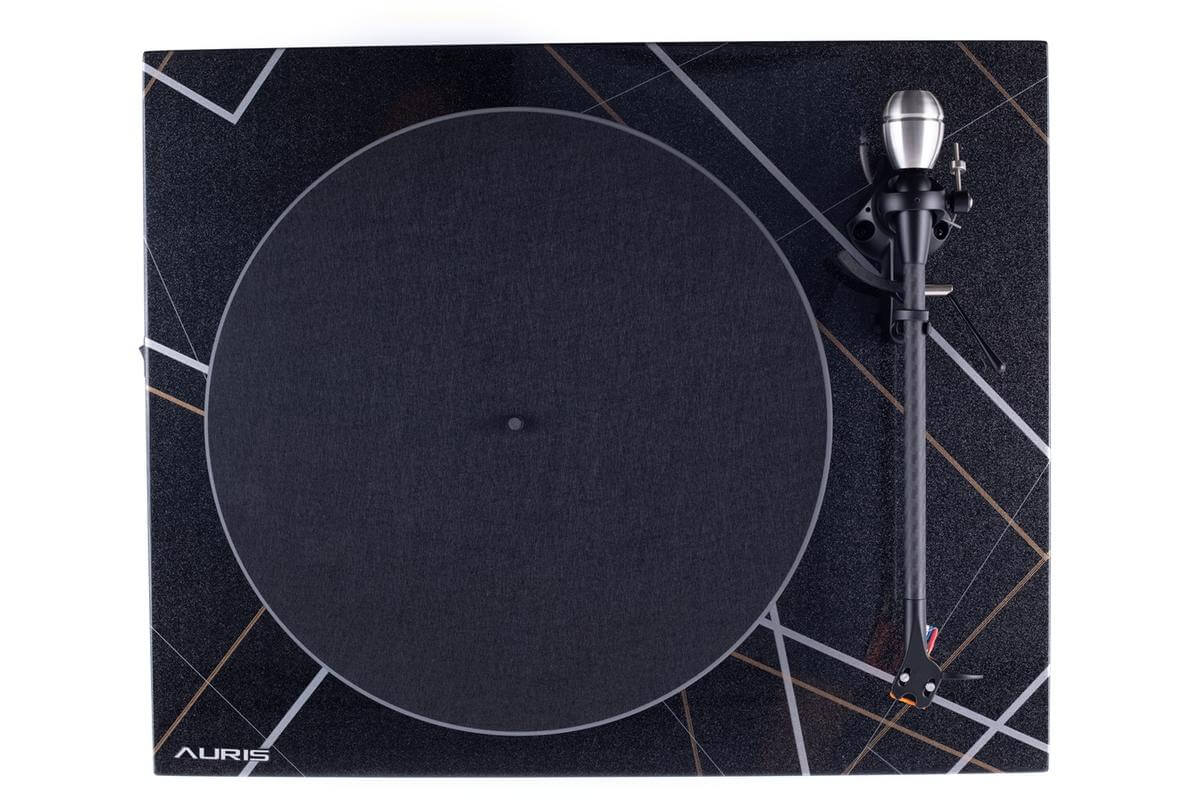
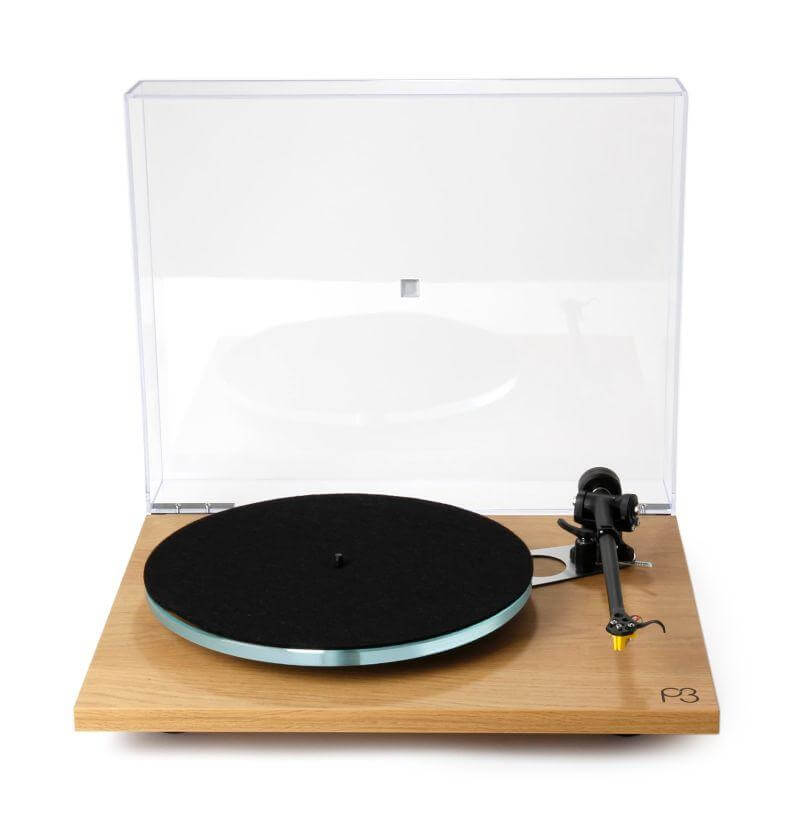
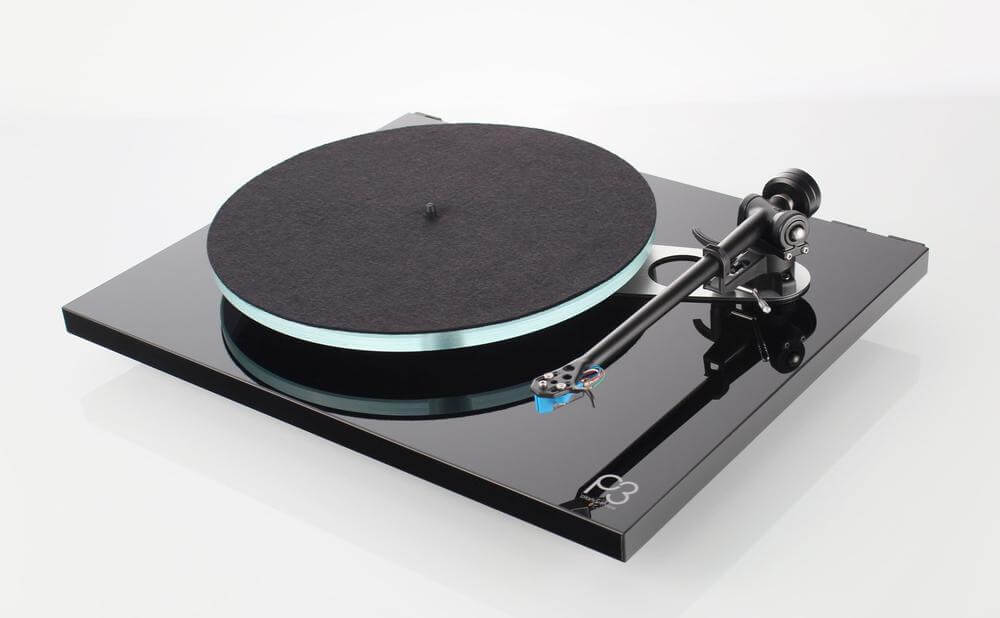
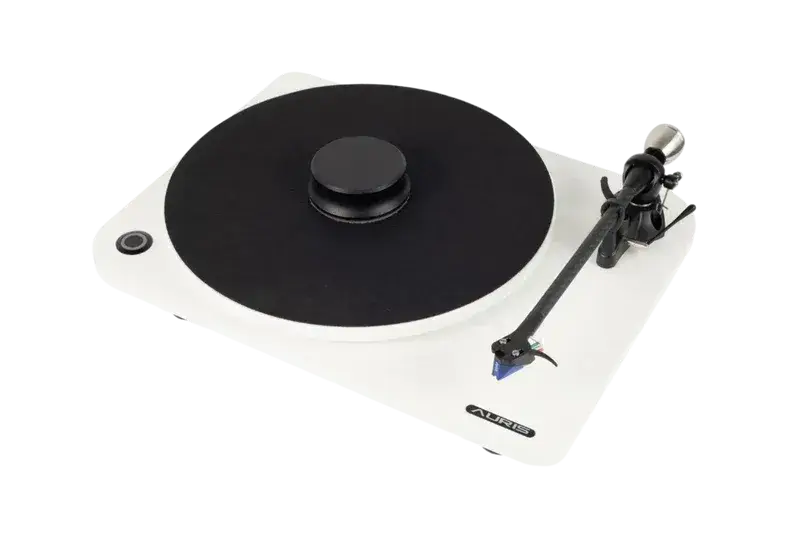
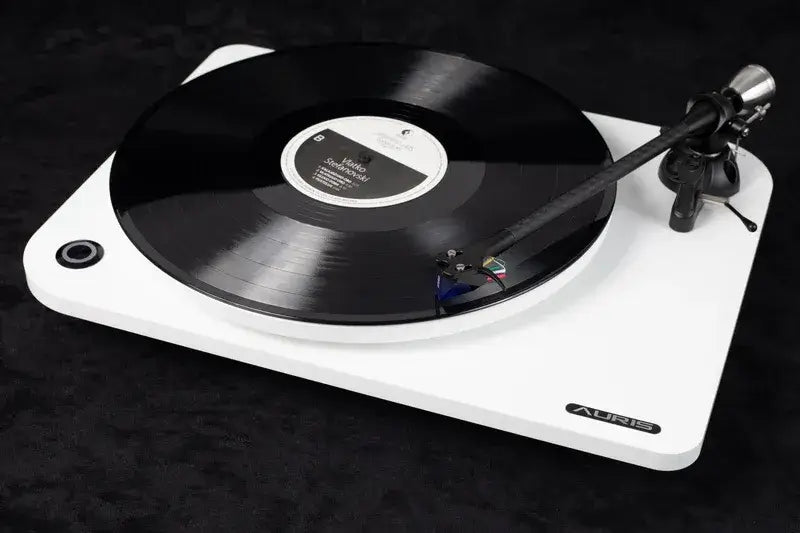
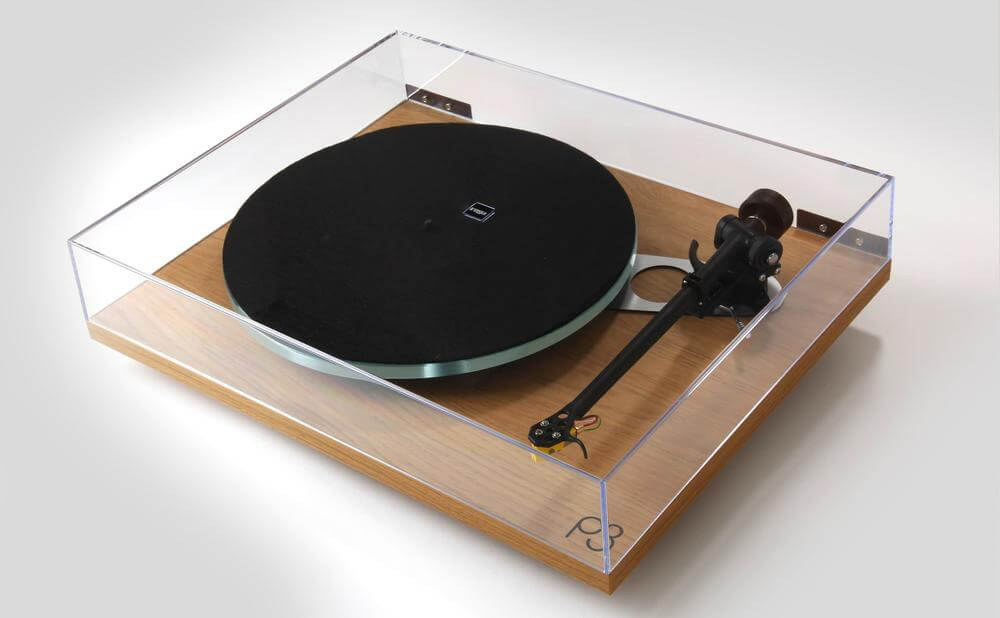
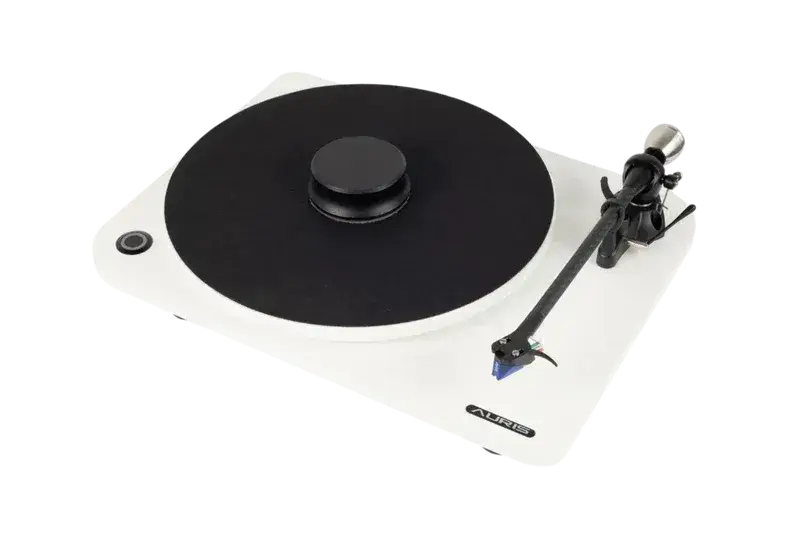
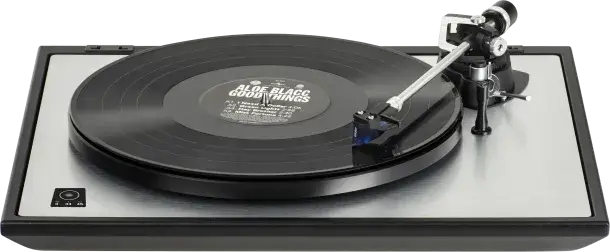
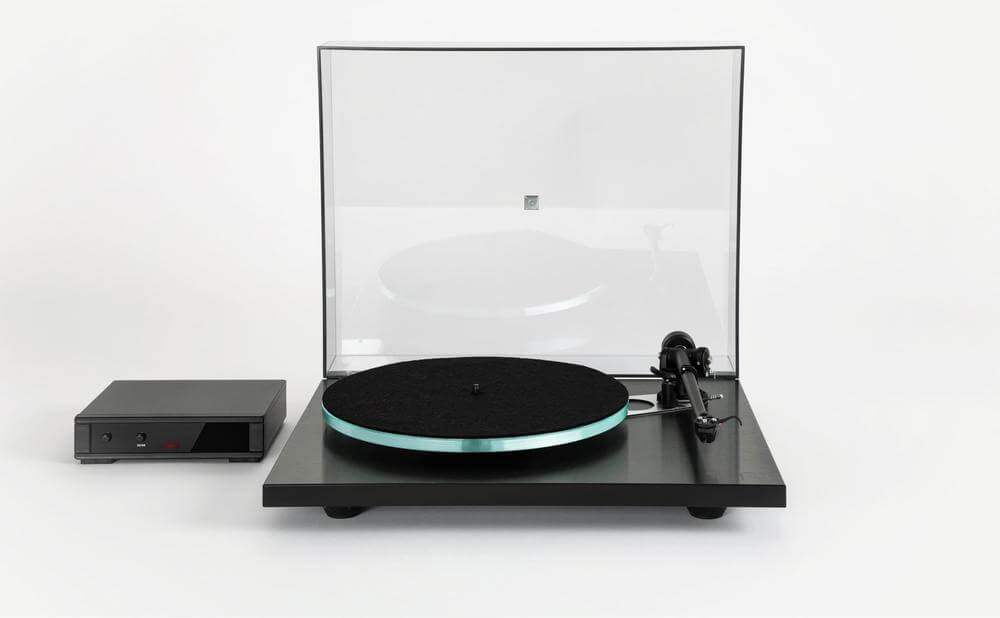
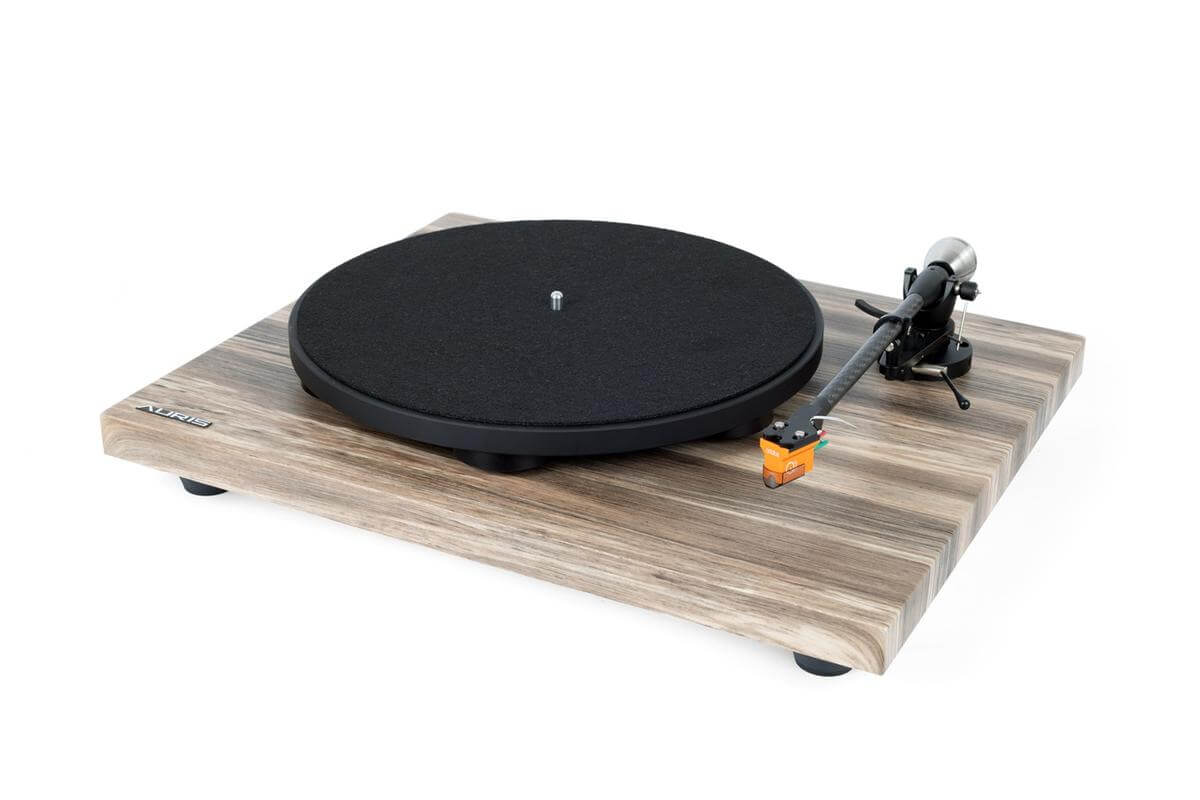
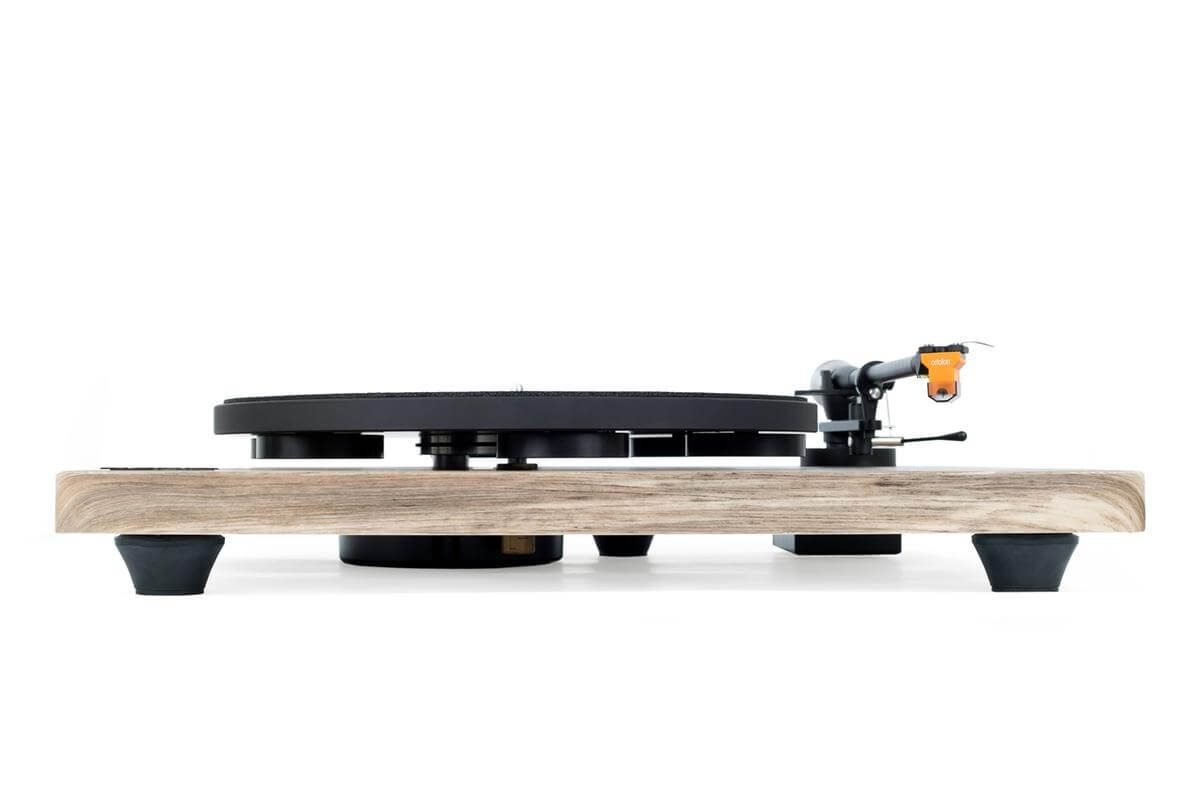
Manual turntables require the listener to place the tonearm on the record and return it at the end of playback. These designs prioritise mechanical simplicity and are commonly used in audiophile systems.
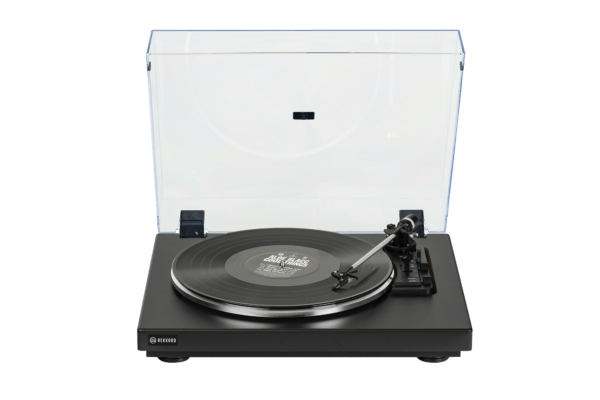
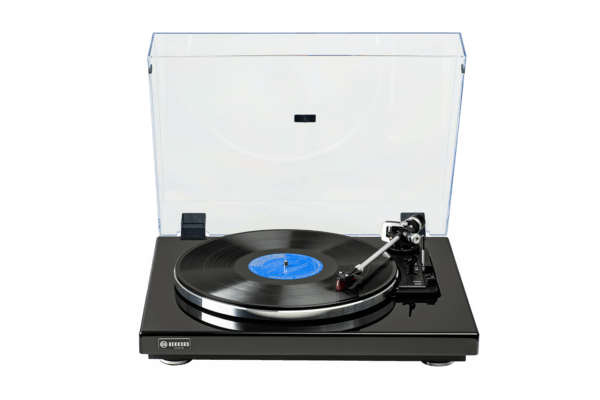
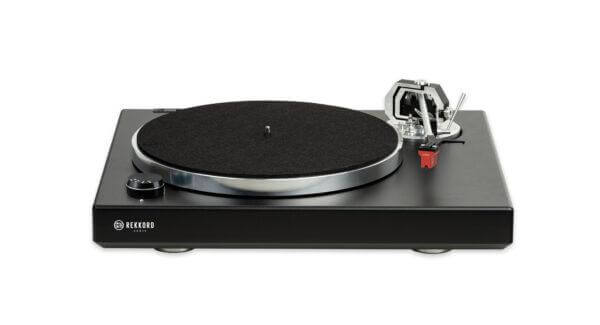
Automatic turntables automate tonearm movement at the start and end of playback. This design provides convenience while maintaining stable tracking and consistent operation.
Turntables also vary by drive system.
Belt-drive turntables isolate the motor from the platter using an elastic belt. This design reduces vibration transfer and is widely used in hi-fi turntables.
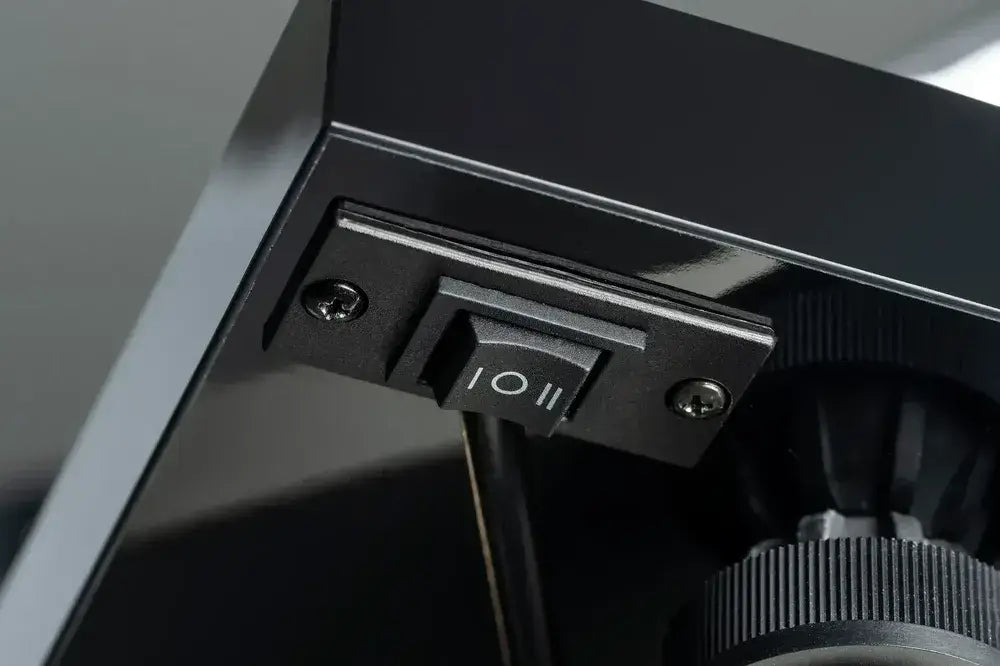
Direct-drive turntables couple the motor directly to the platter, providing high torque and stable rotational speed.
Turntables as the Source of Vinyl Playback Systems
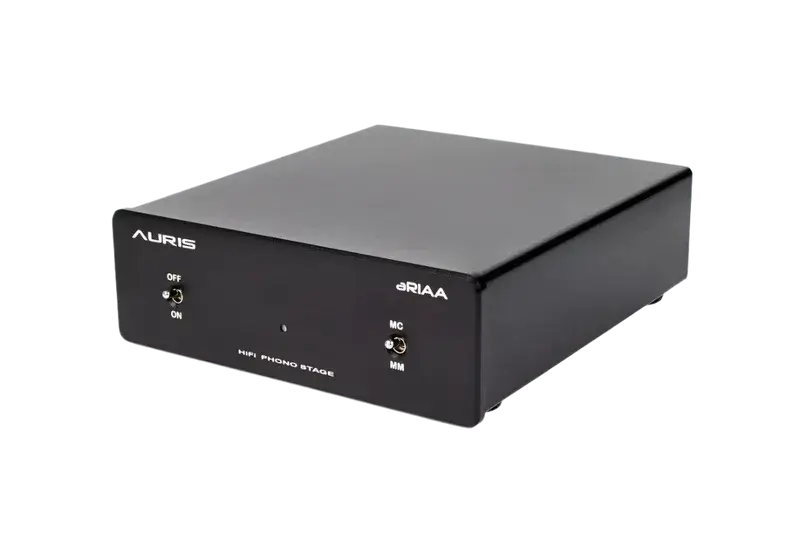
A turntable generates a very low-voltage phono signal that cannot be connected directly to a standard line-level input. The signal must first be amplified and equalised by a phono stage before it reaches amplifiers and loudspeakers.
For this reason, turntables operate as part of a complete analogue playback system consisting of several interconnected components:
Correct system matching ensures stable playback, accurate tracking and consistent audio reproduction across a vinyl collection.
Choosing a Turntable
Choosing a turntable depends on how it will be used within a system and the level of control, convenience and performance required.
Manual vs automatic turntables
Manual turntables are typically chosen in hi-fi systems where mechanical simplicity and control are prioritised. Automatic turntables are used where ease of use is preferred, as tonearm movement is handled automatically at the start and end of playback.
Belt-drive vs direct-drive systems
Belt-drive turntables are commonly used in hi-fi systems because the belt isolates motor vibration from the platter, reducing noise during playback. Direct-drive turntables provide higher torque and speed stability and are often used where consistent rotation and faster start-up are required.
Cartridge compatibility
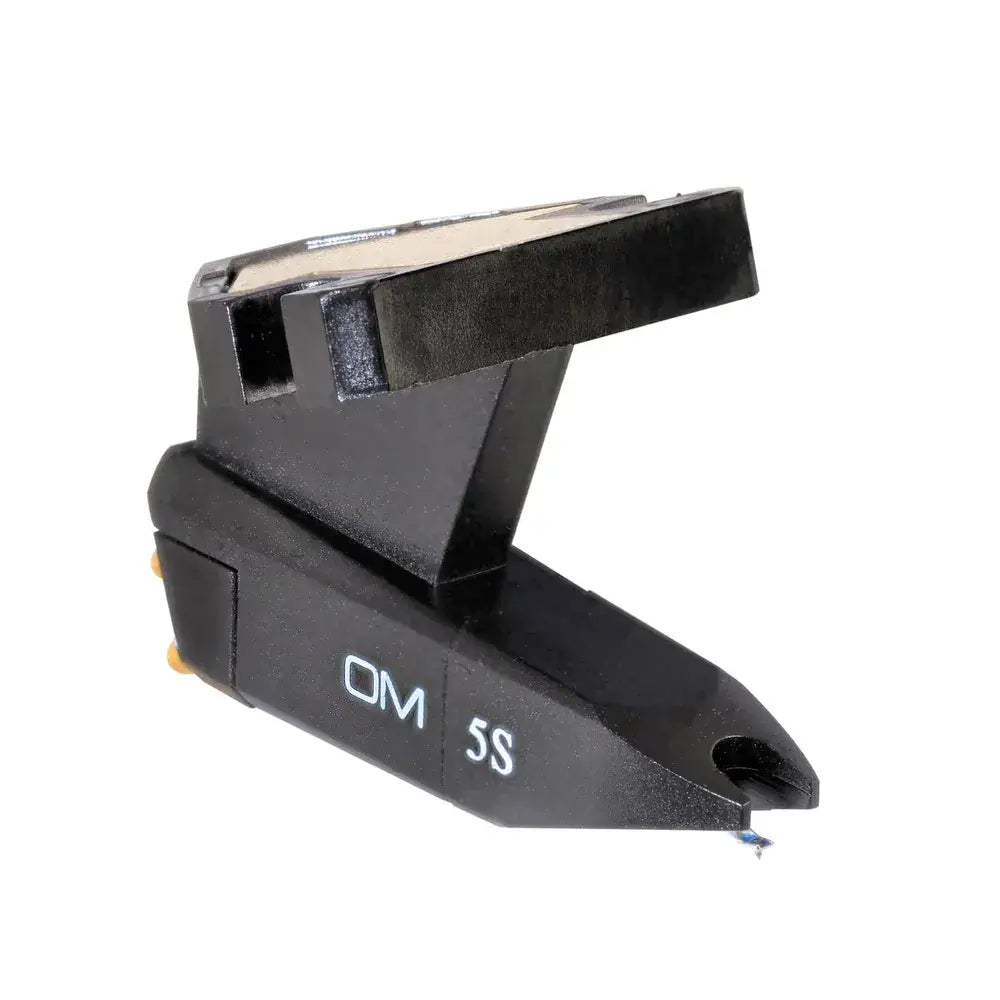
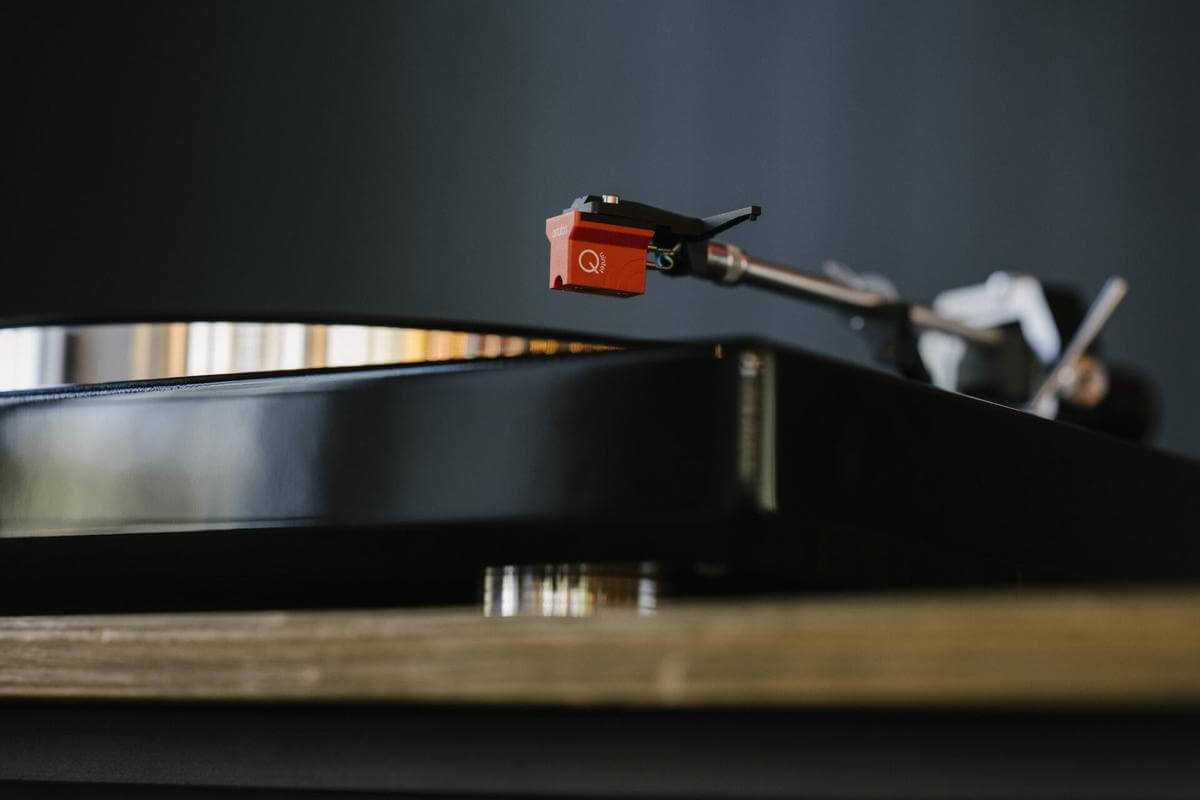
Turntables are matched with either moving magnet (MM) or moving coil (MC) cartridges. Moving magnet cartridges are more common and compatible with most phono preamps, while moving coil cartridges are typically used in higher-end systems requiring dedicated phono stage support.
Phono stage and system integration
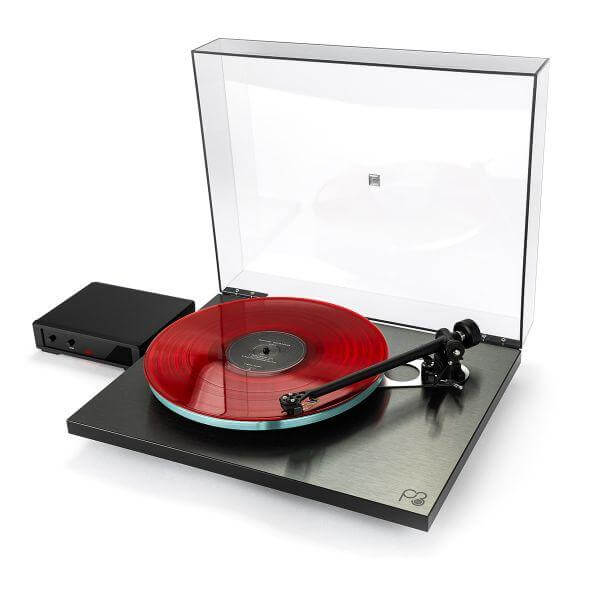
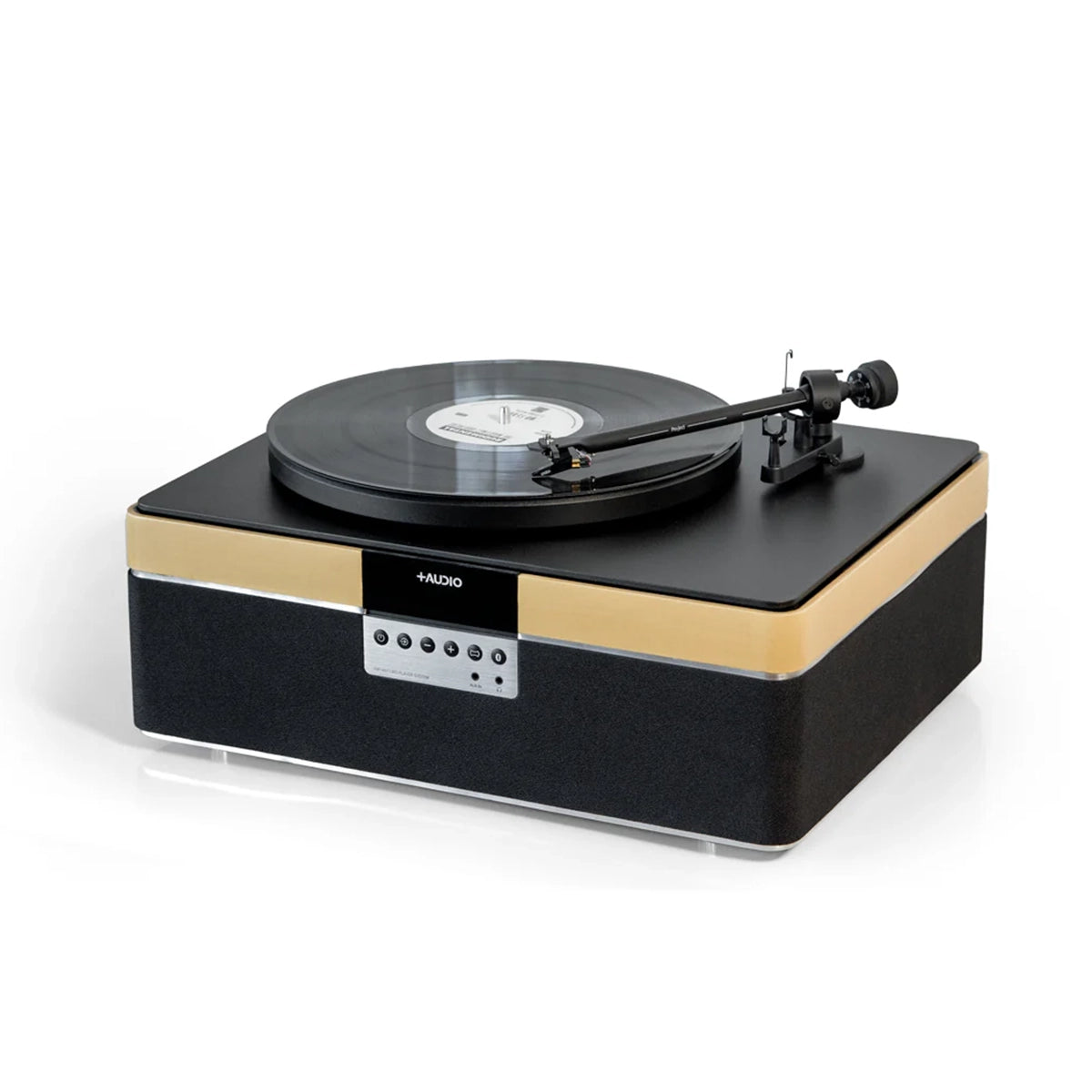
Turntables require a phono preamp to amplify and equalise the signal before it reaches an amplifier. Systems without a built-in phono stage require an external phono preamp, while some turntables include integrated phono stages for simplified setup.
System matching and setup
The choice of turntable should align with the rest of the system, including the phono preamp, amplifier and speakers. Entry-level systems often prioritise ease of setup and integrated components, while more advanced systems use separate components for greater flexibility and performance.
Turntables for Vinyl Listening Systems
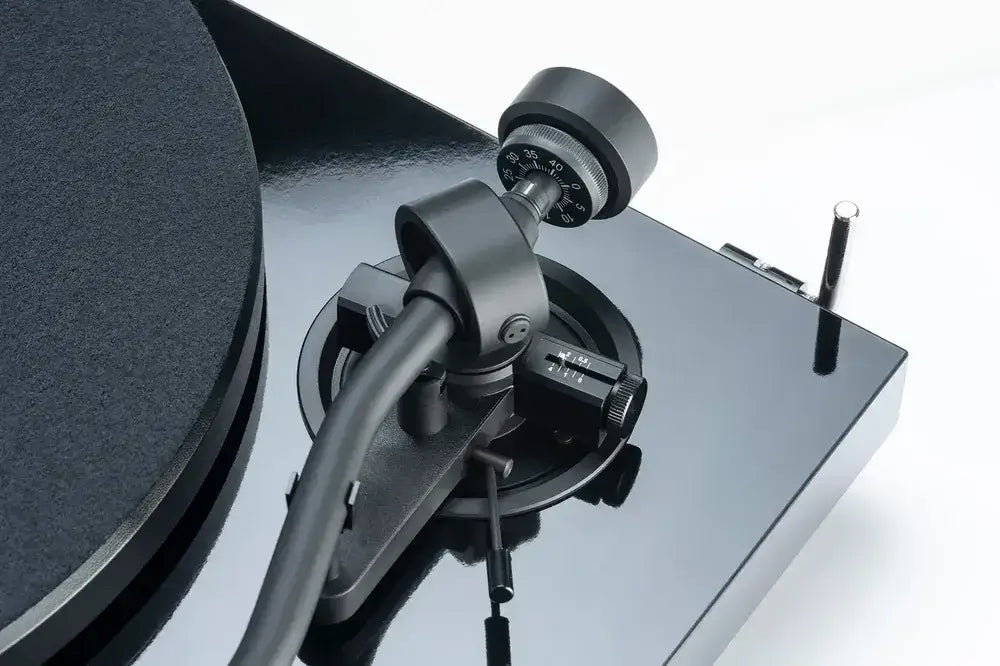
The Groove Man supplies turntables for dedicated hi-fi systems and vinyl listening setups. Our collection includes entry-level vinyl record players for new listeners as well as advanced audiophile turntables designed for precise cartridge alignment and stable rotational performance.
Customers across Australia, including Brisbane, Sydney, Melbourne and Adelaide, choose The Groove Man for carefully selected analogue audio equipment and expert support for vinyl playback systems.