Digital Audio Cable Types
Digital audio cables are defined by transmission standard and connector type.
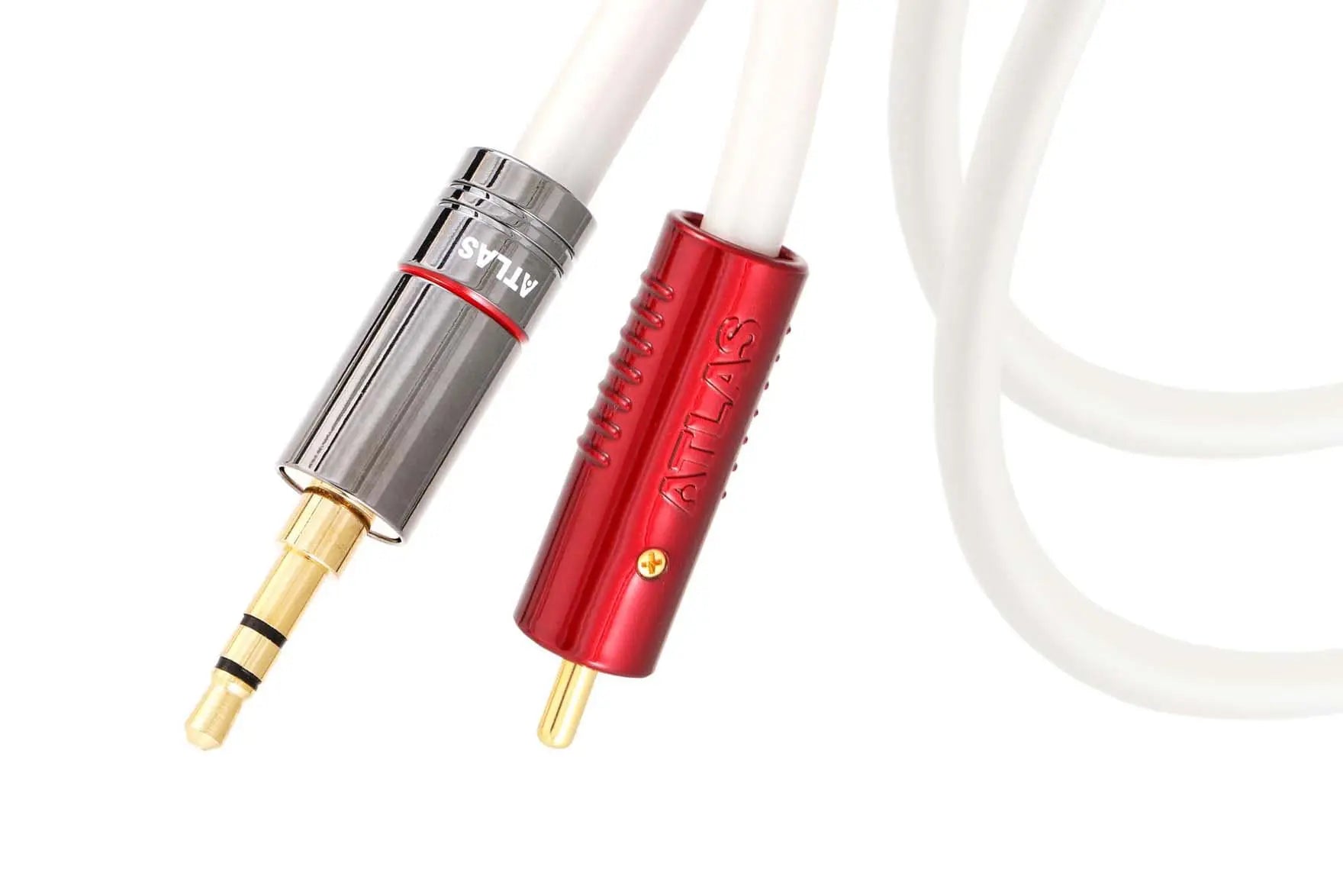
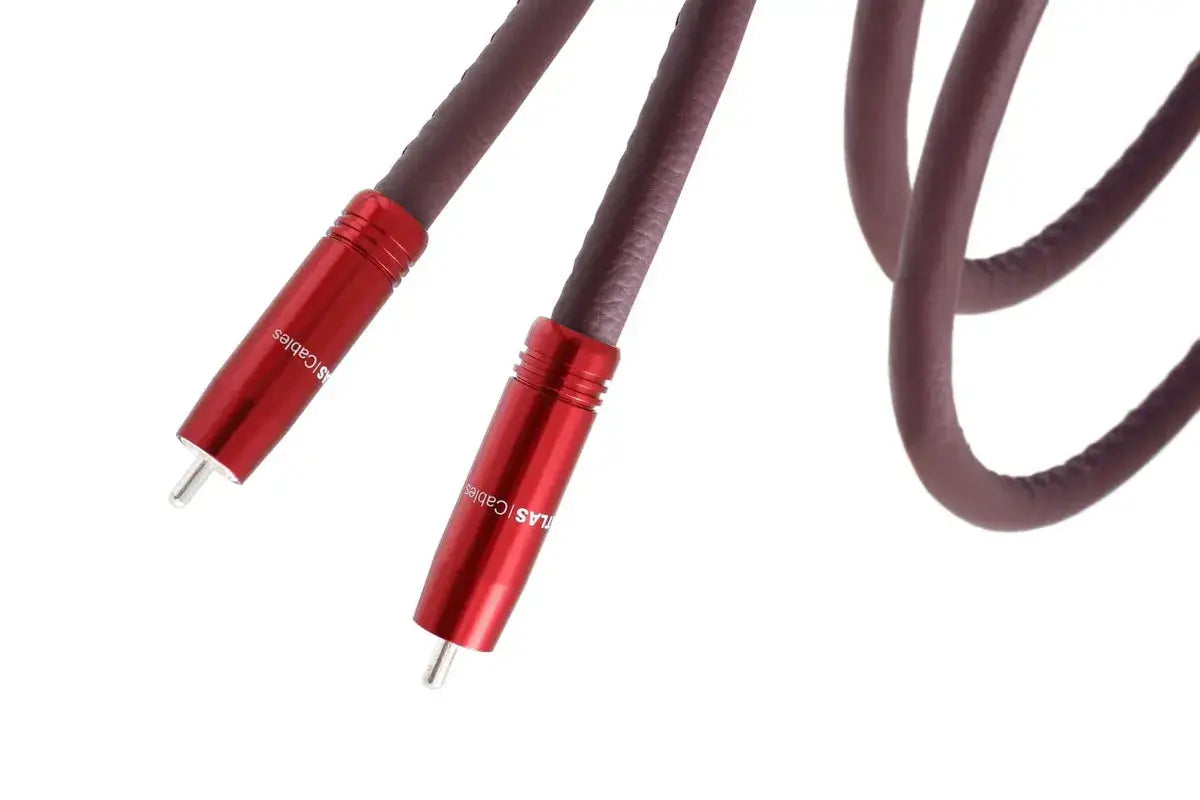
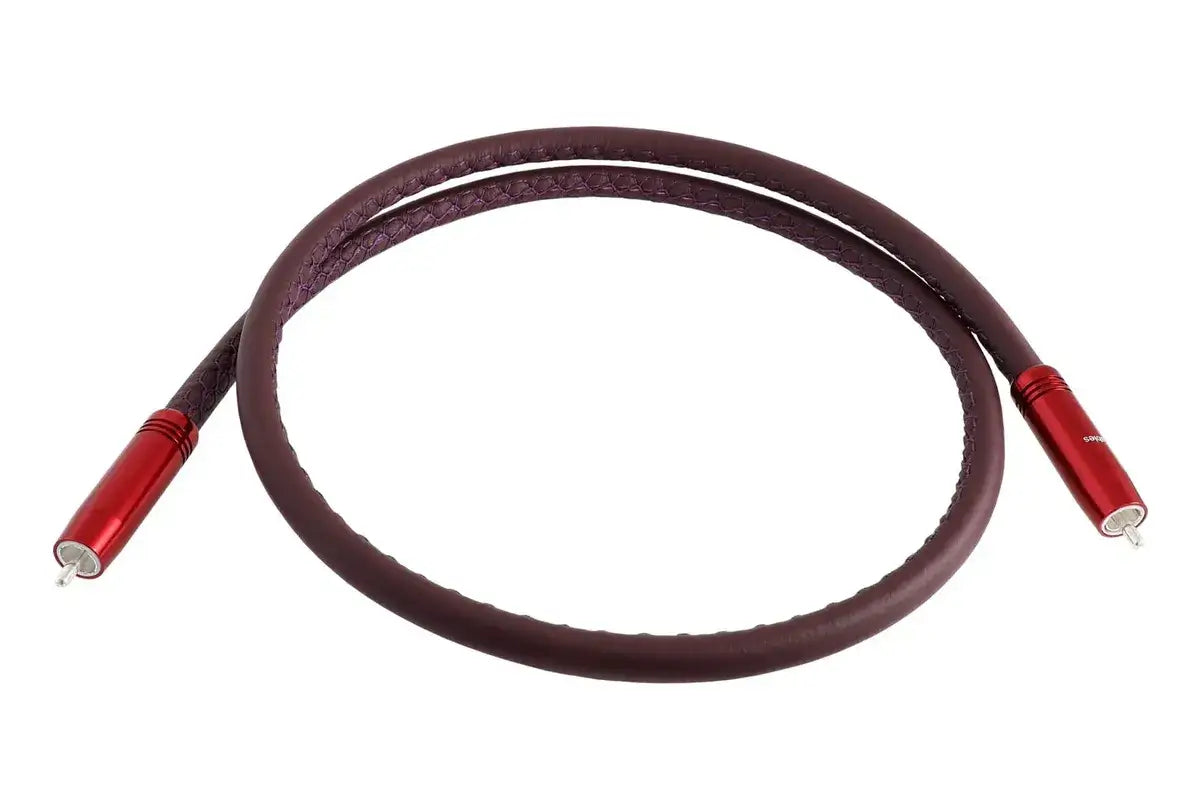
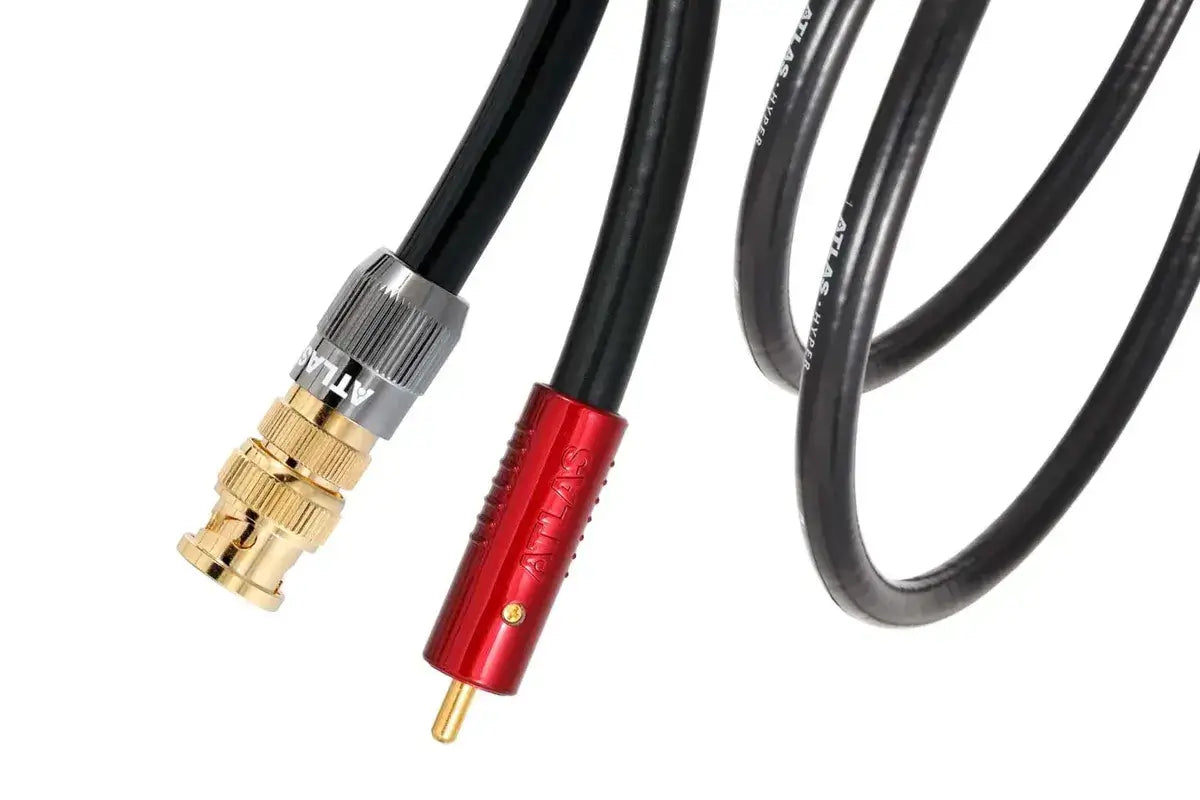
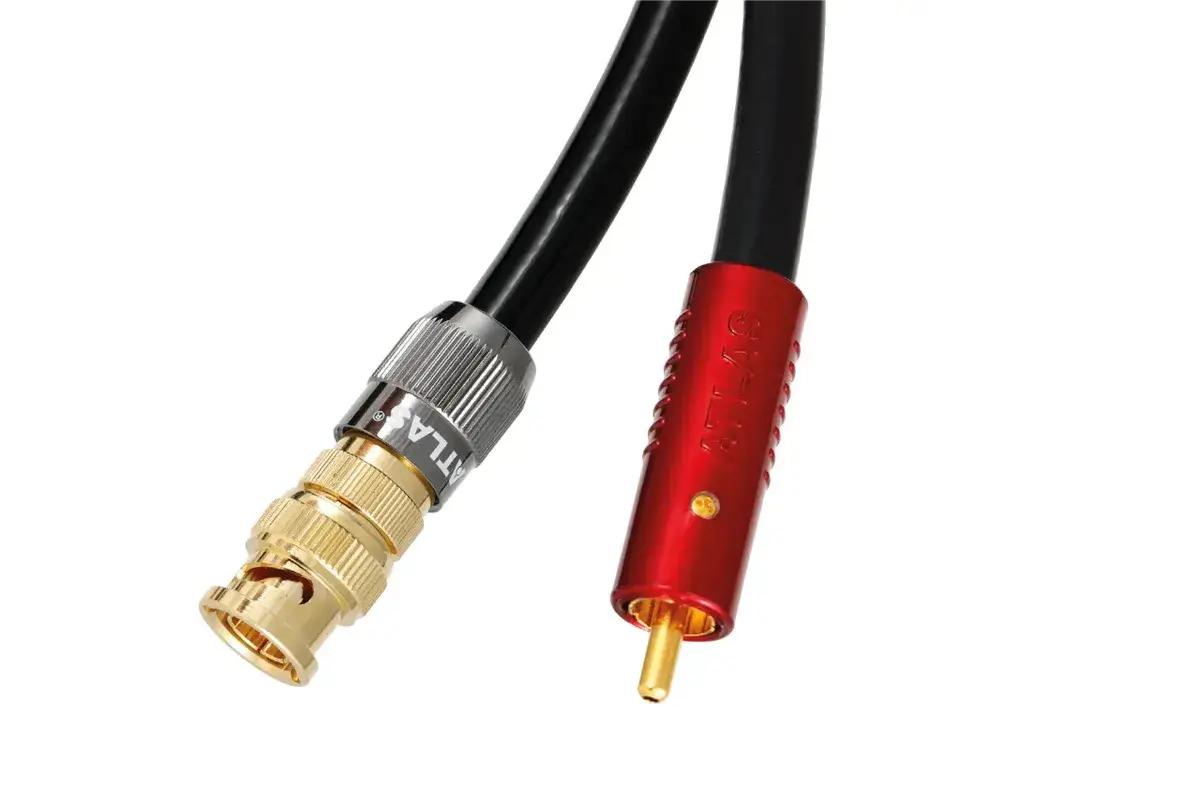
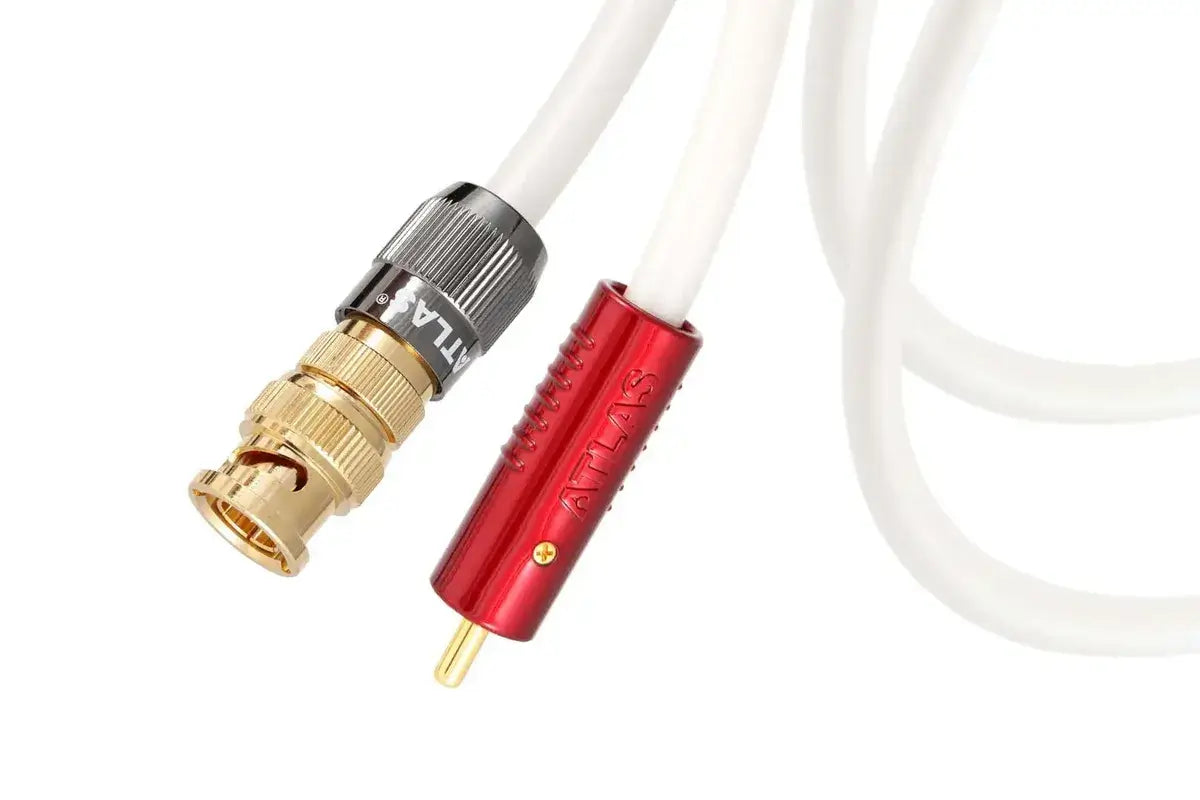
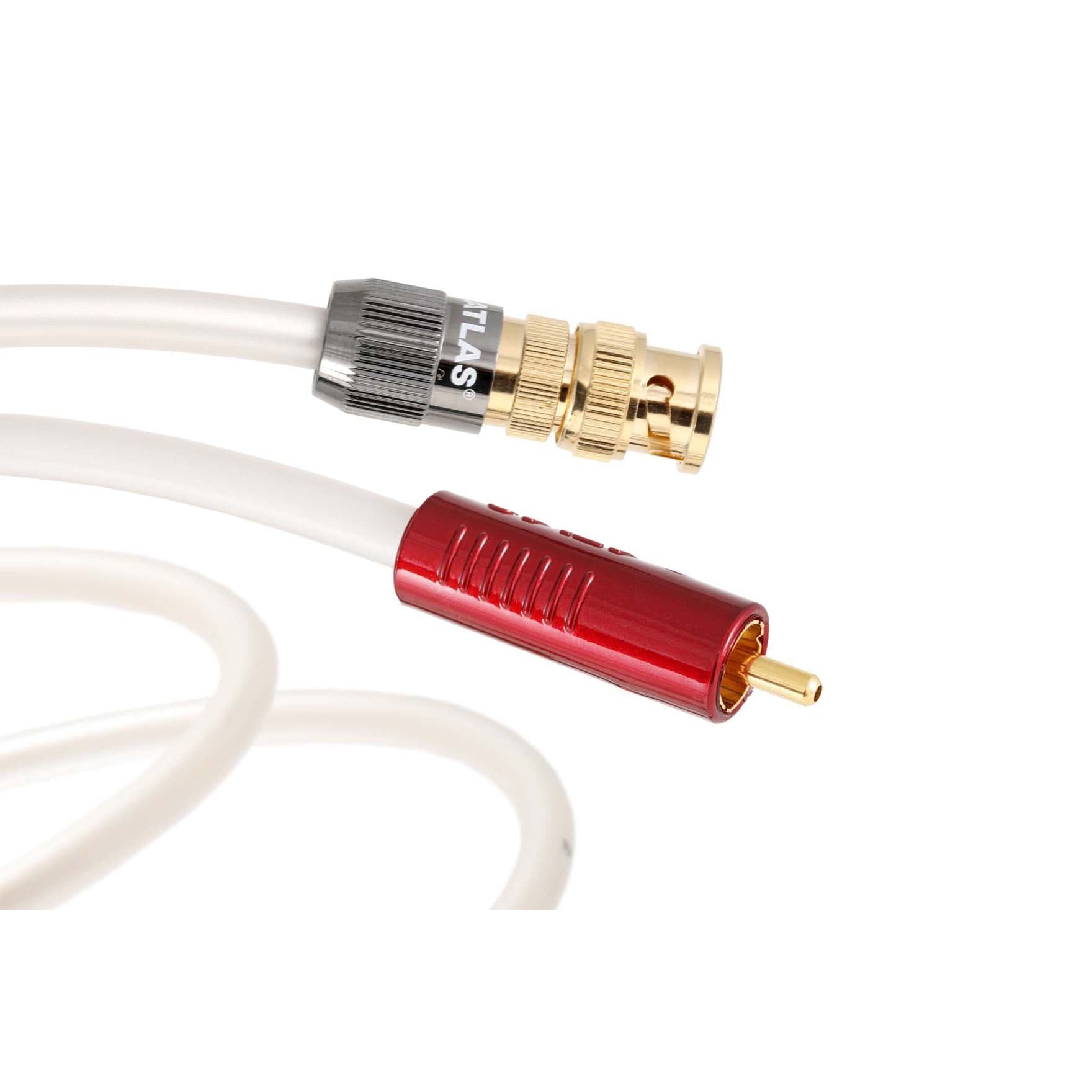
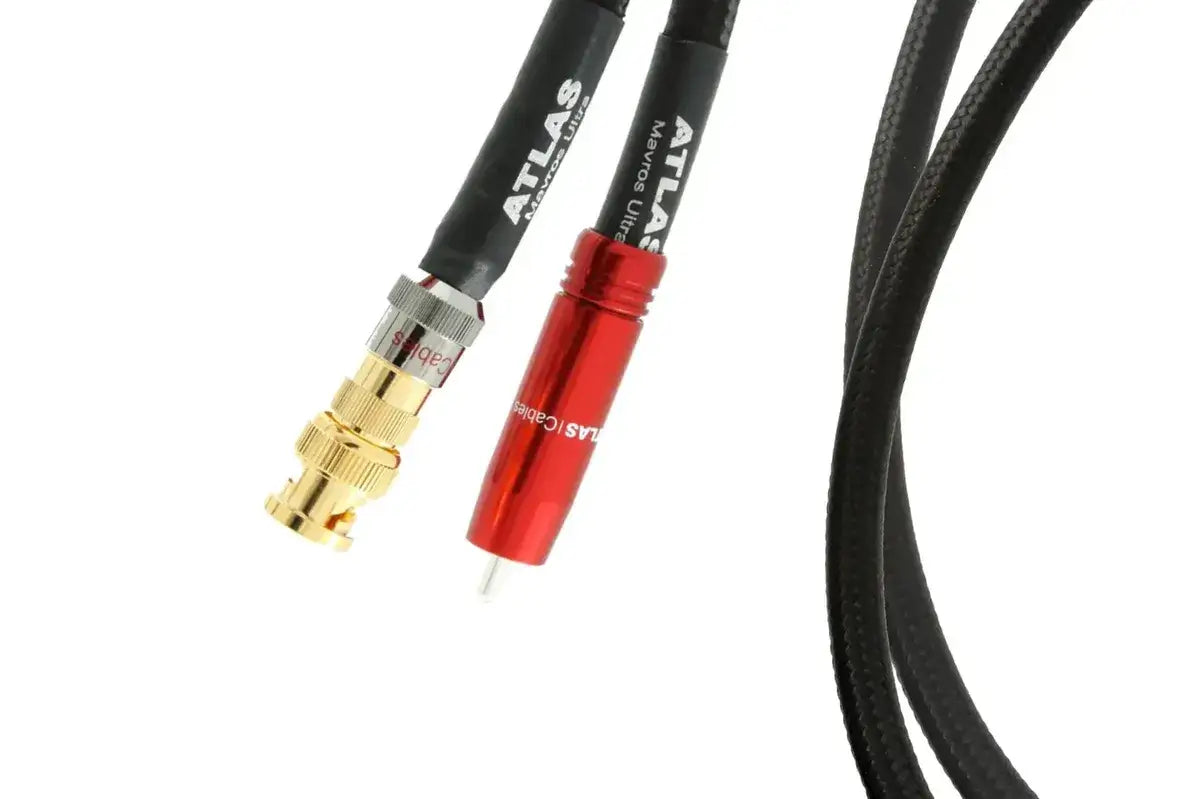
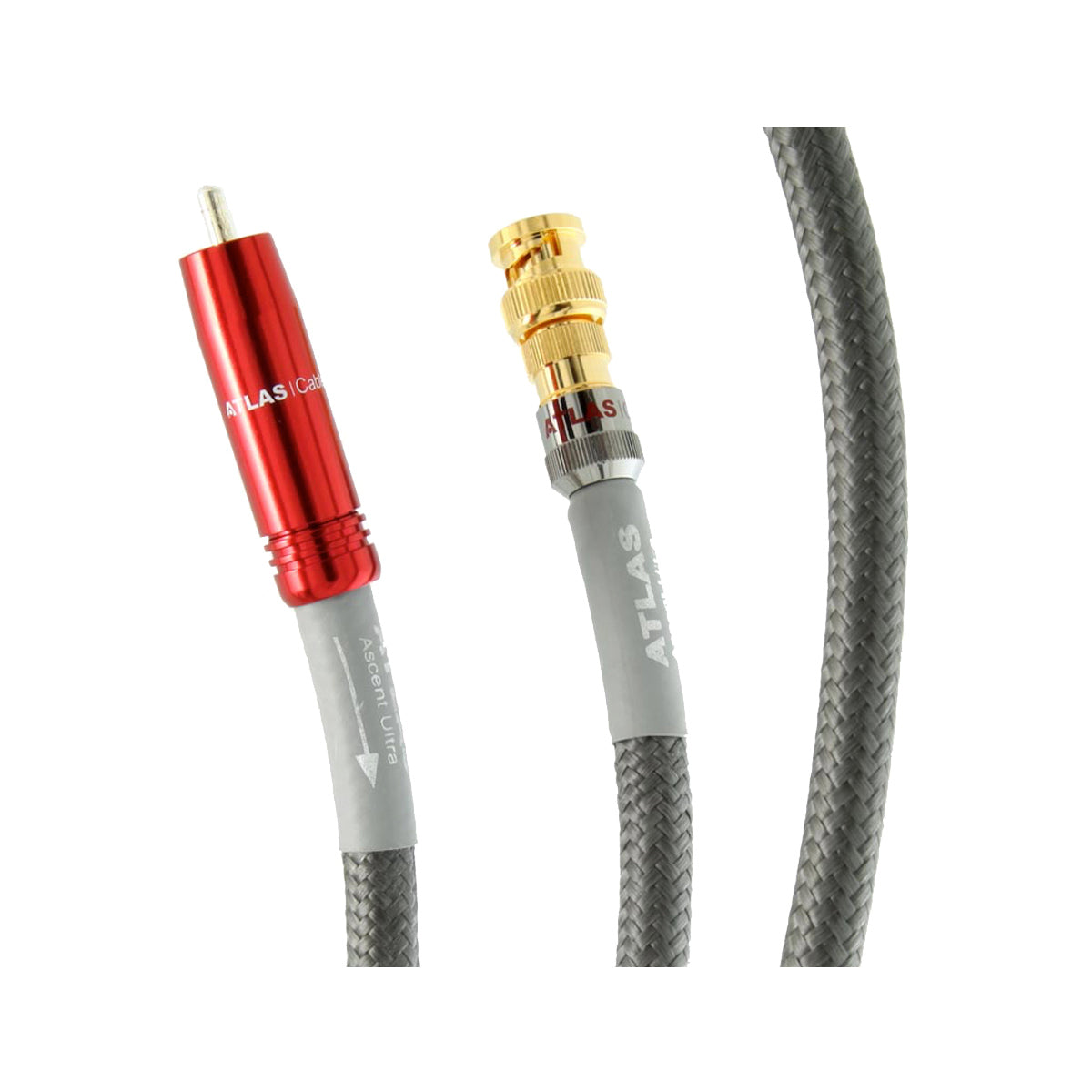
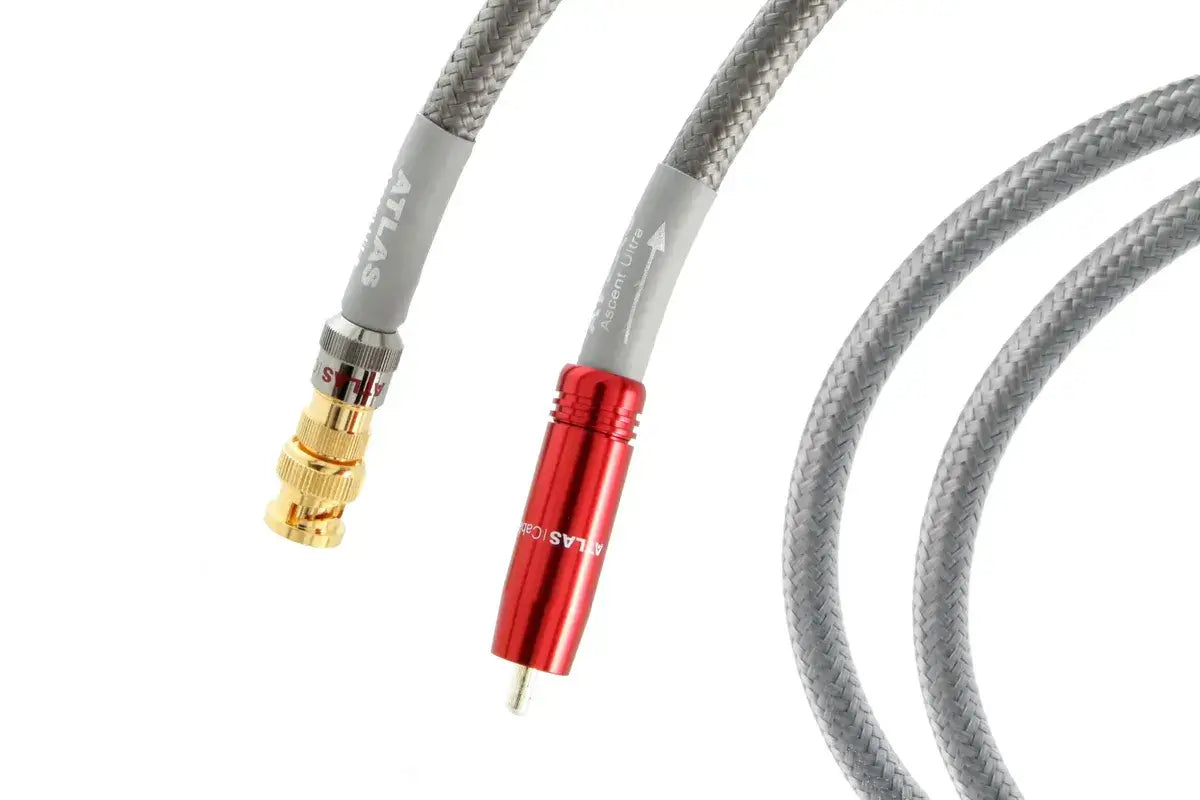
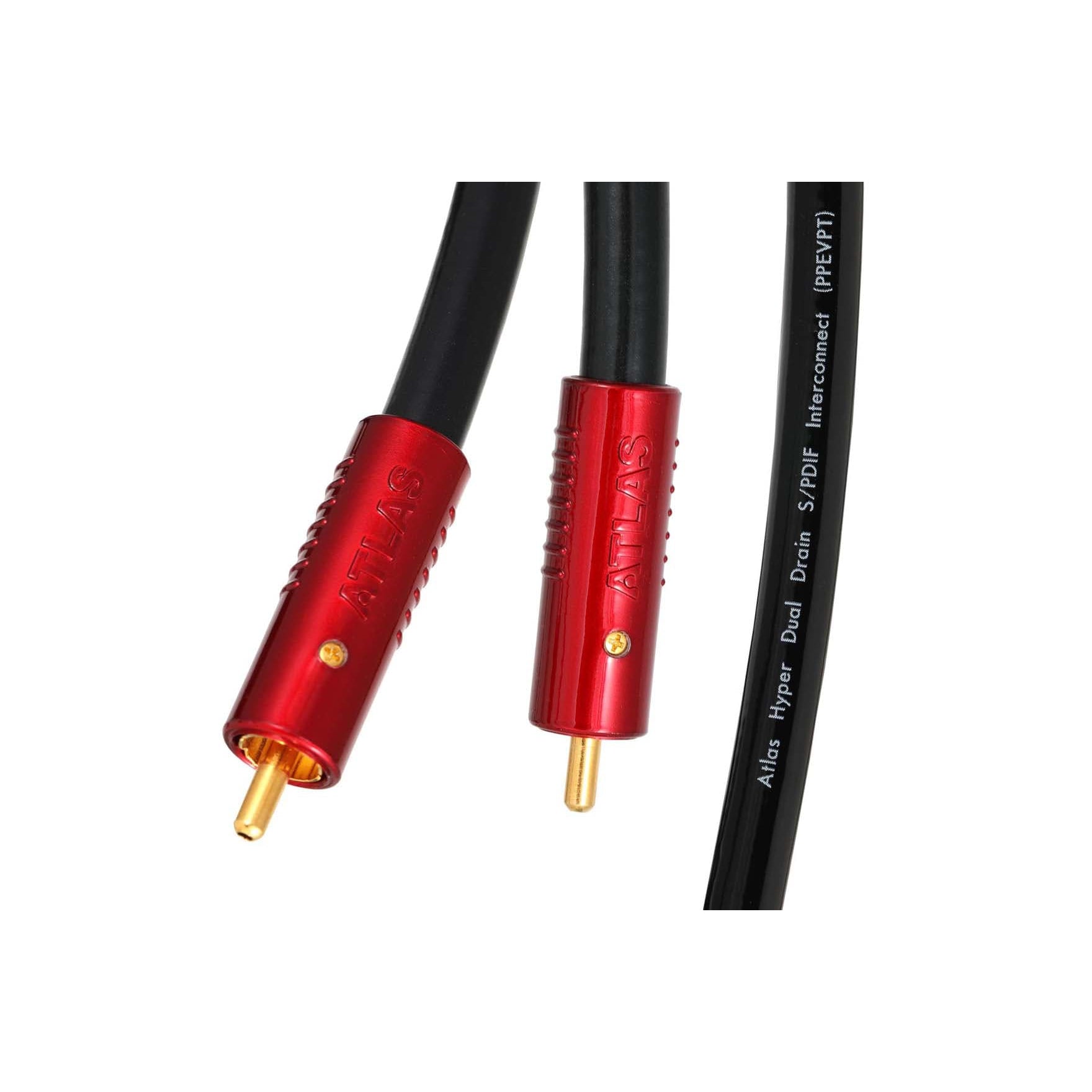
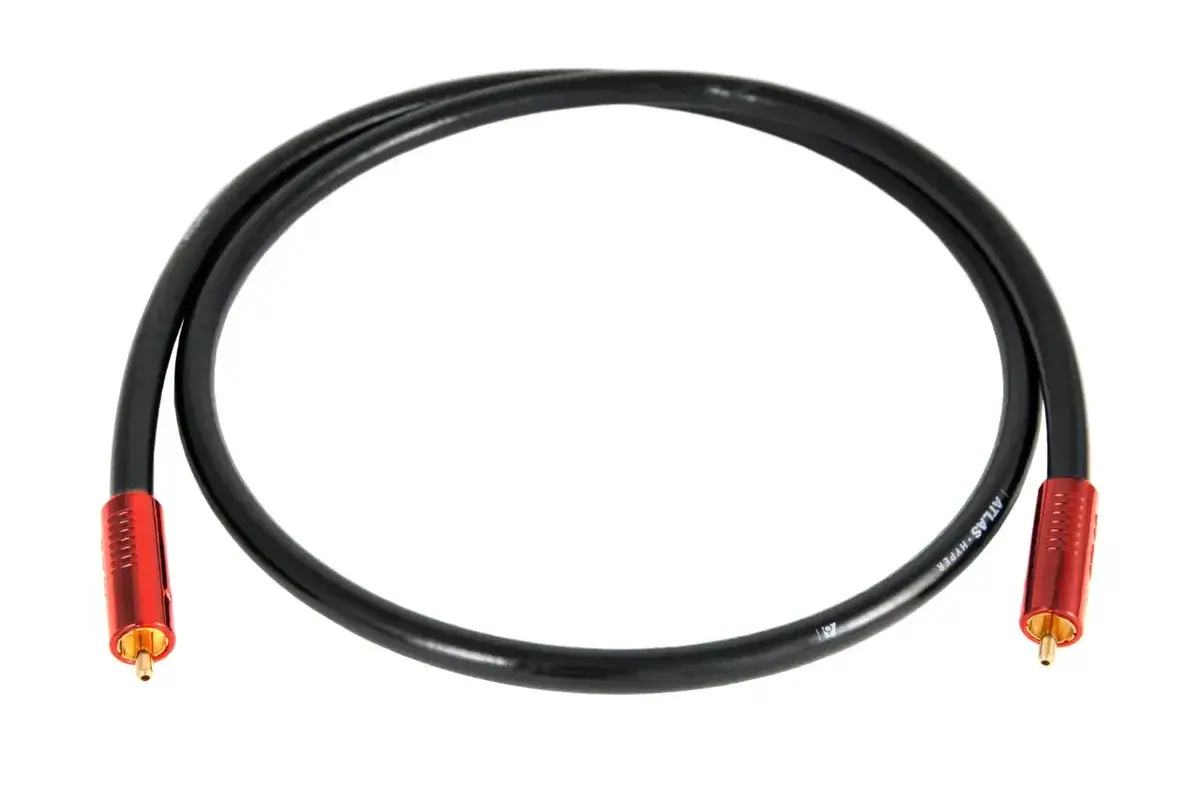
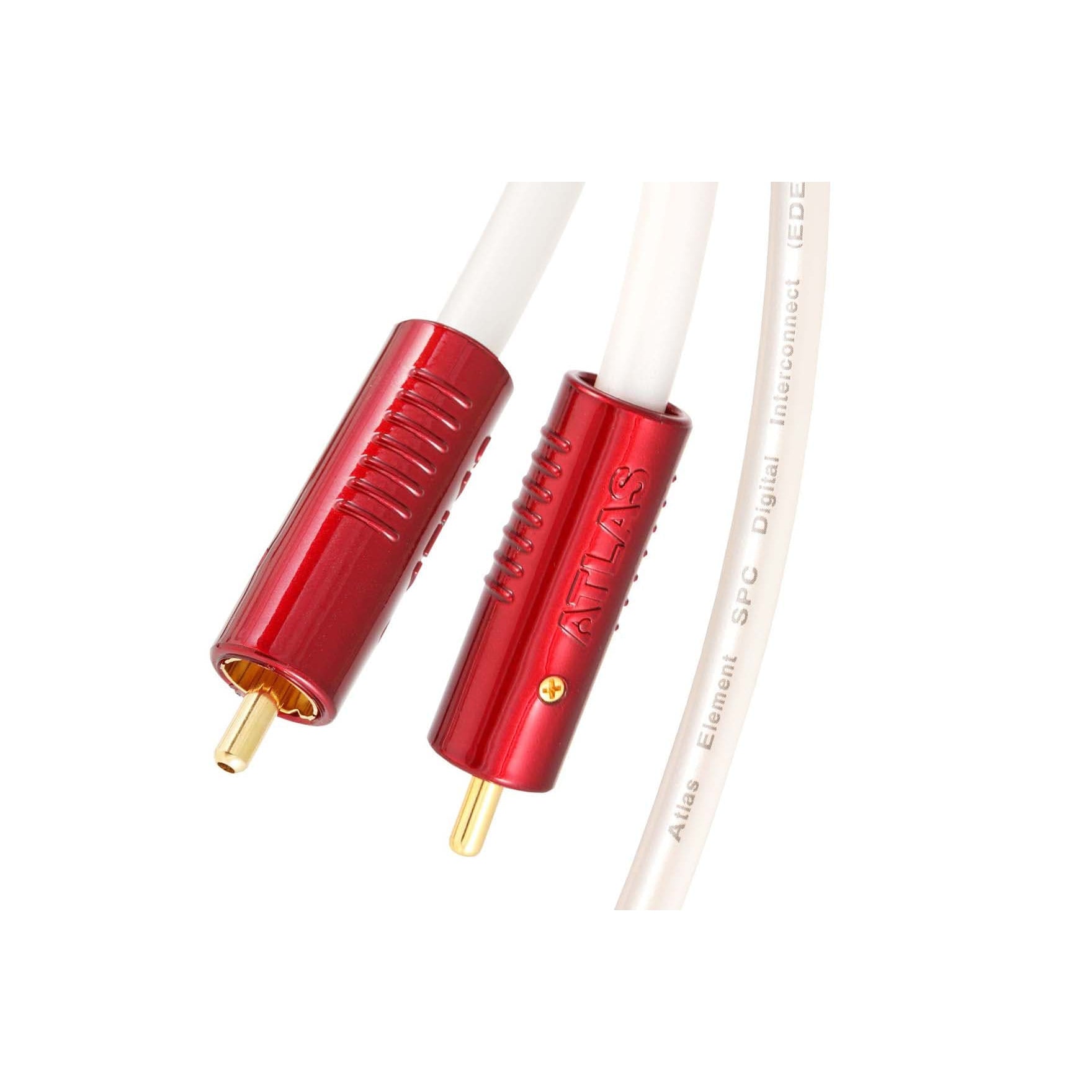
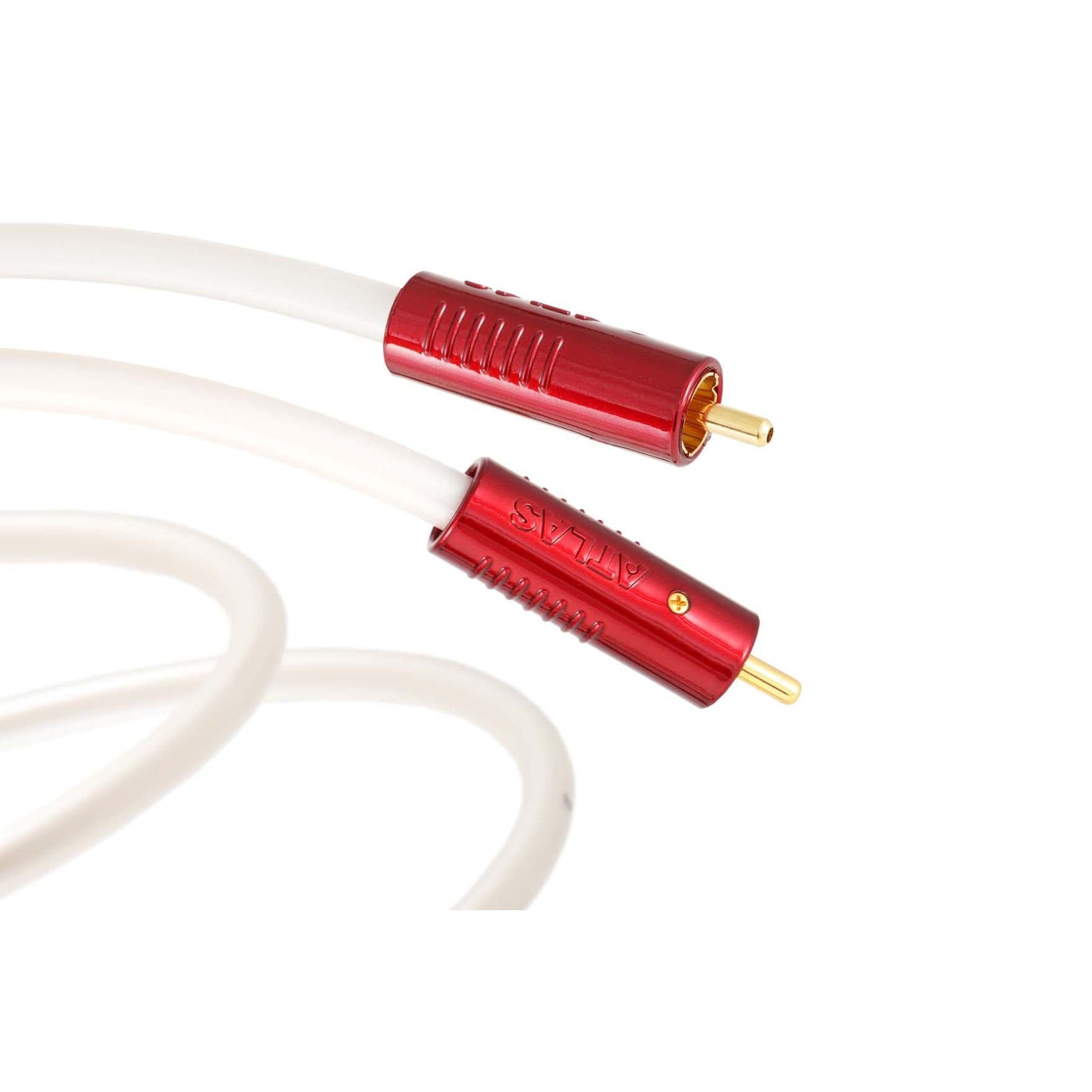
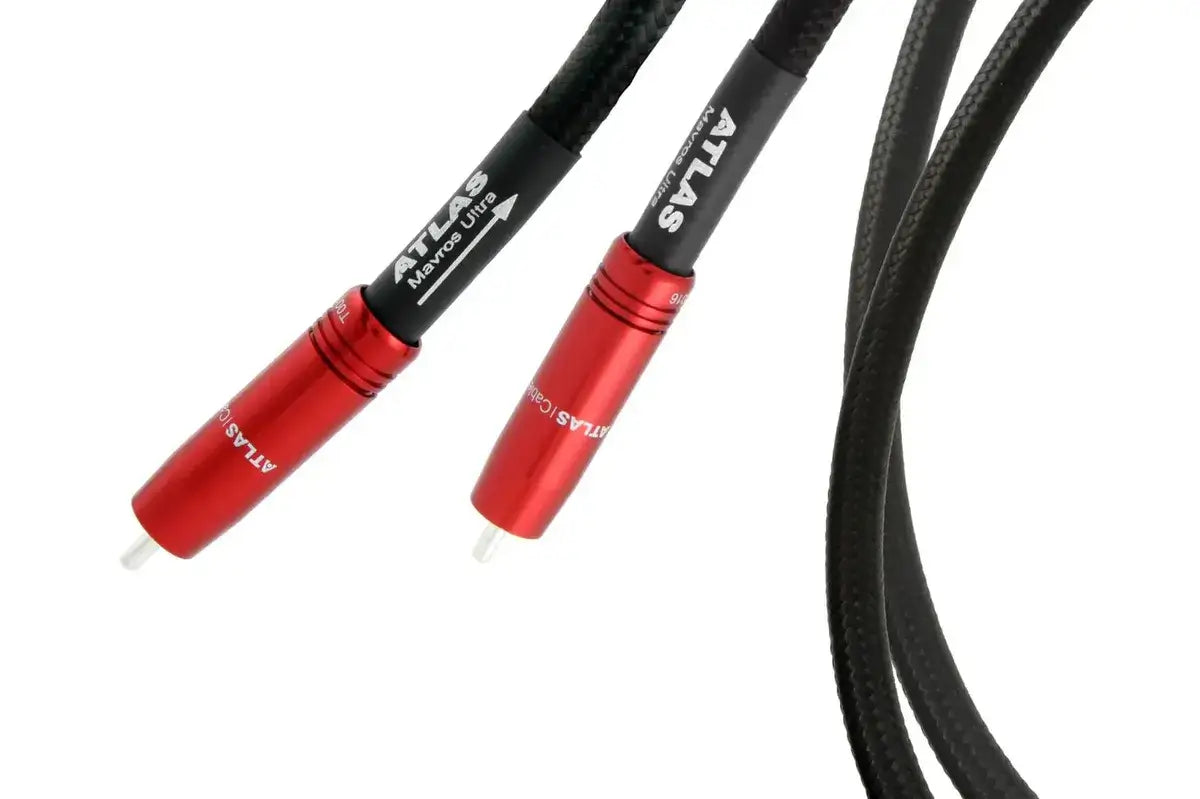
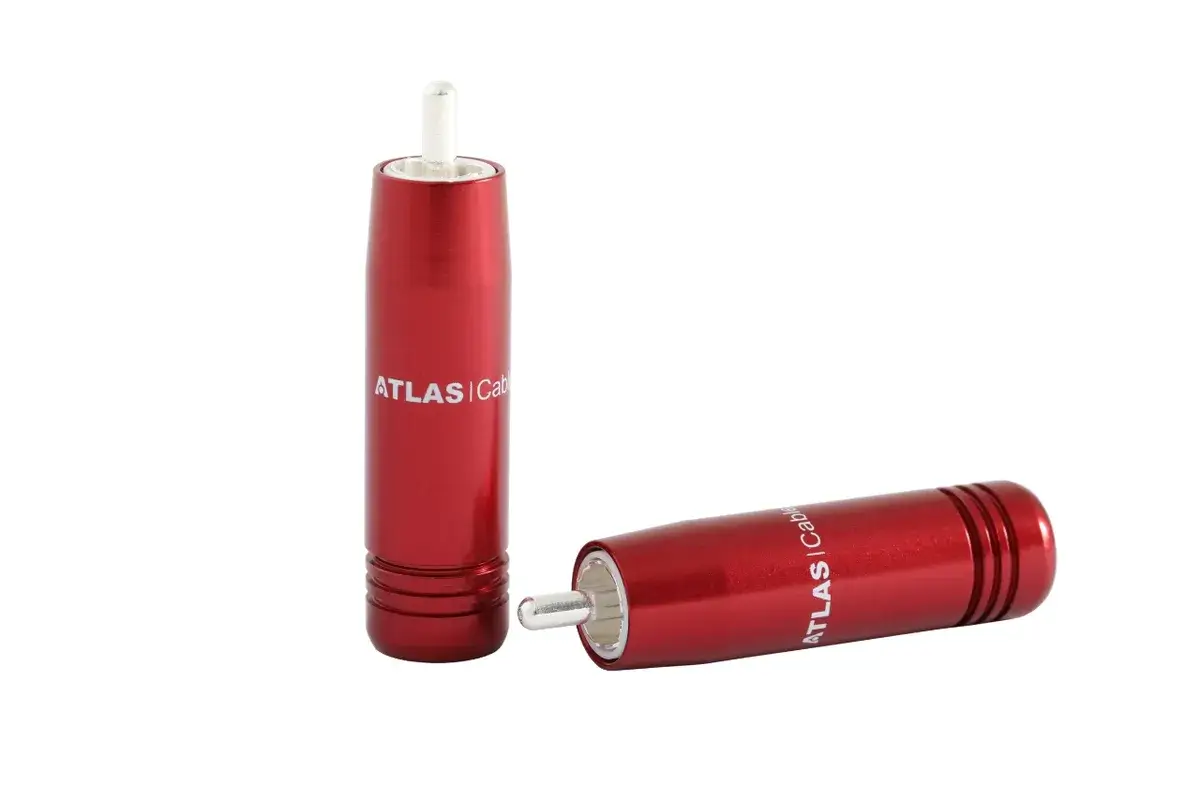
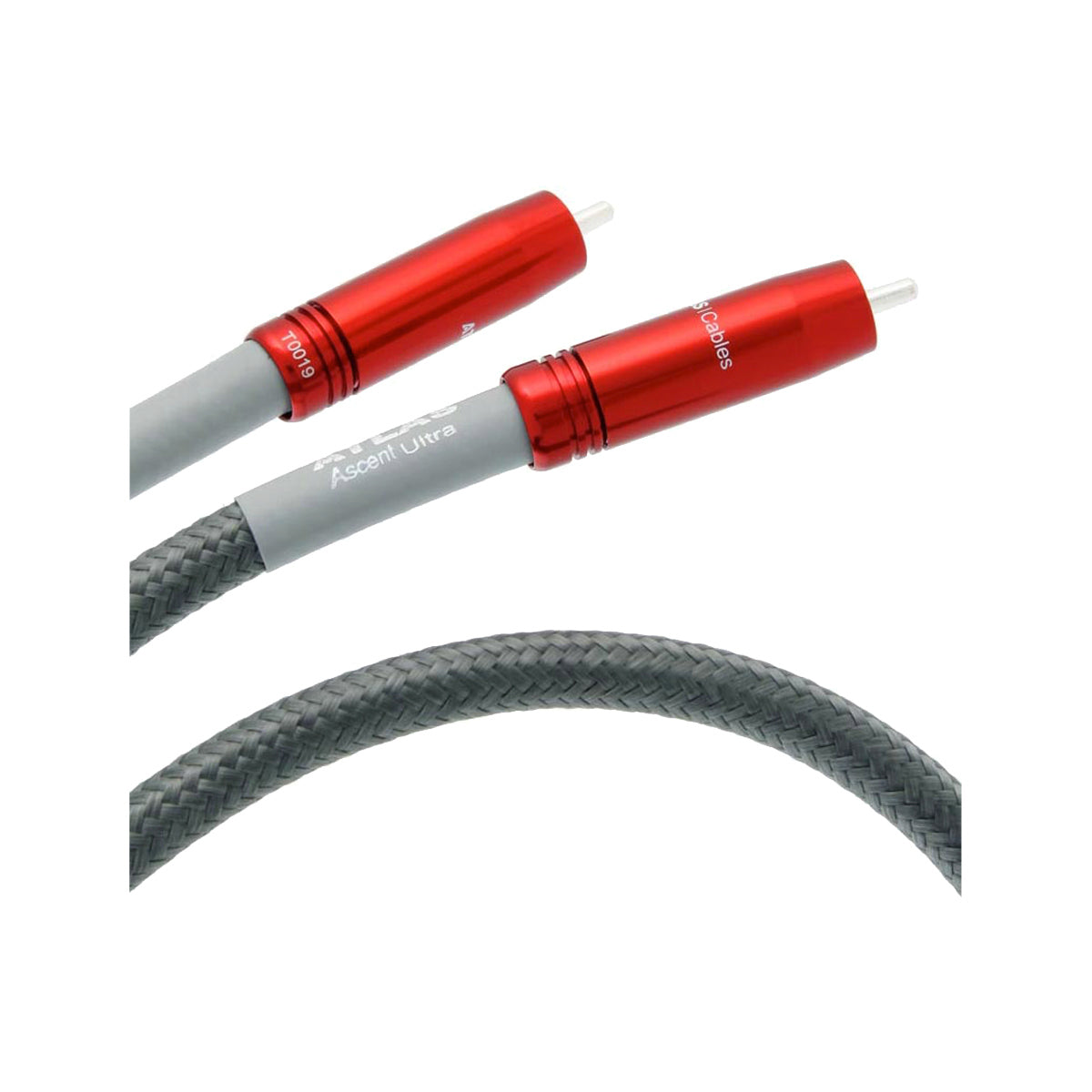
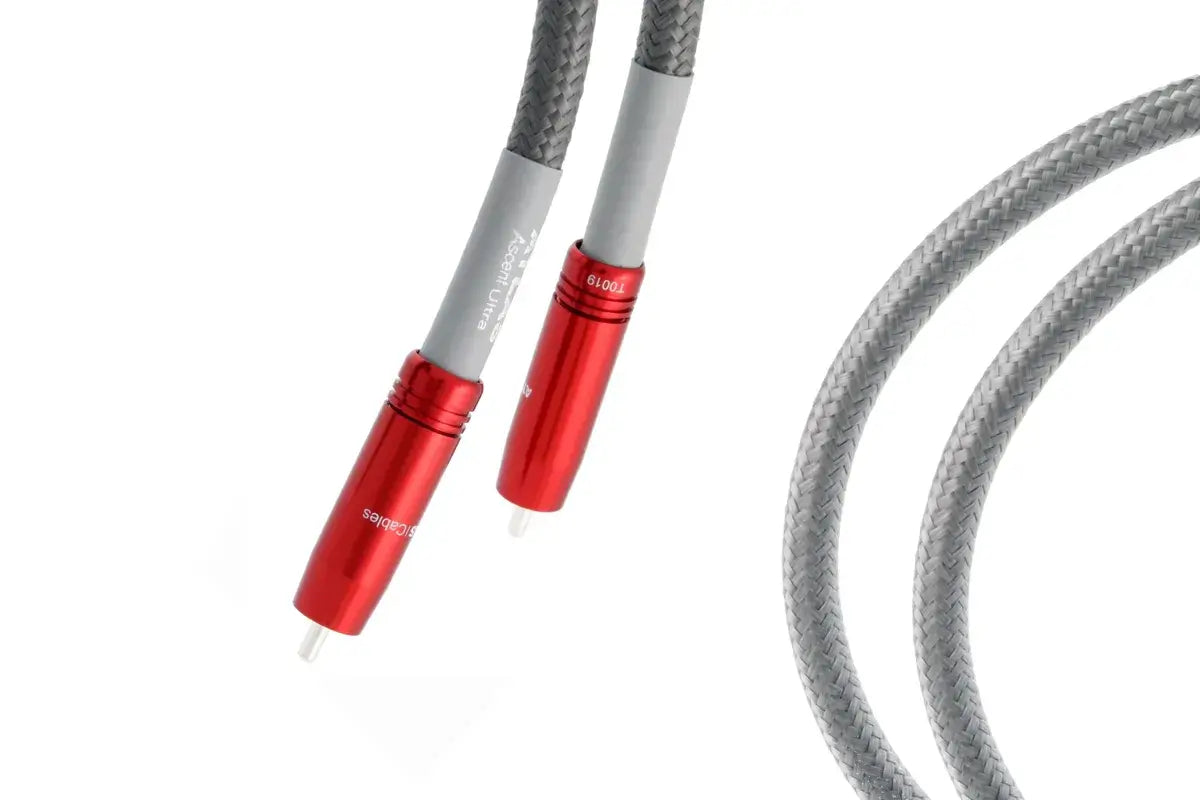
S/PDIF cables carry digital audio between transports and DACs using coaxial or optical connections.
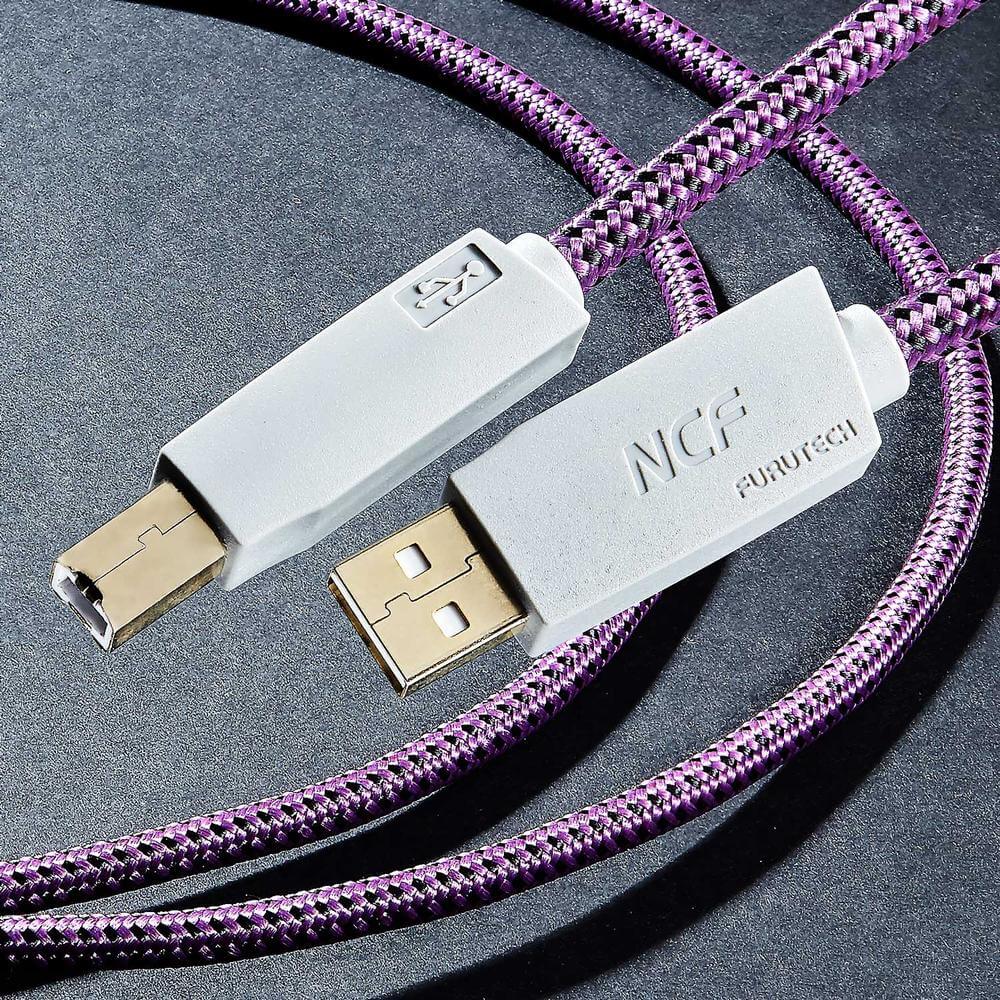
USB audio cables connect digital sources such as computers and streamers to DACs.
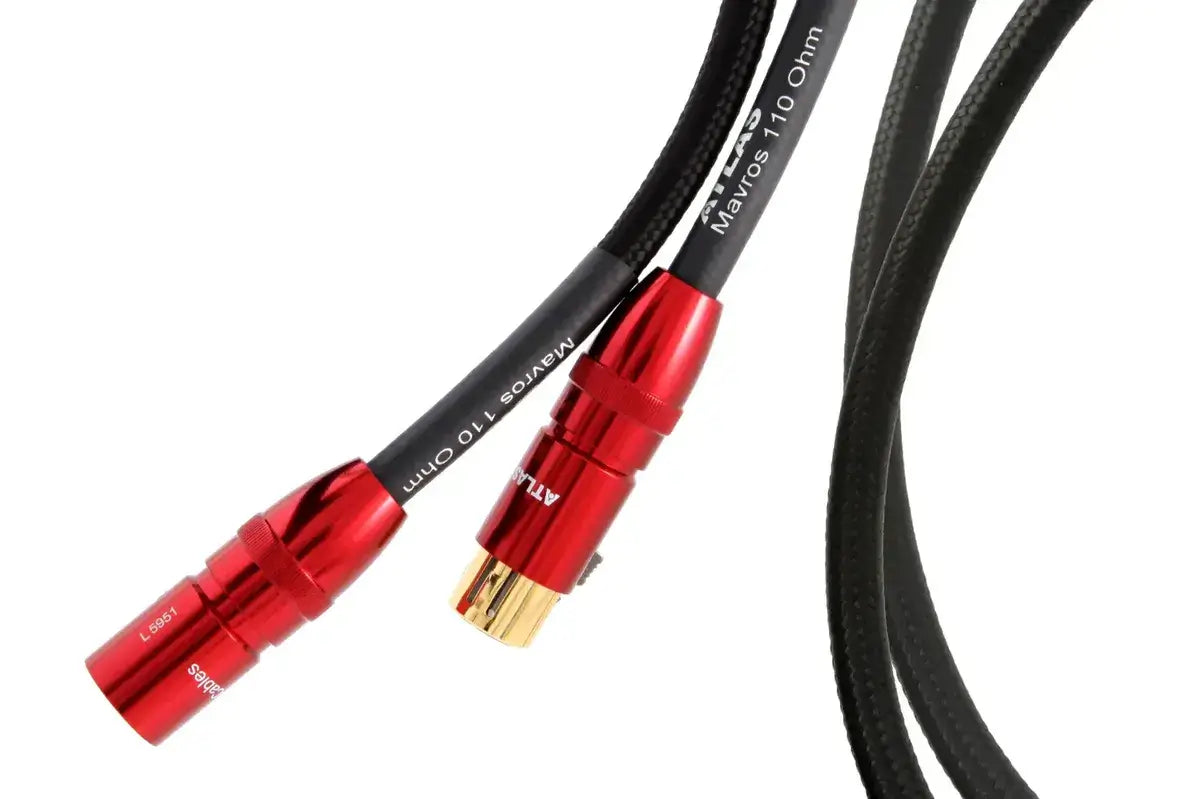
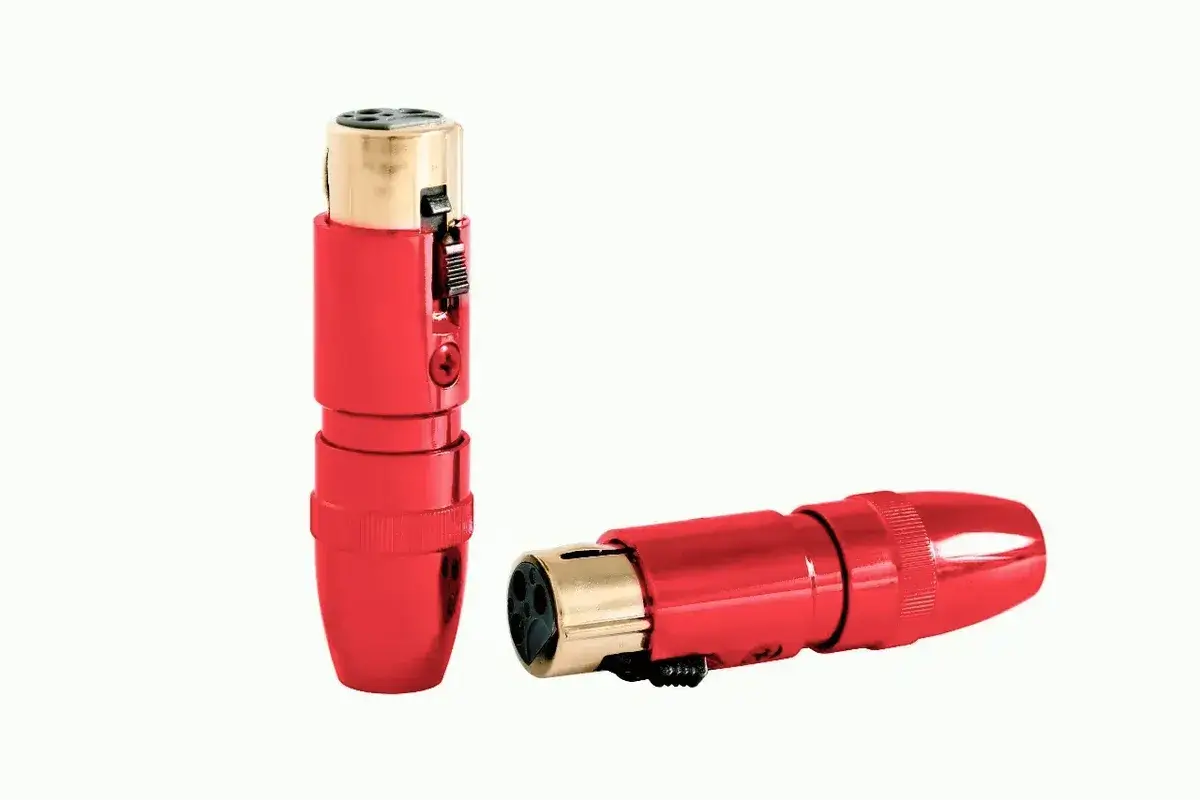
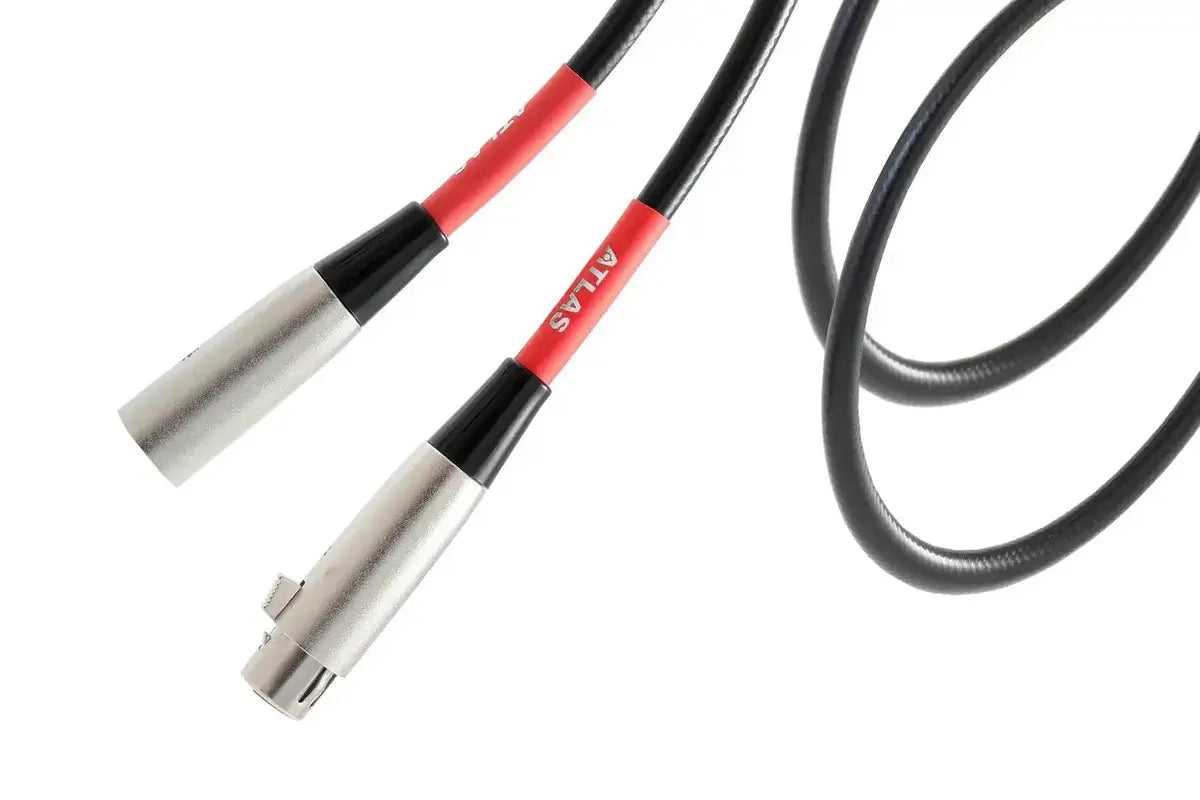
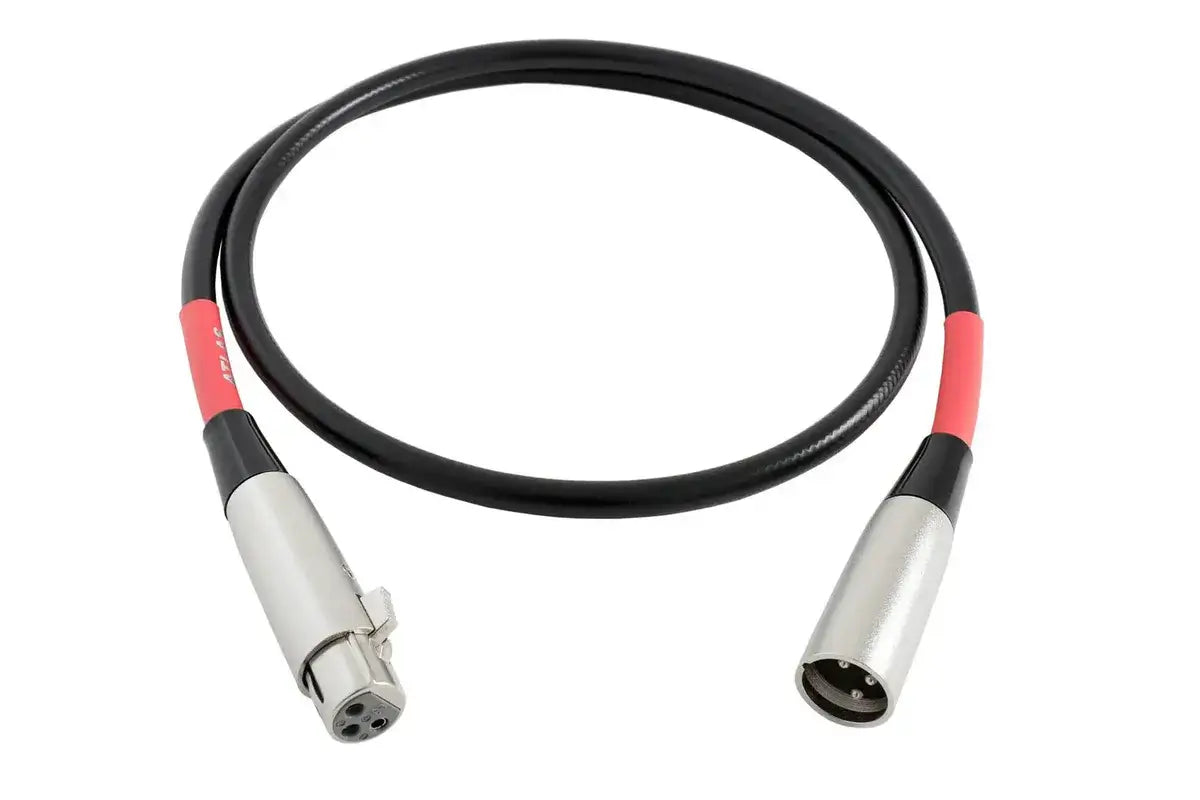
AES/EBU cables provide balanced digital signal transmission in high-end and professional audio systems.
Streaming cables (Ethernet) transfer network audio data between routers, switches and streaming components.
Each type must match the input and output specification of the connected devices.
Streaming Cables and Network Audio
Streaming cables are used in network-based audio systems where playback is delivered over Ethernet. These cables connect:
- network streamers
- streaming amplifiers
- network switches and routers
They support stable data transfer between devices and form part of the signal path before digital-to-analogue conversion.
For dedicated options, see Streaming Cables.
Digital Signal Path and System Integration
Digital audio cables sit between source devices and conversion or amplification stages. Common signal paths include:
- transport → DAC
- streamer → DAC
- server → streaming amplifier
The cable carries digital data prior to conversion. Correct cable selection ensures compatibility between components and consistent signal transfer within the system.
Selecting the Correct Digital Audio Cable
Cable selection depends on system architecture and connection requirements:
- Connection standard — S/PDIF, USB, AES/EBU or Ethernet
- Device compatibility — matching inputs and outputs
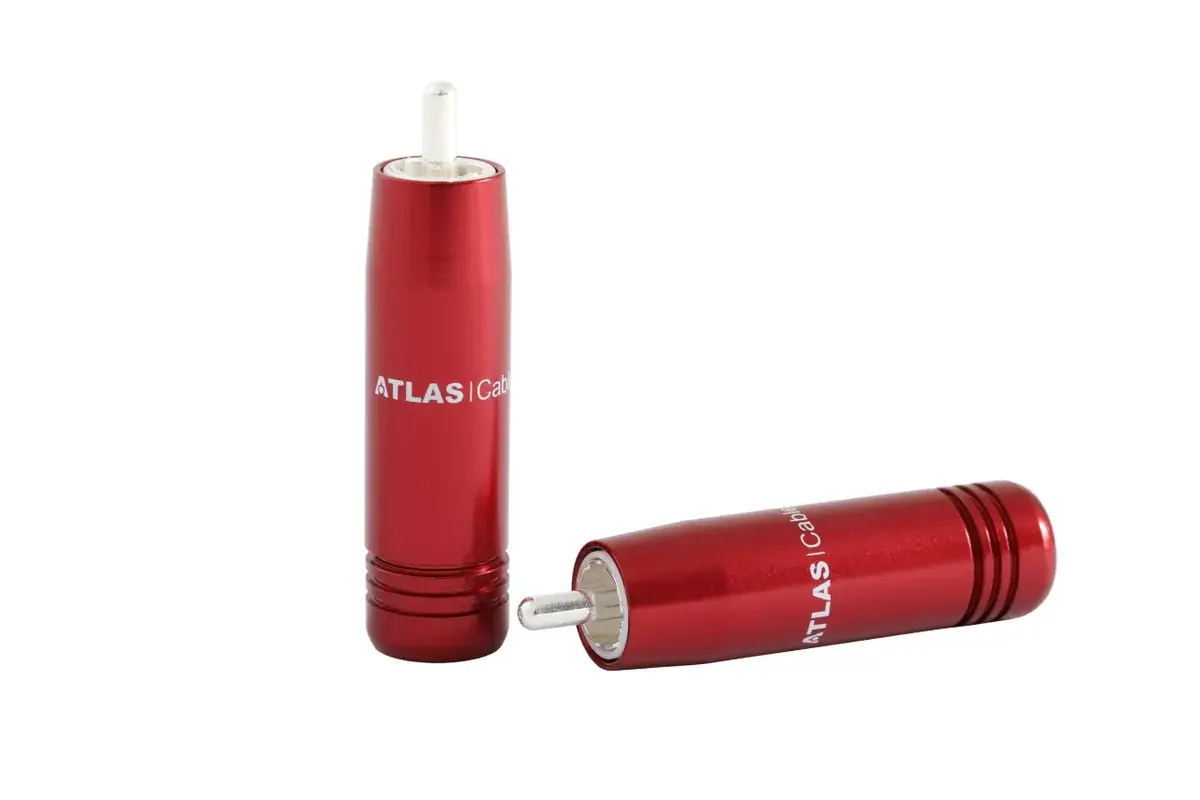
- Connector type — physical interface between components
- System layout — defines cable role in the signal chain
Digital cables are selected based on compatibility and system structure rather than power handling.
Digital Audio Systems and Component Matching
Digital audio cables are used in systems built around separate components and digital playback. They are typically paired with:
Each connection supports a defined function within the system, from data transmission to signal conversion.
Digital Audio Cables for Hi-Fi Systems
The Groove Man supplies digital audio cables selected for stable signal transmission and system compatibility. This collection supports modern hi-fi systems using digital sources, network playback and dedicated conversion stages.
Explore digital audio cables for S/PDIF, USB, AES/EBU and Ethernet-based audio systems.