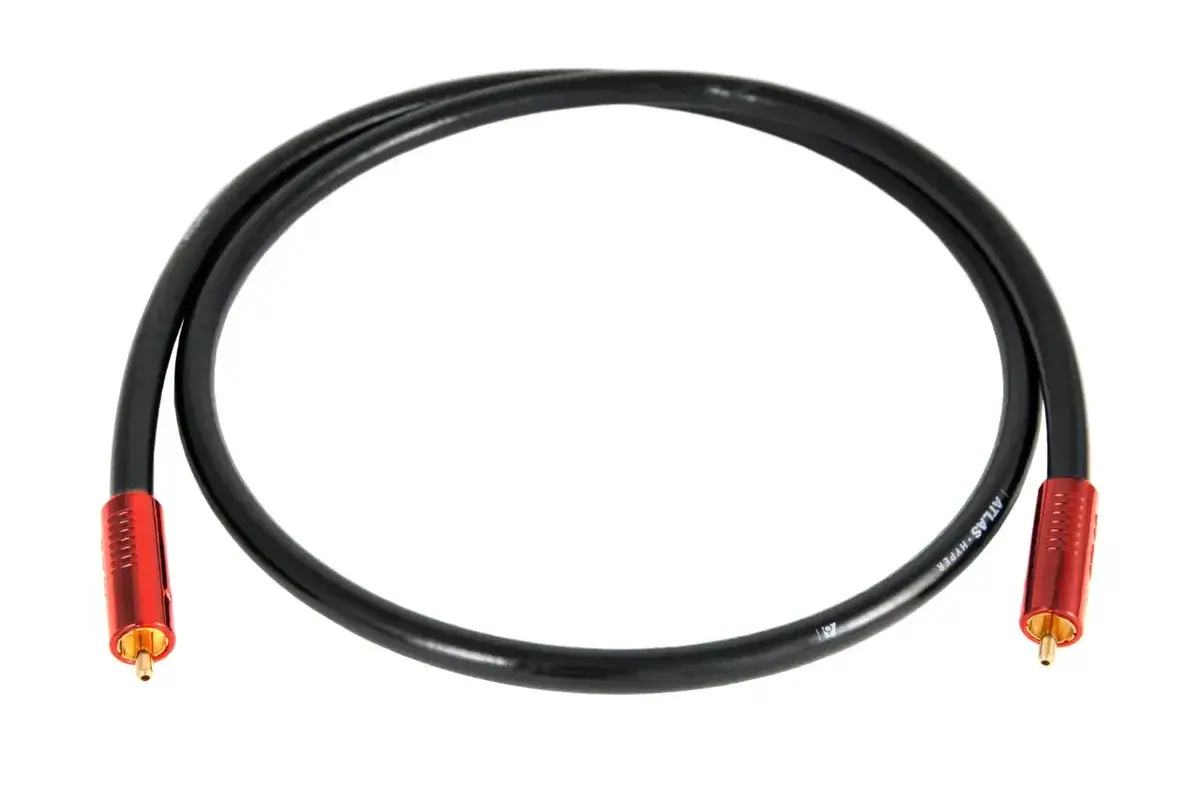
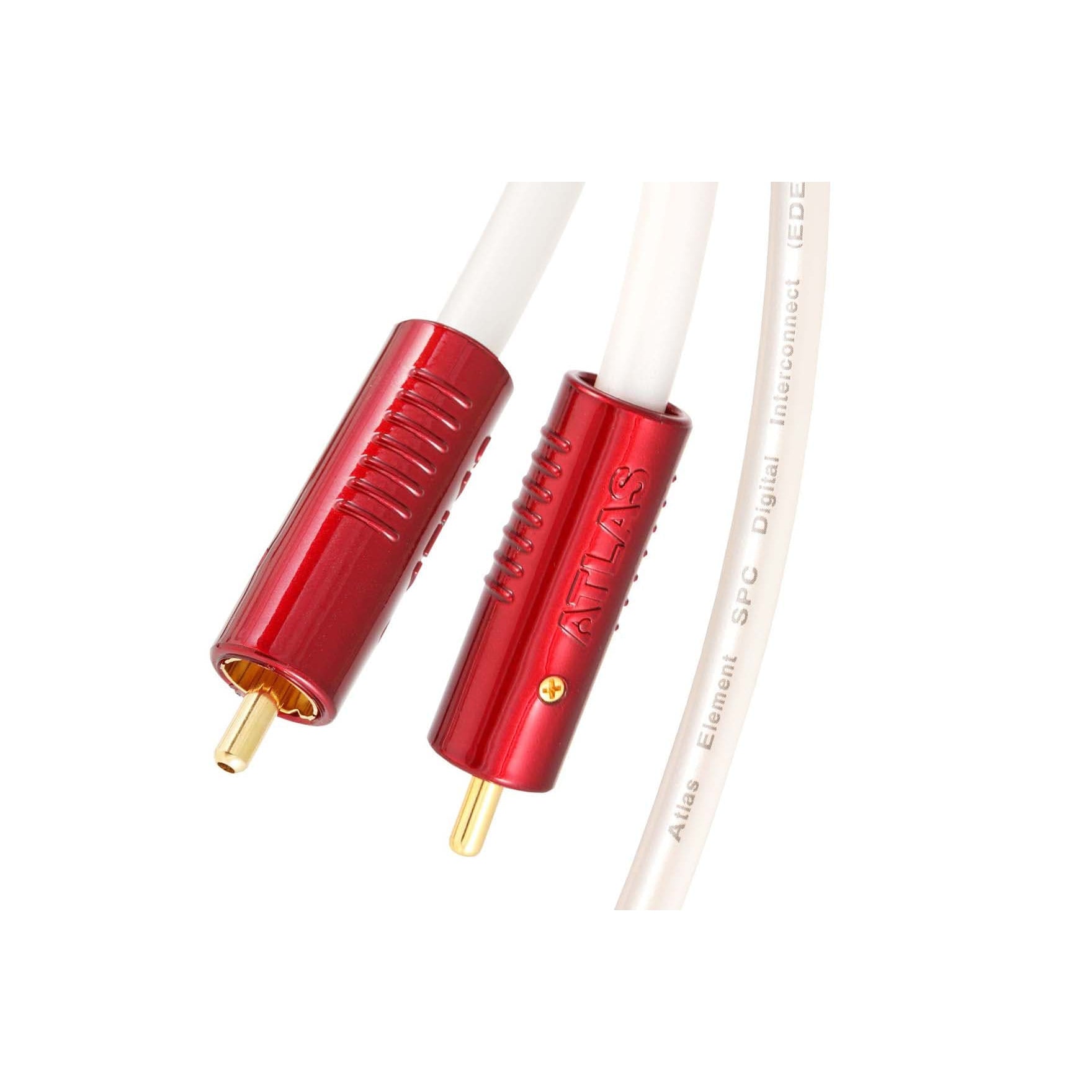
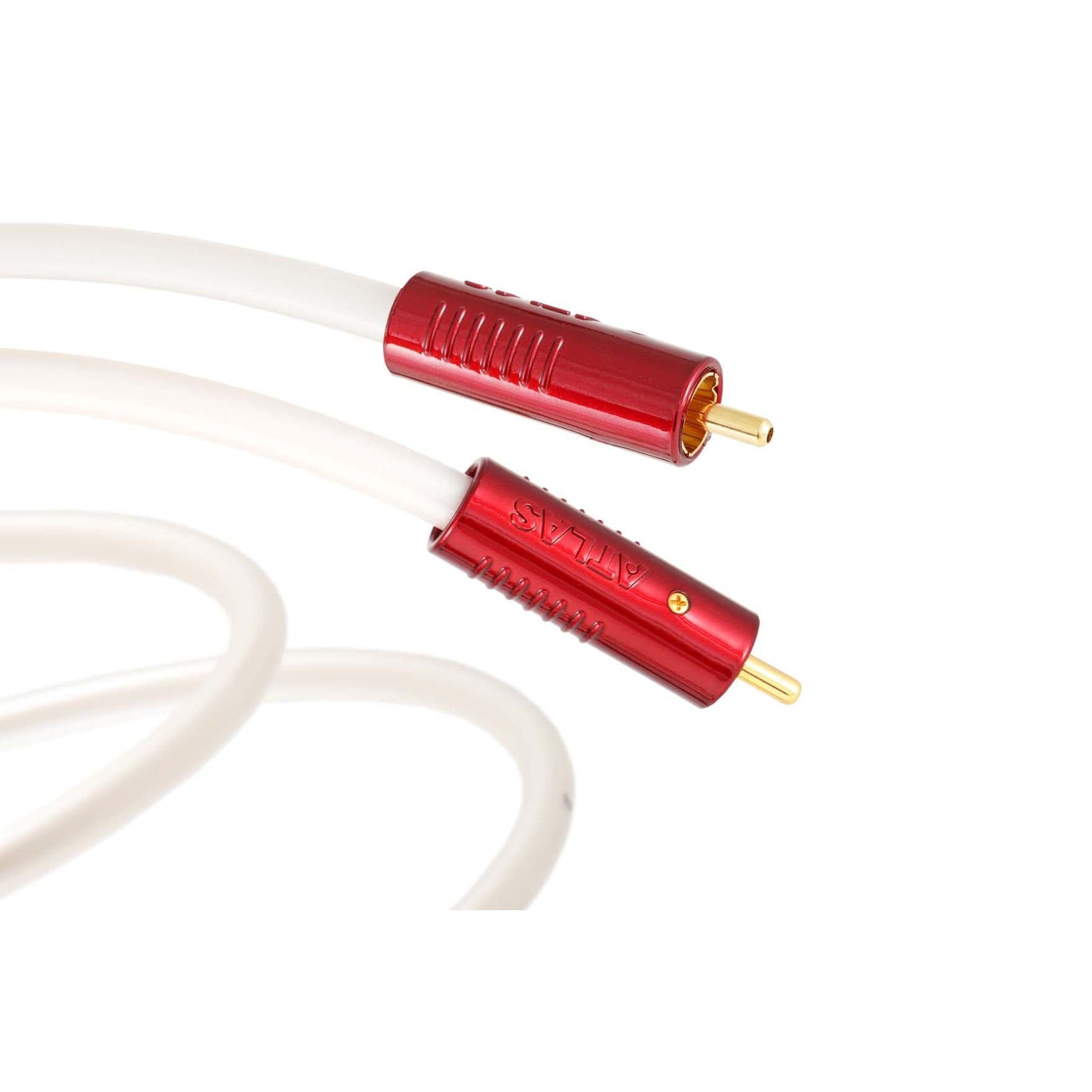
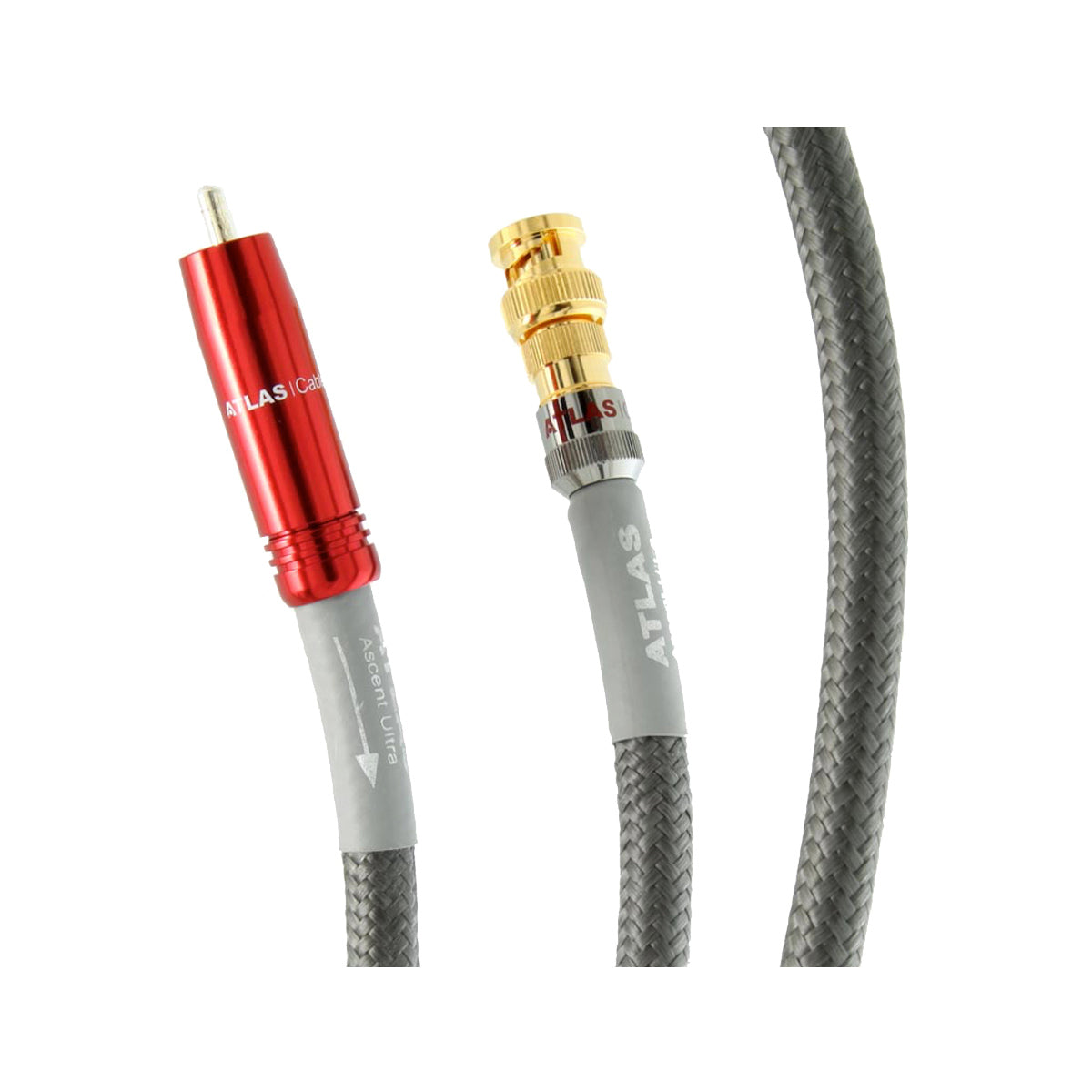
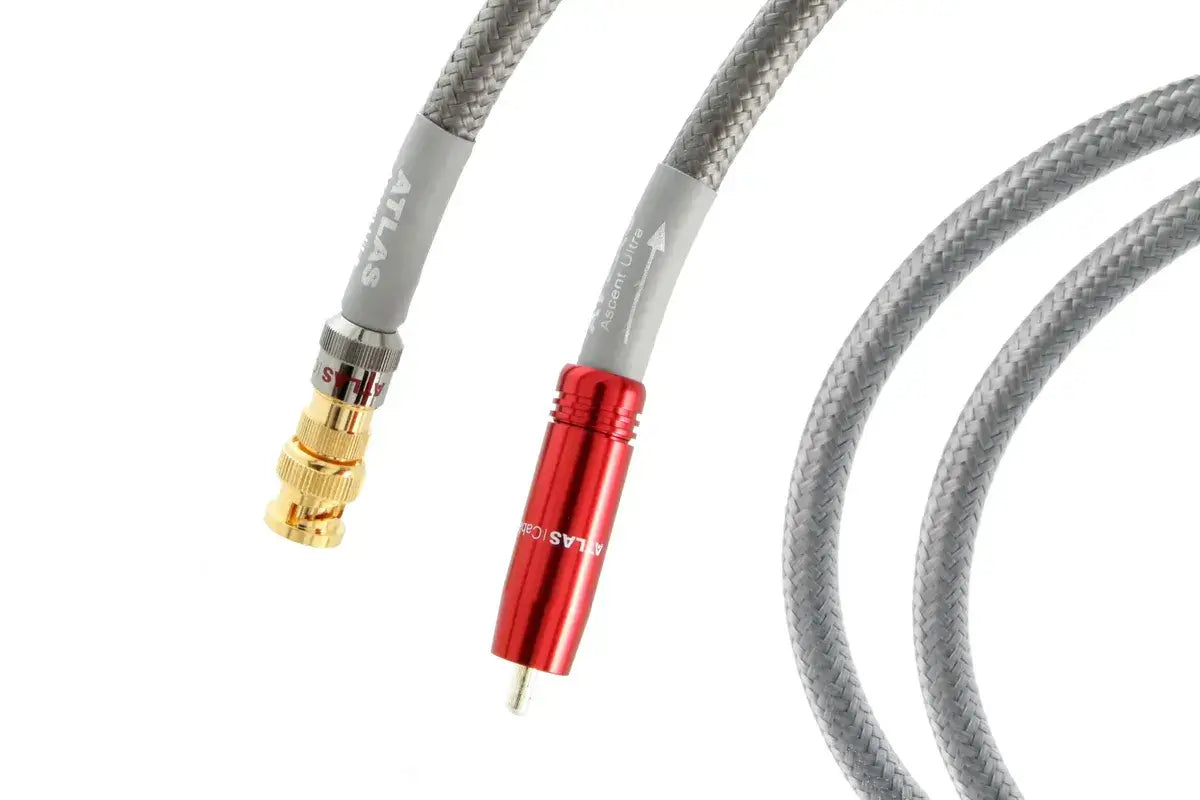
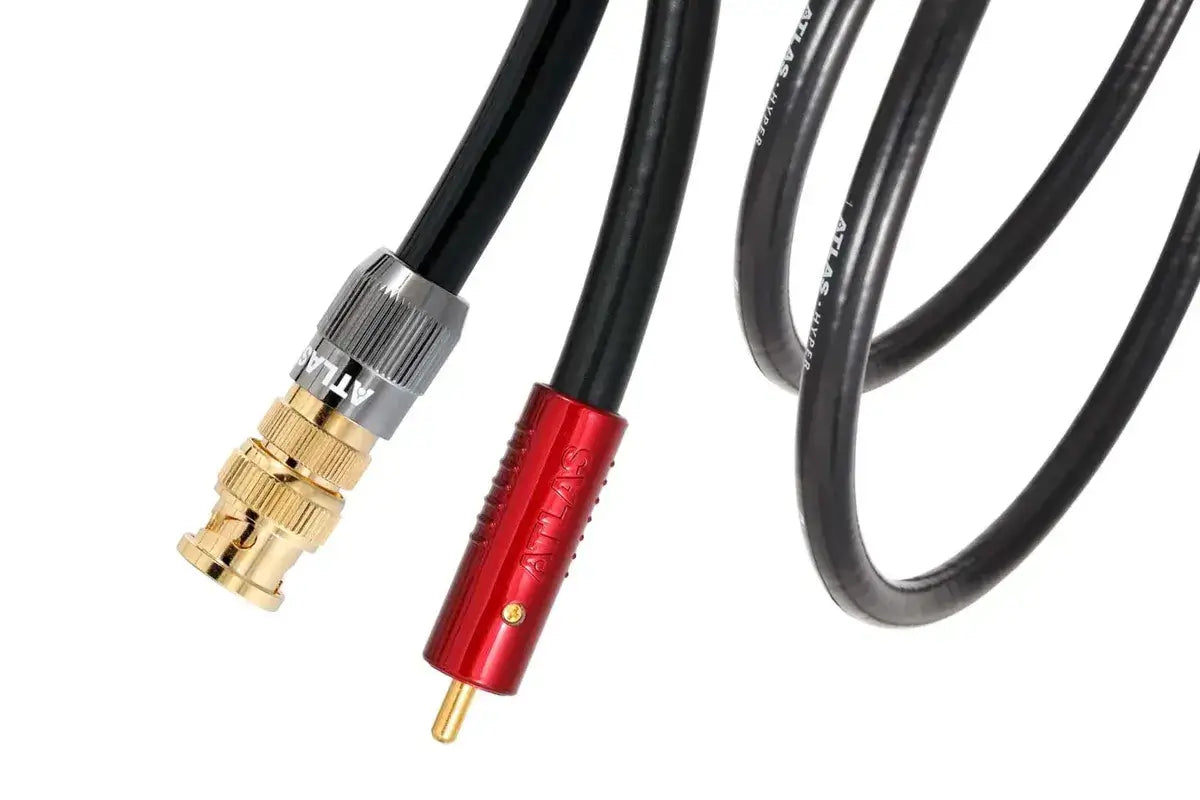
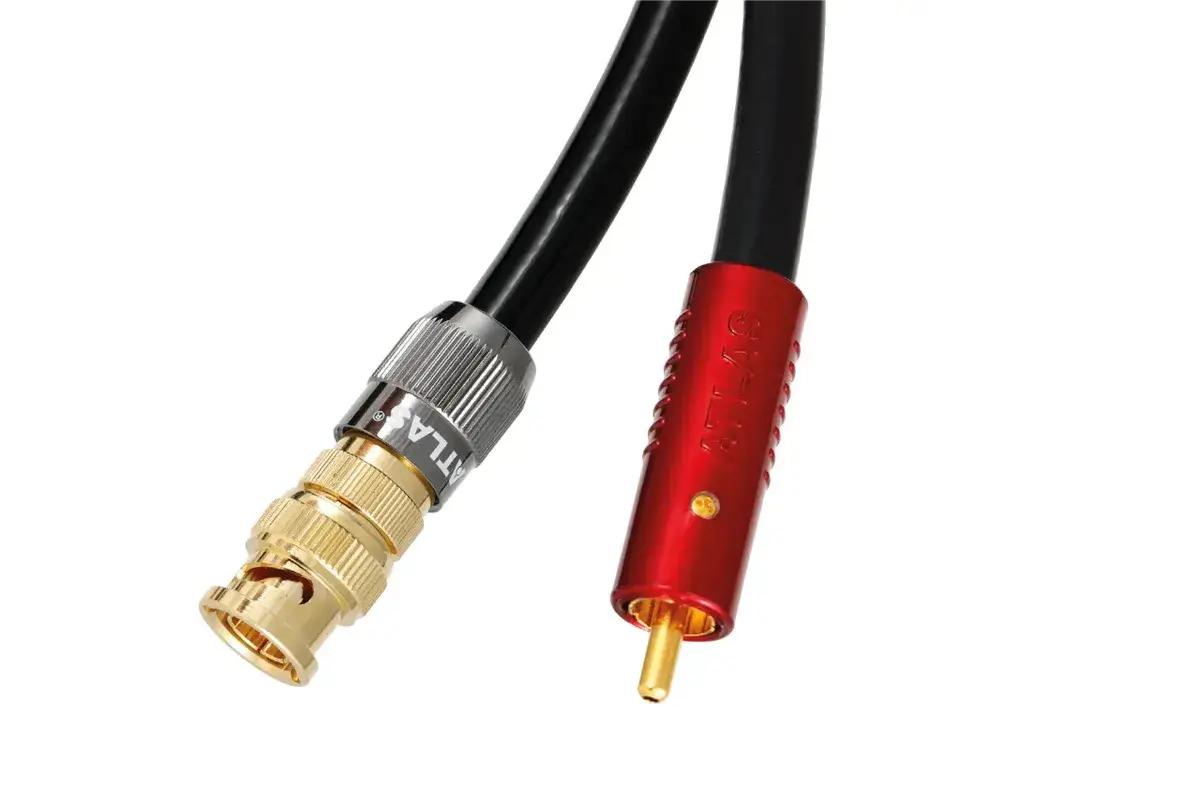
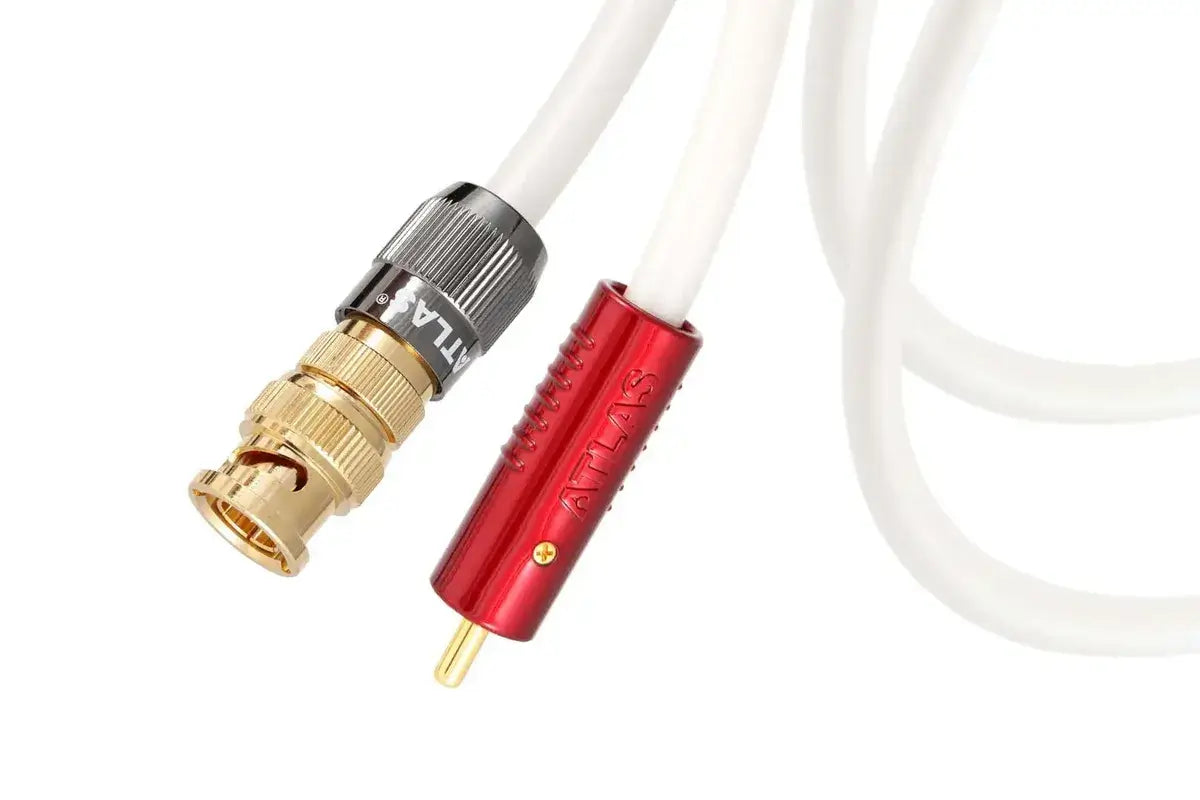
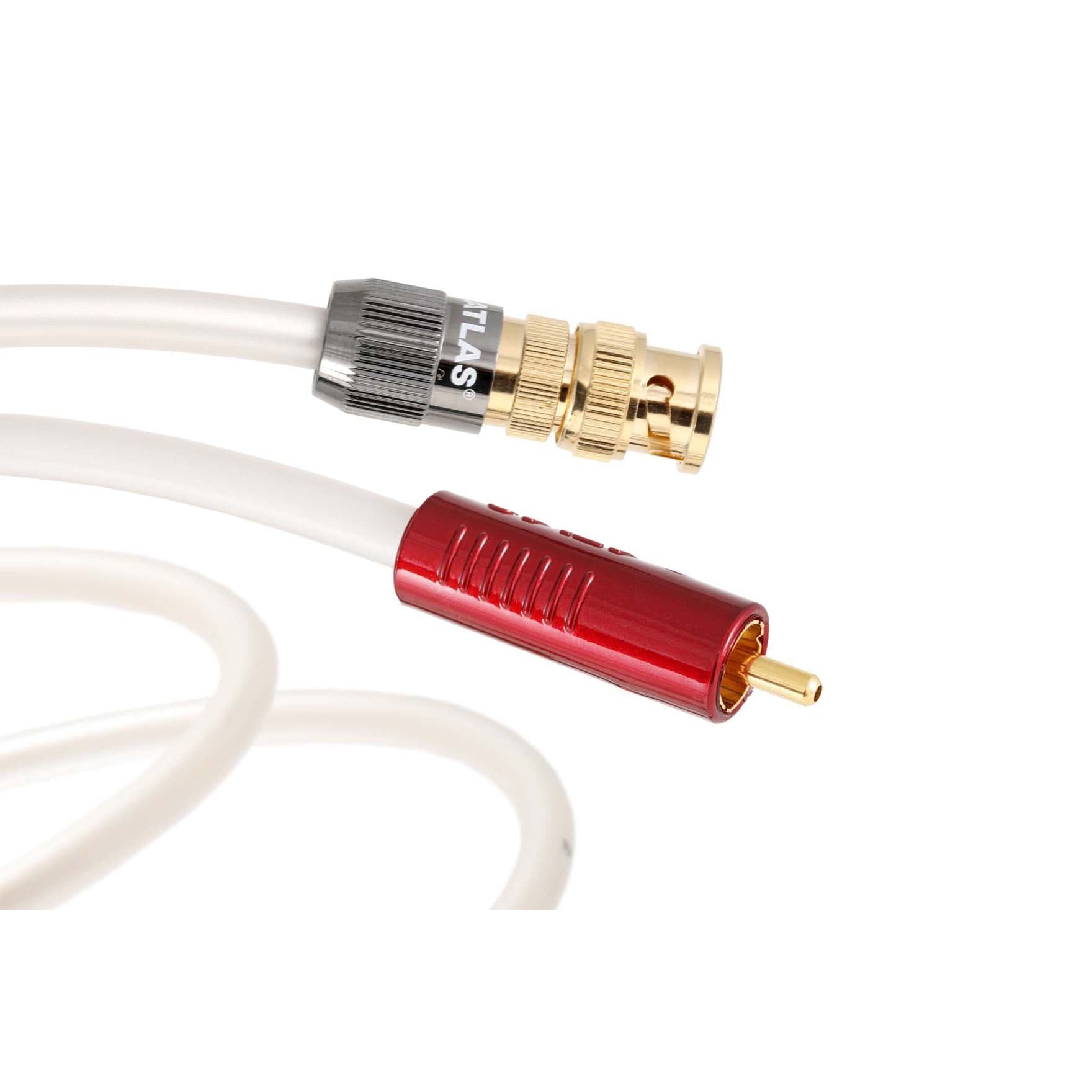
S/PDIF Digital Audio Cables for Coaxial Connections
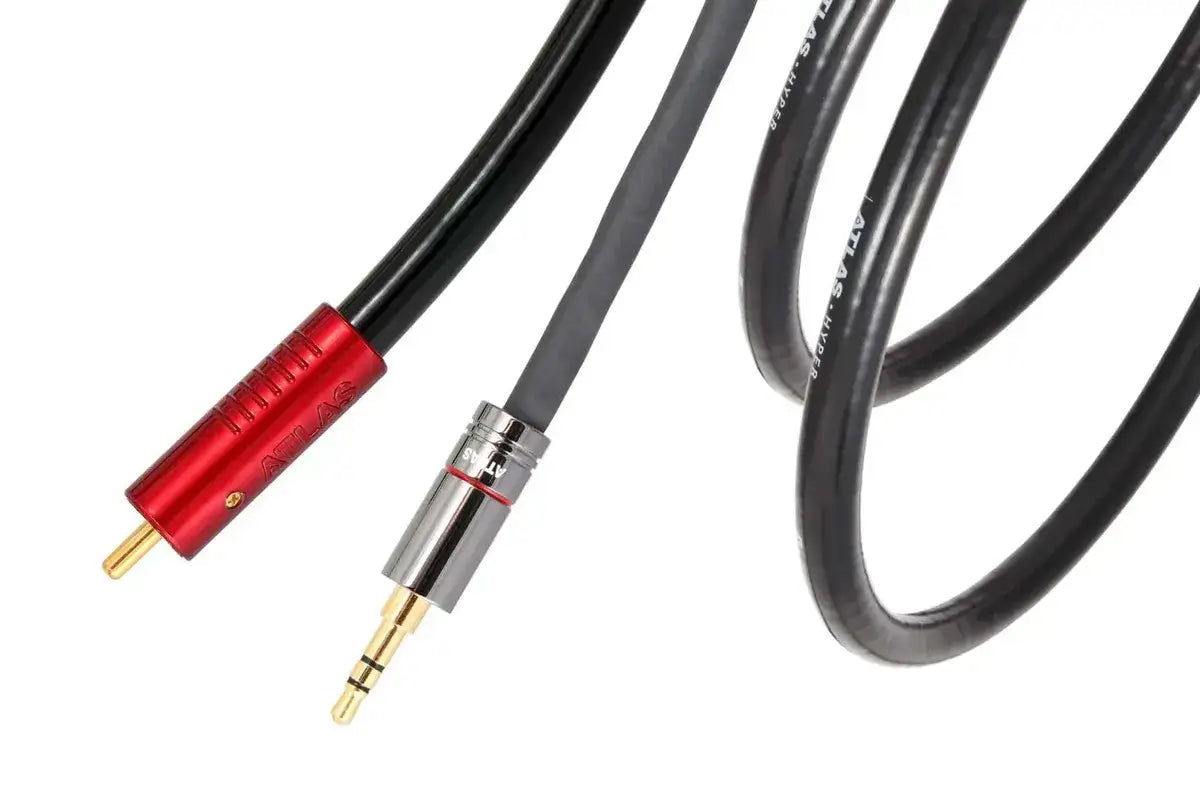
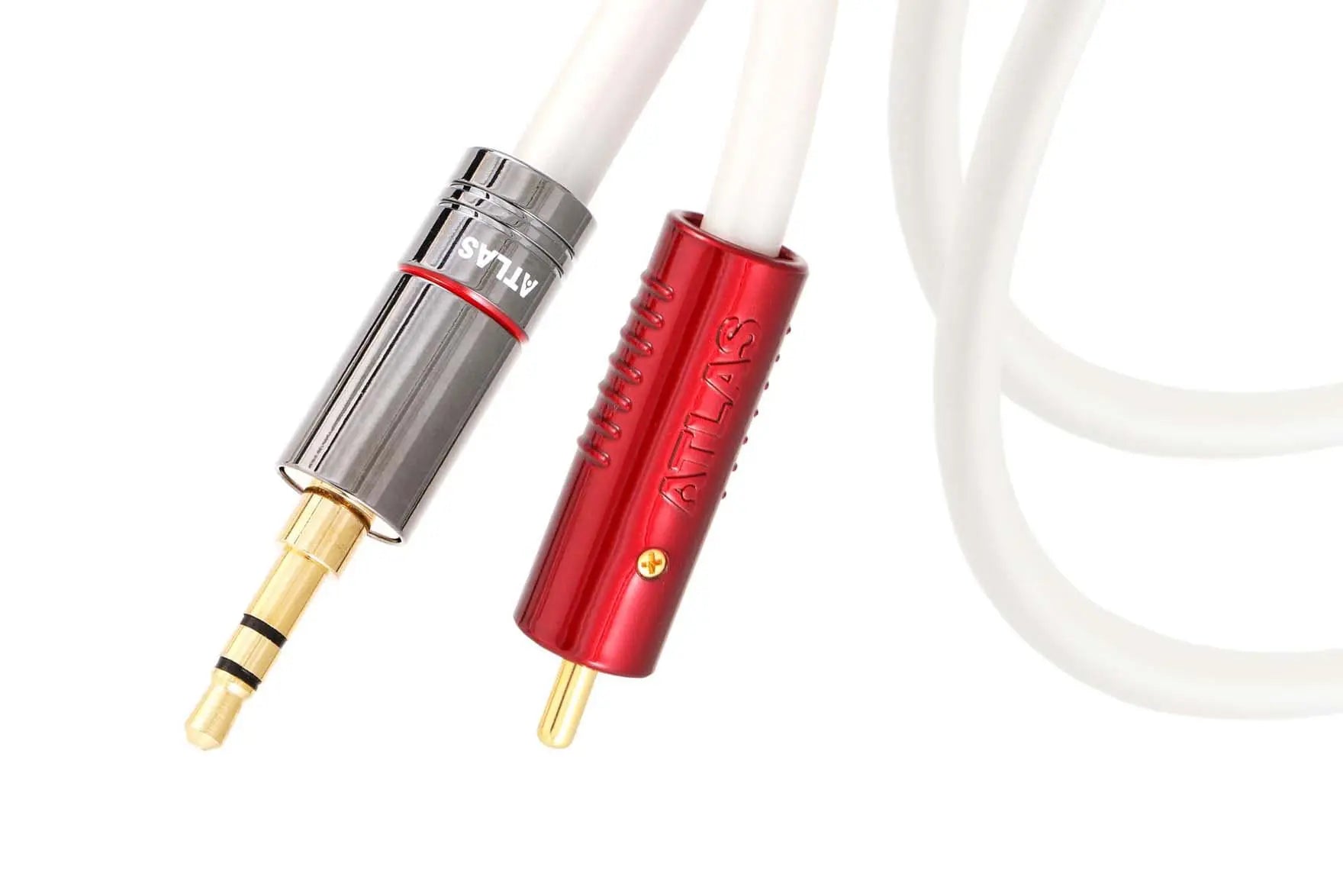
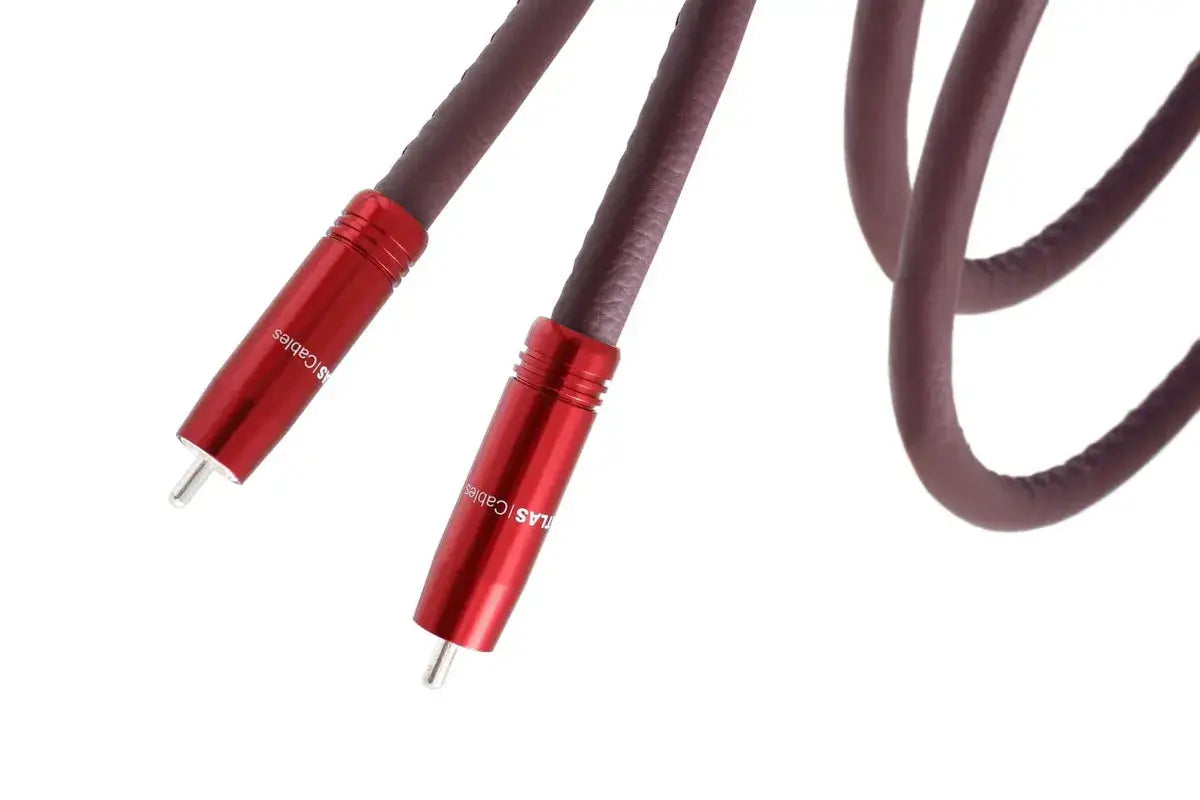
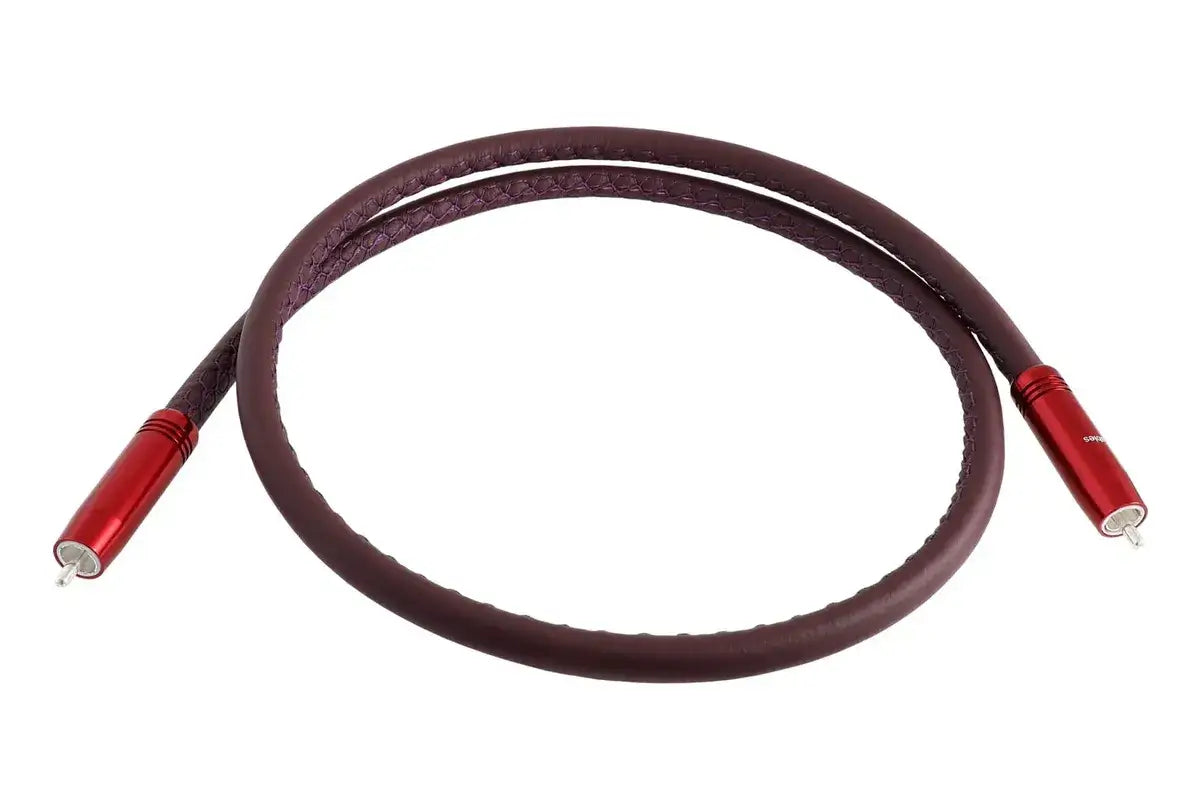
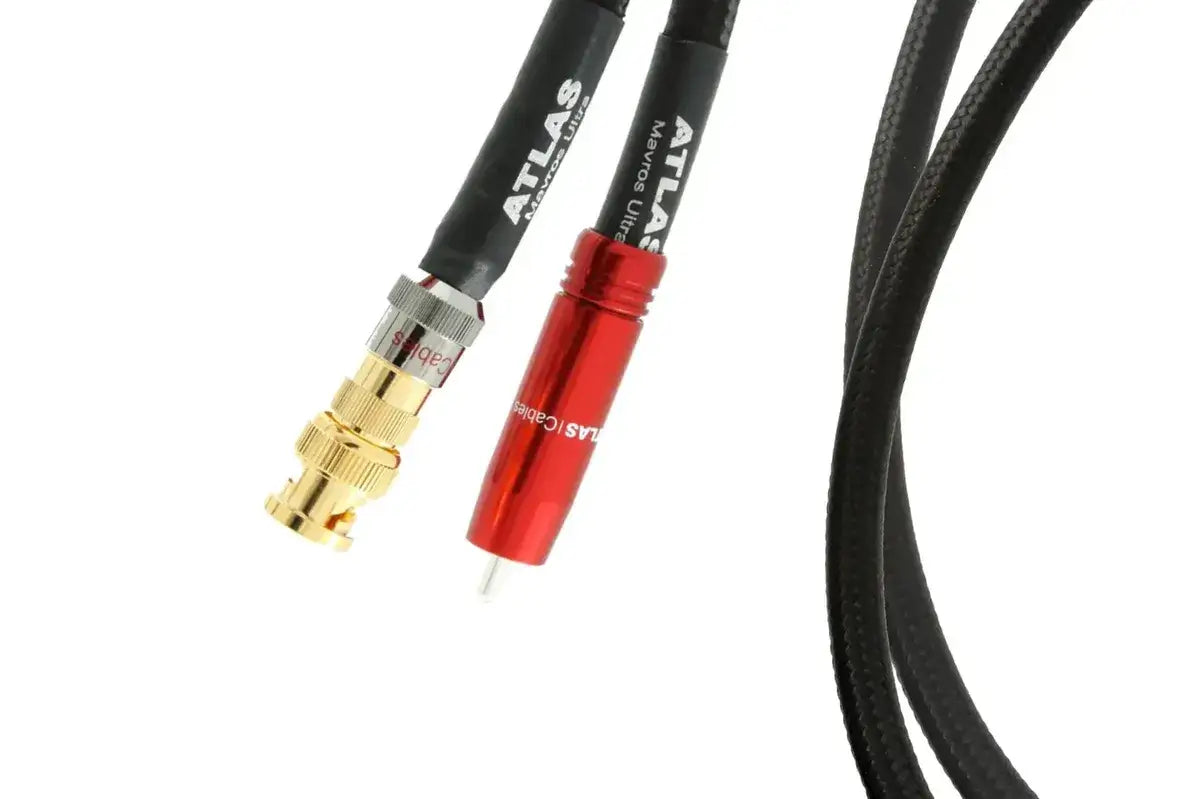
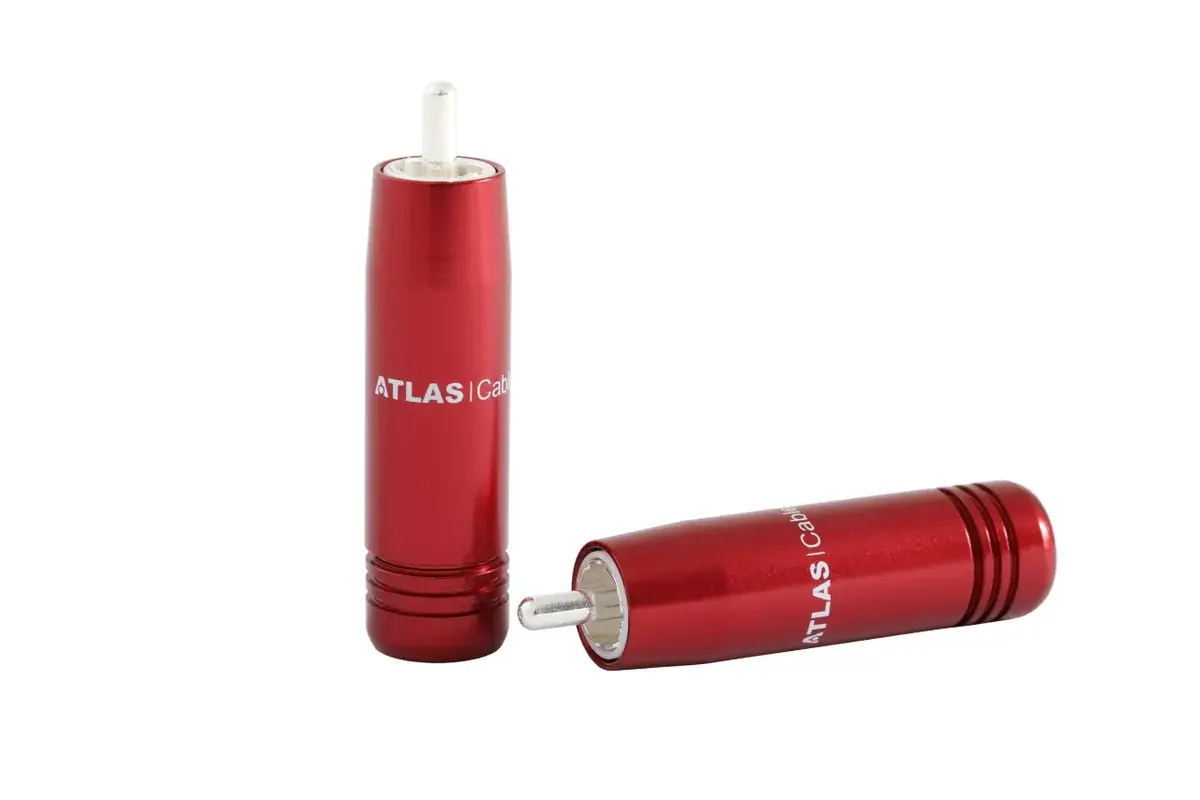
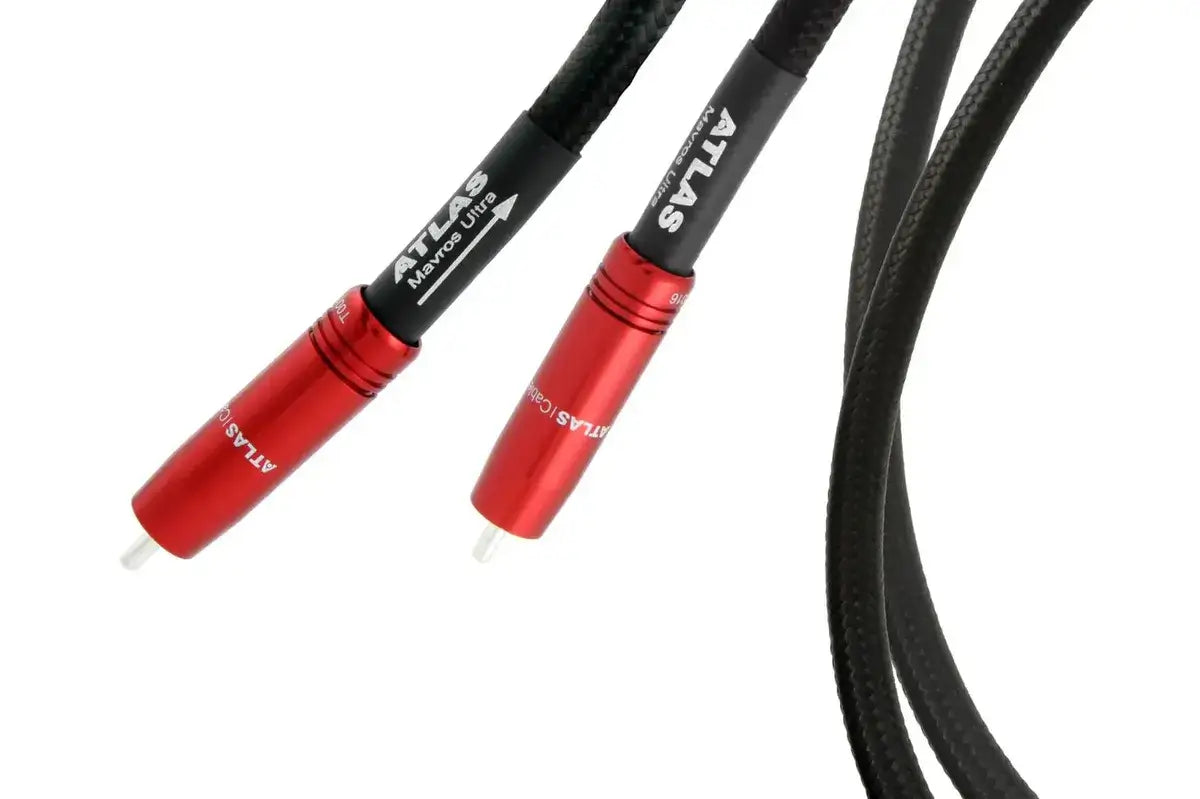
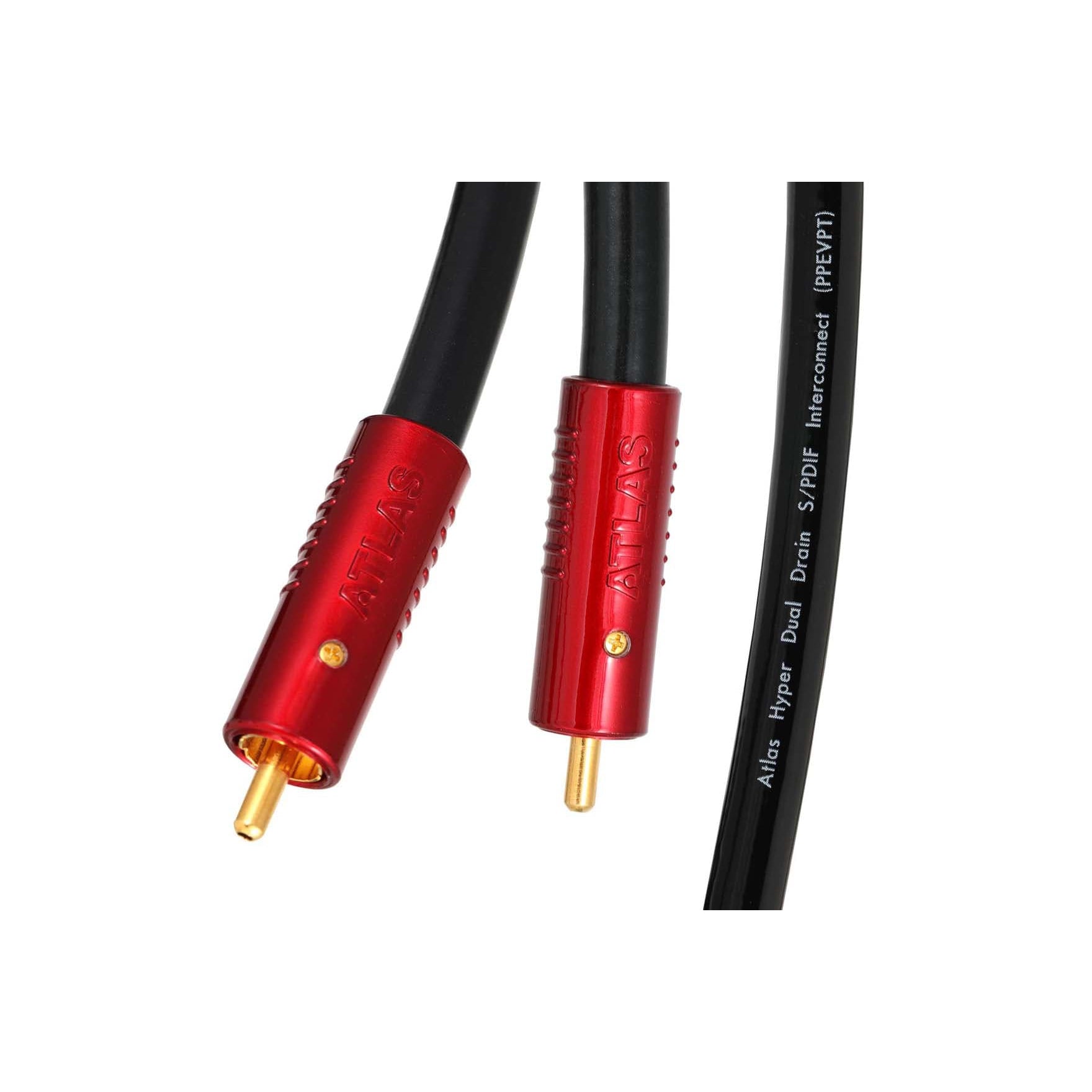
S/PDIF connections are most commonly implemented using coaxial cables with RCA or BNC connectors, designed to maintain a consistent 75-ohm impedance for accurate digital signal transmission. Unlike analogue interconnects, S/PDIF cables are optimised to preserve timing and data integrity rather than audio frequency response. Although they may use similar connectors, S/PDIF cables differ fundamentally from analogue RCA cables, as they carry digital data rather than an analogue audio signal.
In an audio system, S/PDIF cables connect a digital source directly to a DAC or digital input on an amplifier or AV receiver, where the digital signal is decoded and converted to analogue audio. Because the signal remains digital until conversion, S/PDIF cables are not interchangeable with analogue RCA cables and should be selected specifically for digital audio use. S/PDIF cables are typically used in conjunction with a digital-to-analogue converter (DAC) or an amplifier with a built-in digital input.