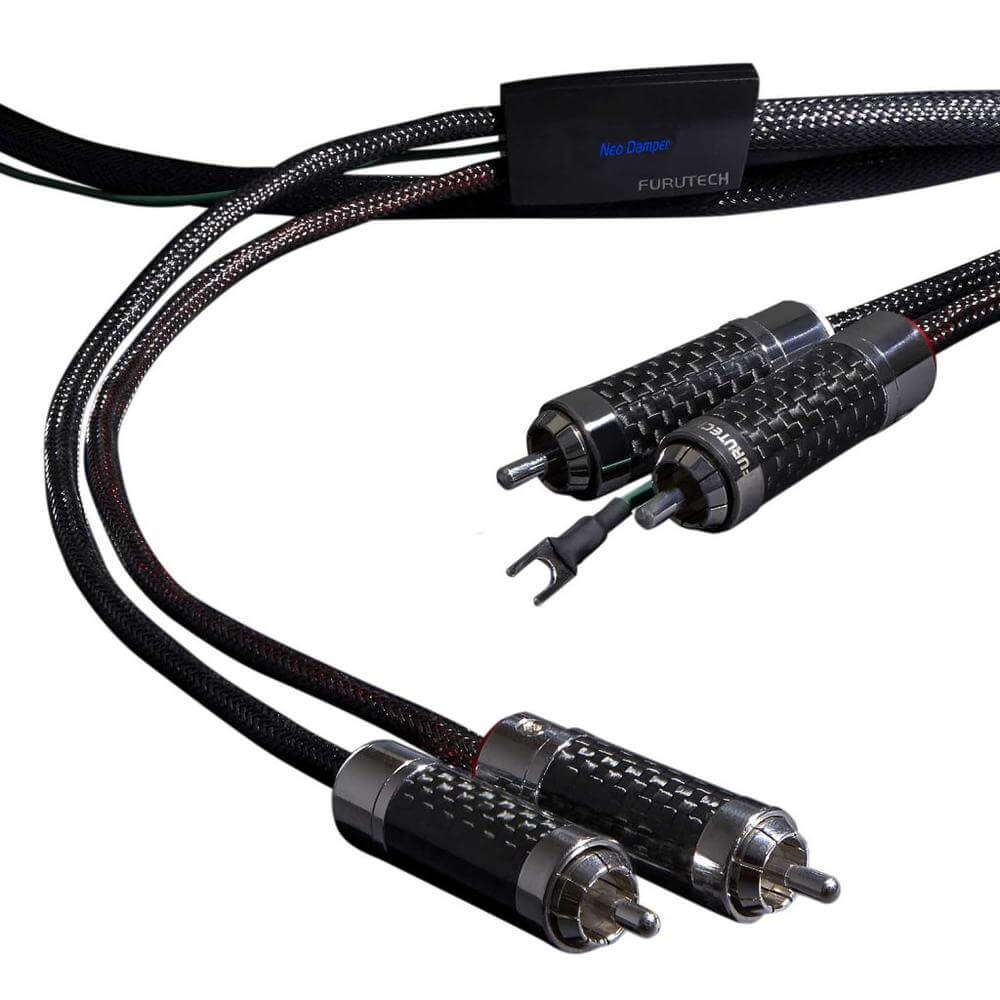
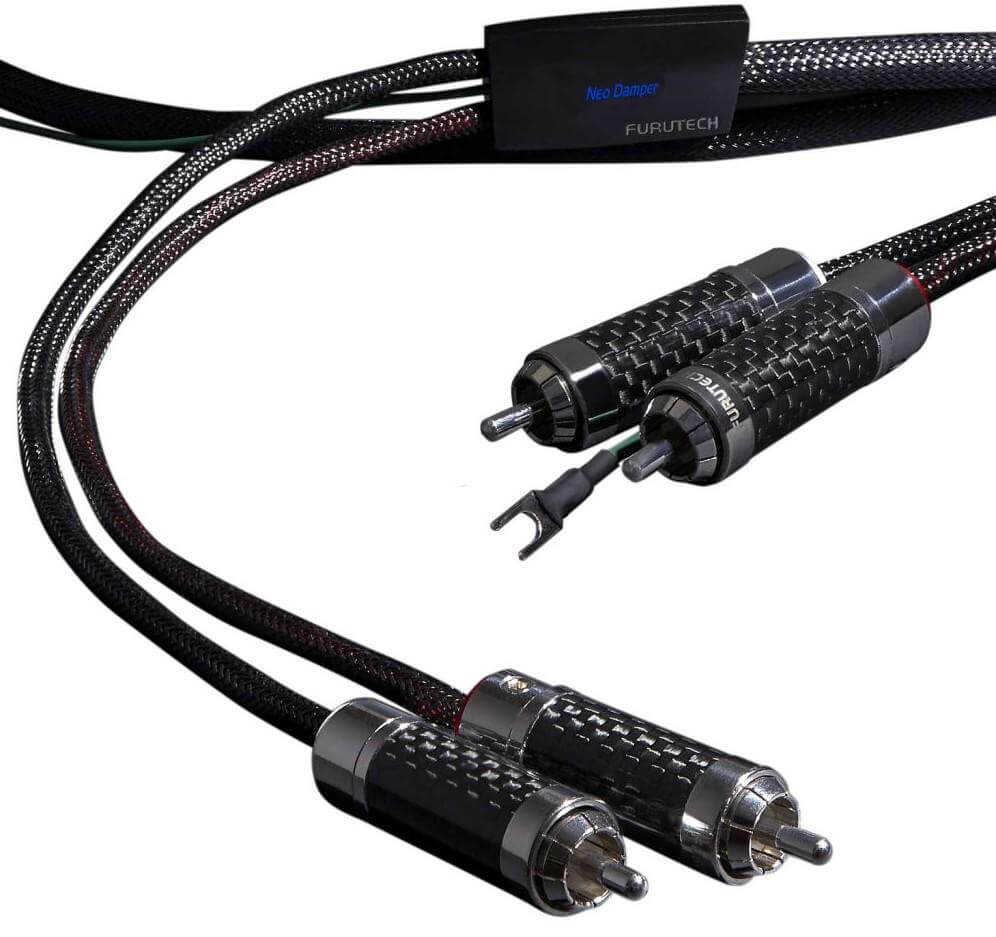
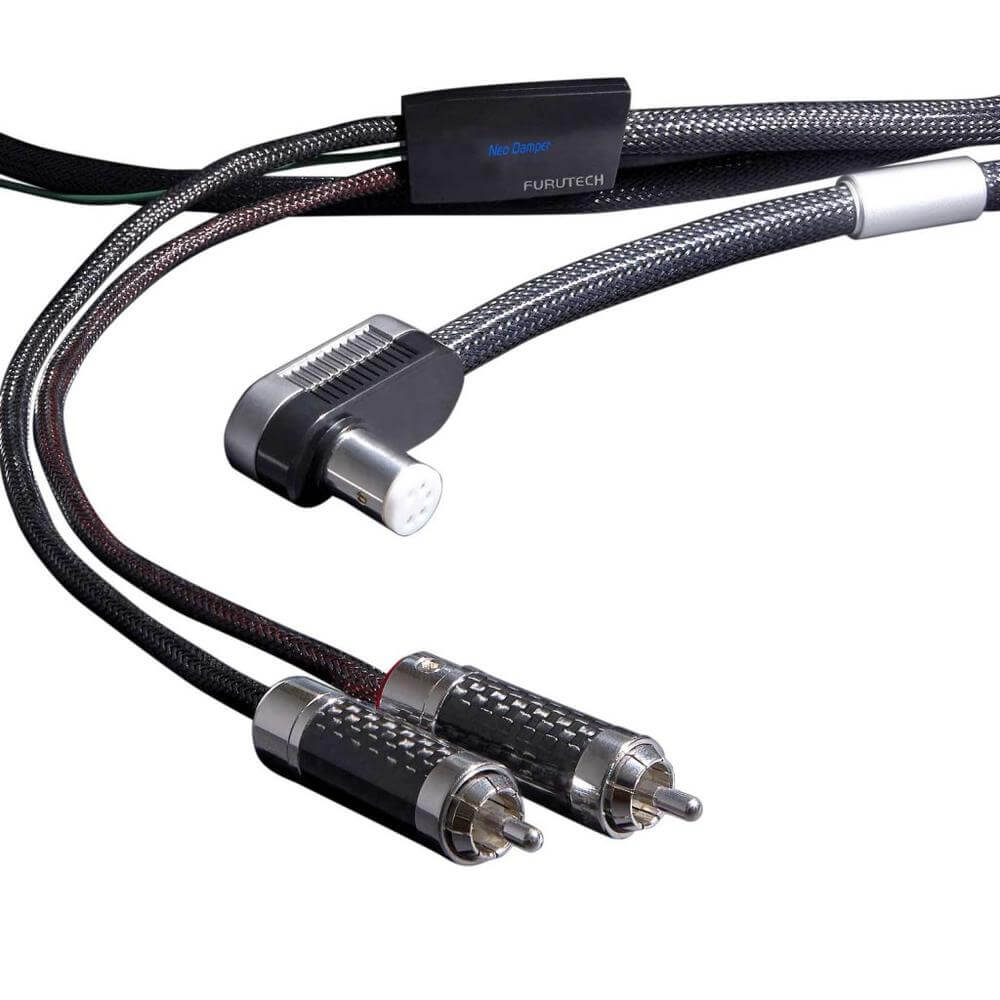
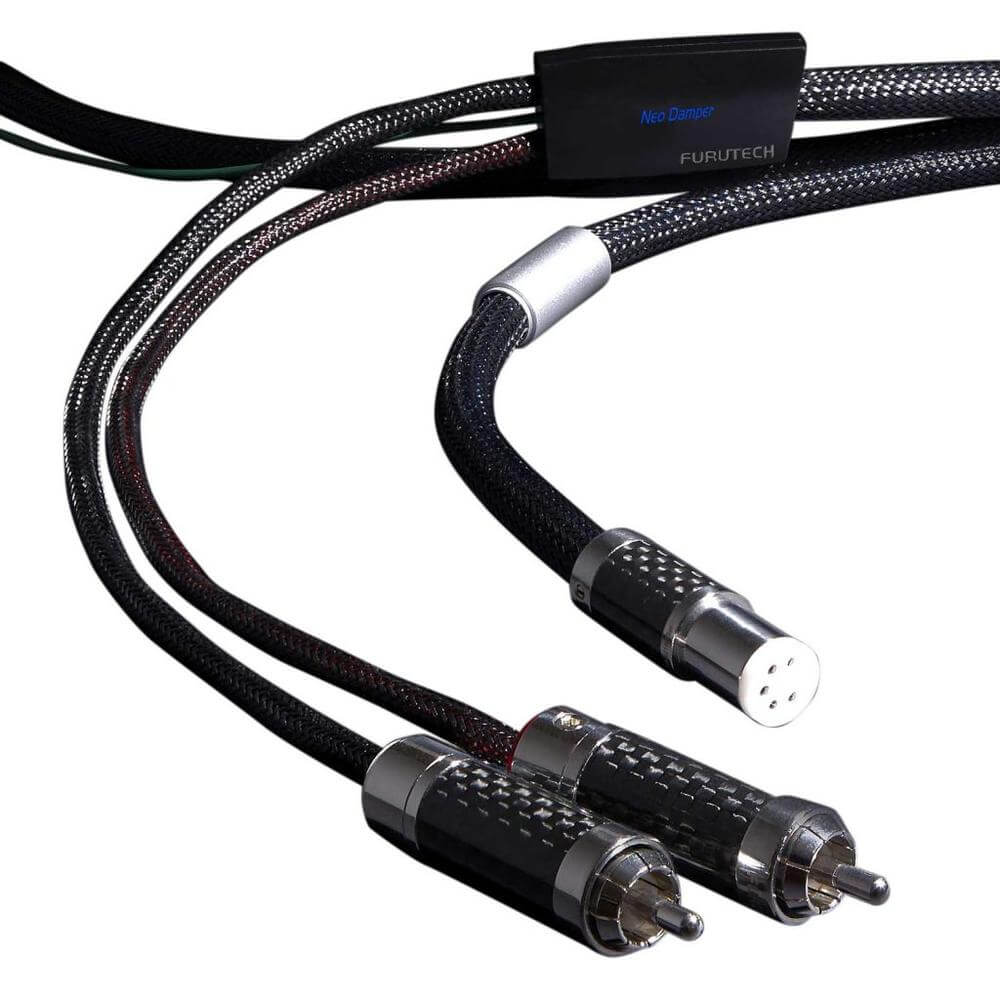
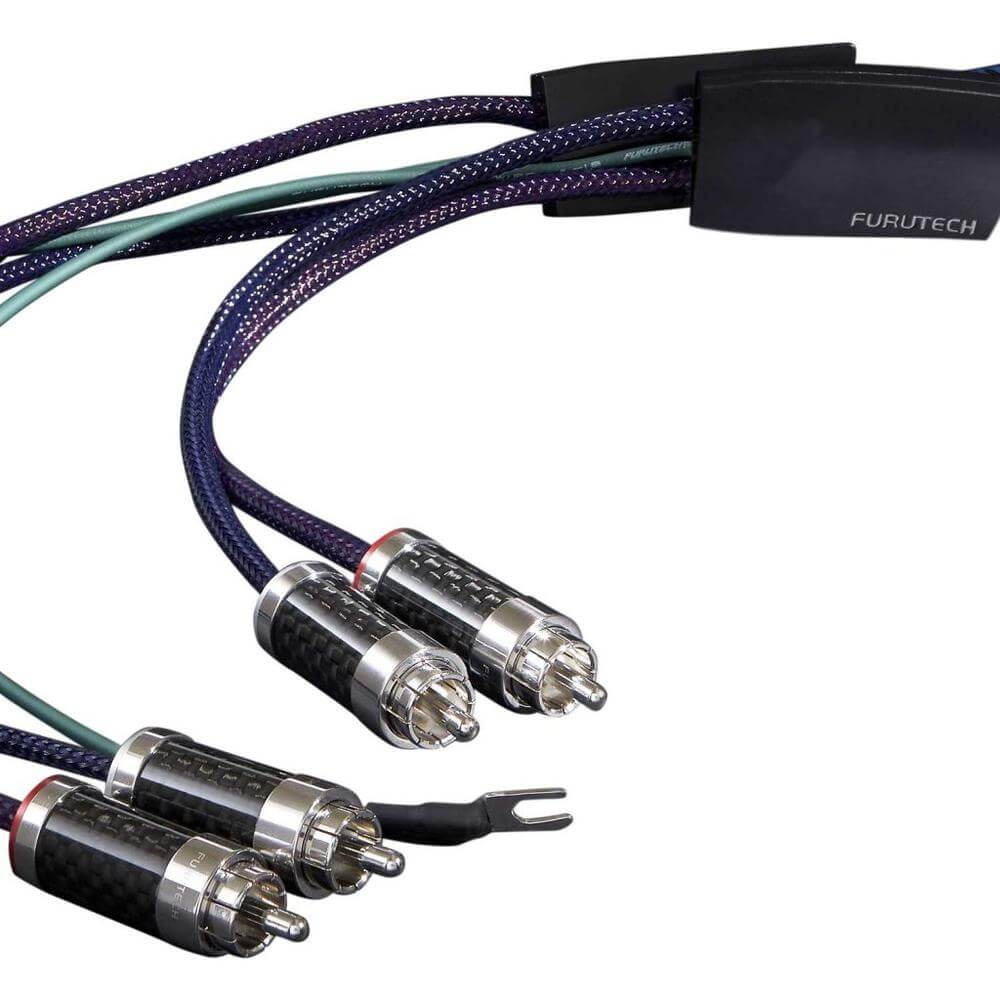
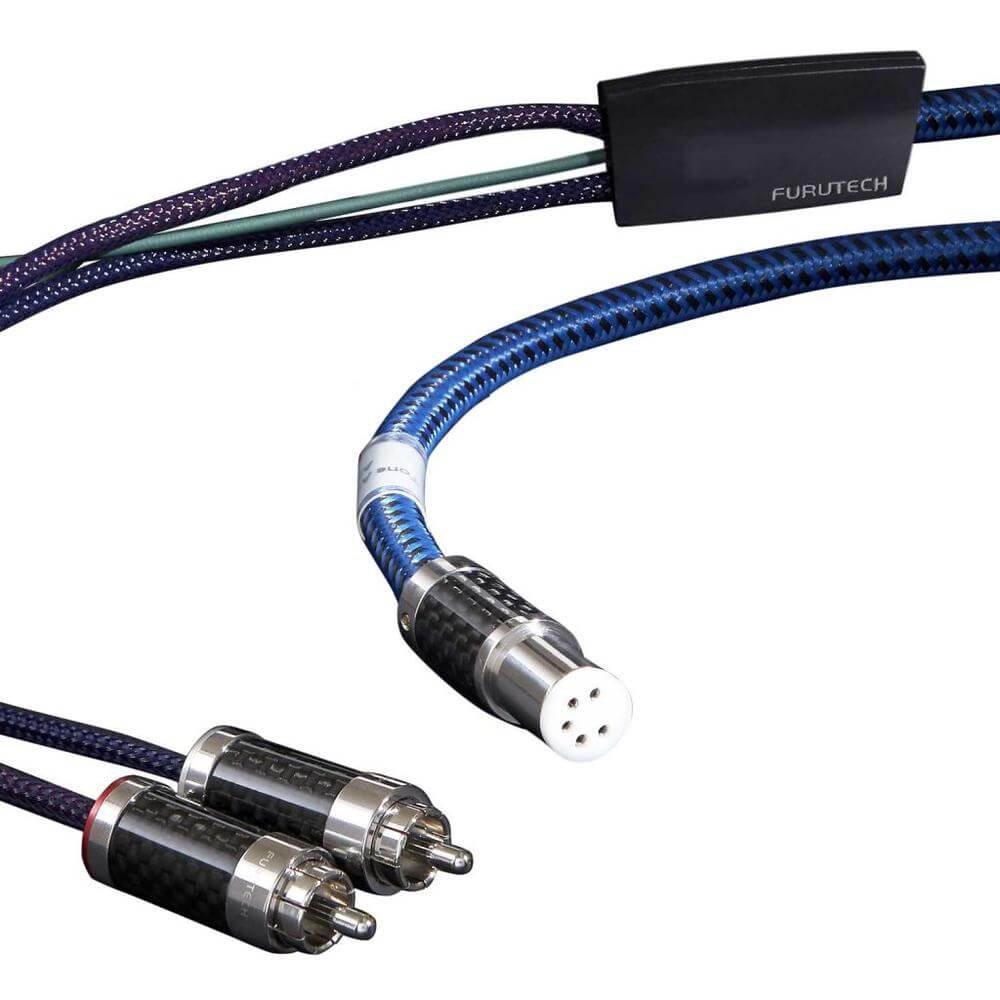
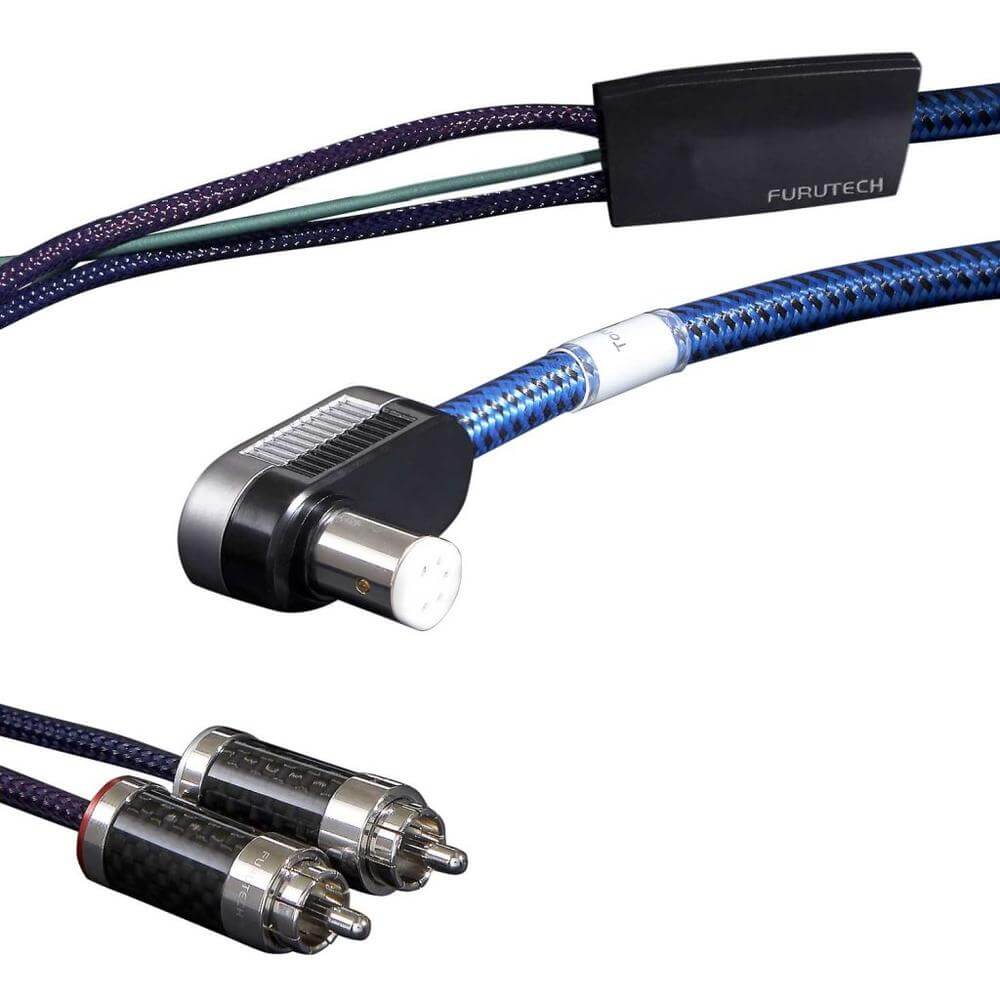
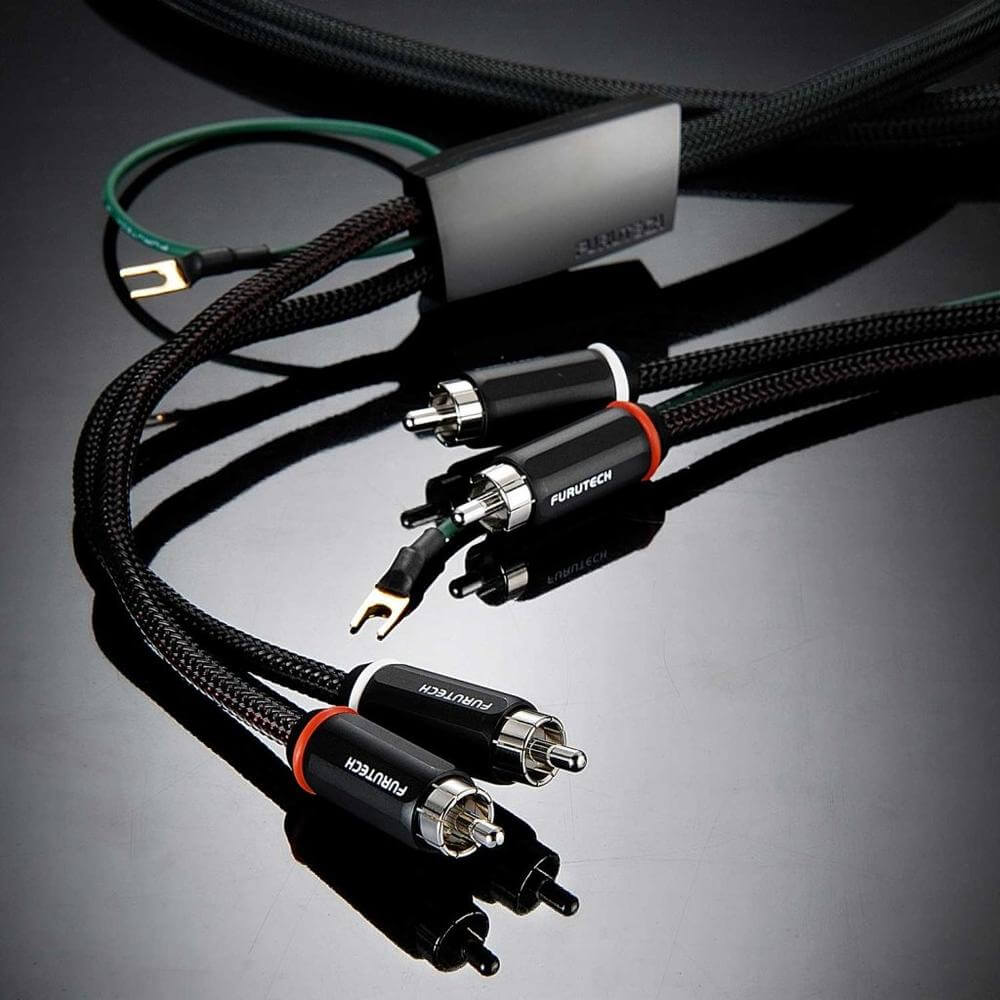
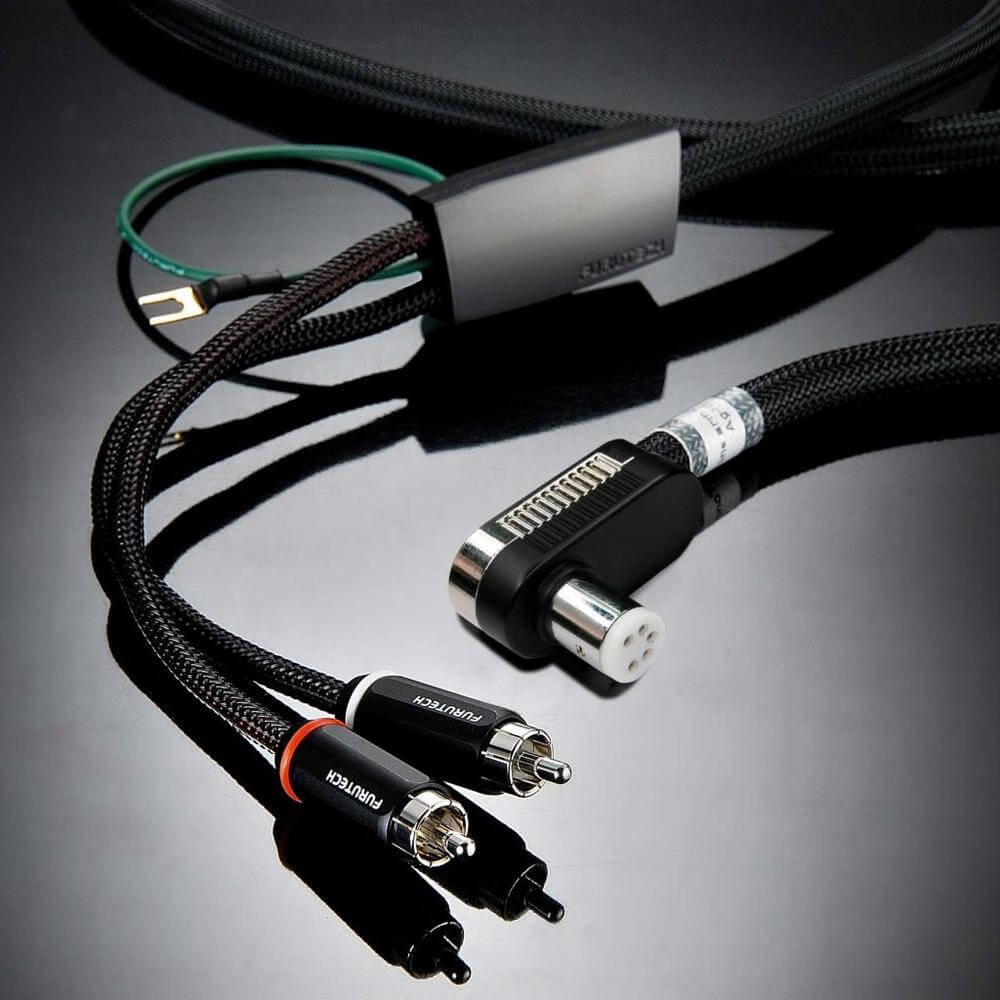
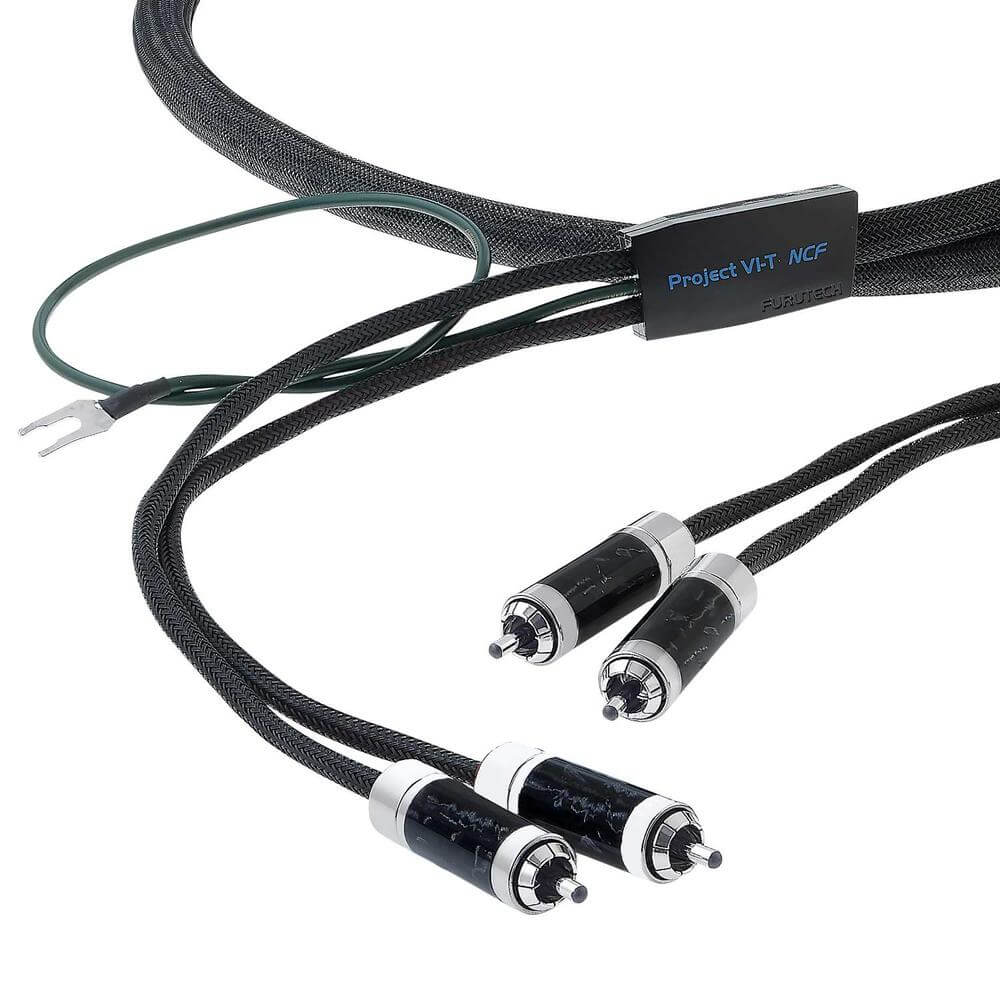
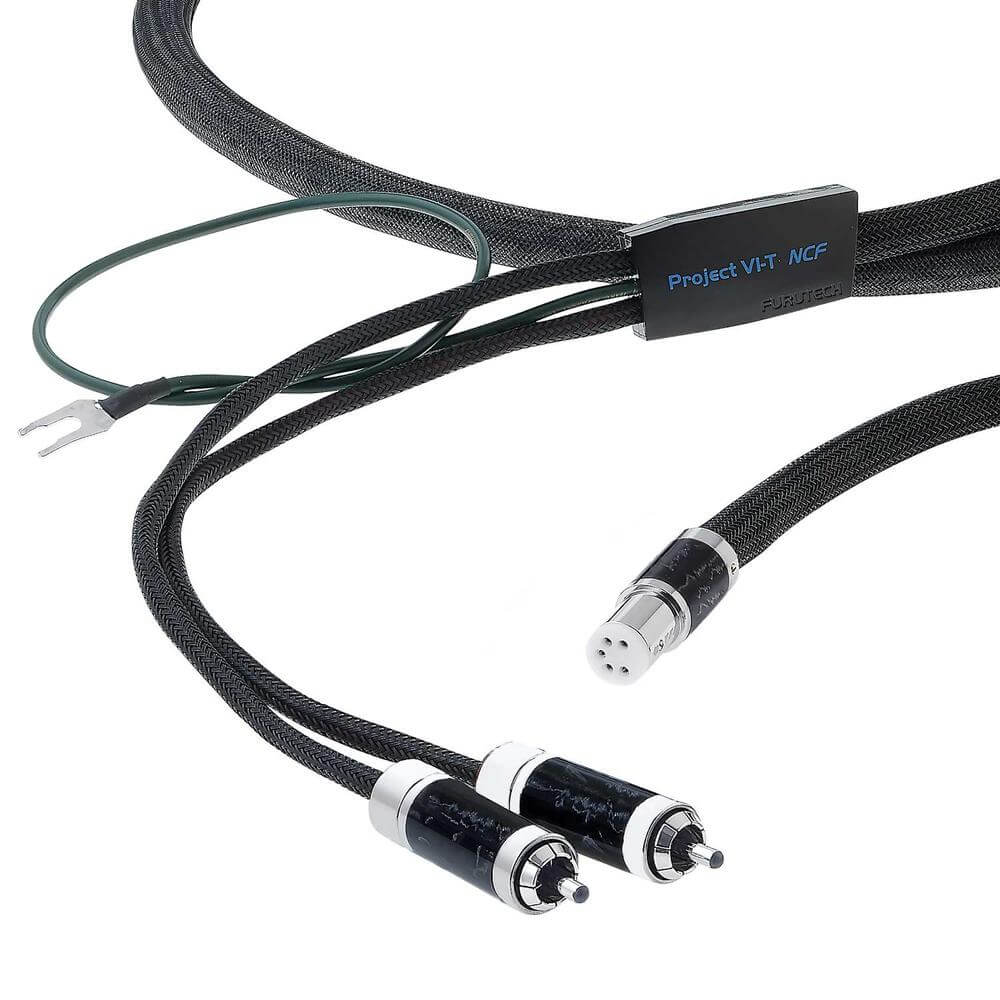
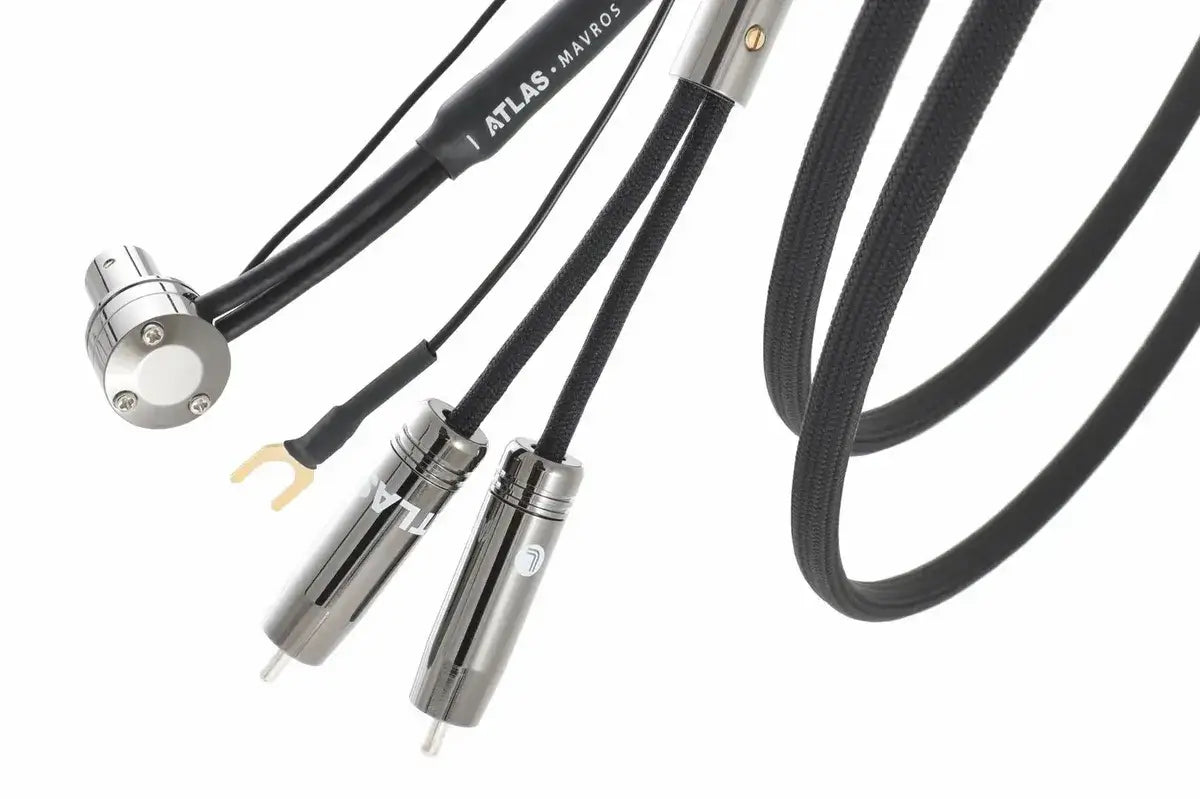
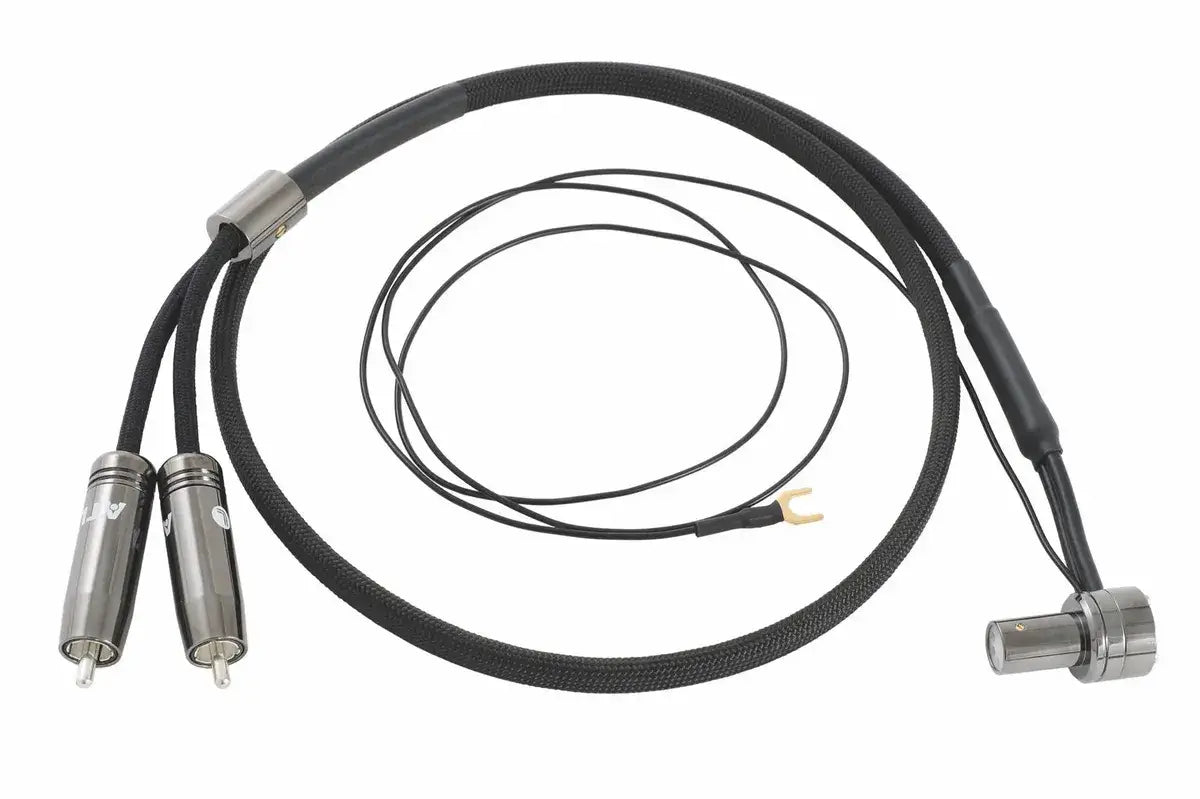
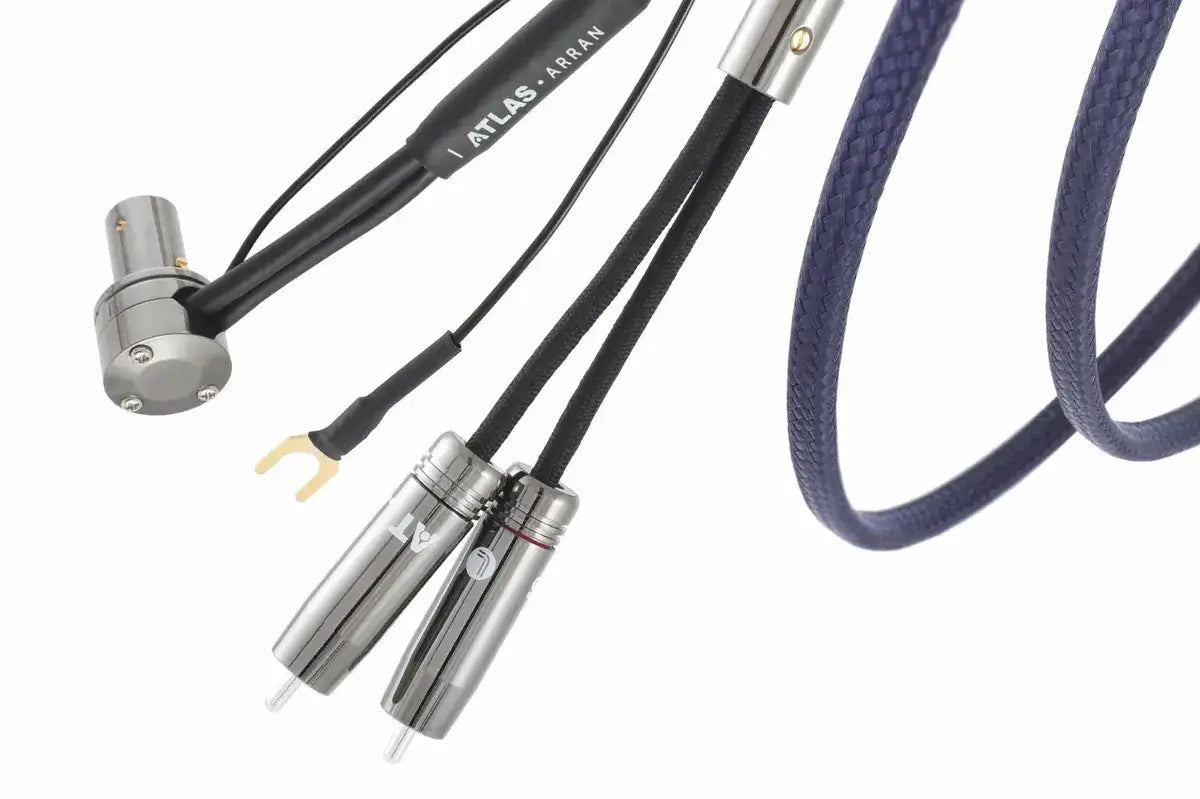
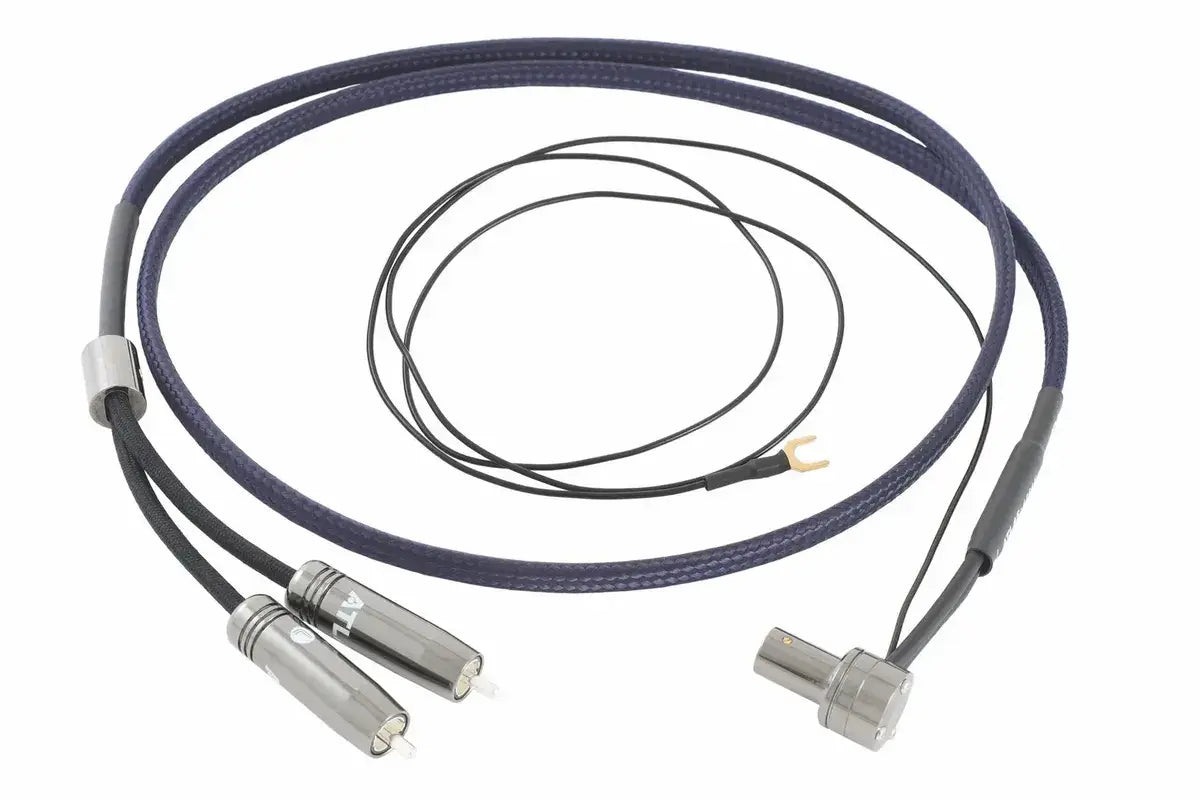
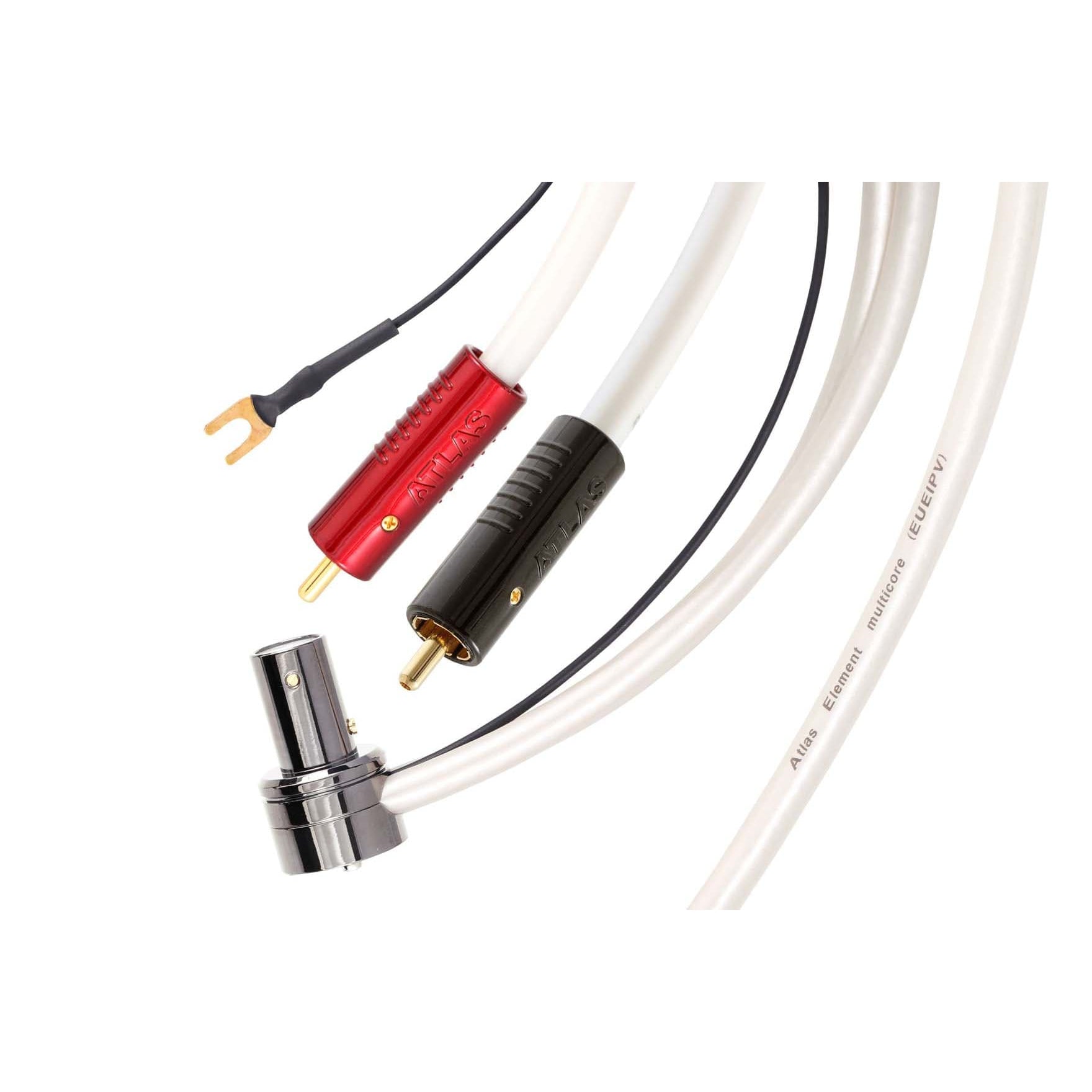
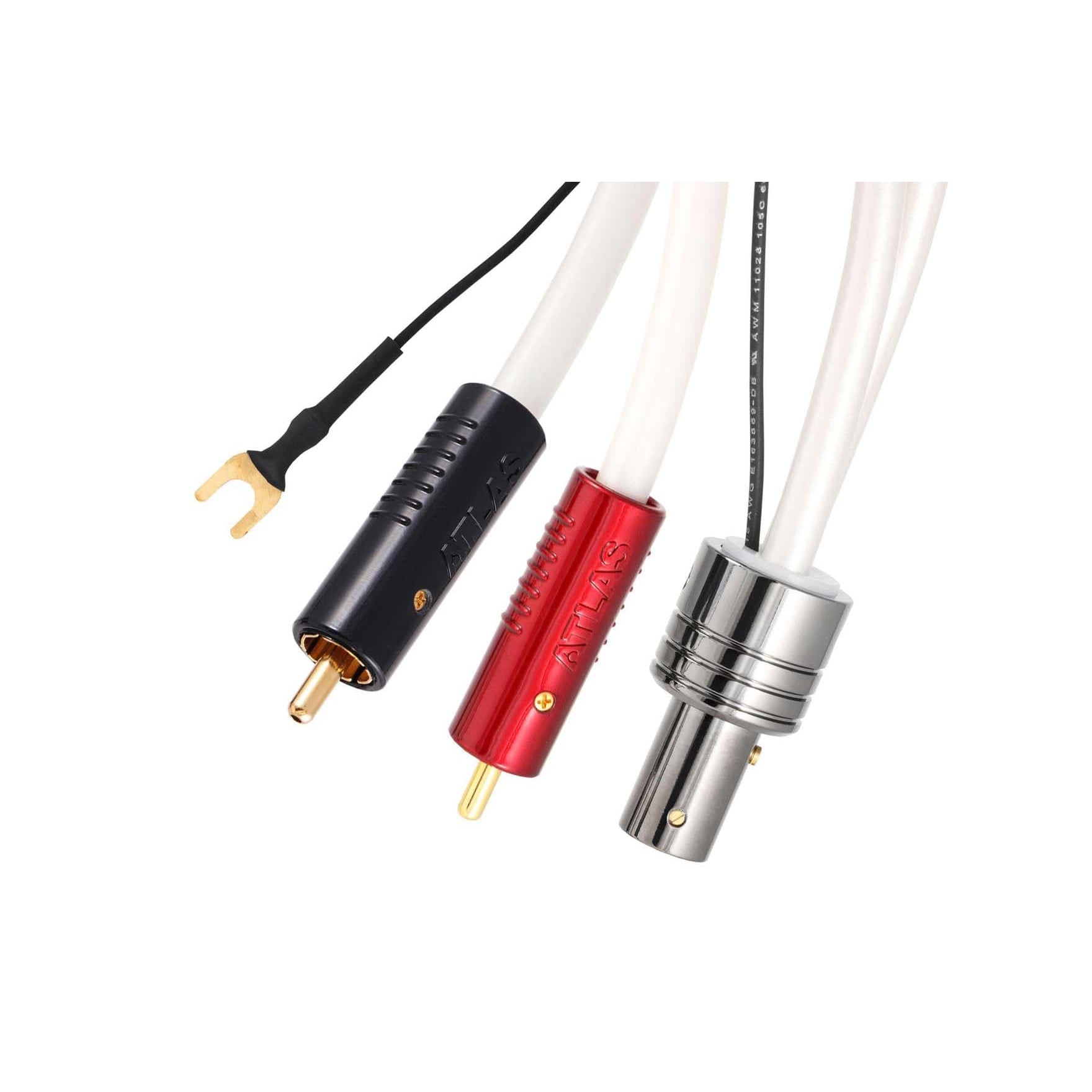
Tonearm Cables for Cartridge-Level Signals
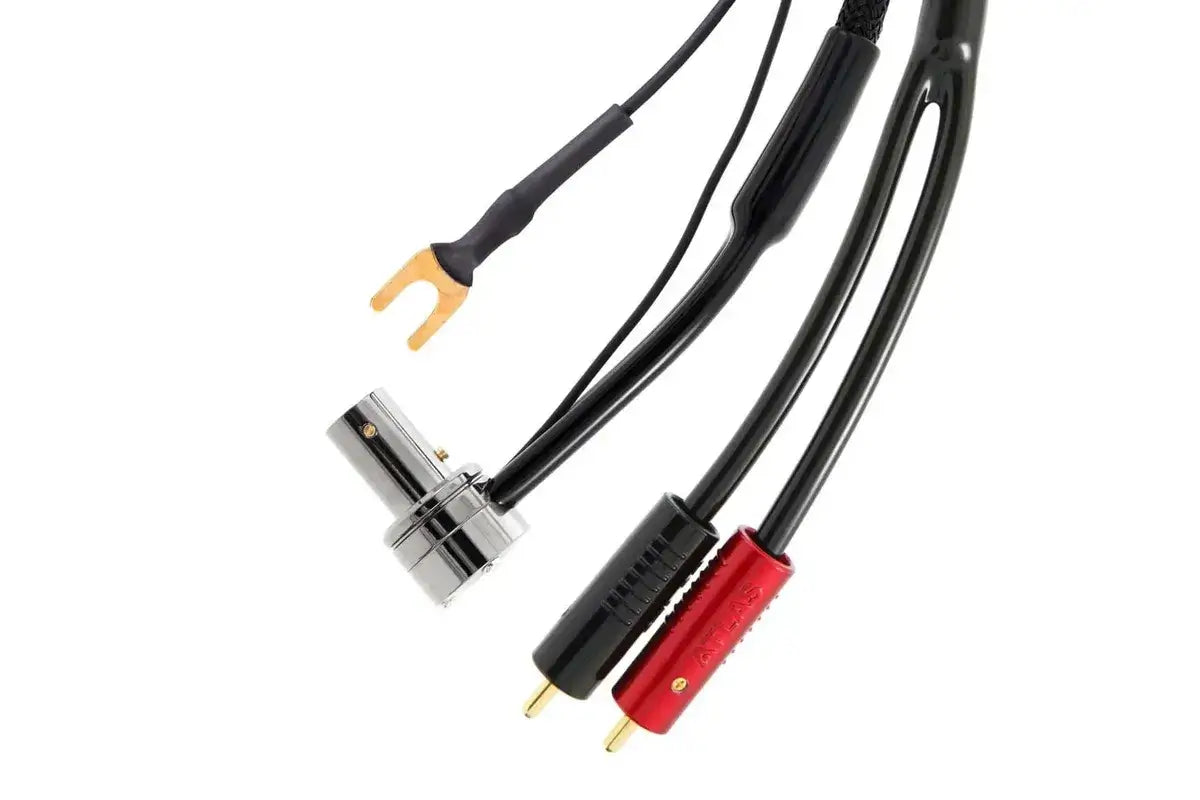
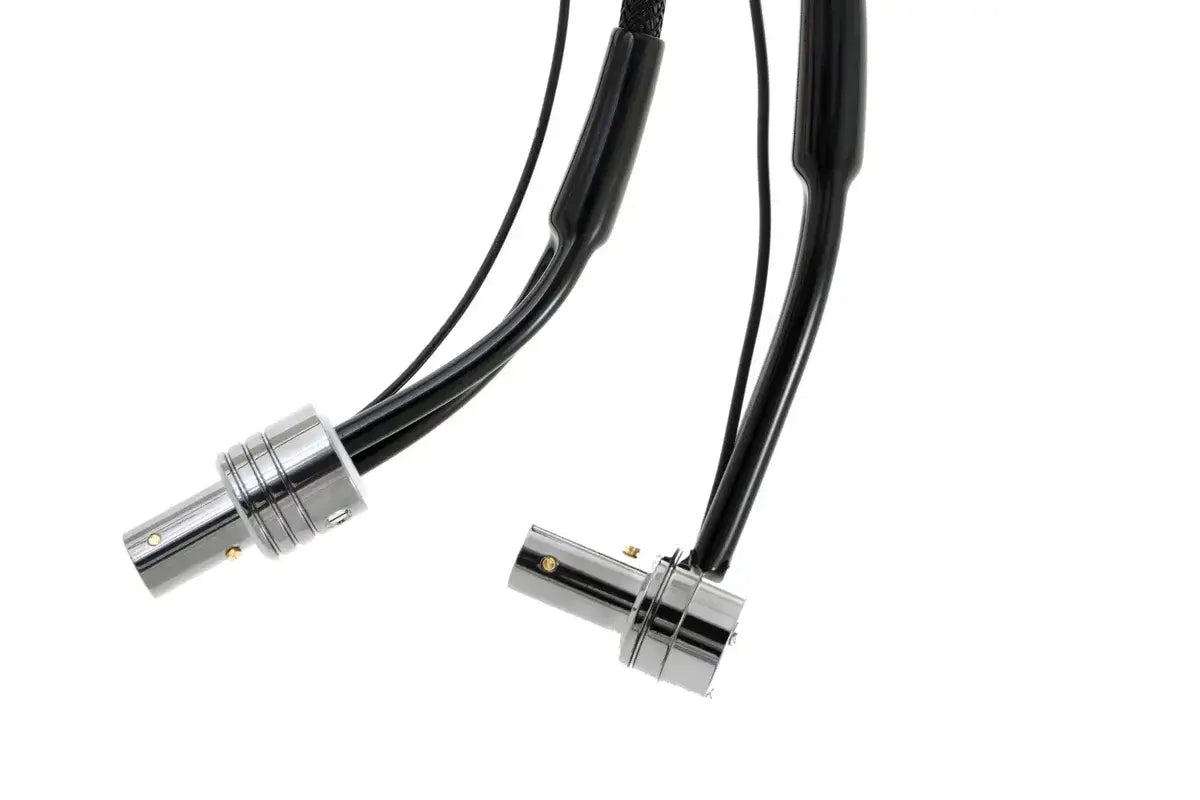
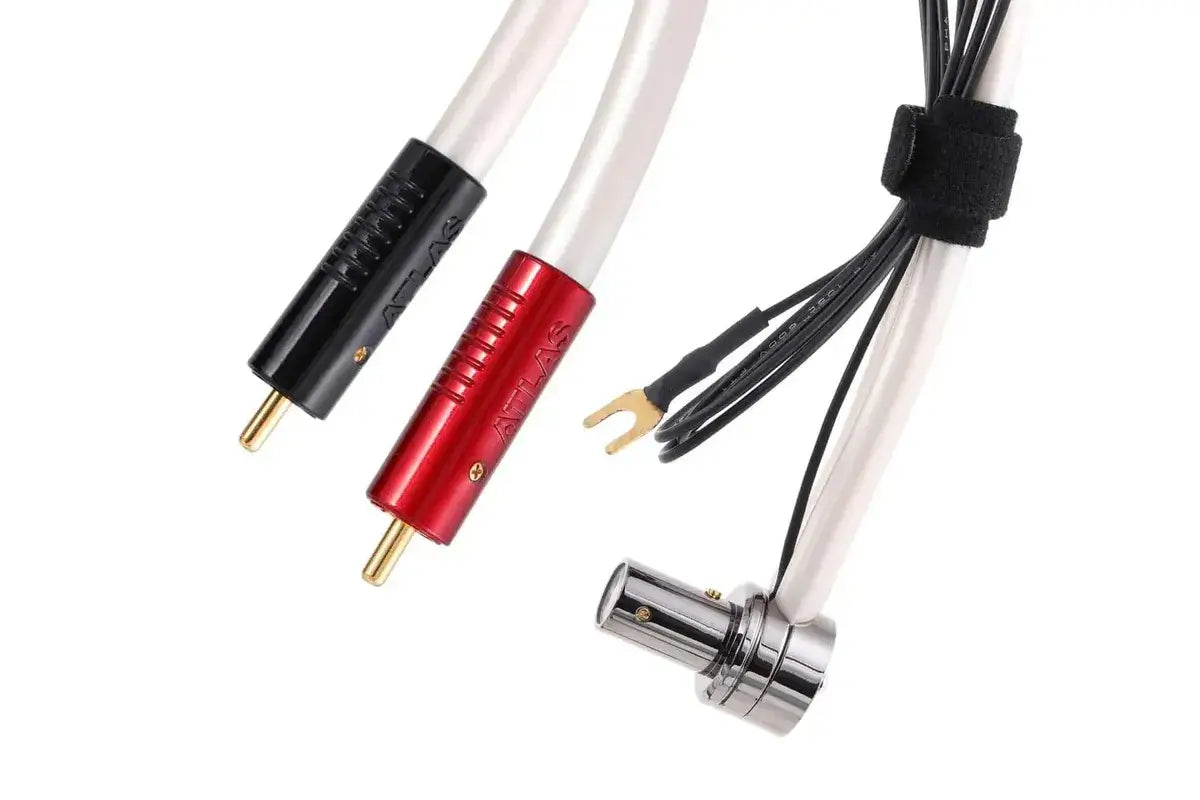
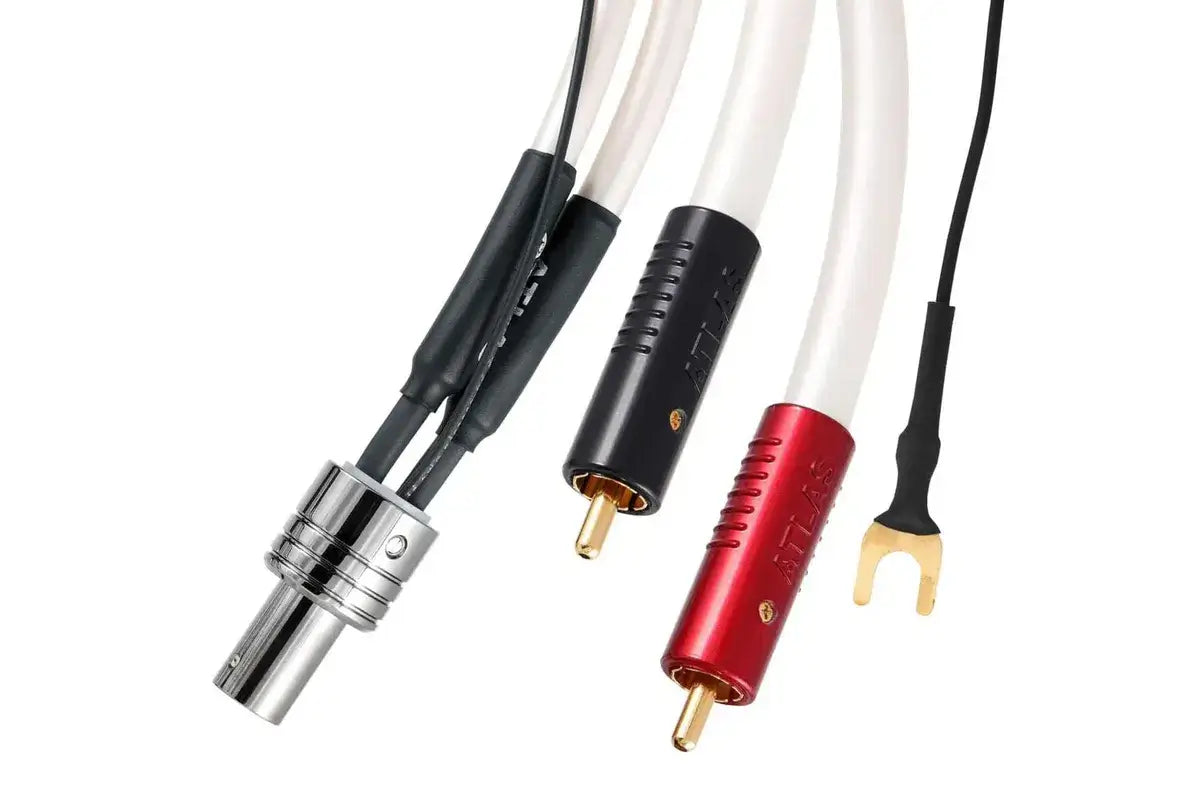
Unlike standard turntable cables, tonearm cables are optimised specifically for the output characteristics of a phono cartridge. Low capacitance is essential to prevent changes in frequency response, while effective shielding helps minimise hum and interference caused by nearby electrical components. Many tonearm cables are supplied as fixed leads or purpose-matched replacements designed to suit the geometry and grounding scheme of a specific tonearm. While related, tonearm cables differ from general turntable cables in their capacitance sensitivity and direct connection to the tonearm wiring.
In a vinyl playback system, tonearm cables connect the tonearm wiring directly to a phono preamp input, where the signal is amplified and equalised before being passed on to the main amplifier. Because of the very low signal levels involved, tonearm cables are not interchangeable with standard RCA interconnects and should always be selected based on cartridge and phono stage requirements. Tonearm cables are always used in conjunction with a phono preamplifier, which boosts and equalises the cartridge signal for playback through an amplifier and speakers.