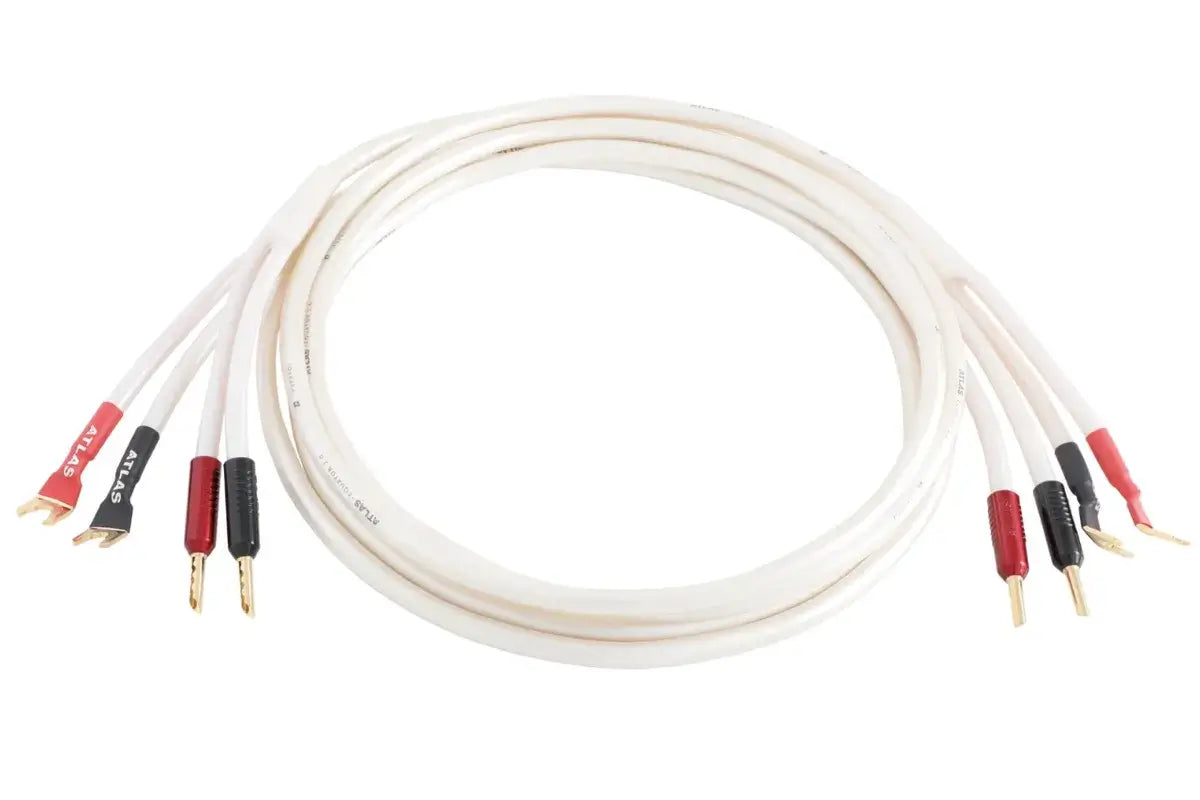
Analogue Audio Cable Types
Analogue audio cables are defined by signal level, connector type and system function.
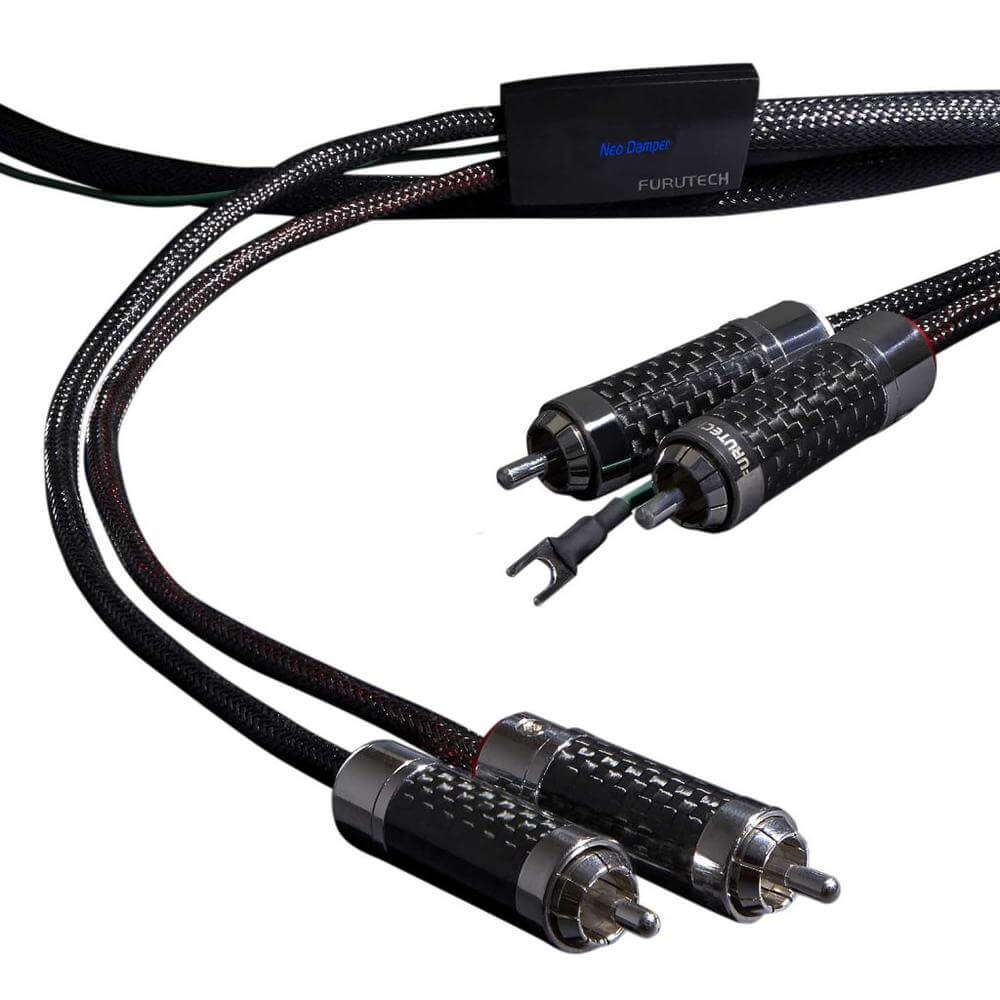
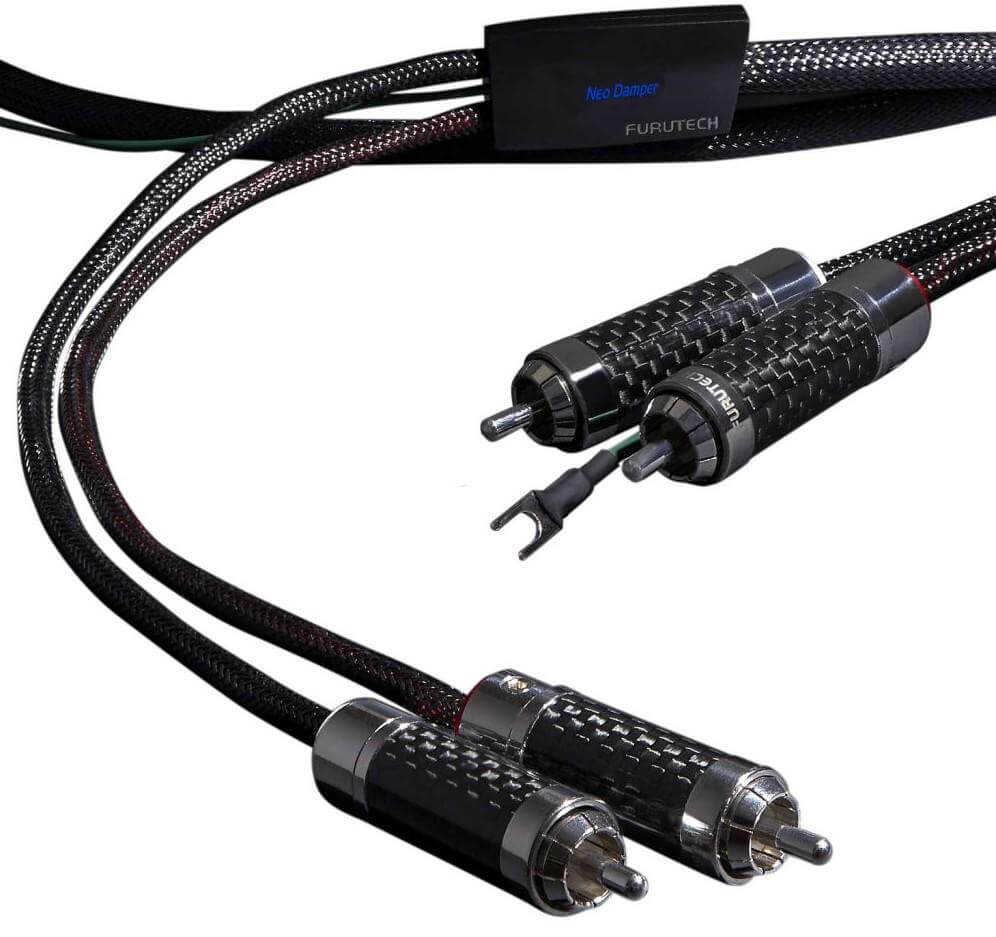
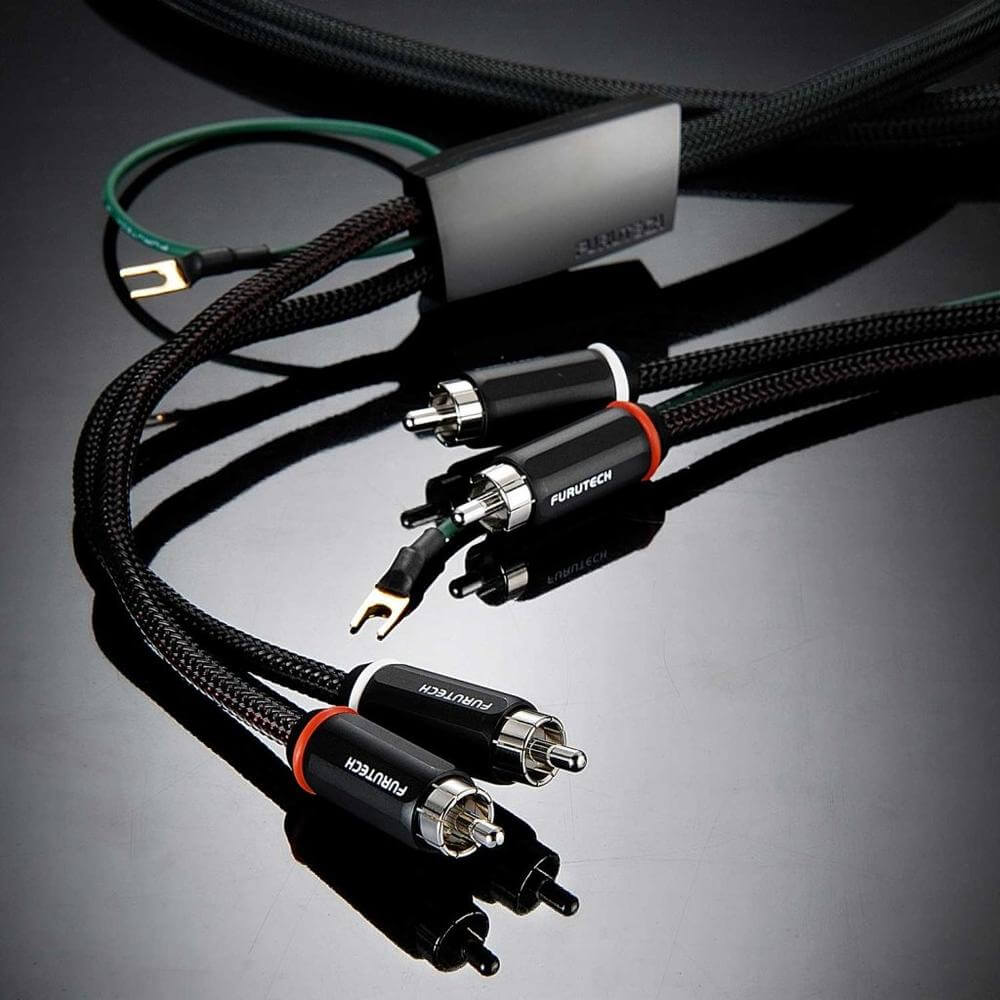
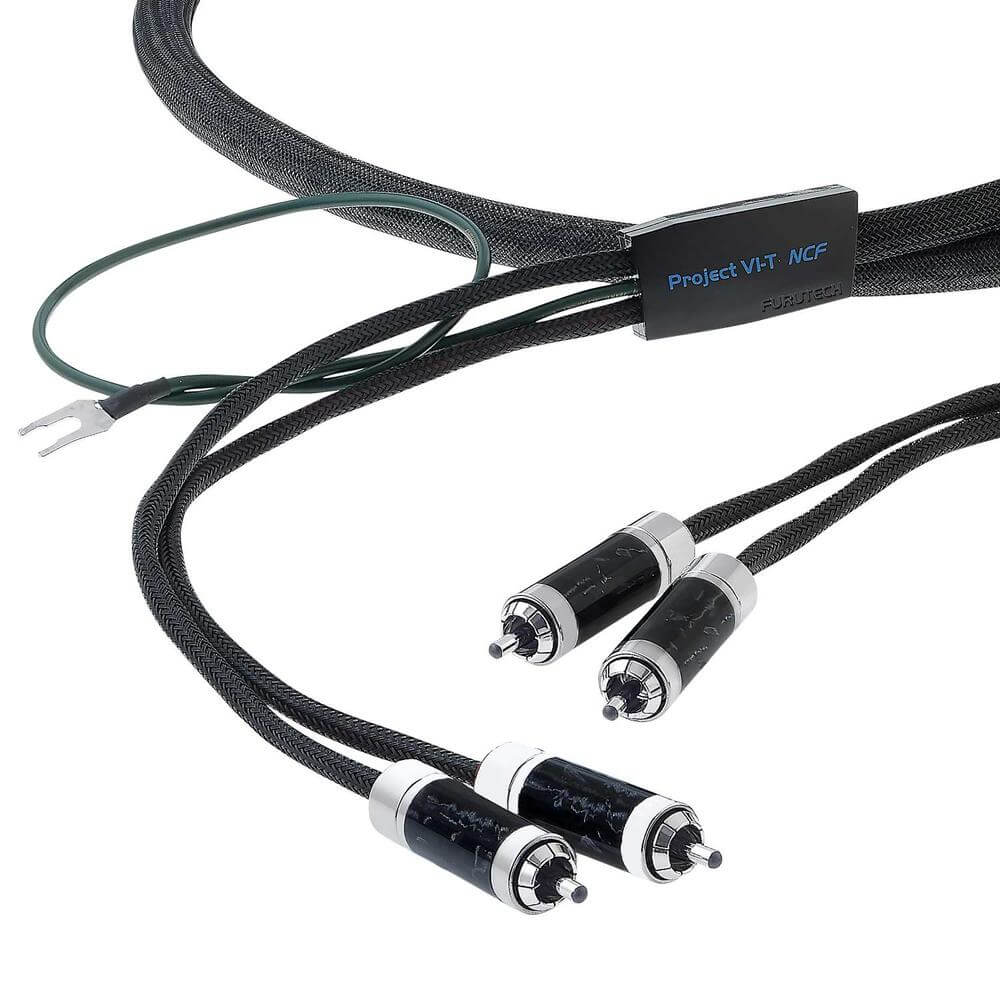
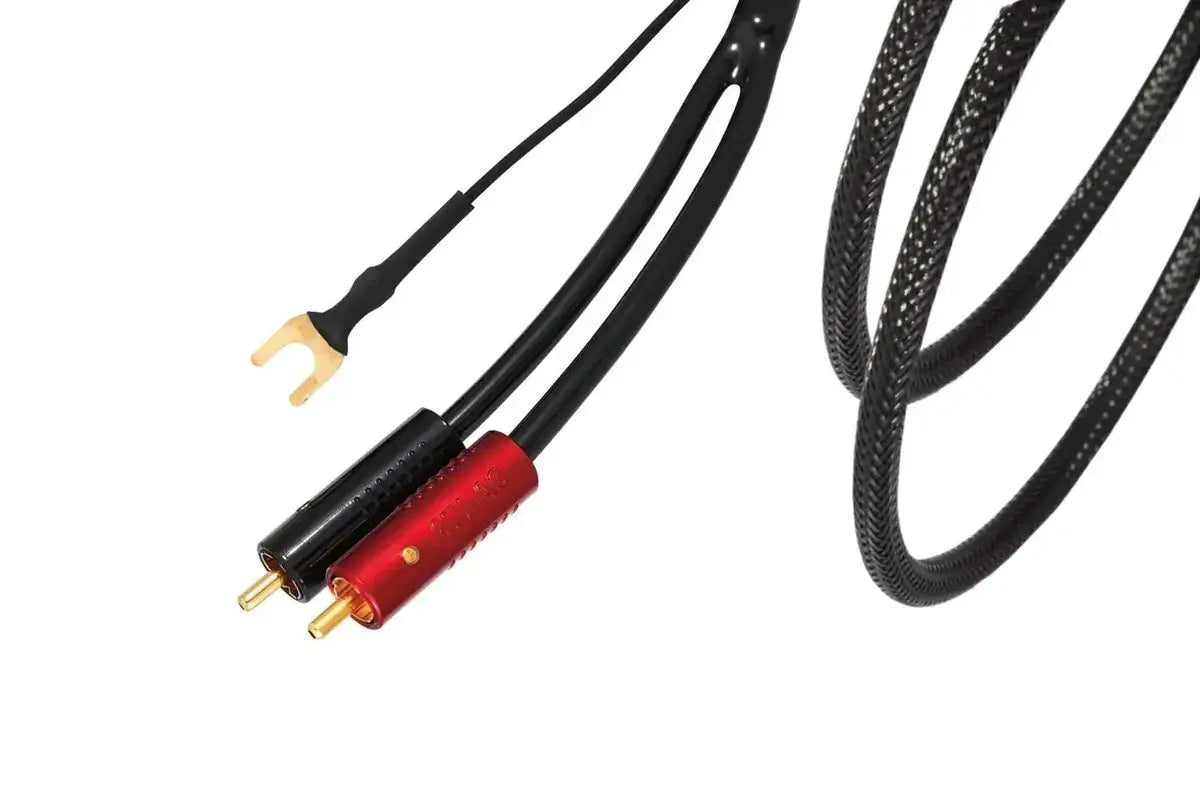
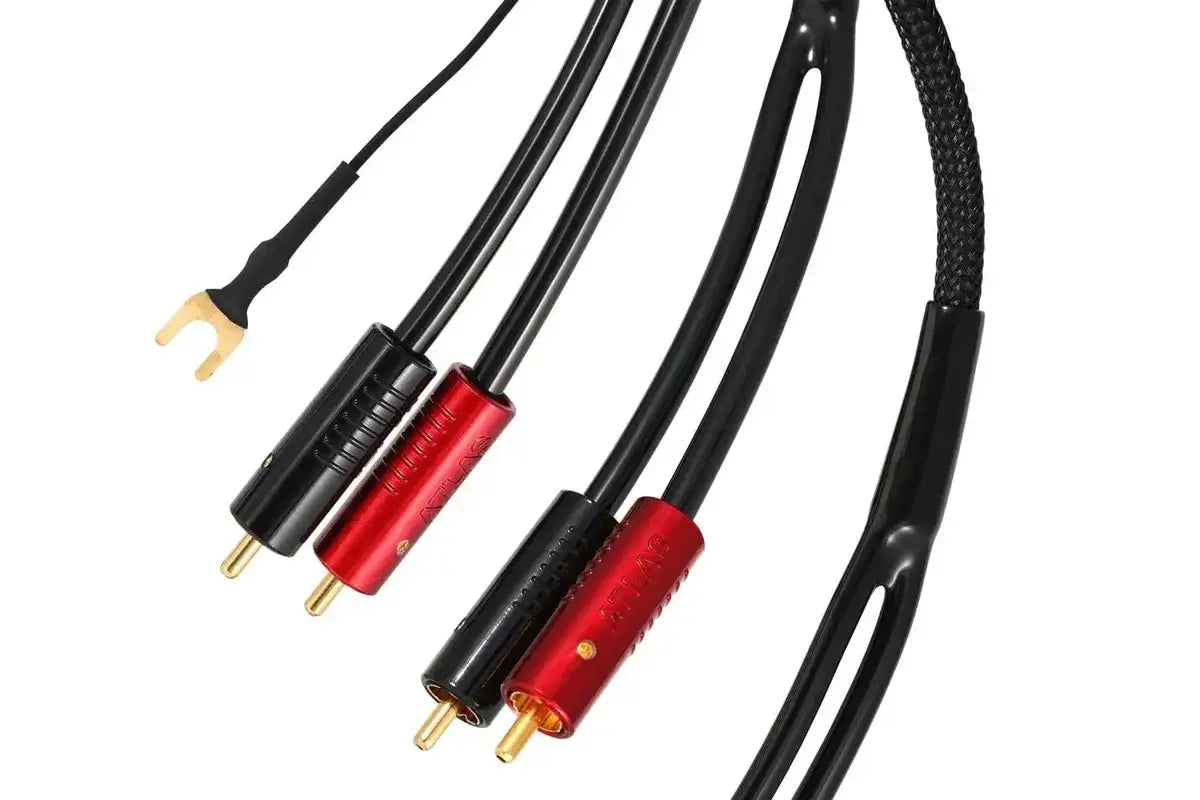
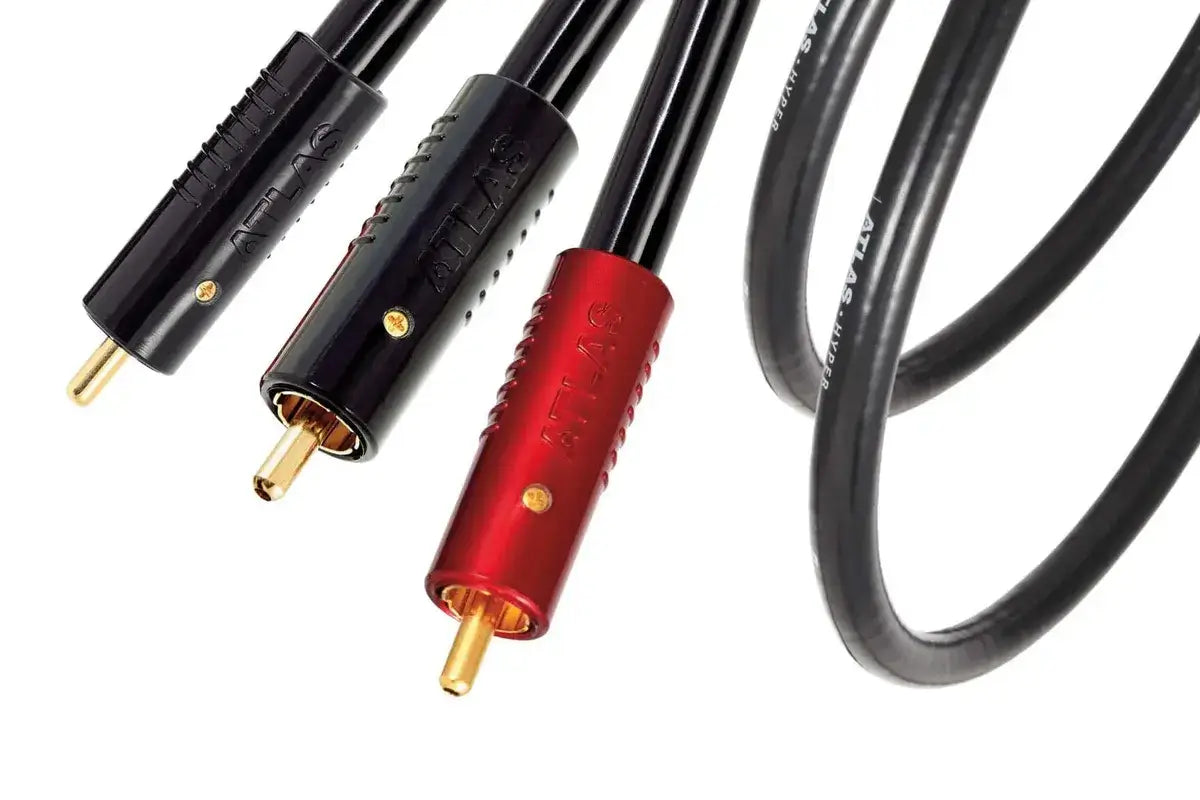
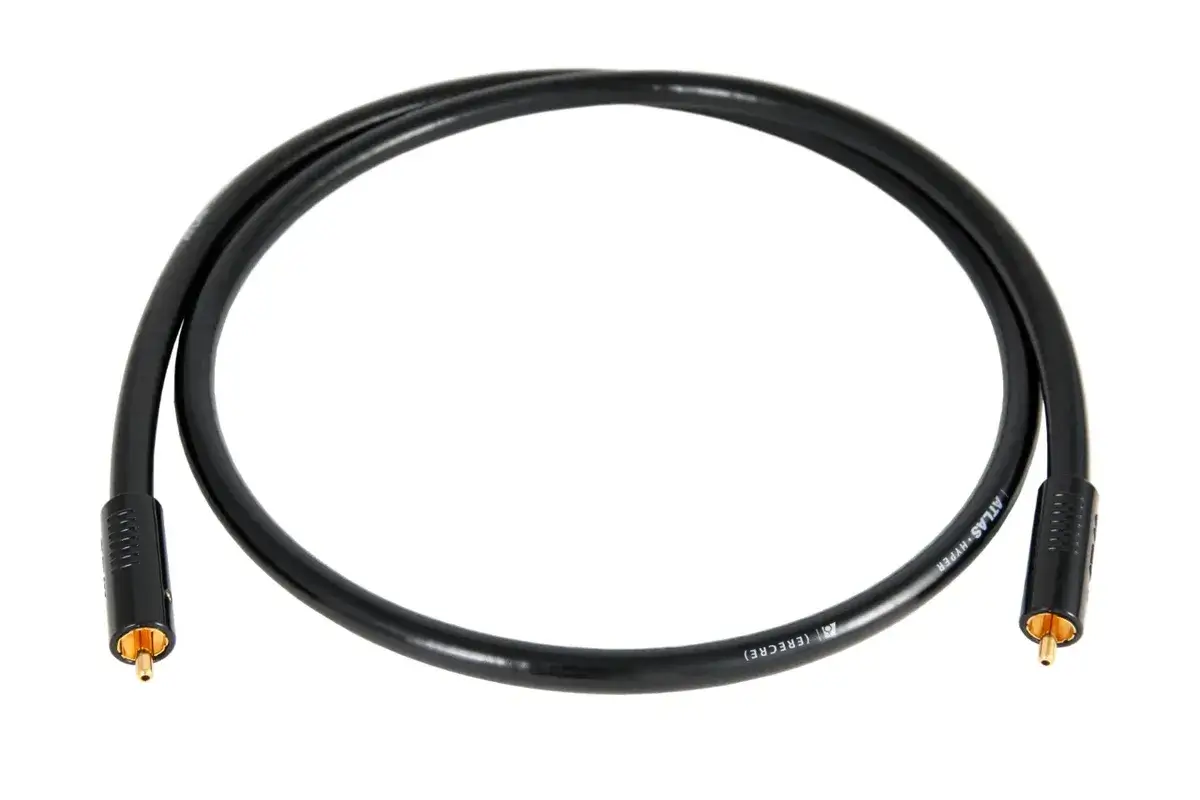
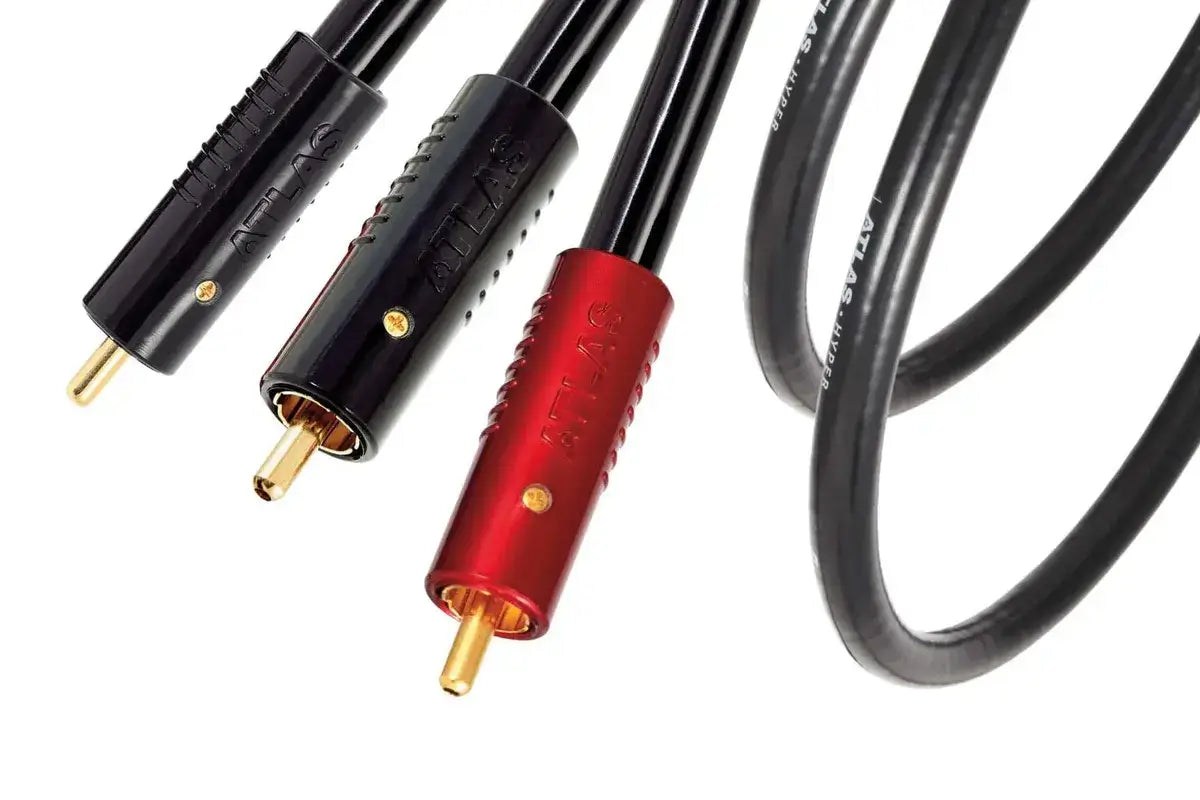
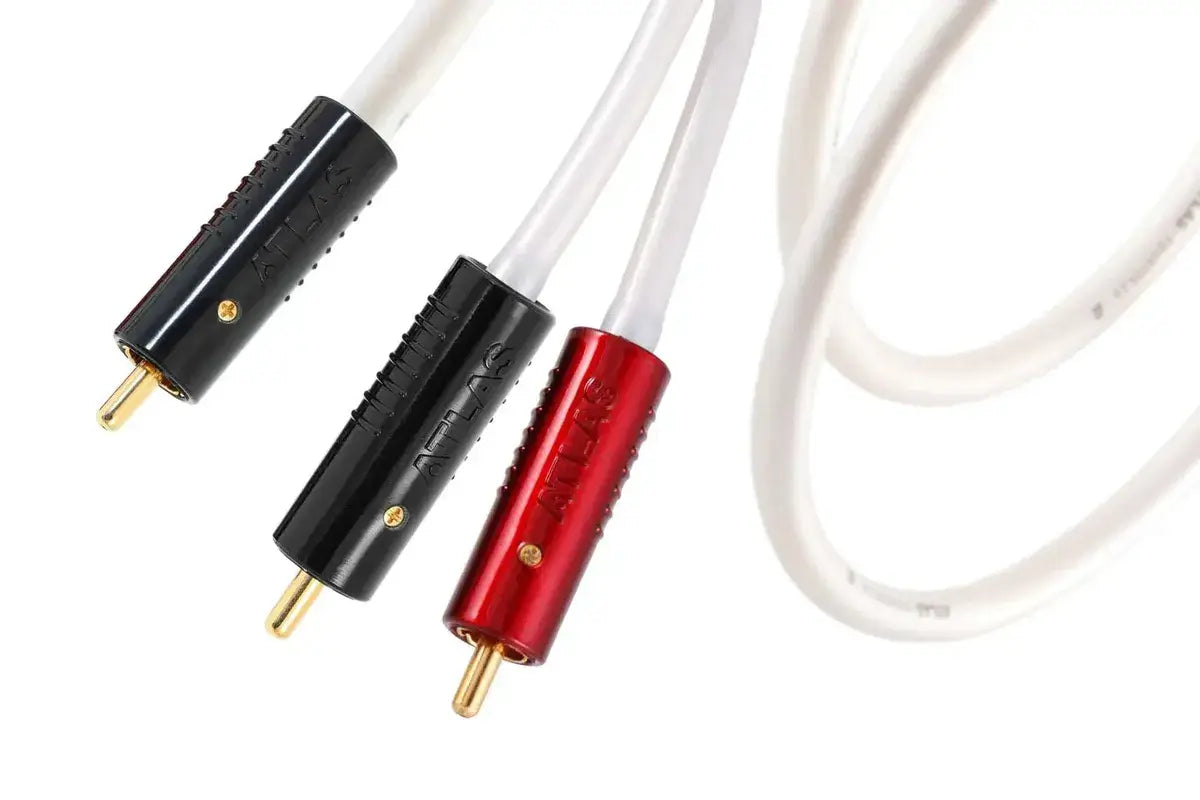
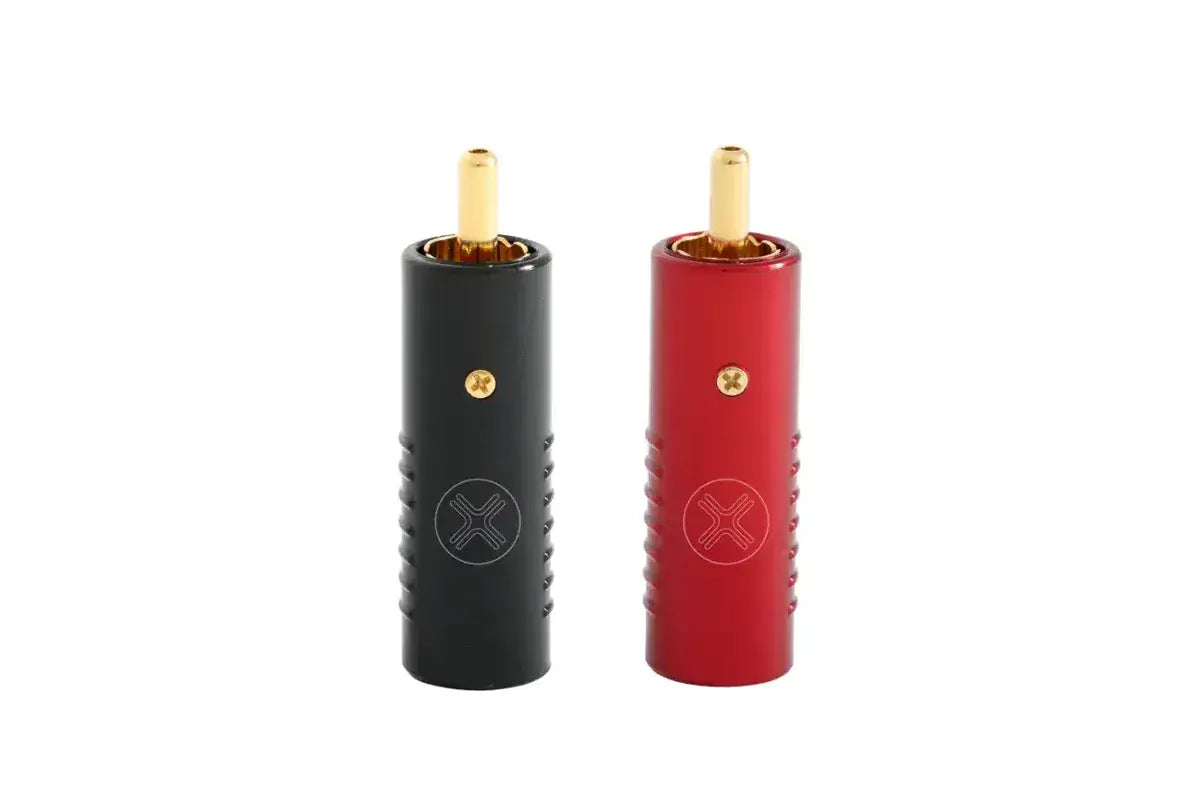
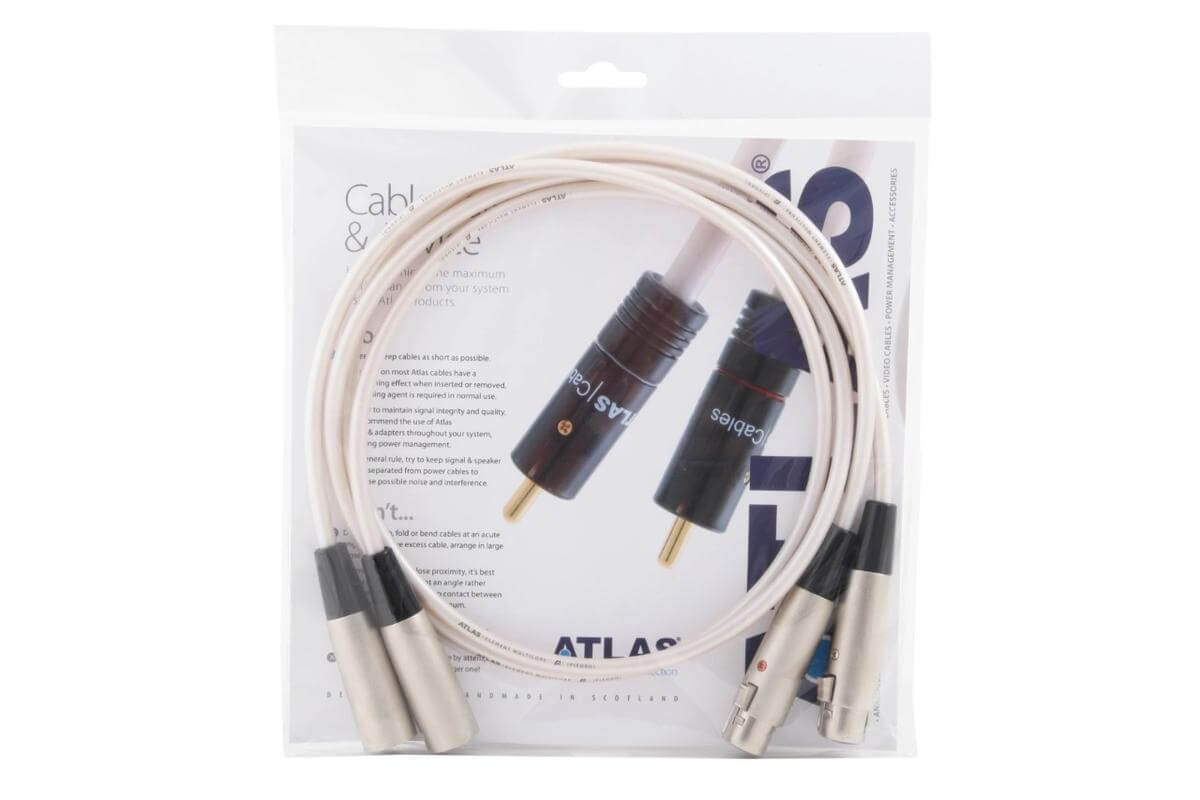
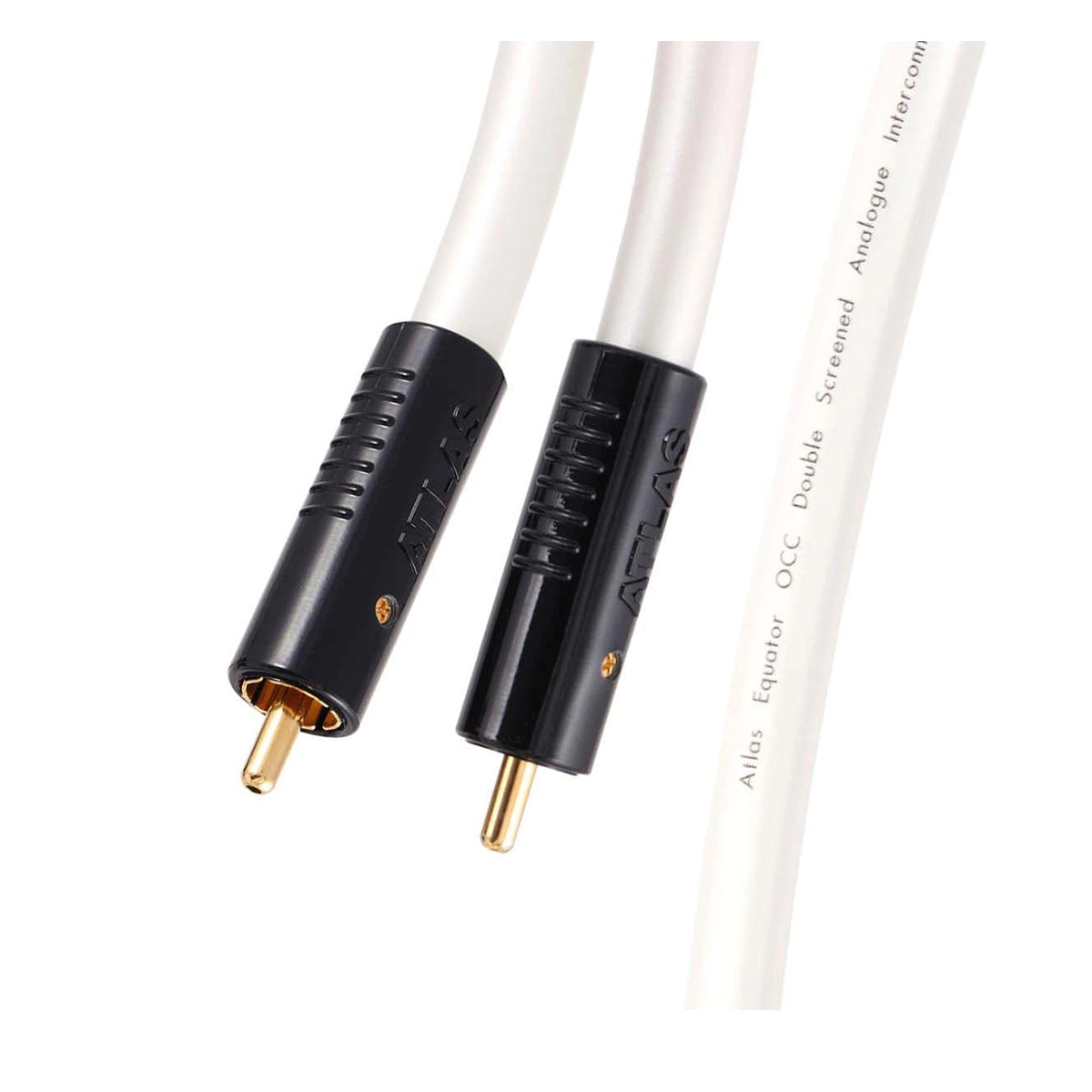
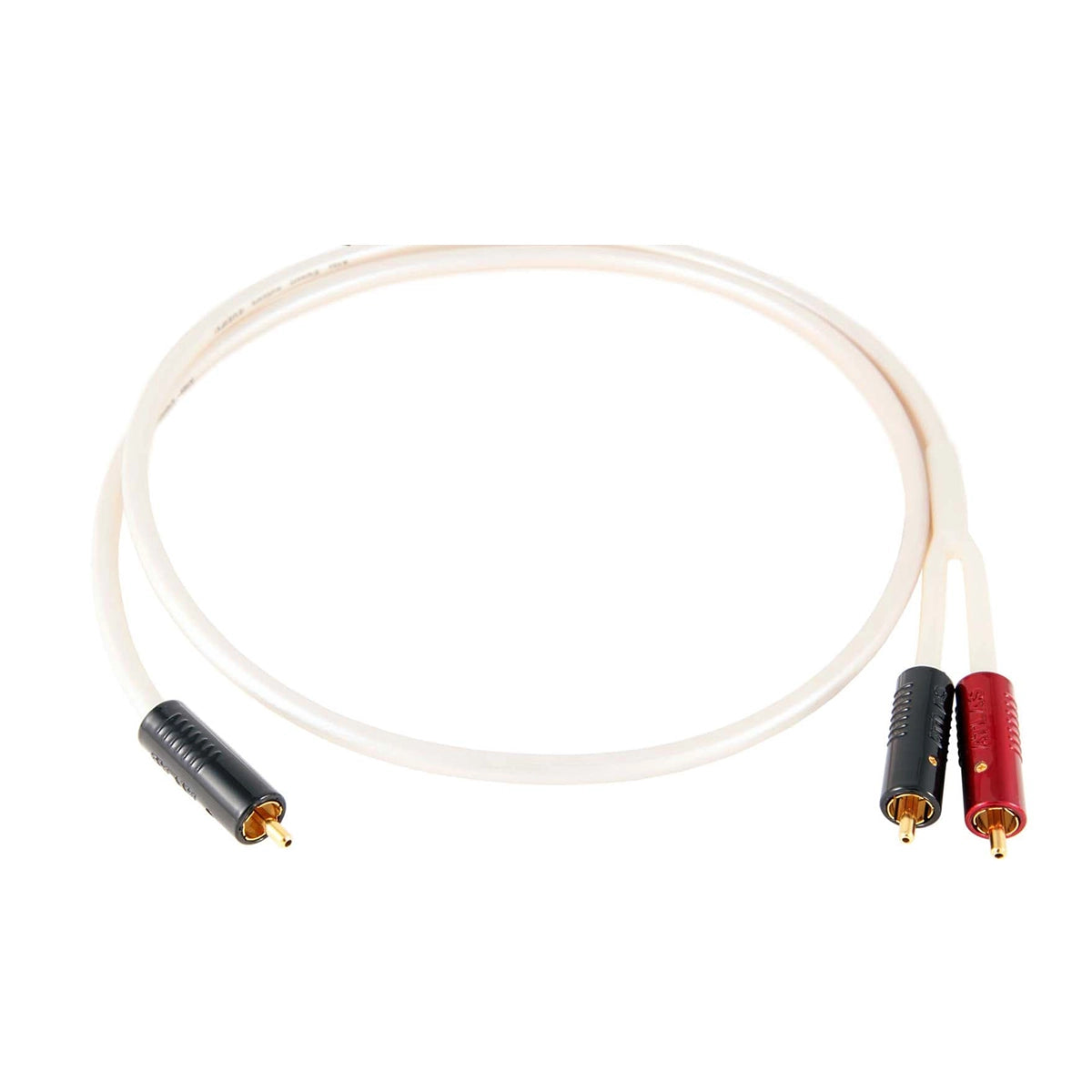
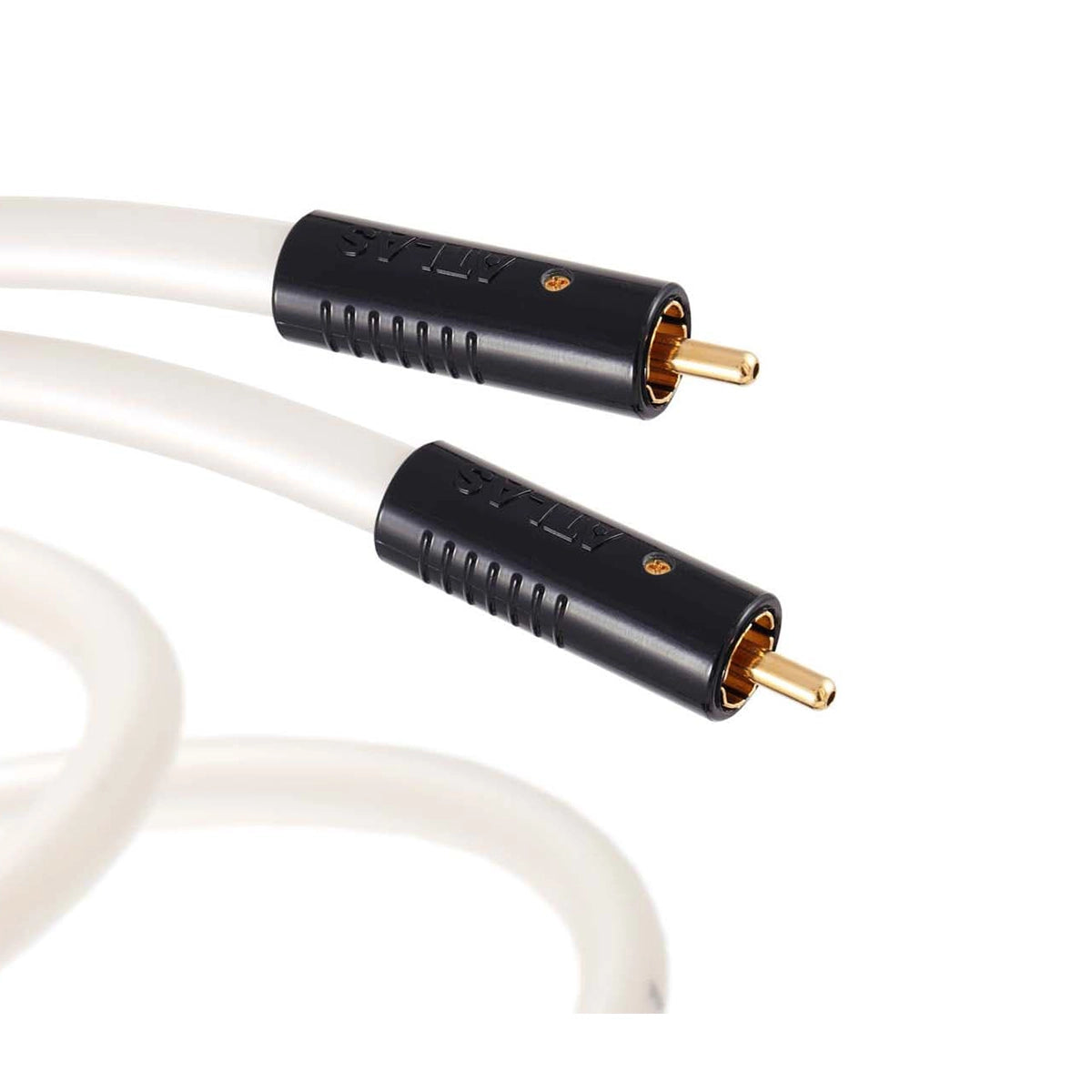
- RCA audio cables — unbalanced interconnects used for line-level connections between source components and amplifiers
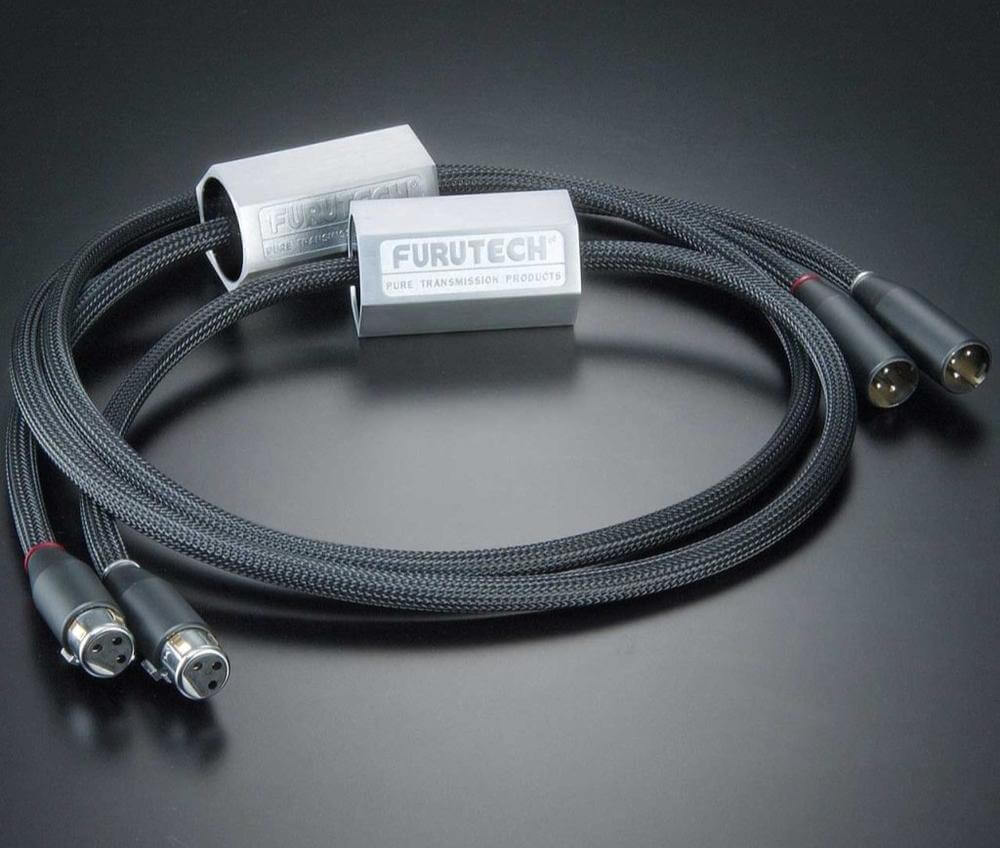
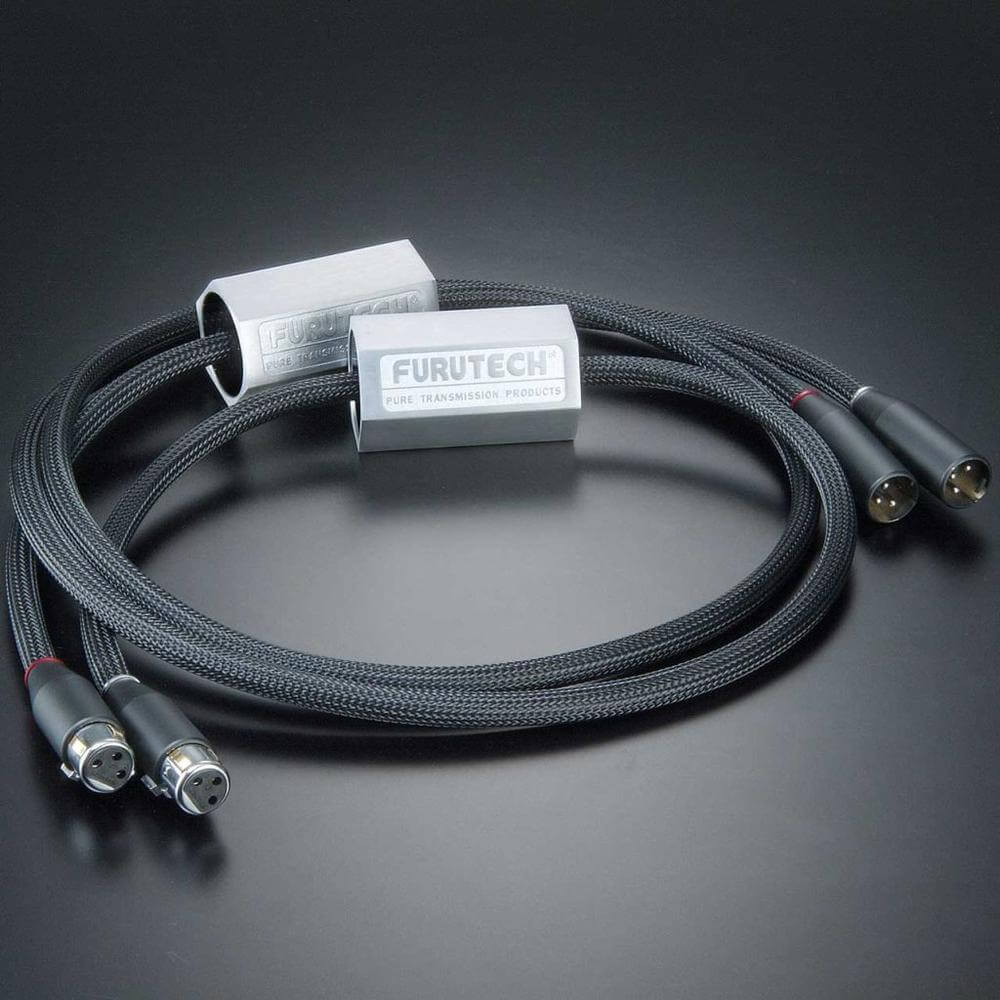
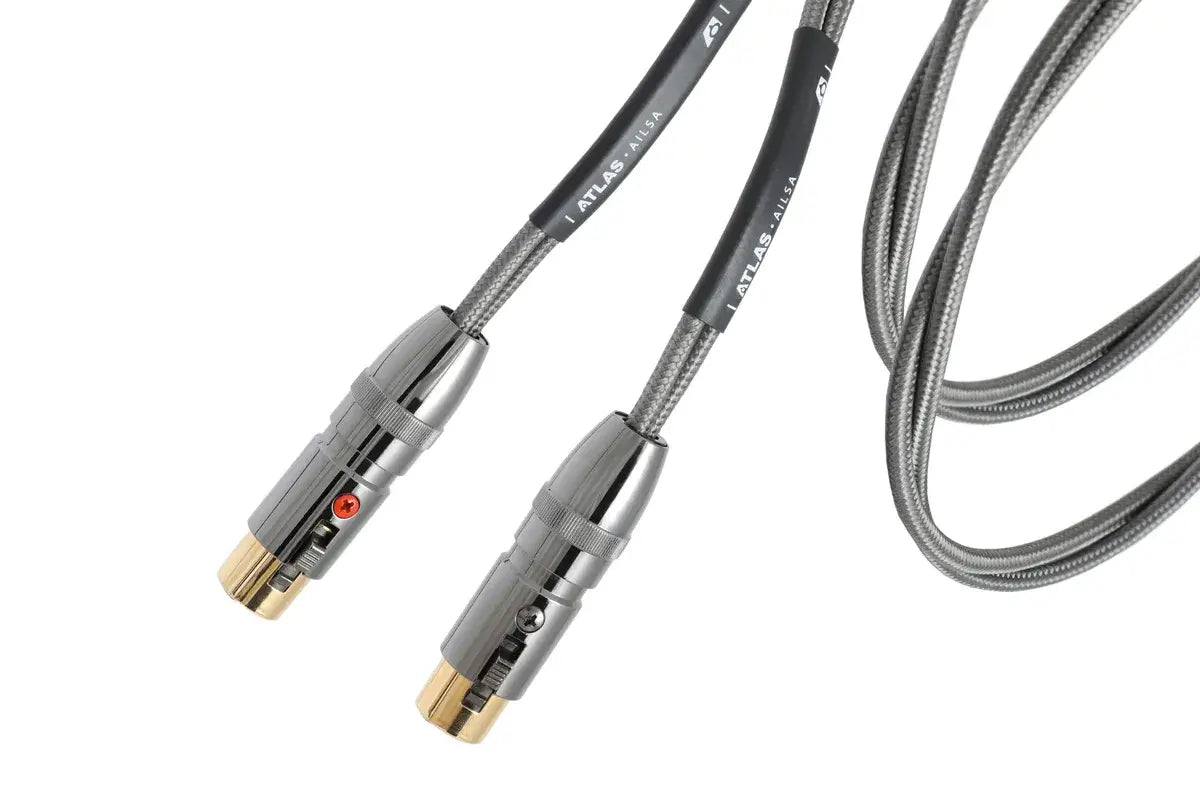
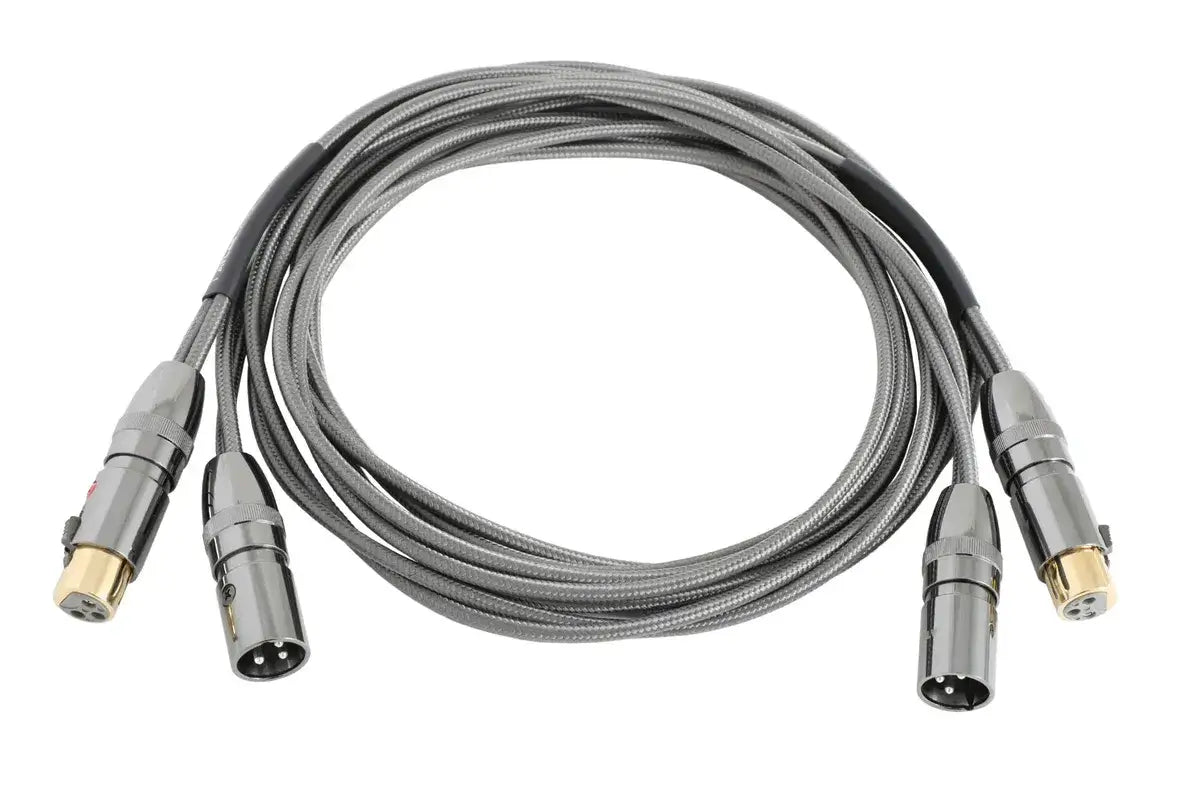
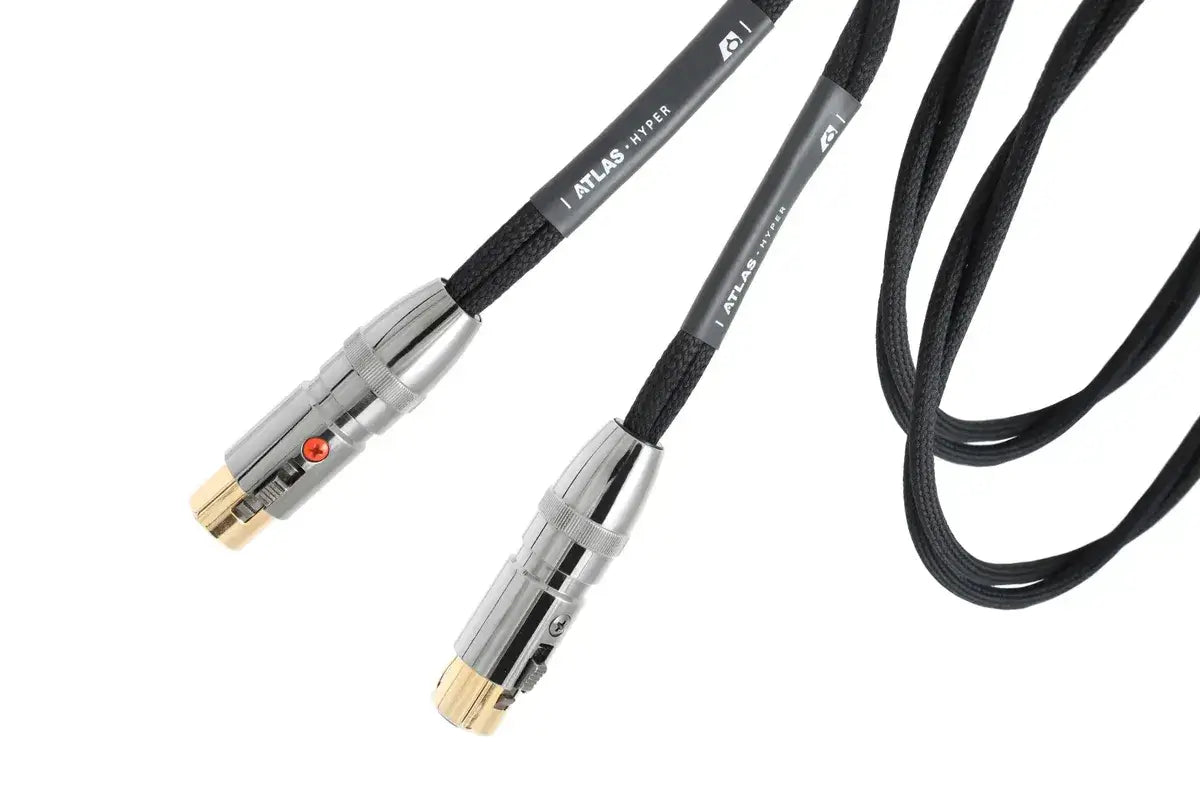
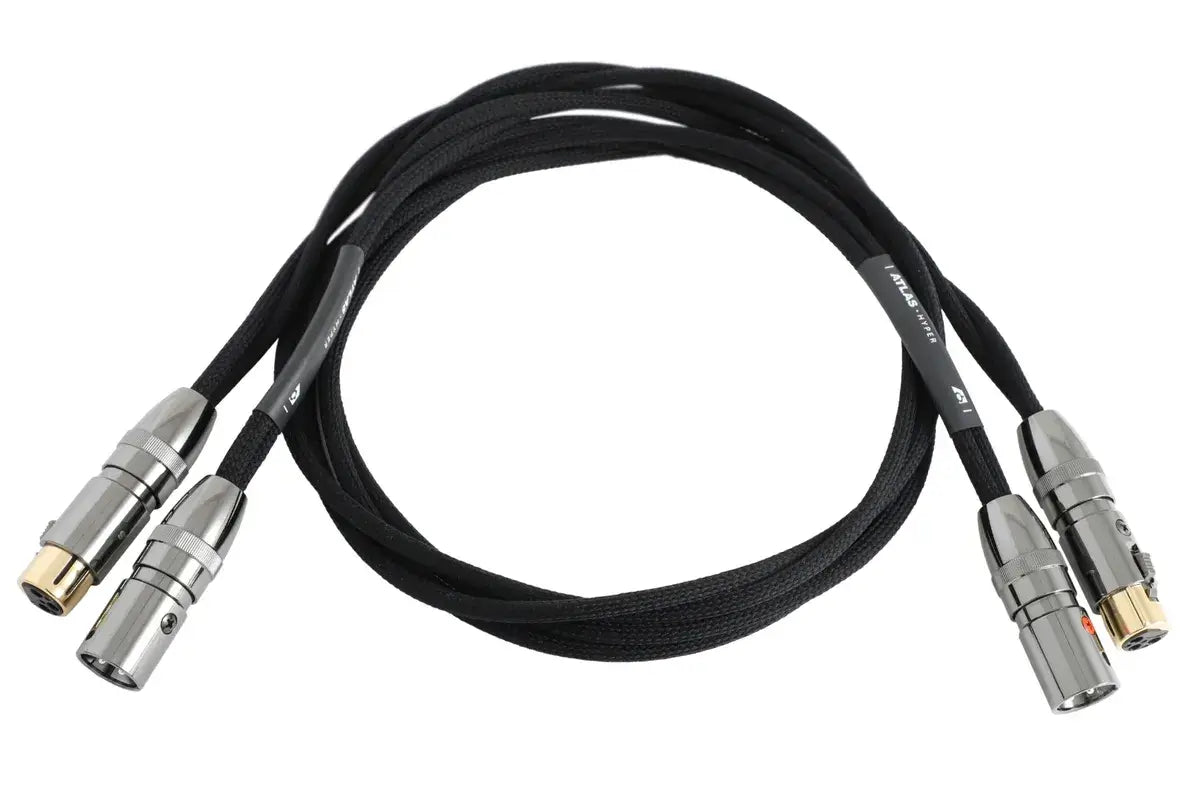
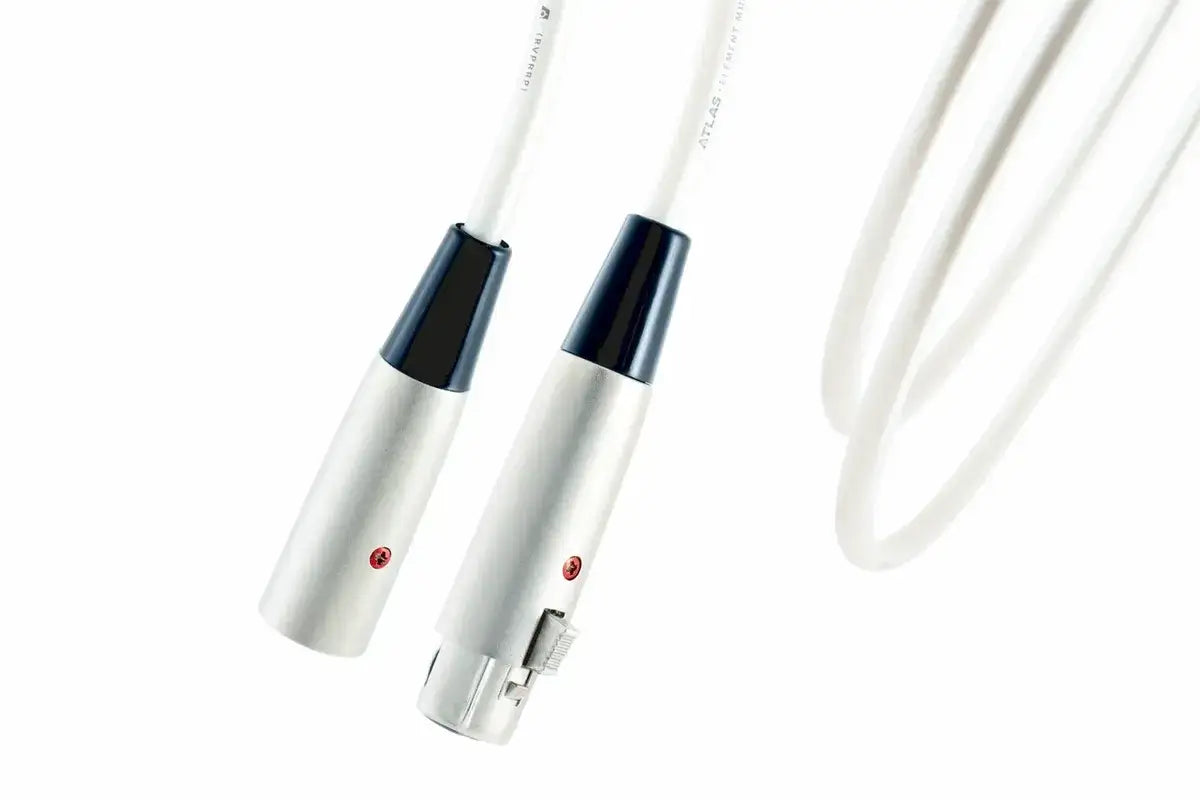
- XLR audio cables — balanced interconnects designed for noise rejection and stable signal transfer over longer runs
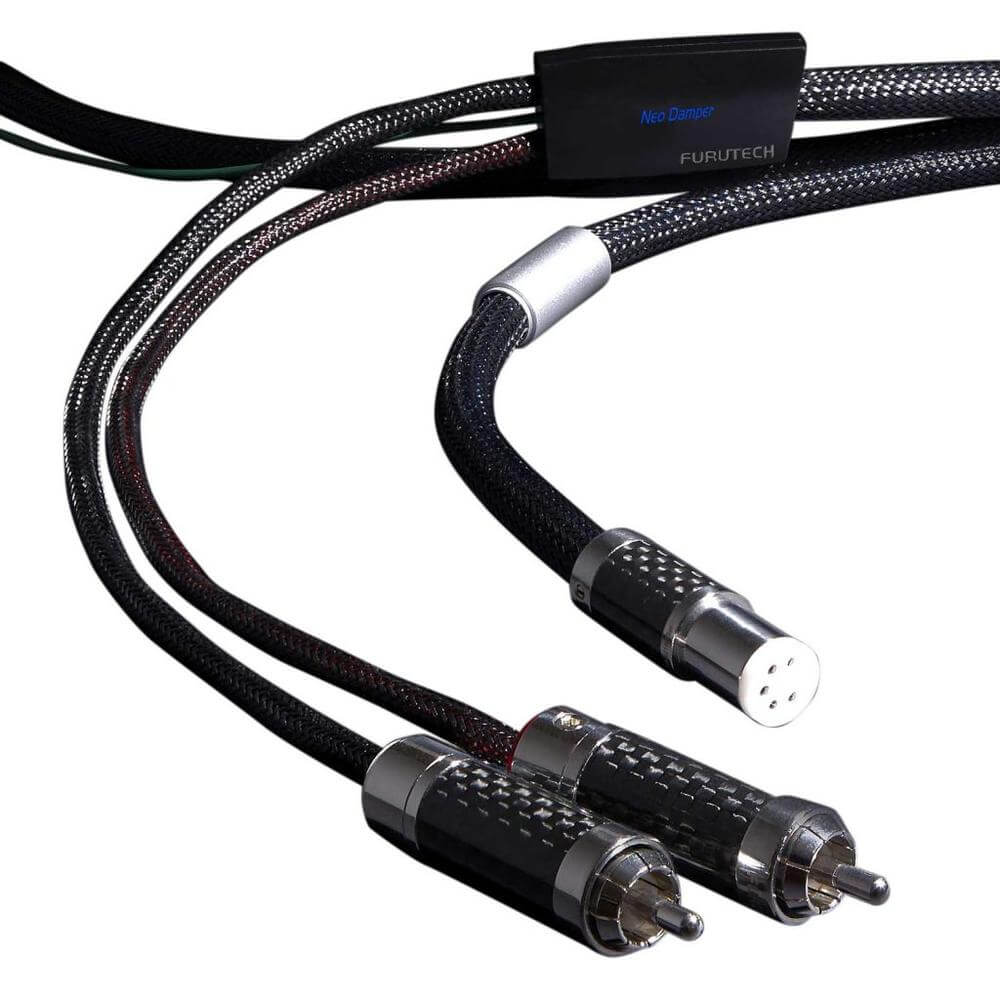
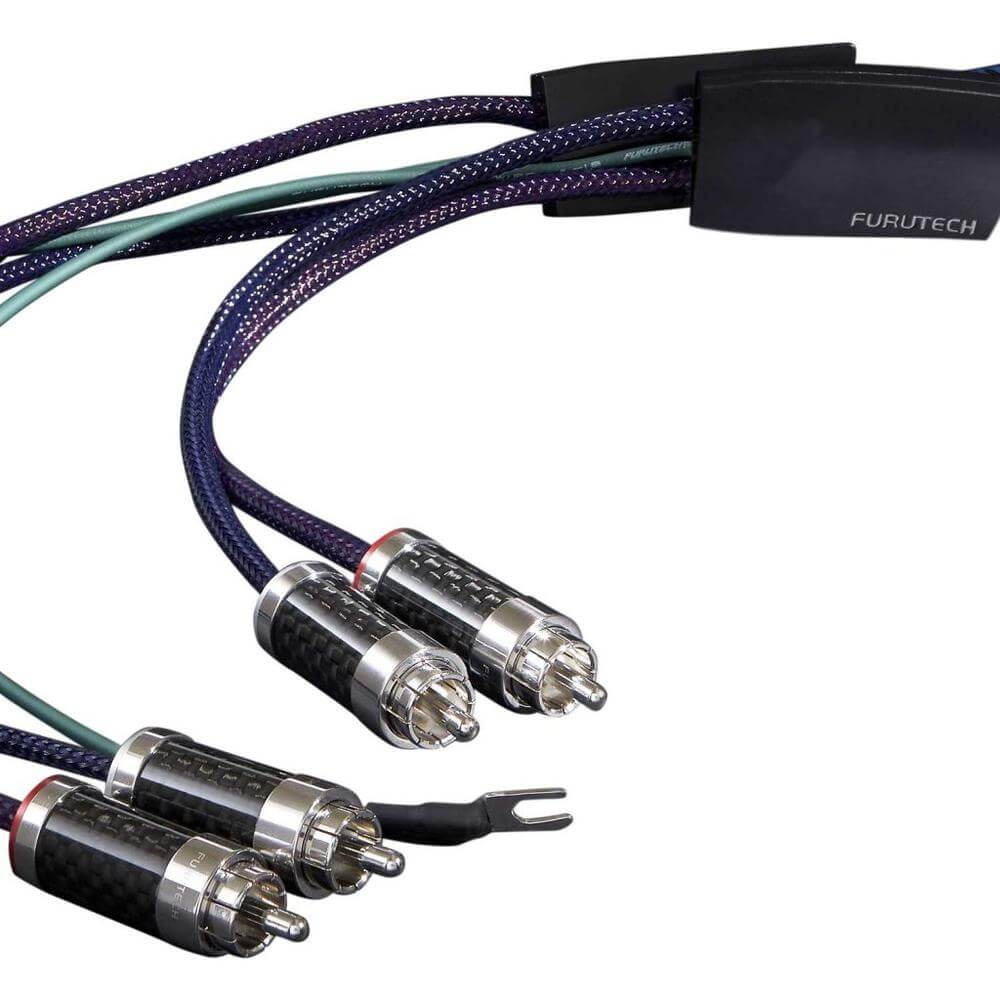
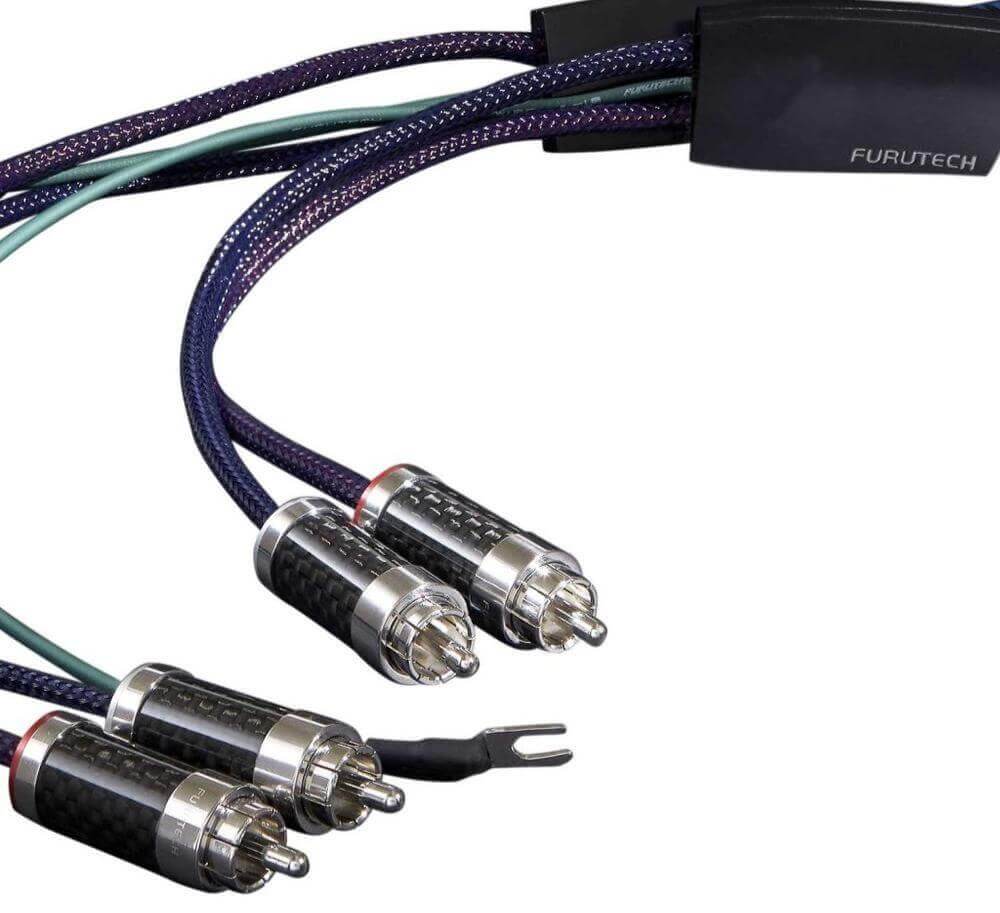
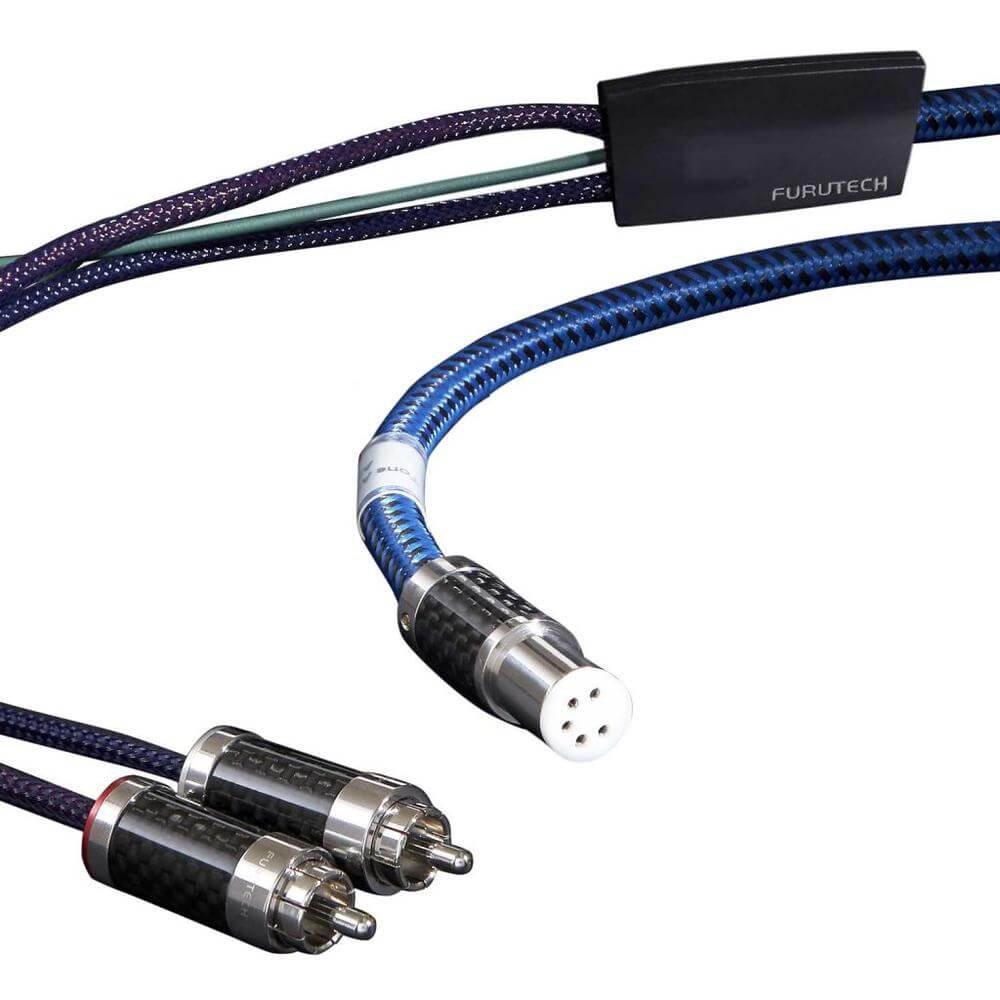
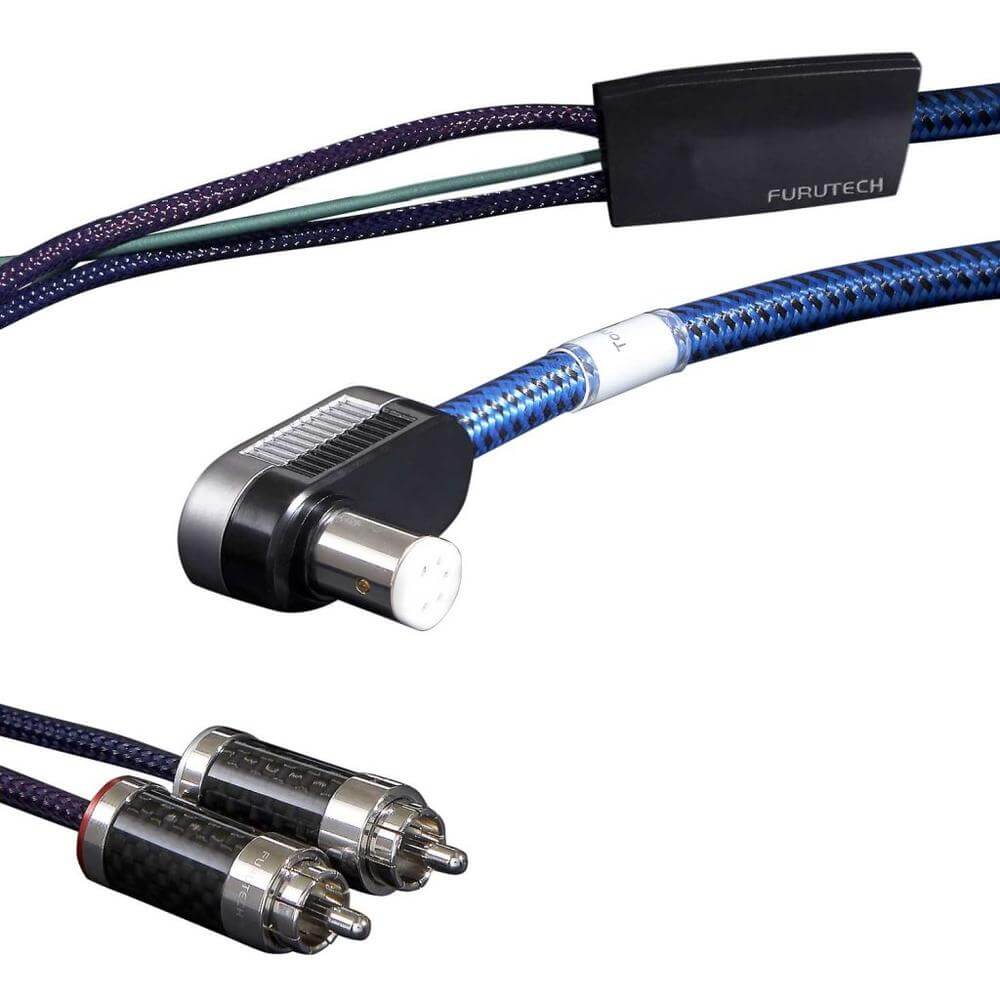
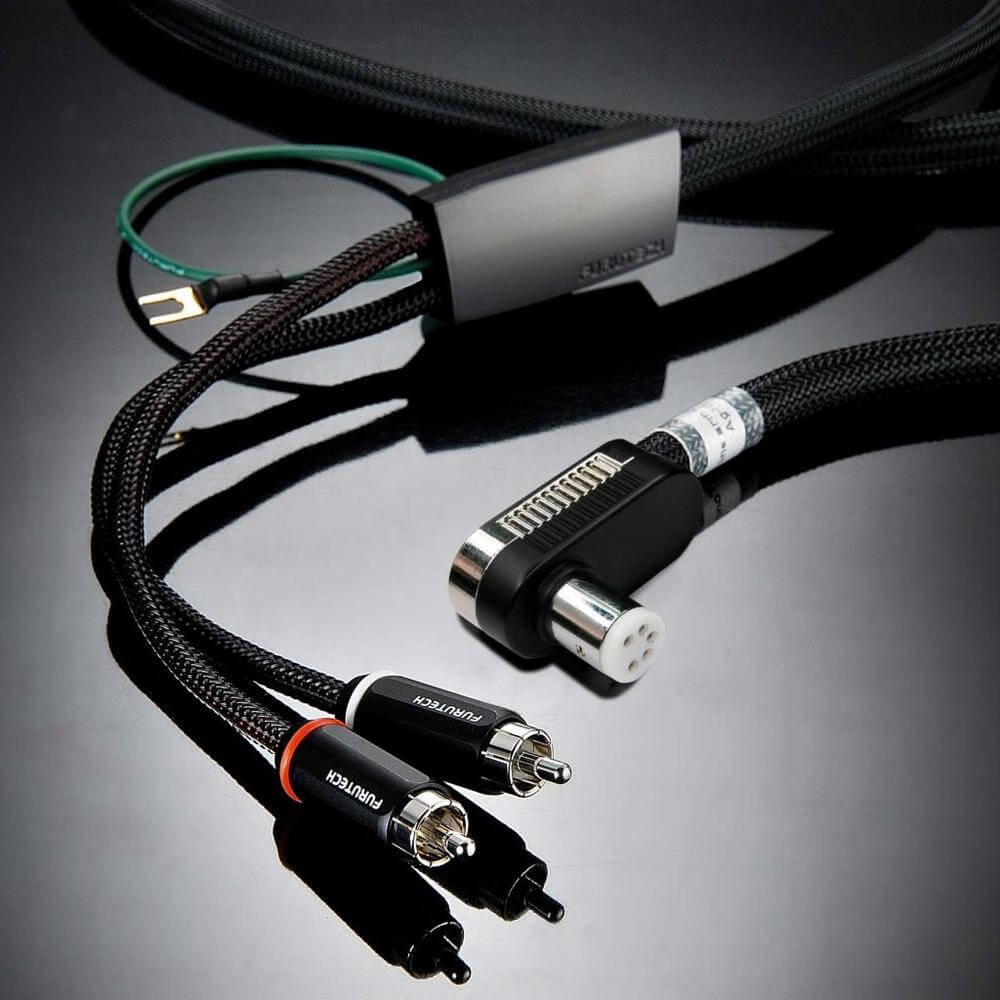
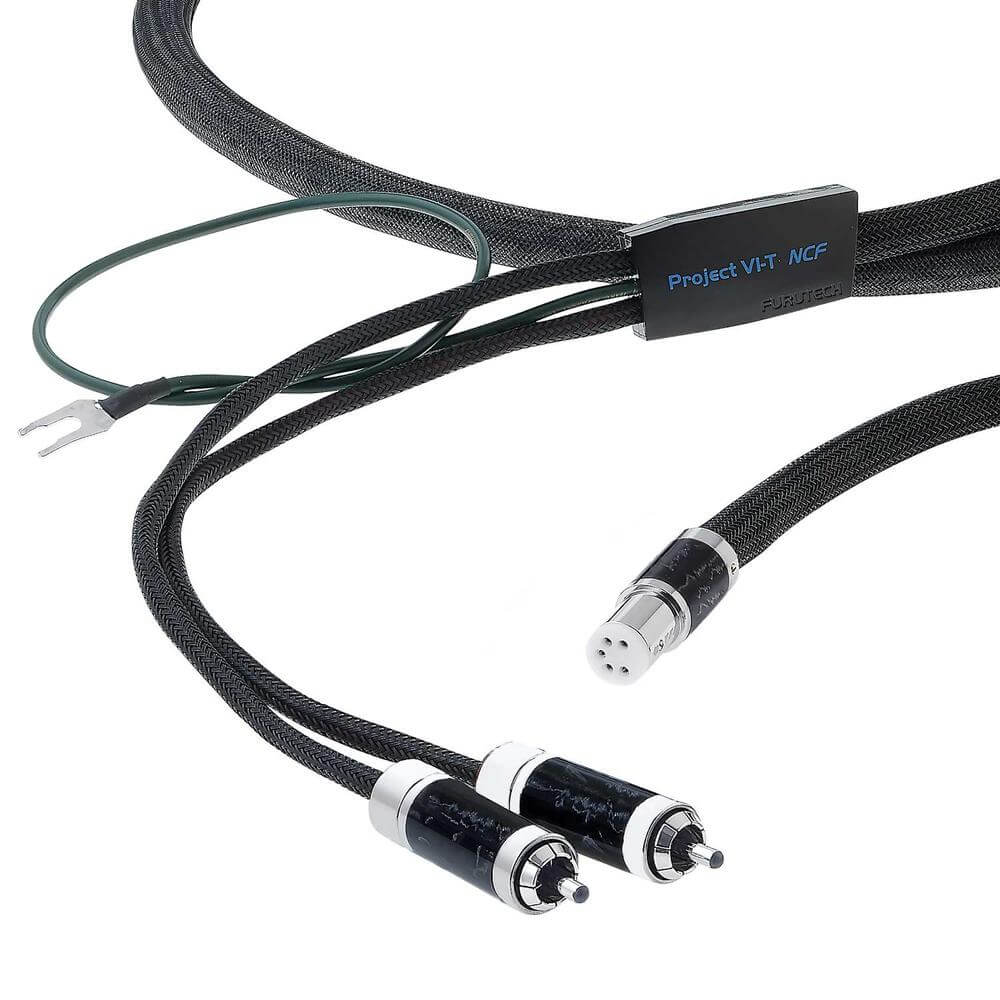
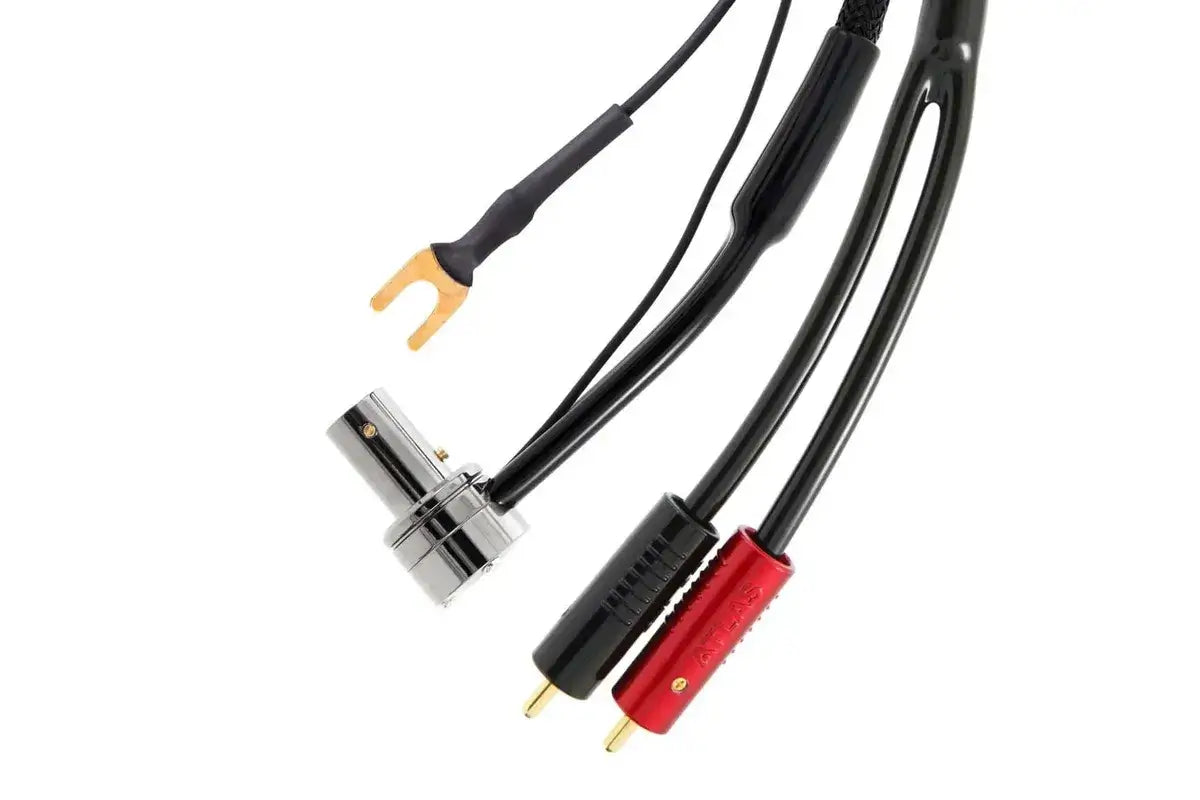
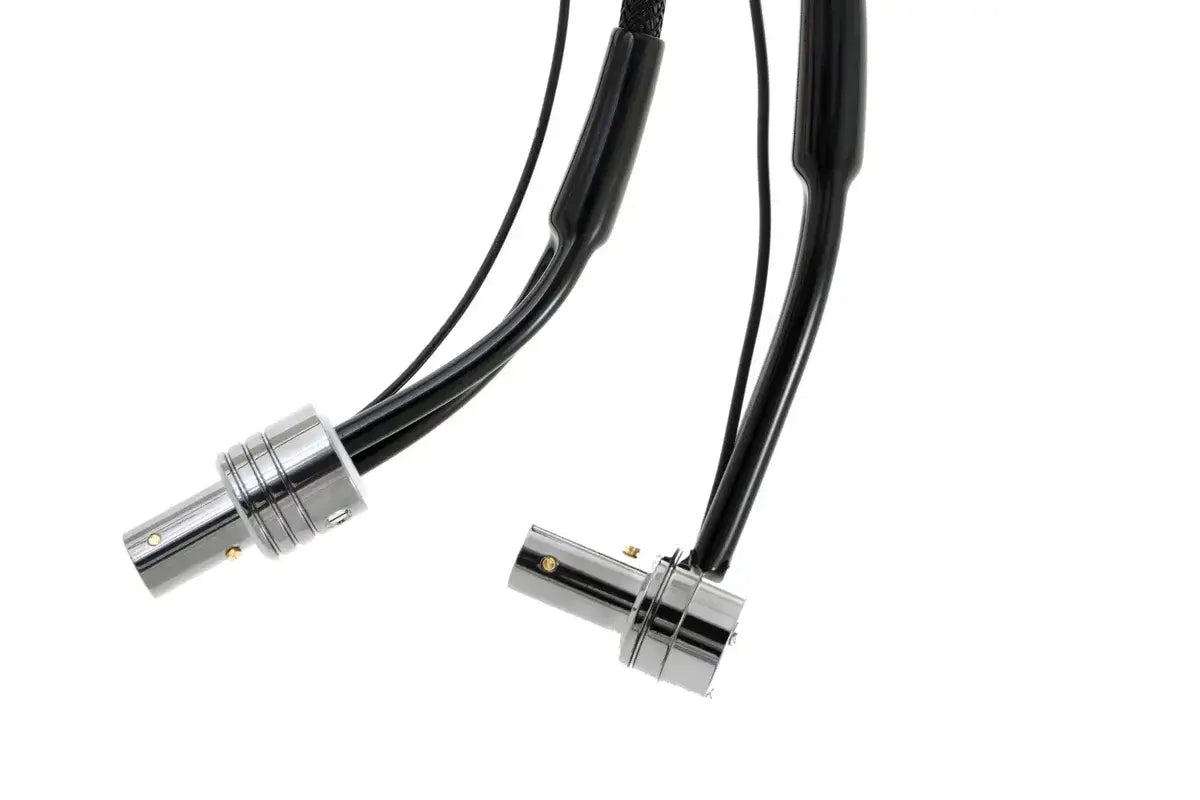
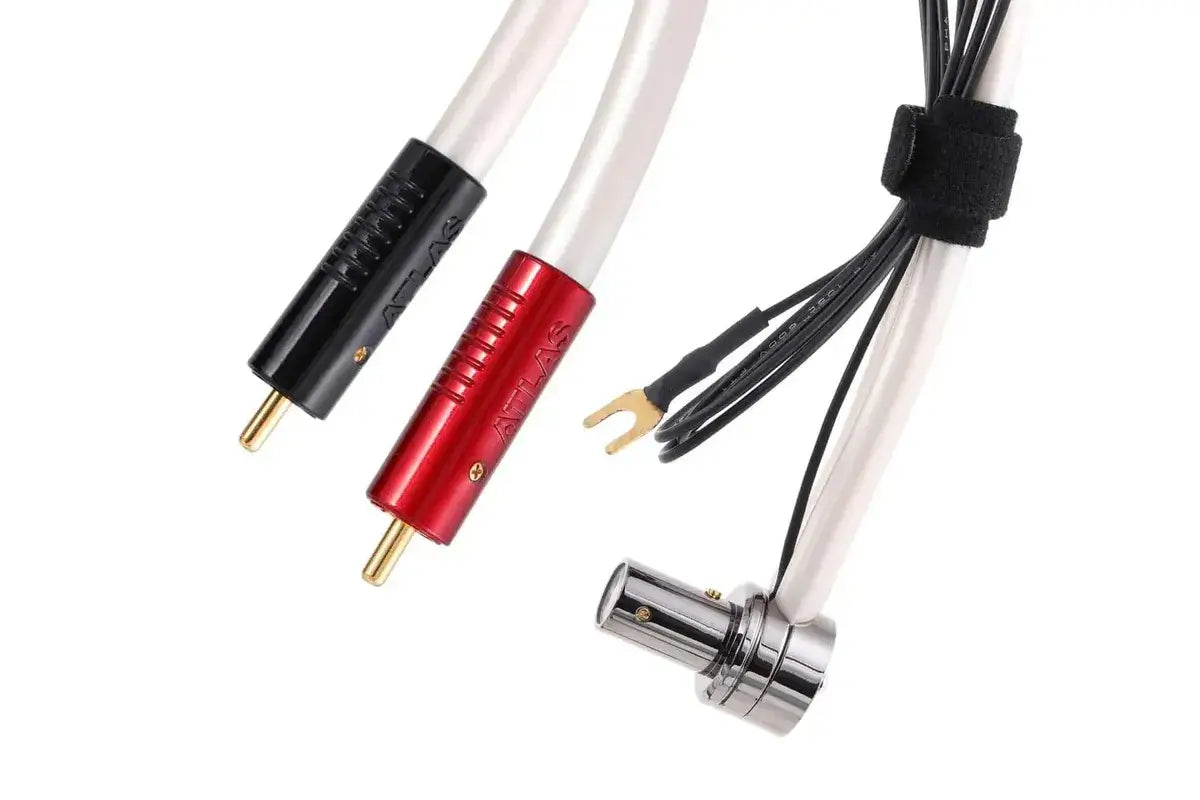
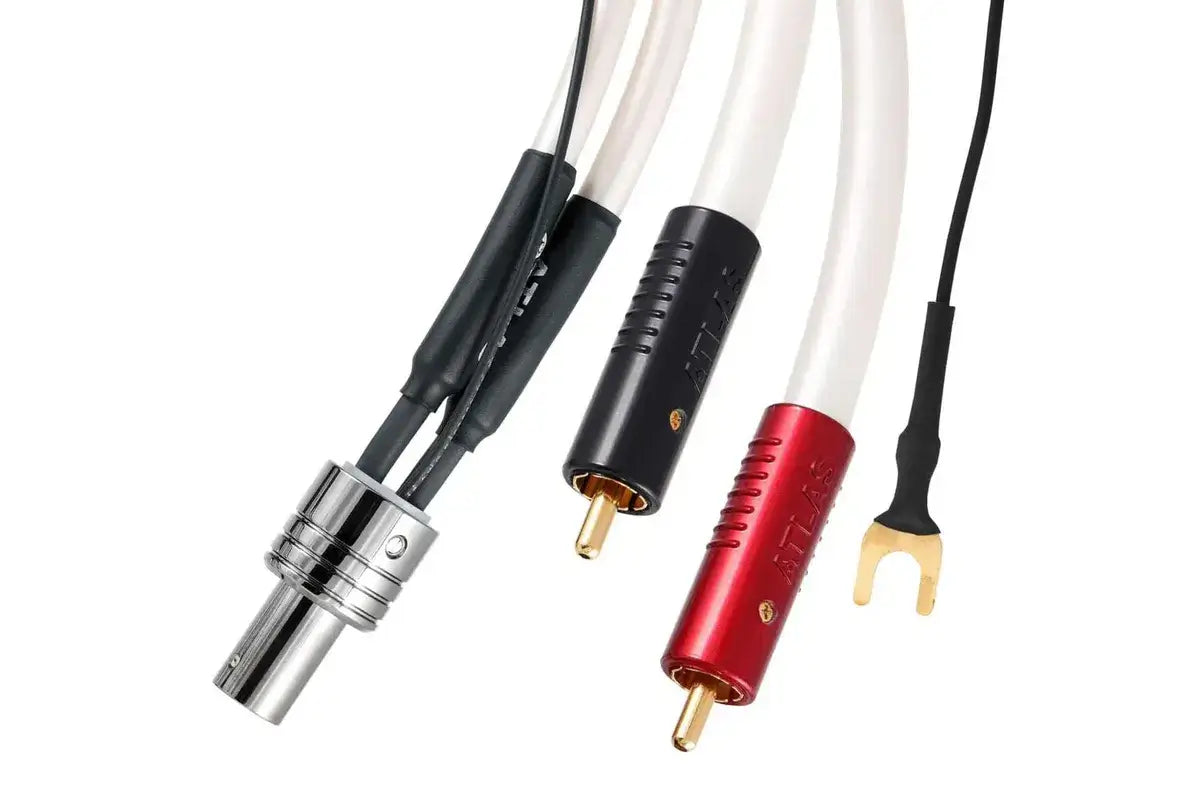
- Turntable cables — connect turntables to phono preamplifiers using low-level analogue signals
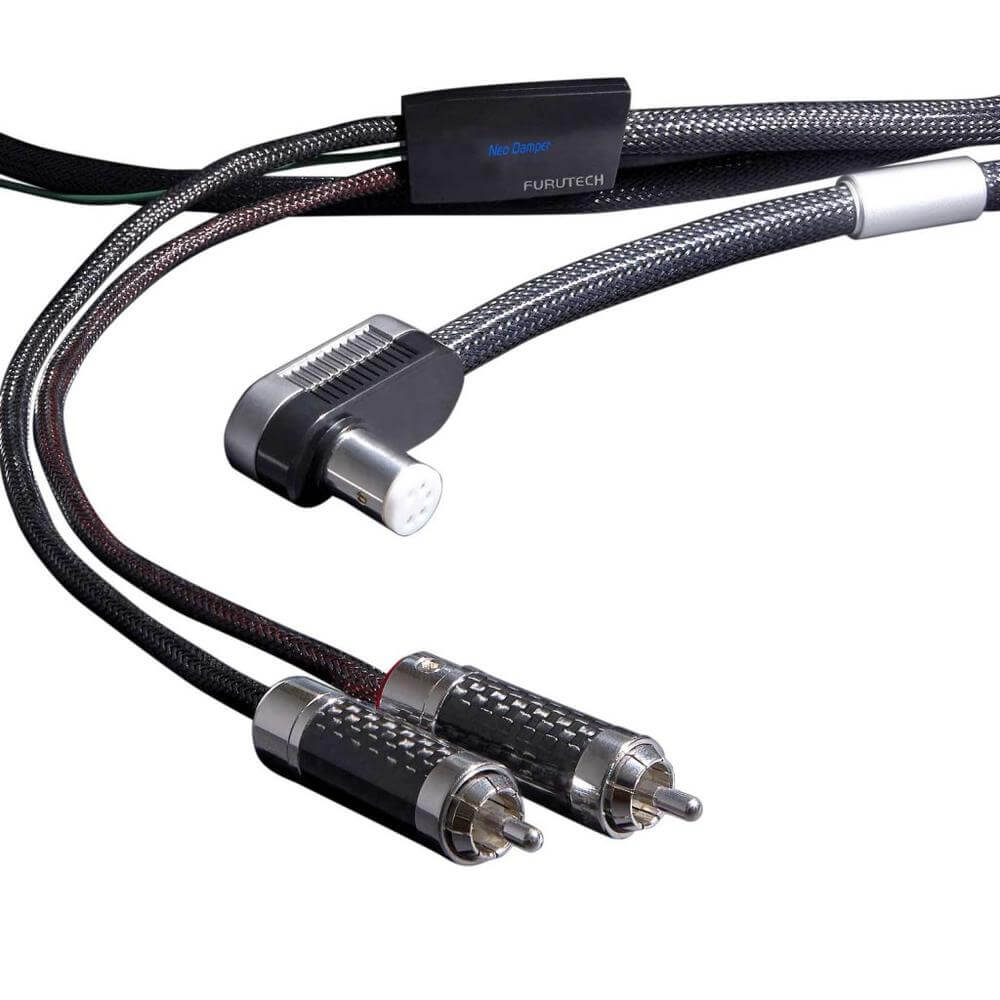
- Tonearm cables — carry cartridge-level signals from the tonearm to the phono stage
- Subwoofer cables — transmit low-frequency line-level signals to subwoofers
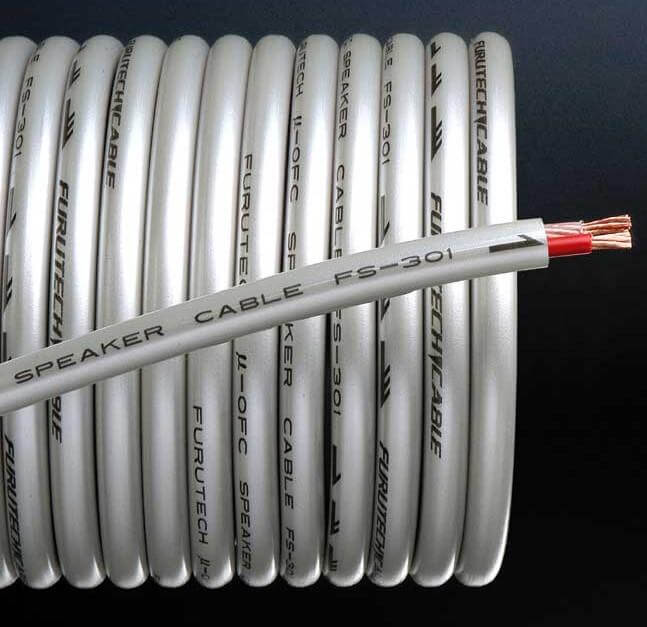
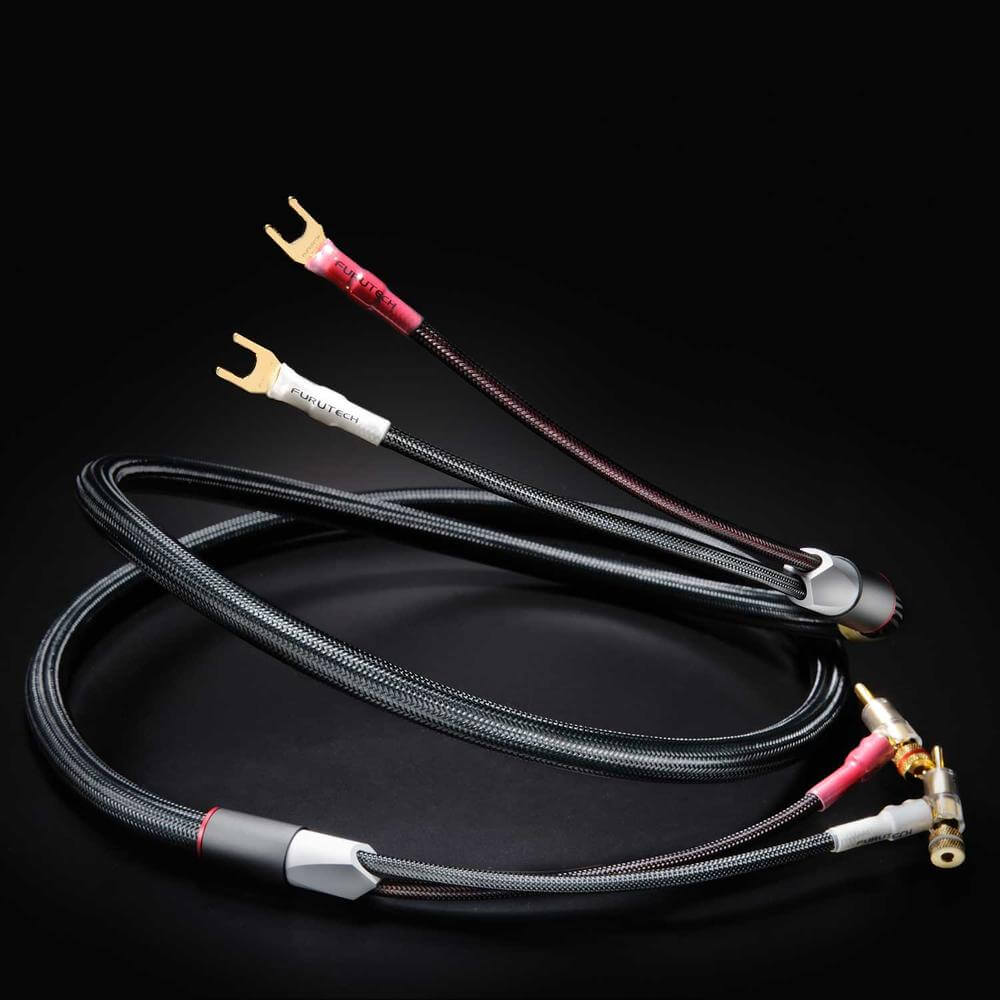
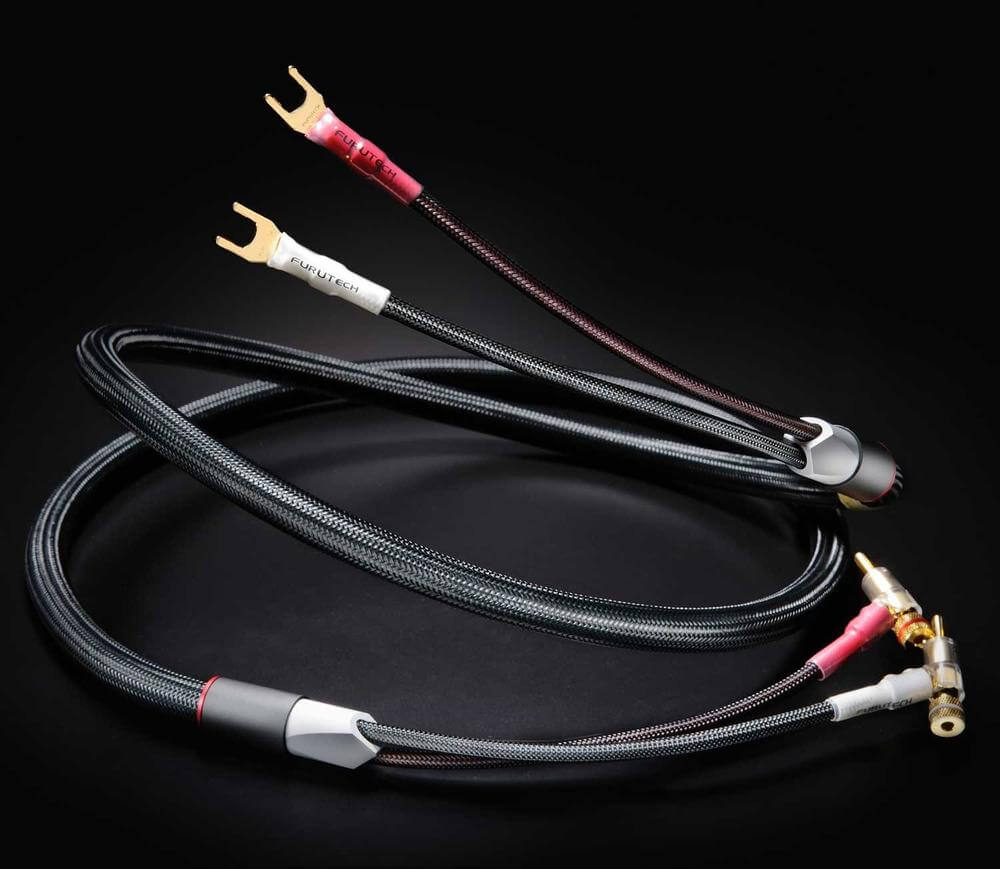
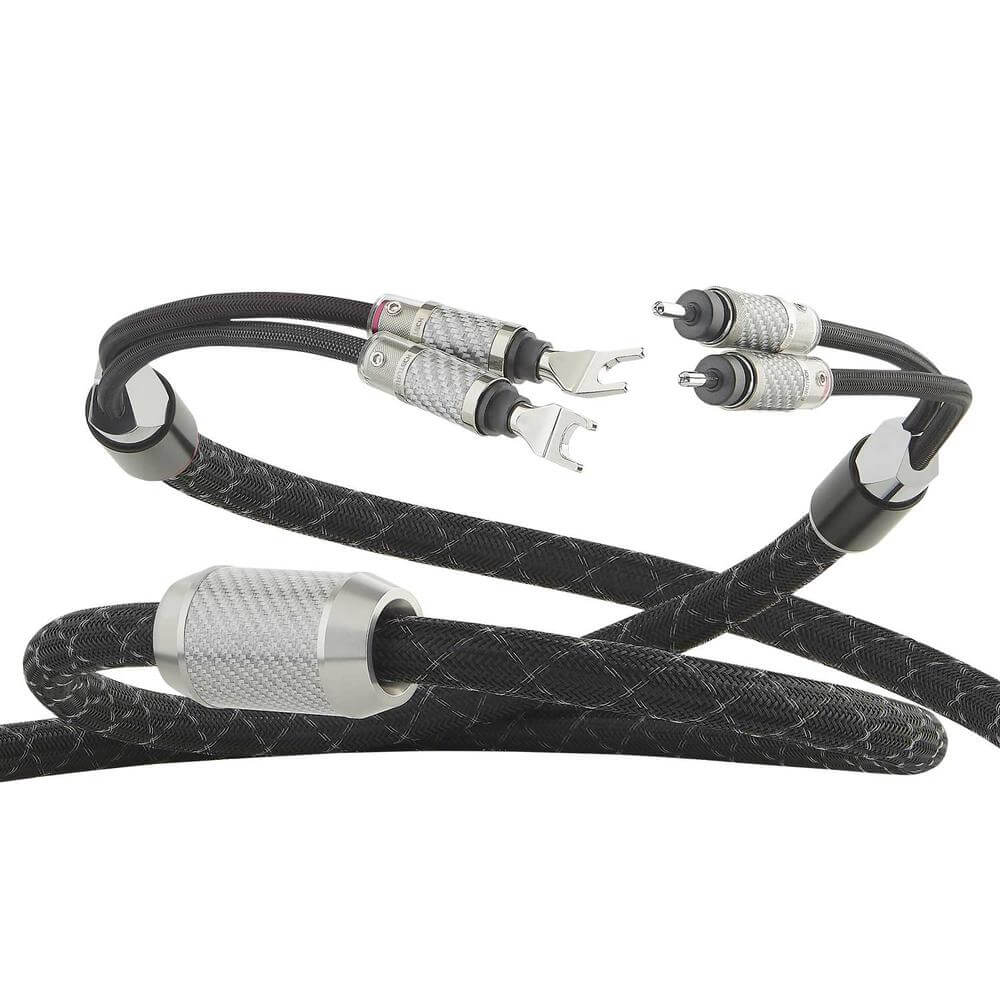
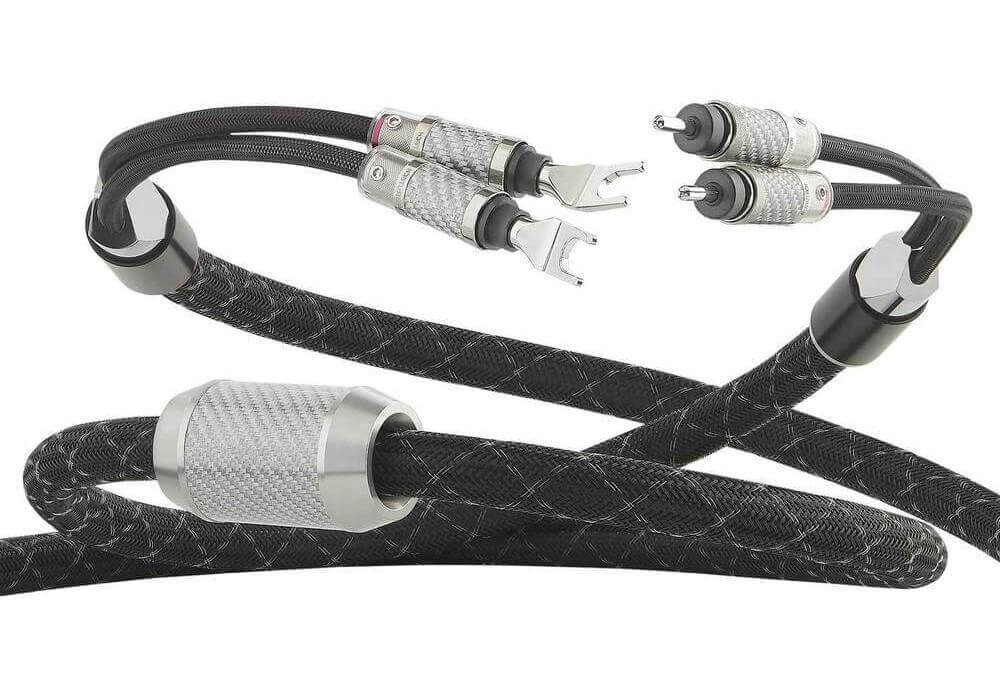
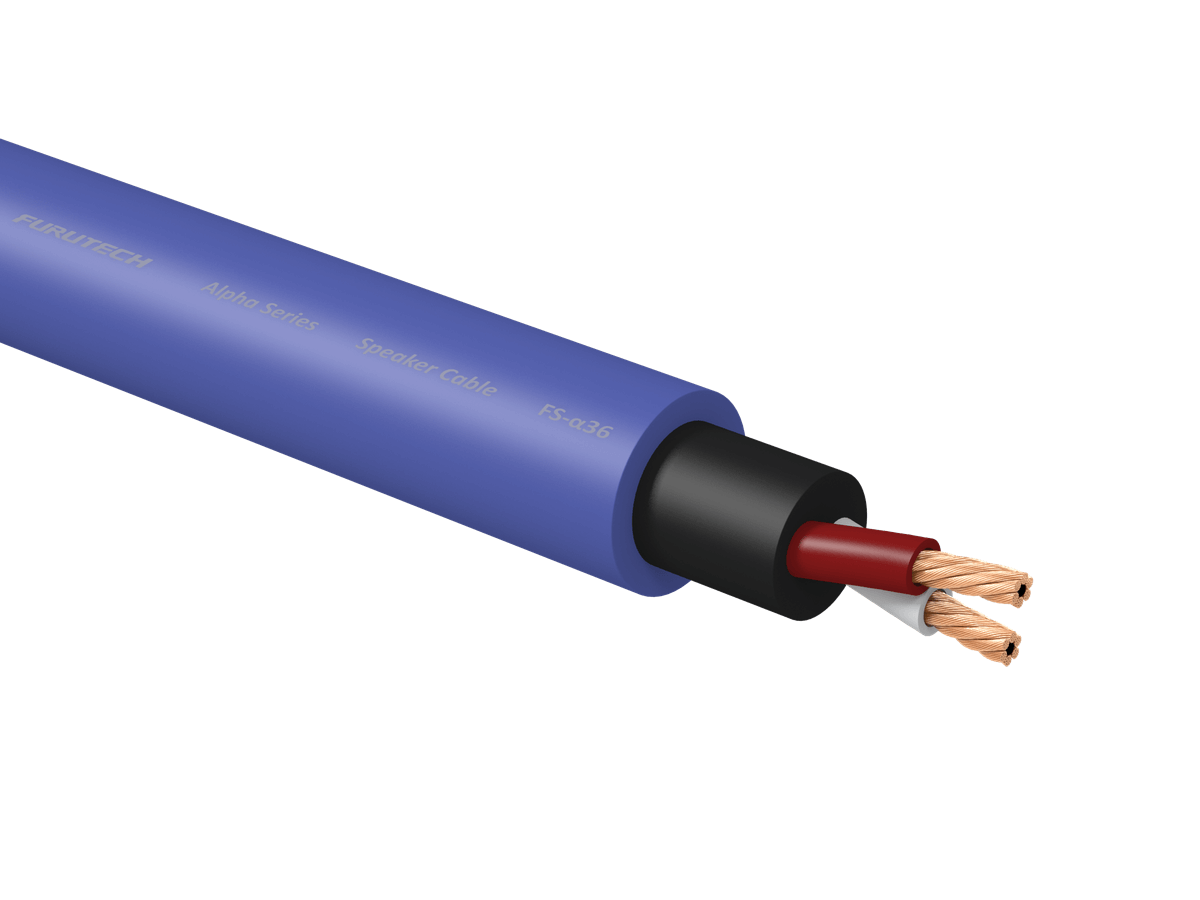
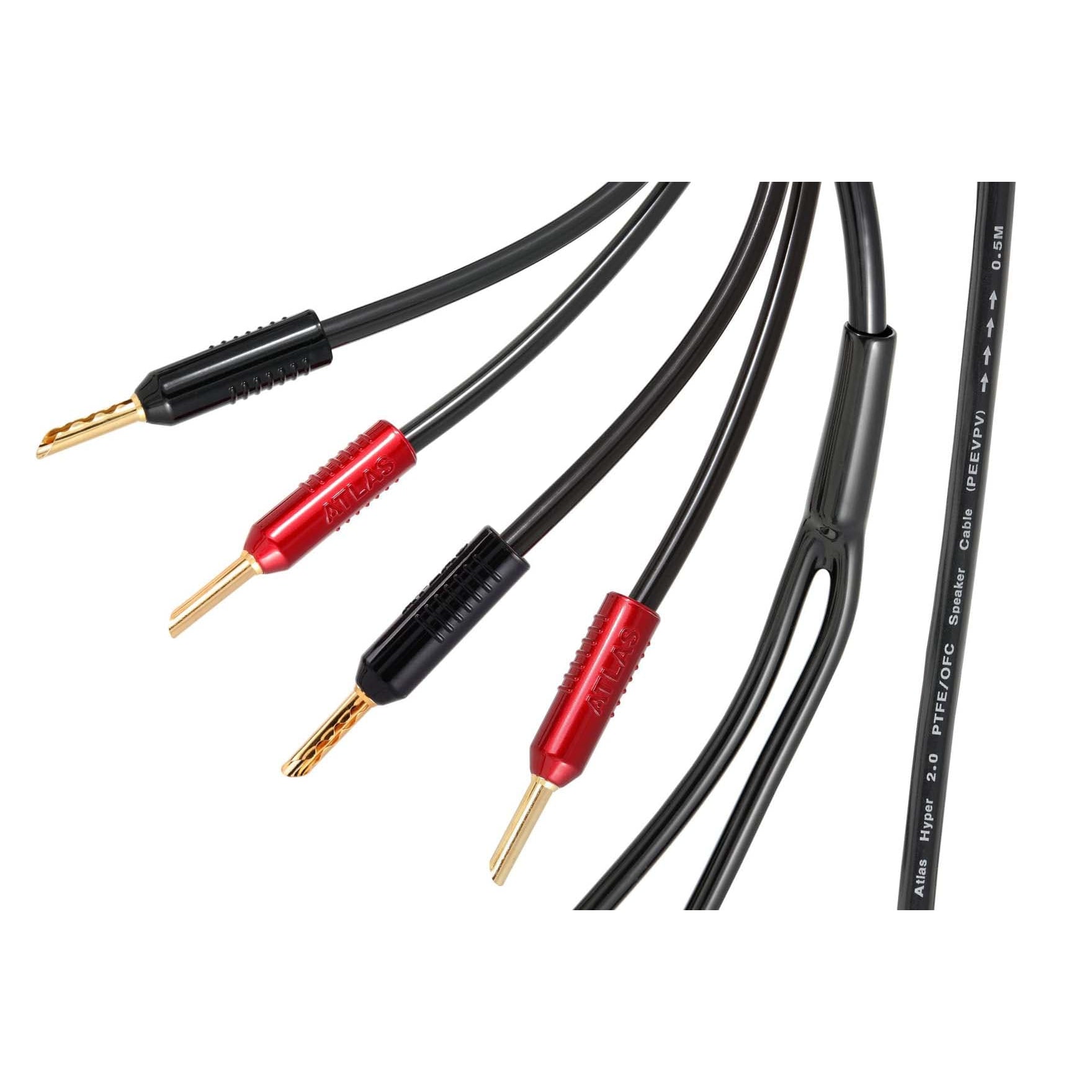
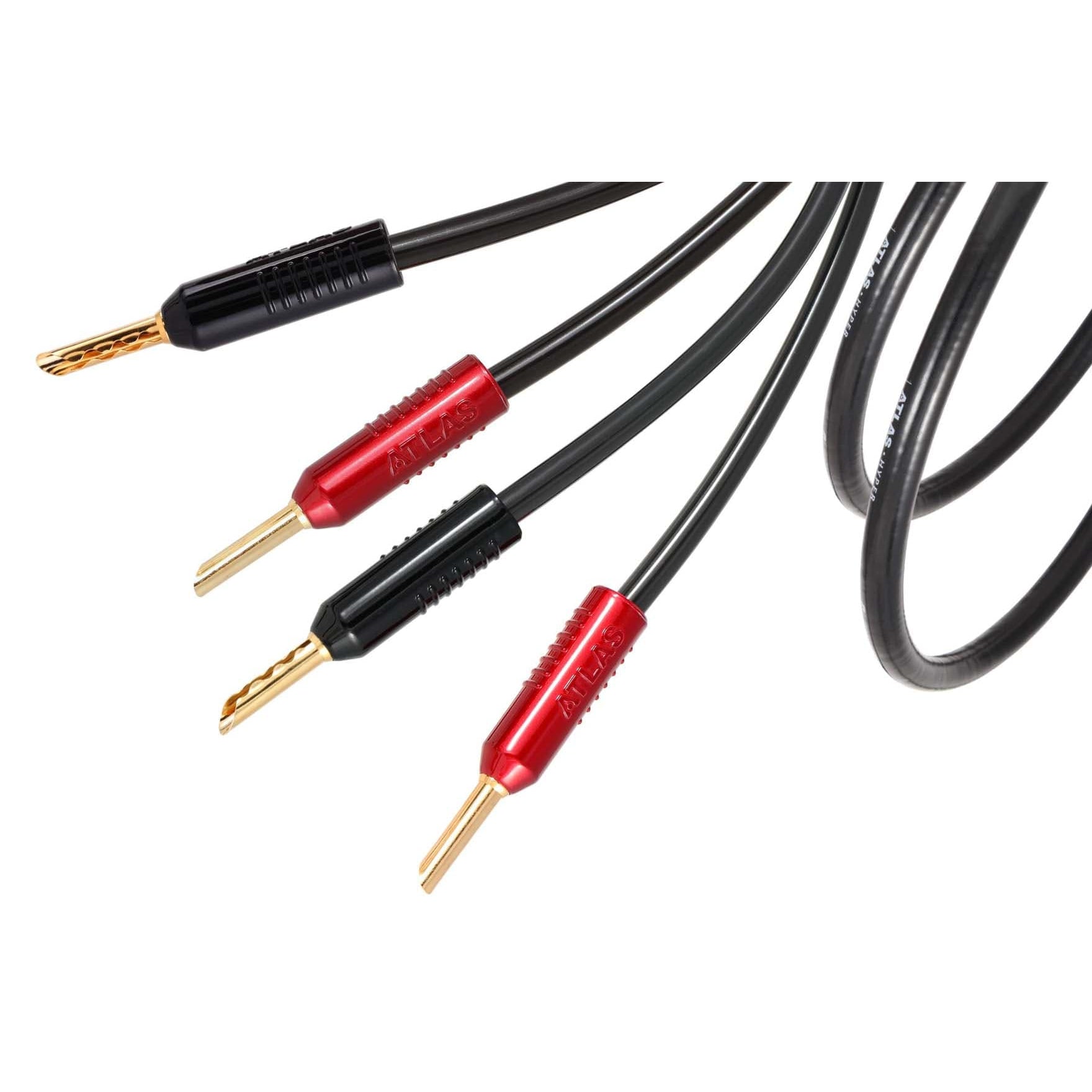
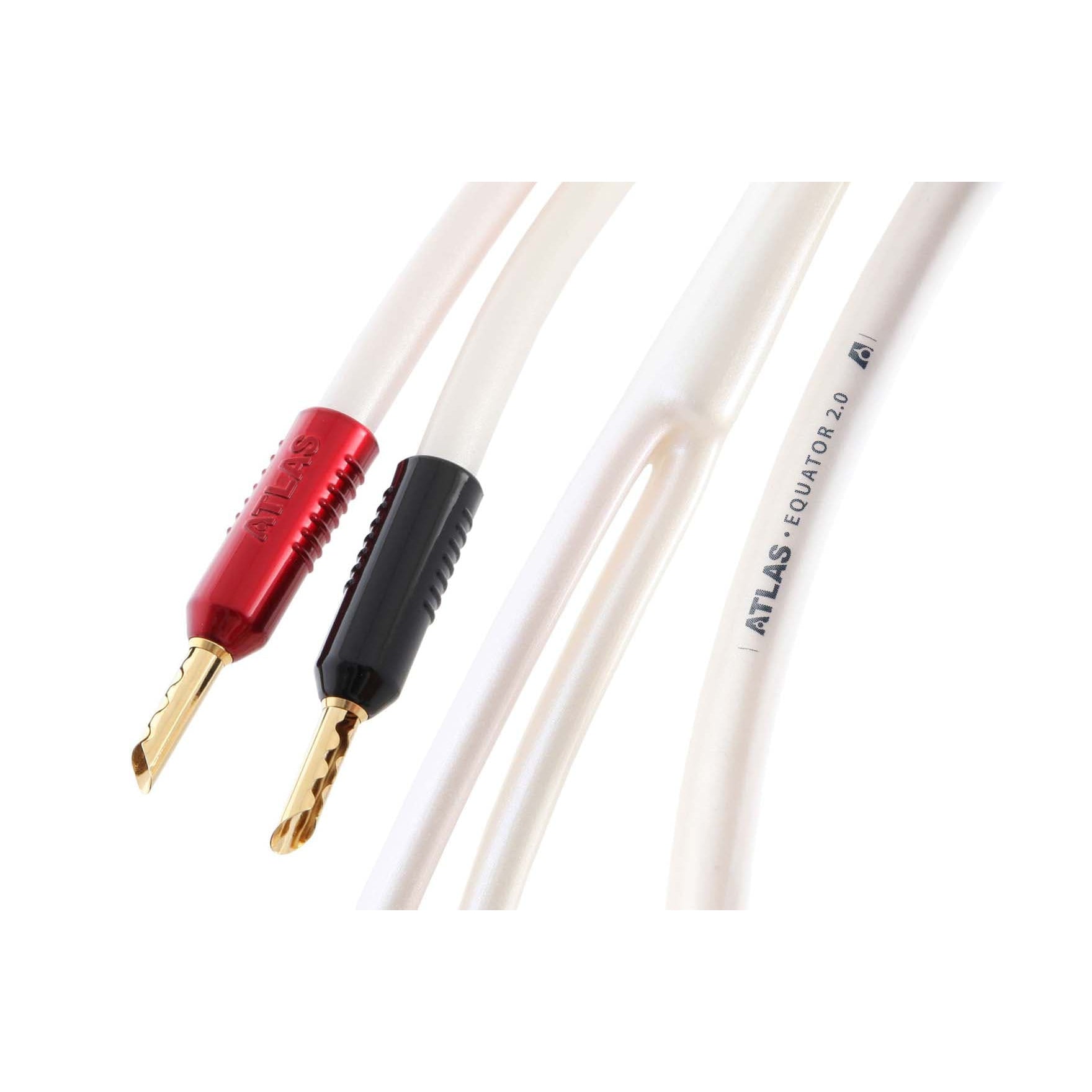
- Speaker cables — carry amplified signals from power amplifiers to speakers
Each type corresponds to a specific stage in the signal chain and cannot be used interchangeably.
Analogue Signal Levels and System Roles
Analogue systems operate across different signal levels:
- Cartridge-level — extremely low signal from a turntable cartridge
- Line-level — standard signal between source components and preamplifiers
- Speaker-level — amplified signal sent to speakers
Tonearm and turntable cables carry cartridge-level signals. RCA, XLR and subwoofer cables operate at line level. Speaker cables carry high-current amplified signals.
Correct cable selection depends on matching the signal level and connection type within the system.
Analogue Signal Path in Hi-Fi Systems
Analogue audio cables form the connection between each stage of a two-channel system. Typical configurations include:
Each cable maintains signal continuity between components. Proper system matching ensures stable signal transfer without introducing noise or imbalance.
Balanced vs Unbalanced Connections
Analogue interconnects use two connection methods.
RCA (unbalanced) connections are standard in consumer hi-fi systems and are suited to shorter cable runs.
XLR (balanced) connections use differential signalling to reduce noise and interference. These are used in systems where components support balanced inputs and outputs.
Selection depends on equipment compatibility and system configuration rather than preference alone.
Selecting the Correct Analogue Audio Cable
Cable selection is based on system design and connection requirements:
- Signal level — cartridge, line or speaker level
- Connection type — RCA or XLR for interconnects
- Component compatibility — matching inputs and outputs
- System layout — determines cable length and routing
Each cable must match both the signal level and the physical connection of the system.
System Integration and Matching
Analogue audio cables are used across systems built around separate components and analogue signal paths. They are typically paired with:
Each connection supports a defined role within the system, from signal generation to amplification and playback.
Analogue Audio Cables for Hi-Fi Systems
The Groove Man supplies analogue audio cables selected for stable signal transmission and system compatibility. This collection supports interconnect, turntable and speaker connections across modern hi-fi systems.
Explore analogue audio cables for RCA, XLR, tonearm, subwoofer and speaker applications.