Floorstanding Speakers in Stereo Hi-Fi Systems
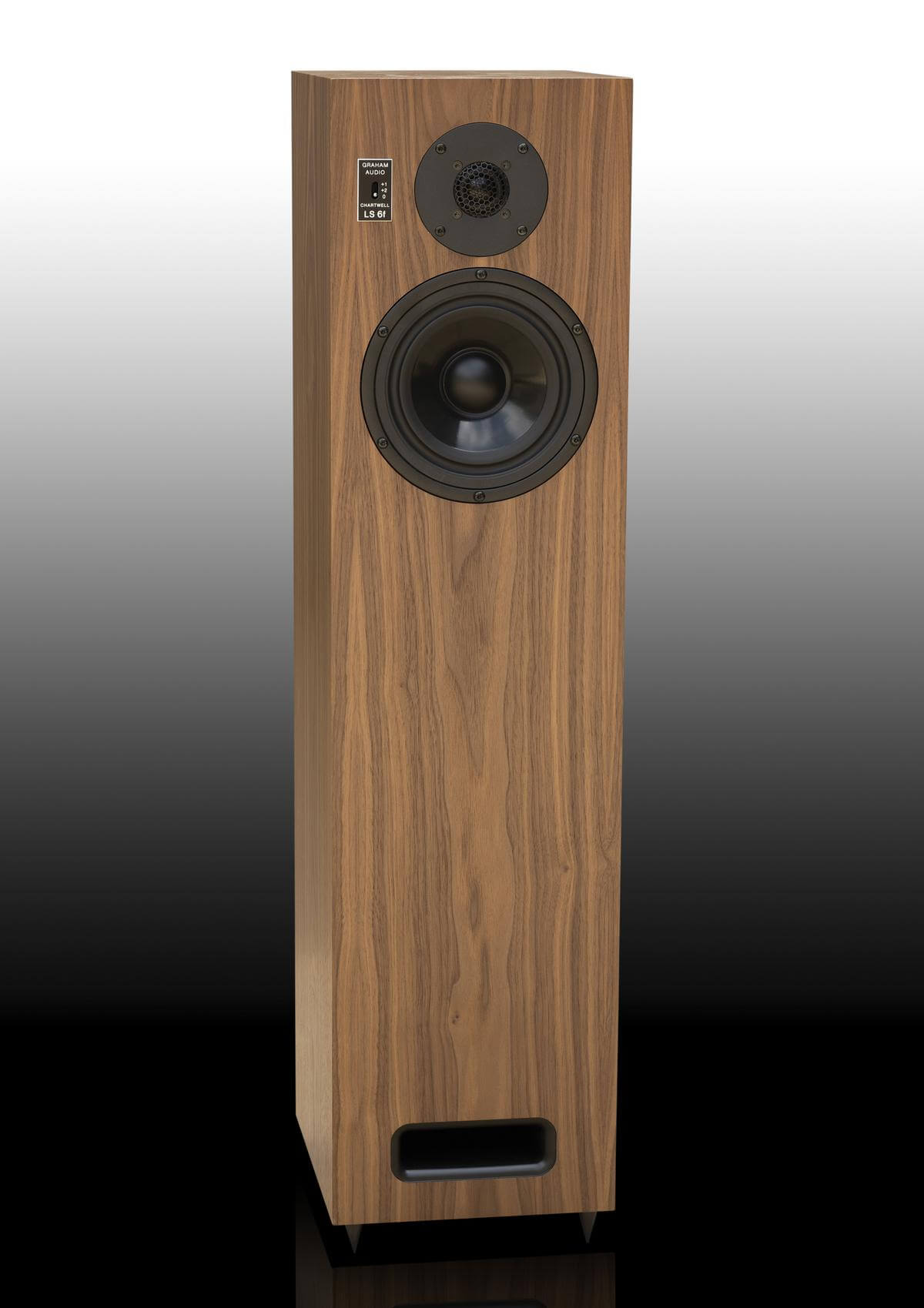
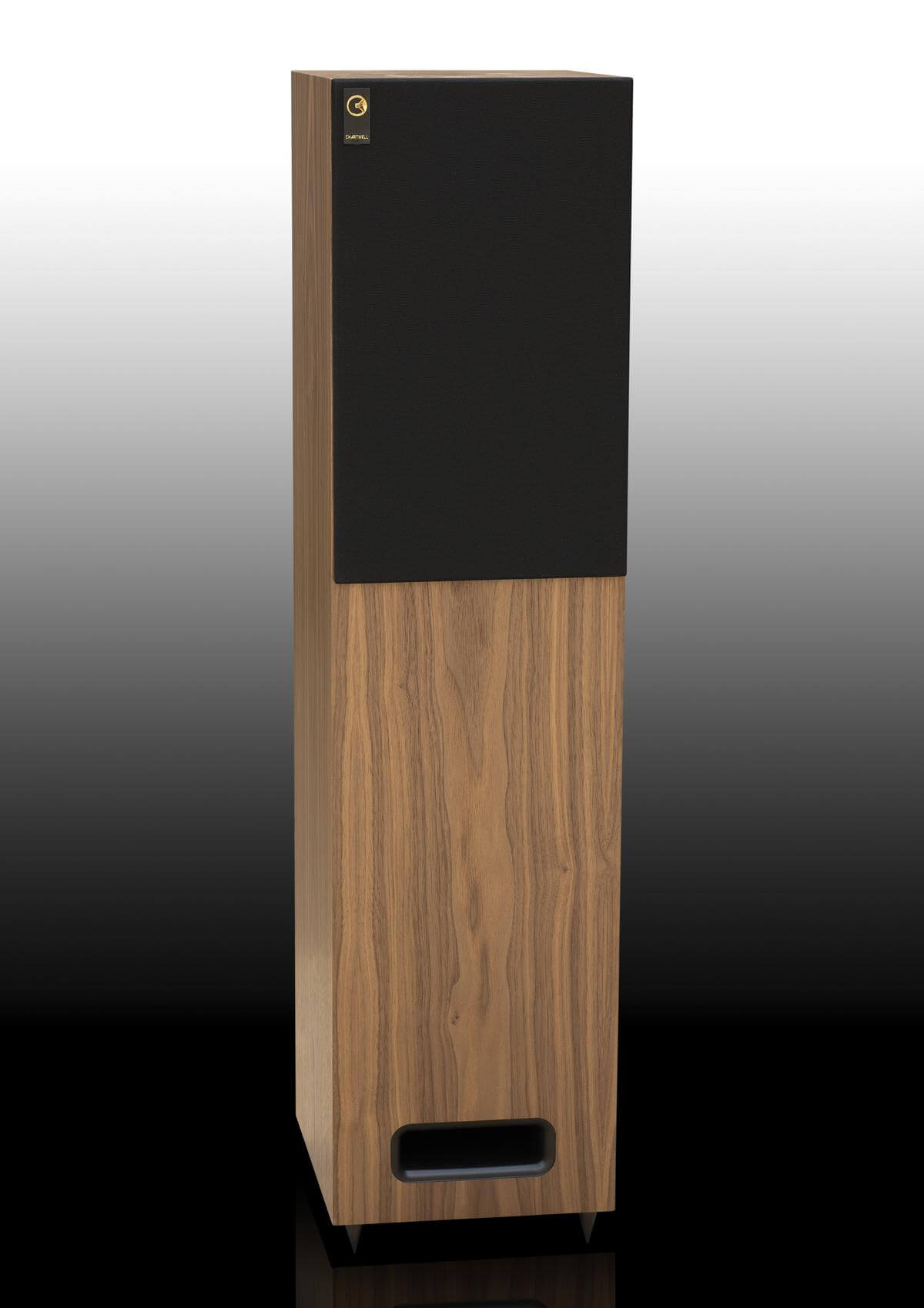
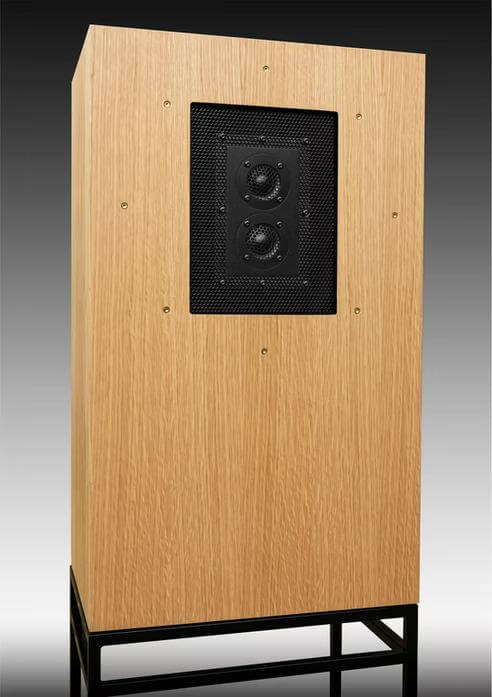
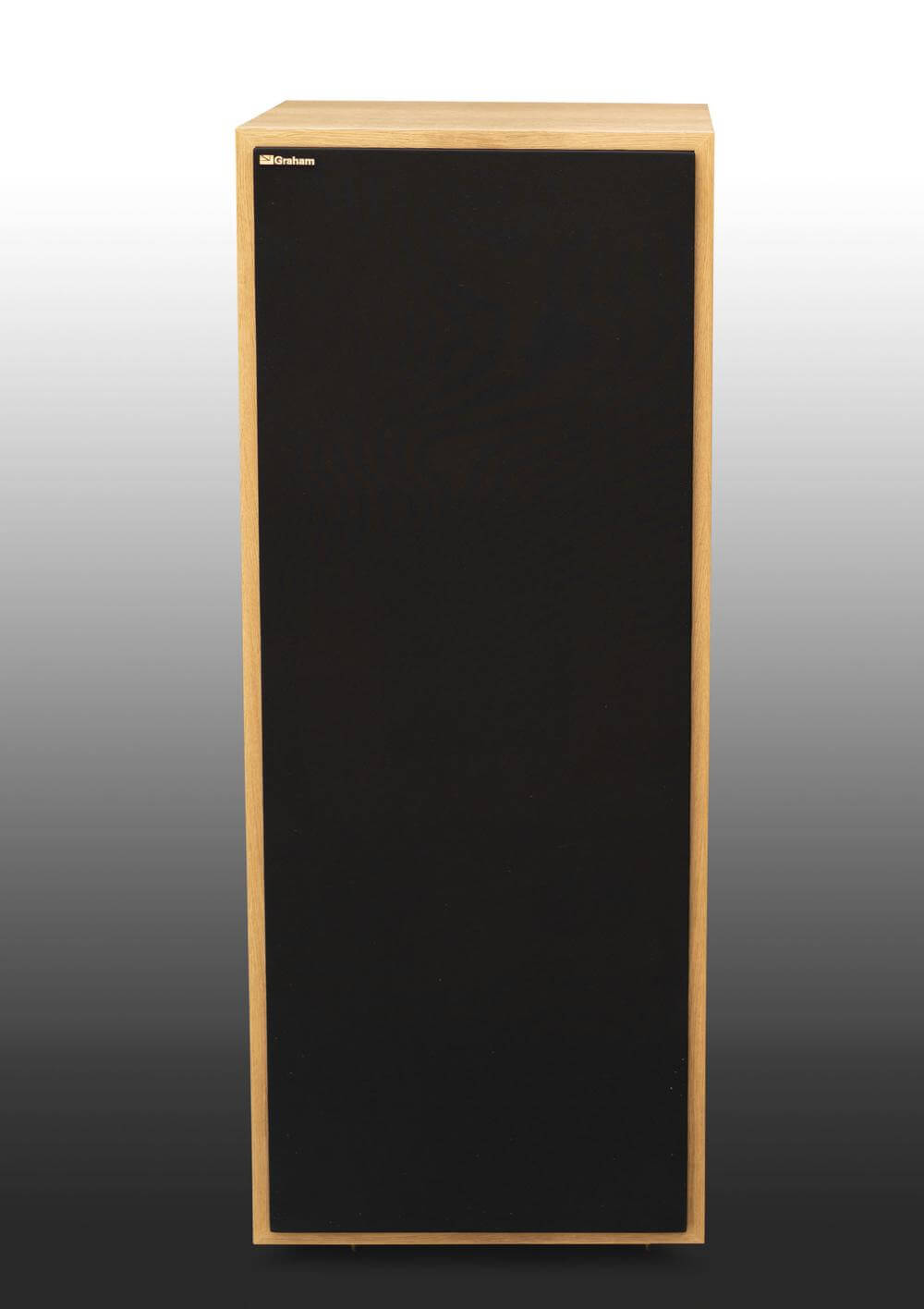
Floorstanding speakers are commonly used as the main left and right channels in stereo audio systems. Their cabinet size and driver layout allow them to reproduce a wide frequency range while maintaining stable stereo imaging.
Typical hi-fi signal chain:
source component → amplifier → floorstanding speakers
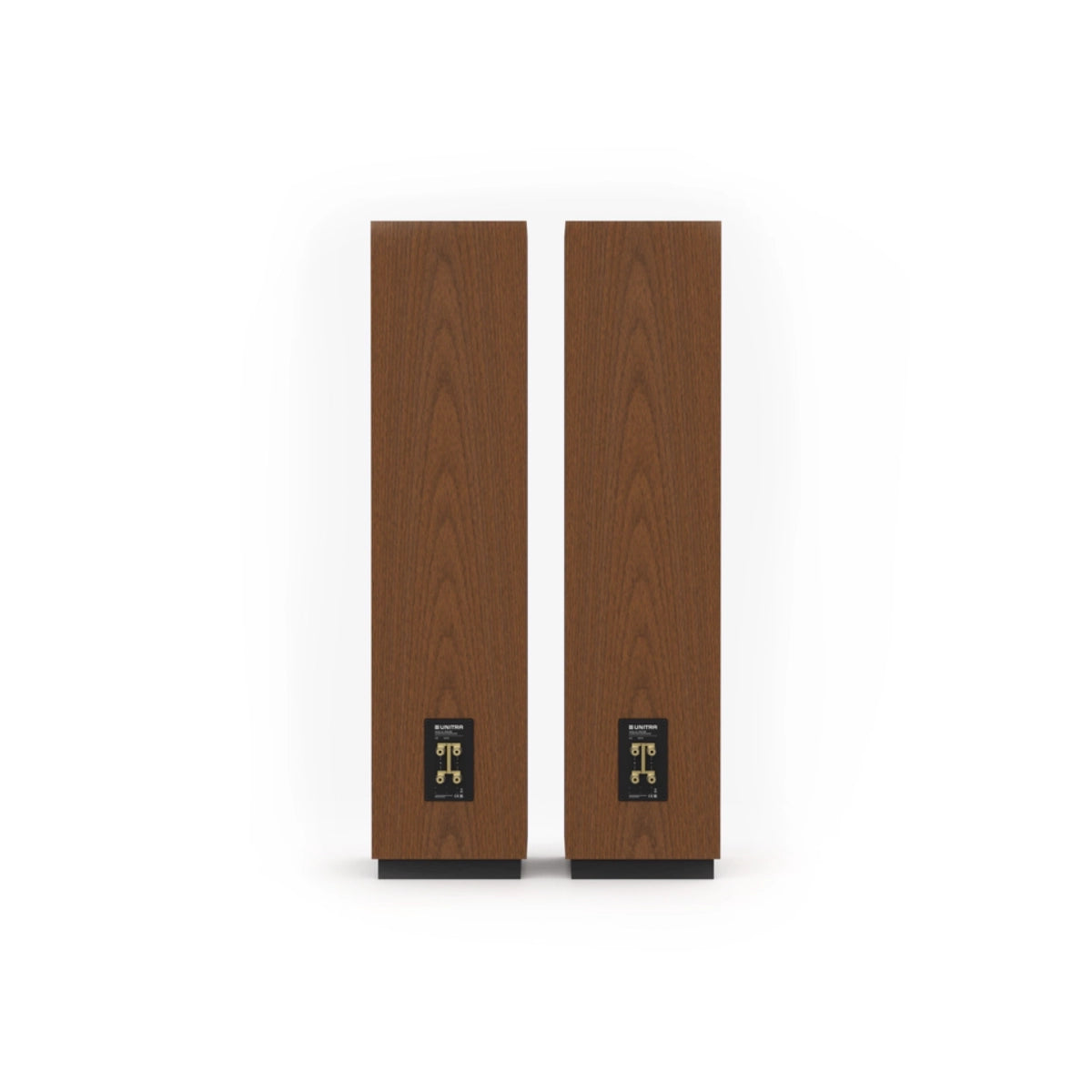
An integrated amplifier or power amplifier drives the loudspeakers through speaker cables. Matching amplifier output power, speaker sensitivity and impedance helps ensure stable operation and controlled sound reproduction.
Because tower speakers can move more air than compact speakers, they often deliver greater dynamic range and sound pressure levels, which benefits music with wide frequency content and complex instrumentation.
Driver Configuration and Cabinet Design
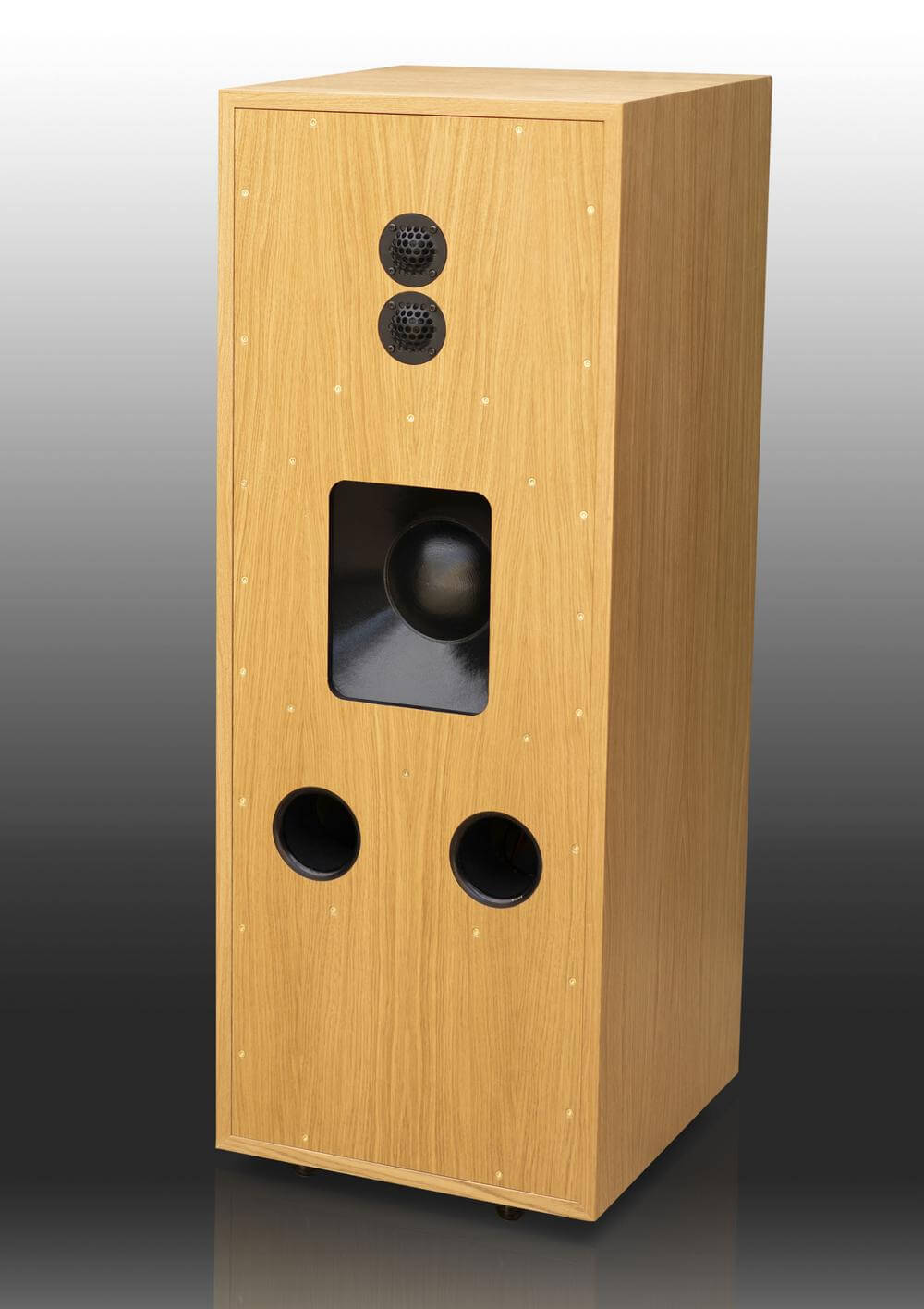
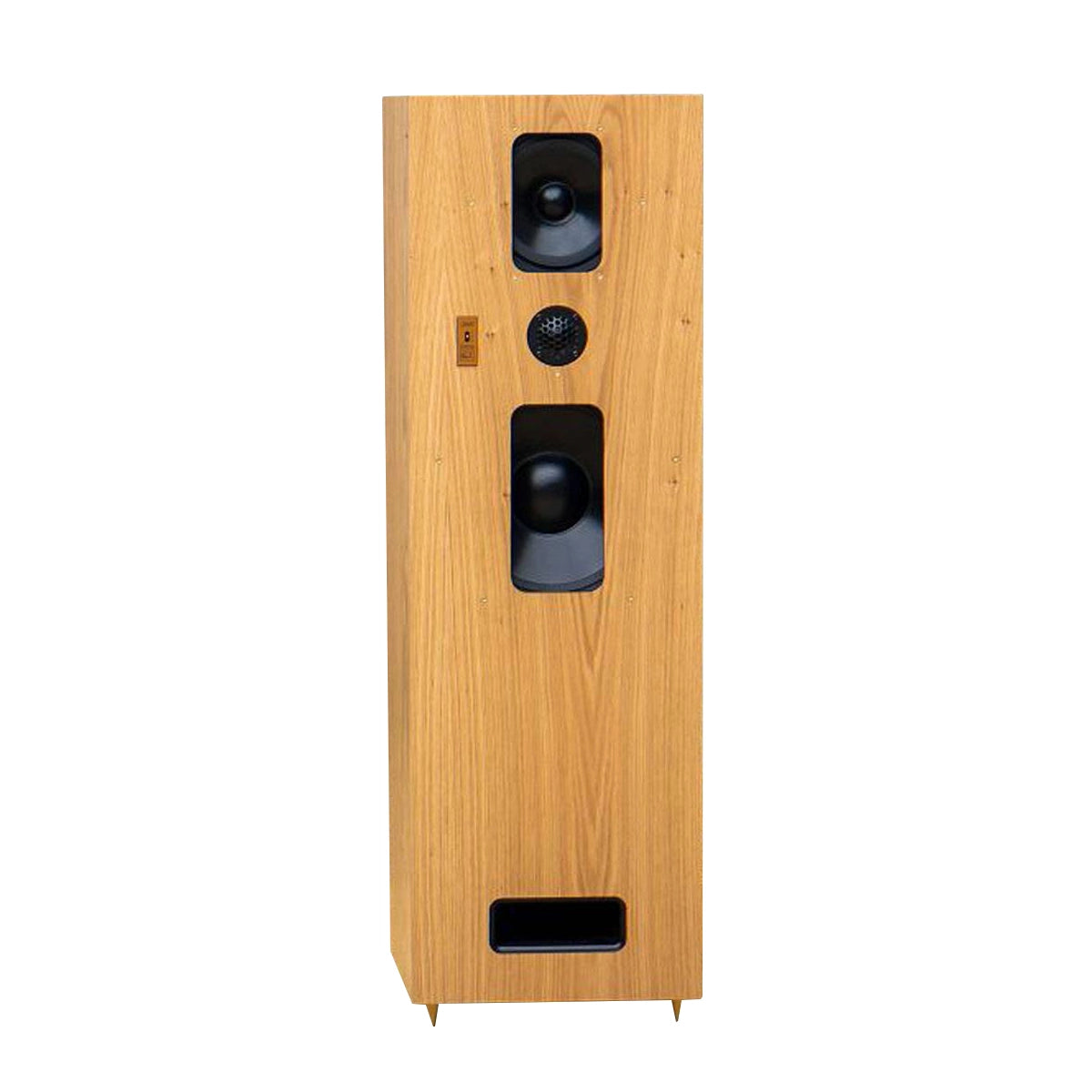
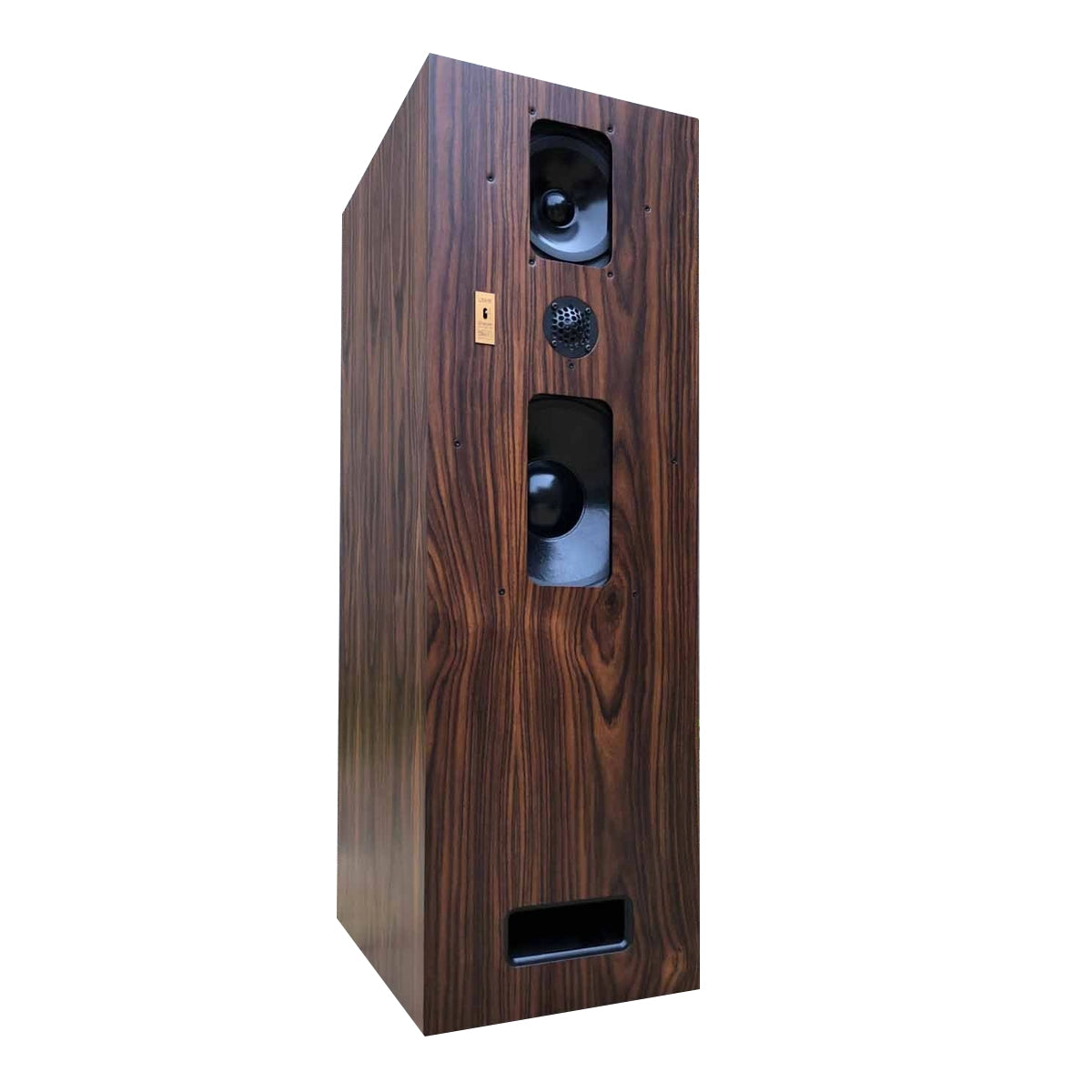
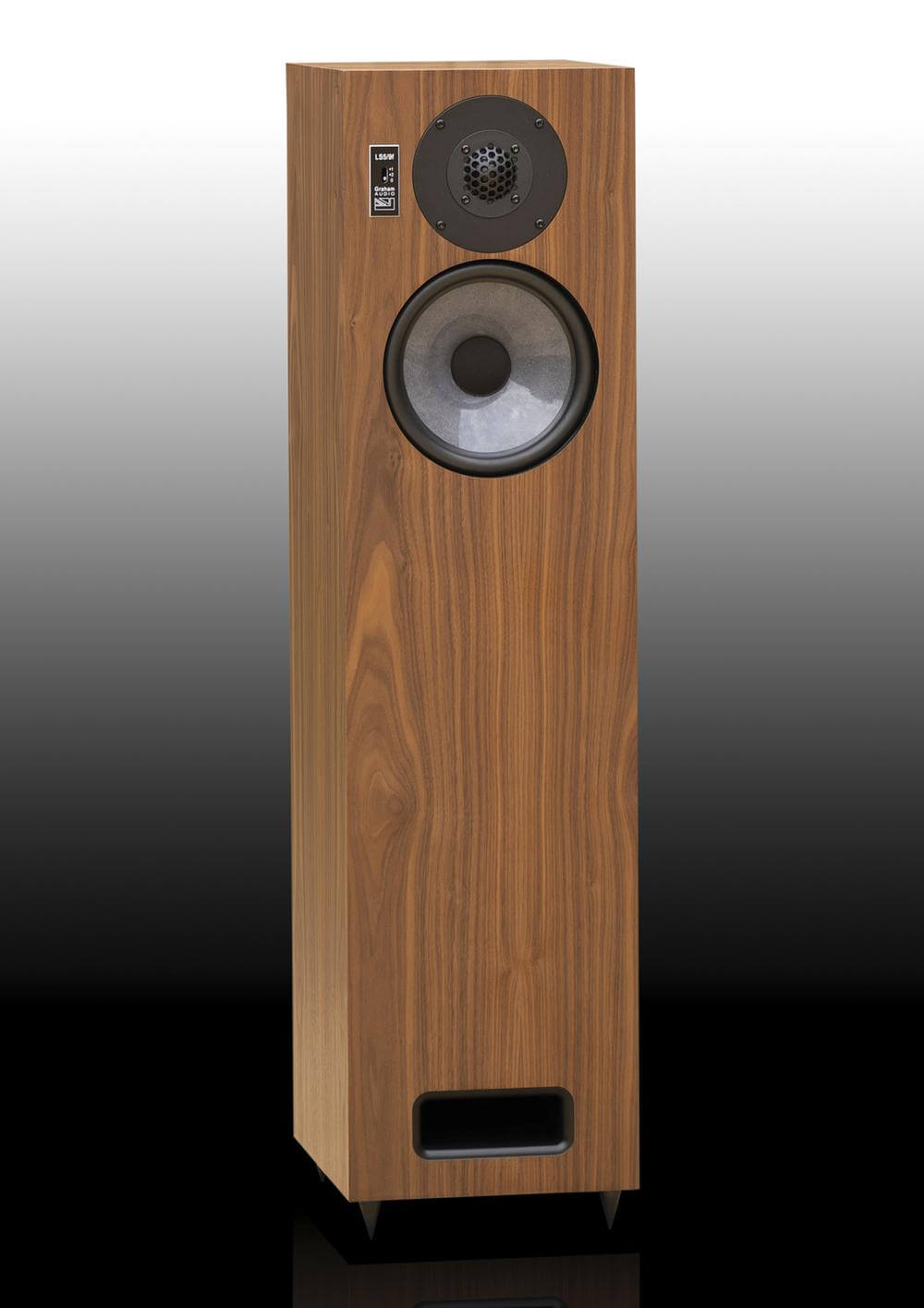
Most floorstanding speakers use multi-driver loudspeaker systems that divide the audio signal between specialised drivers.
Bass drivers (woofers) reproduce low frequencies and provide the foundation of the speaker’s sound.
Midrange drivers reproduce the frequencies where vocals and many instruments are most prominent.
Tweeters reproduce high frequencies and transient detail.
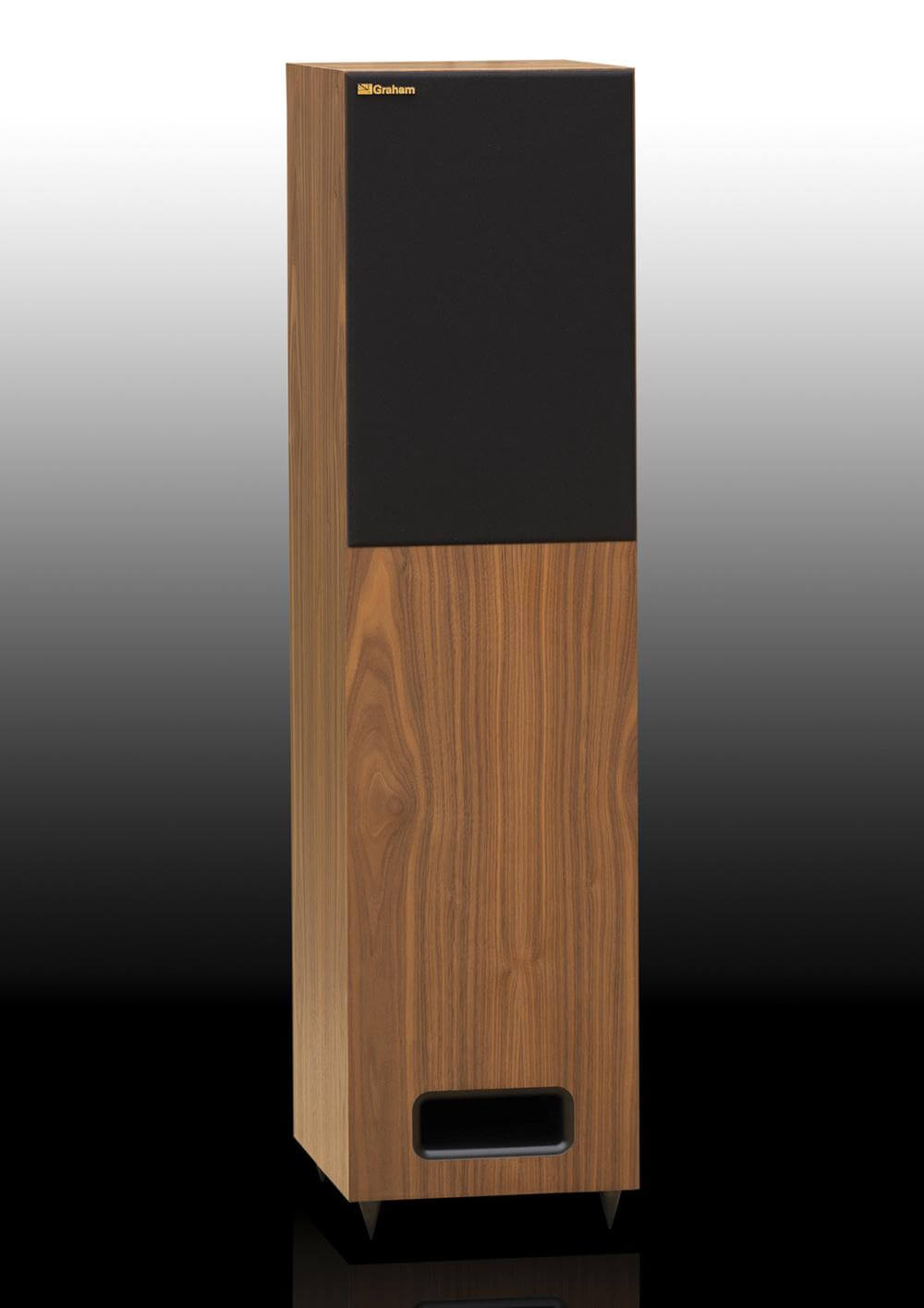
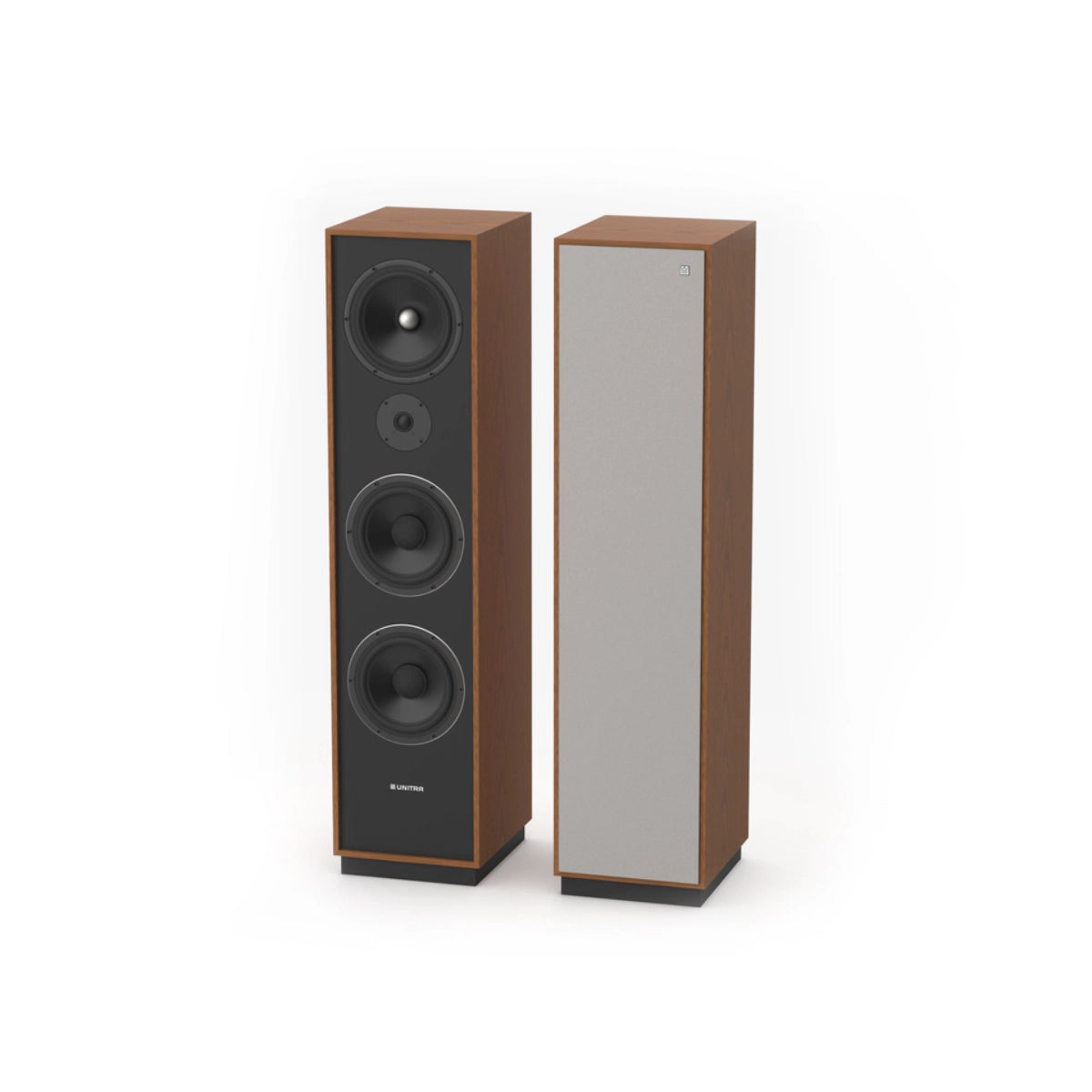
Some floorstanding loudspeakers use a two-way design, while others use three-way or multi-driver configurations to improve frequency distribution and acoustic control. Cabinet size, internal damping and crossover design all influence how the speaker performs across the frequency spectrum.
Many floorstanding speakers use a three-way loudspeaker design that separates bass, midrange and high-frequency reproduction across dedicated drivers. These floorstanding speakers can operate without a subwoofer, although they may still be paired with Subwoofers for additional low-frequency extension.
Choosing Floorstanding Speakers
Selecting the right floorstanding speakers depends on several system and room considerations.
Room size and listening distance influence how effectively the speakers can reproduce bass and maintain stereo imaging. Larger cabinets and multiple drivers typically allow greater output and deeper frequency extension.
Amplifier capability is also important. Speaker sensitivity and impedance determine how easily a loudspeaker can be driven and how much amplifier power is required to achieve consistent listening levels.
Correct speaker placement within the listening space helps maintain balanced frequency response and accurate stereo presentation.
In smaller rooms or space-limited systems, Bookshelf Speakers may be used as an alternative.
Floorstanding Speakers at The Groove Man
The Groove Man offers a curated range of floorstanding speakers designed for high-fidelity stereo systems. Our collection includes full-range tower loudspeakers from established hi-fi manufacturers, chosen for accurate sound reproduction and long-term listening performance.
Customers across Australia choose The Groove Man when building or upgrading a stereo hi-fi system with carefully selected loudspeakers and audio components.