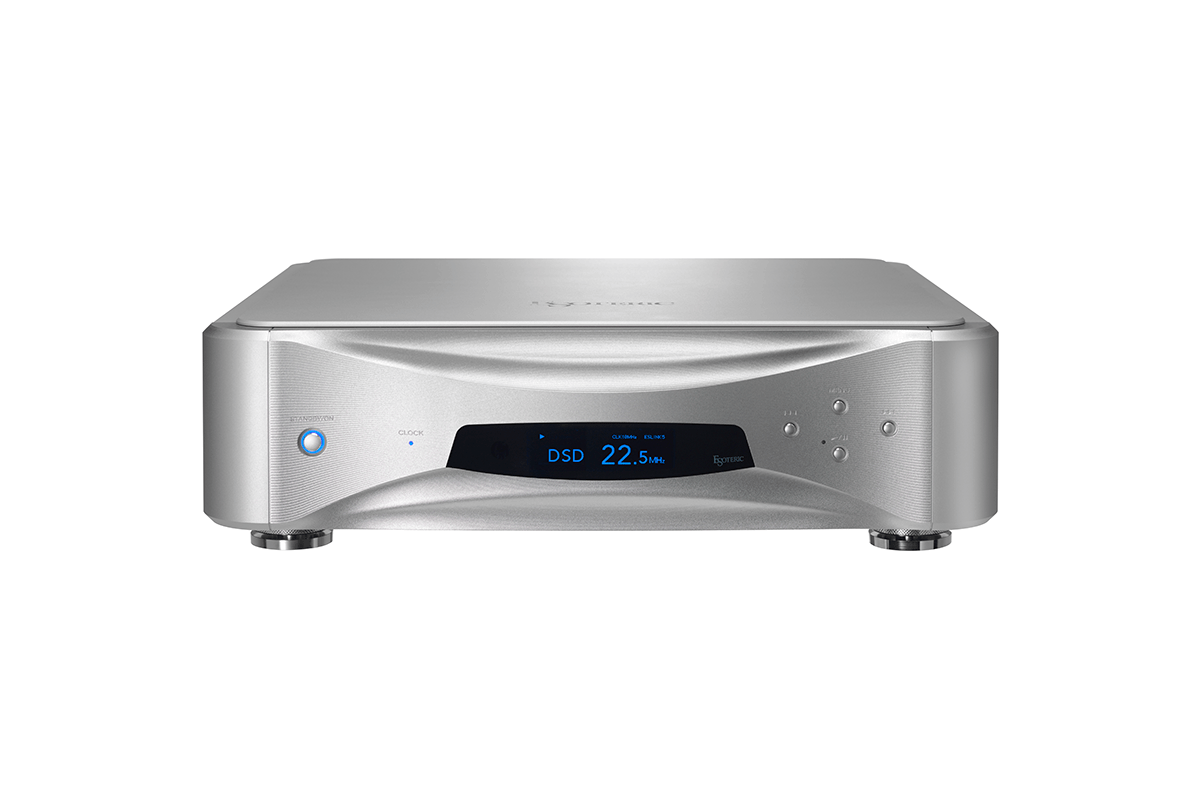
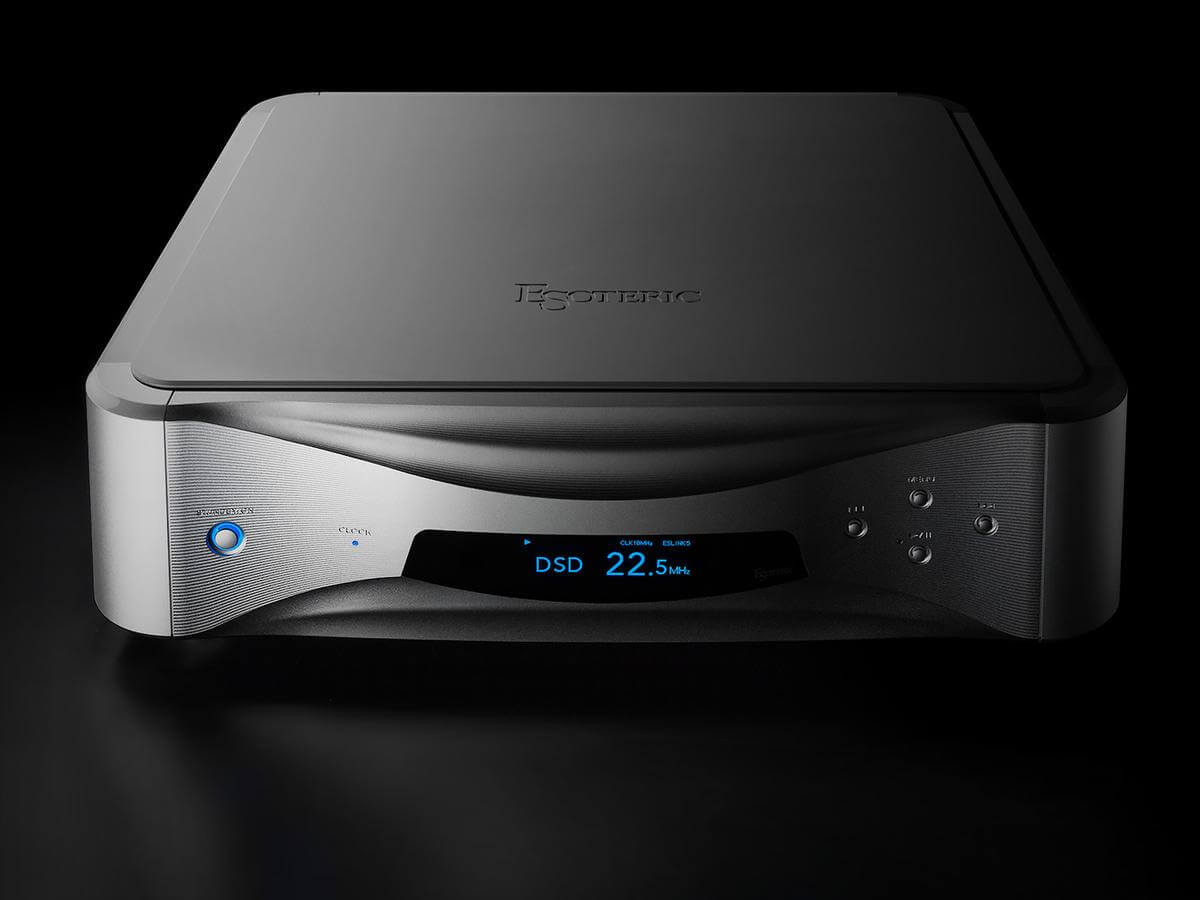
Network Players with Integrated DACs
Streaming DACs, often referred to as network players, connect directly to a local network via Ethernet or Wi-Fi and support playback from streaming platforms, internet radio and locally stored music libraries. By handling both network streaming and digital conversion internally, these components simplify system design and reduce the need for additional digital connections.
Streaming DACs incorporate the functionality of standalone DACs, performing digital-to-analogue conversion internally.
In a typical system, a streaming DAC outputs an analogue signal directly to an integrated amplifier or preamplifier. Some models also provide digital outputs for use with external DACs or digital processors, depending on system requirements. Selection depends on streaming platform support, network compatibility and how the player integrates with the rest of the audio system.
The analogue output from a streaming DAC is typically connected directly to an amplifier or preamplifier for playback through speakers or headphones.