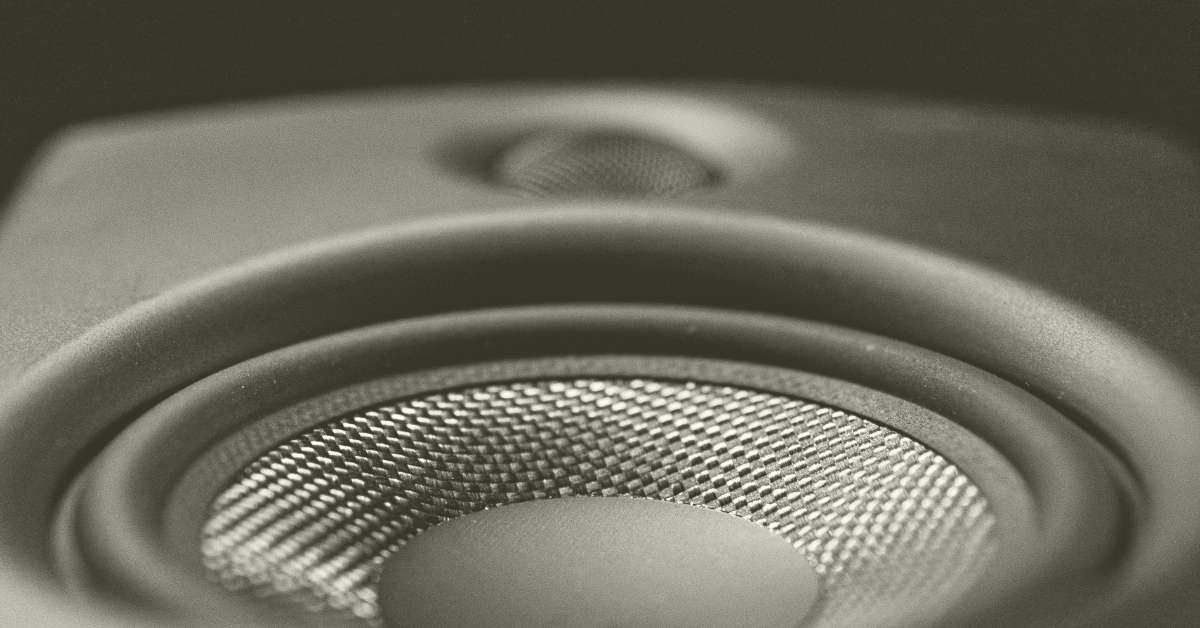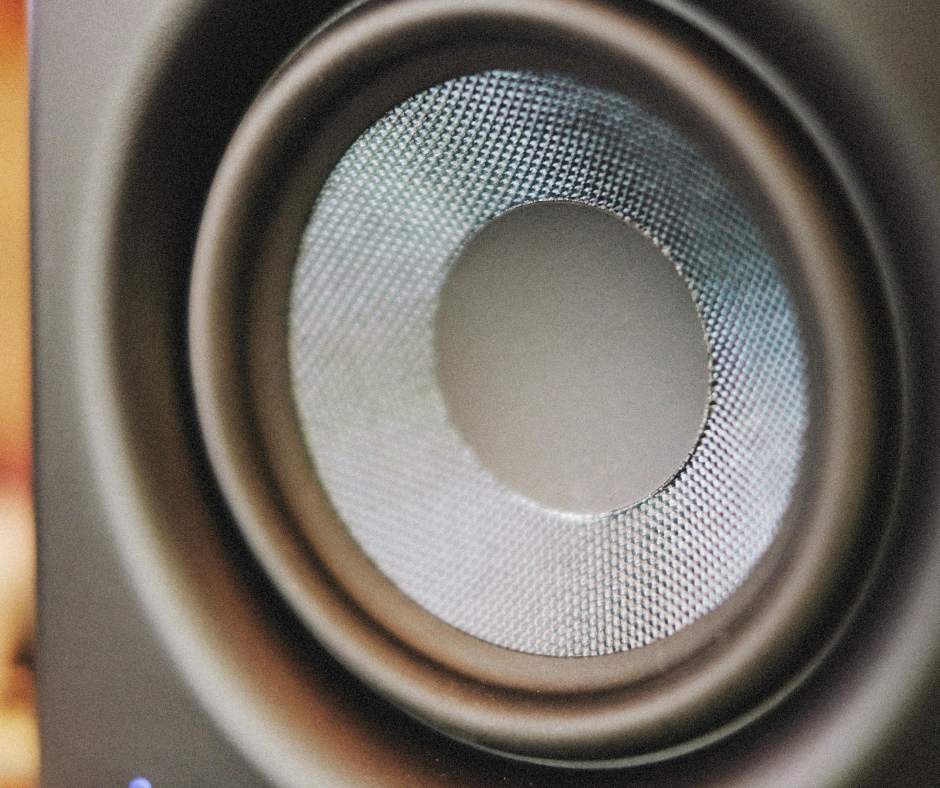

Bookshelf speaker placement refers to the precise positioning of compact loudspeakers within a small listening room to optimise imaging, tonal balance and bass control. Because standmount speakers interact strongly with nearby boundaries, furniture and reflective surfaces, correct placement is essential for accuracy, coherence and spatial precision.
Achieving Correct Height and Tweeter Alignment
Bookshelf speakers perform best when the tweeter sits at ear height, ensuring the designed dispersion pattern reaches the listener without vertical lobing or phase shifts. Dedicated stands stabilise the speaker, reduce vibration and maintain a consistent acoustic reference. Using isolation pads or decoupling interfaces further limits mechanical energy transfer, improving midrange clarity and reducing cabinet-induced smear. See the guide to bookshelf speakers.
Managing Distance from Rear and Side Walls
Small rooms amplify boundary interactions, making rear-wall distance a critical factor. A starting position of 20–60 cm from the back wall helps balance bass reinforcement and clarity. Too close, and boundary gain exaggerates low frequencies; too far, and bass can thin out. Side-wall symmetry also matters—equal spacing left and right preserves stereo imaging and soundstage stability.
Ported enclosures require additional breathing space to avoid low-frequency bloom, while sealed designs can be placed slightly closer to boundaries without adverse effects.
Fine-Tuning Toe-In for Imaging and Tonal Balance
Toe-in controls how high-frequency energy is directed toward the listening position. Mild toe-in enhances centre imaging, improving the precision of vocals and instruments. Stronger toe-in increases perceived treble detail and narrows the soundstage. Wide-dispersion dome tweeters often benefit from subtle toe-in, while waveguide-equipped or ribbon designs may require more focused alignment to achieve optimal axial response.
Optimising Listening Distance for Cohesive Integration
Bookshelf speakers are typically engineered for near-field or short-to-mid listening distances. In small rooms, a listening distance of 1.5–2.2 metres establishes the correct time alignment between drivers and the listener, forming a near-equilateral triangle. This geometry ensures coherent imaging, stable phantom centre reproduction and balanced frequency response.
Controlling Reflections and Room Acoustics
Small rooms generate early reflections that degrade clarity and depth. Soft furnishings—rugs, curtains, upholstered seating—naturally reduce reflection intensity. Treating first-reflection points on side walls with acoustic absorption enhances precision without deadening the room. Diffusers placed behind the listening position can improve spaciousness by scattering high-frequency energy.
Integrating a Subwoofer Without Overpowering the Room
A compact subwoofer can extend low-frequency performance when carefully integrated with bookshelf speakers. Crossing over at 60–80 Hz typically provides smooth handover between subwoofer and mains. Corner placement maximises output but can introduce peaks; wall-adjacent placement offers a balanced compromise. Fine-tuning phase, gain and crossover ensures seamless, non-localisable bass.
Micro-Adjustments for Final System Tuning
Once the baseline setup is established, micro-adjustments unlock further refinement. Moving the speaker forward by a few centimetres can tighten bass; adjusting toe-in by a few degrees can sharpen imaging. Small lateral shifts may reduce interactions with room modes or asymmetrical reflections. These incremental adjustments transform a good setup into a highly optimised listening experience.
With careful placement and thoughtful acoustic control, bookshelf speakers can deliver expansive soundstages, articulate bass and exceptional clarity—even in the most compact rooms.
Looking to upgrade your system now? Check out our Bookshelf Speakers range.