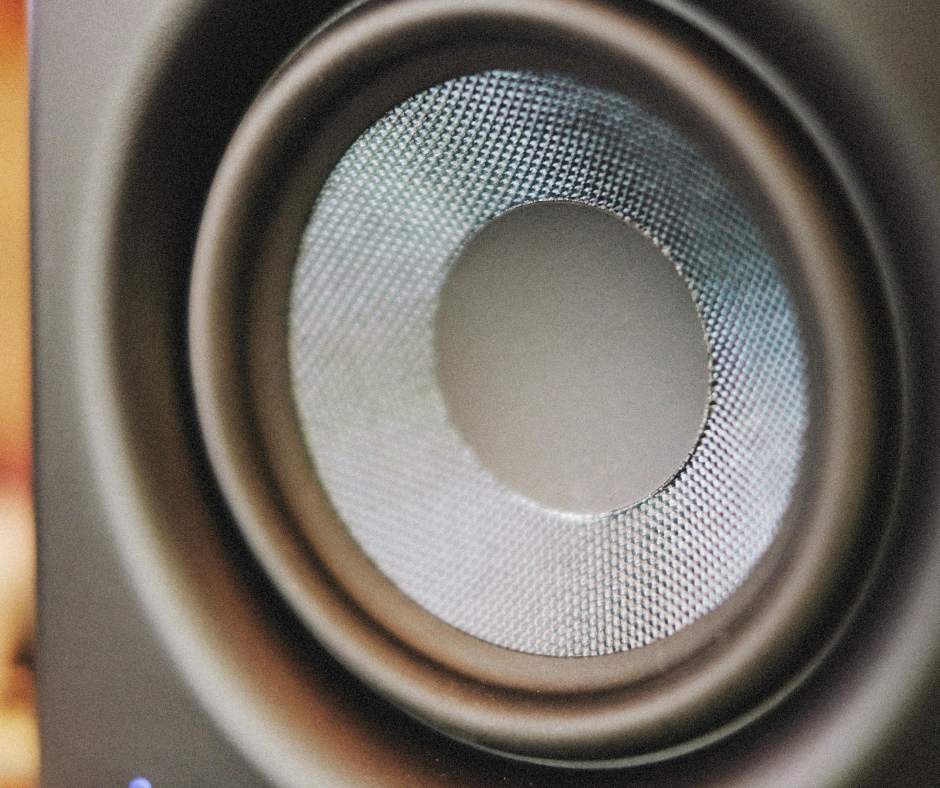
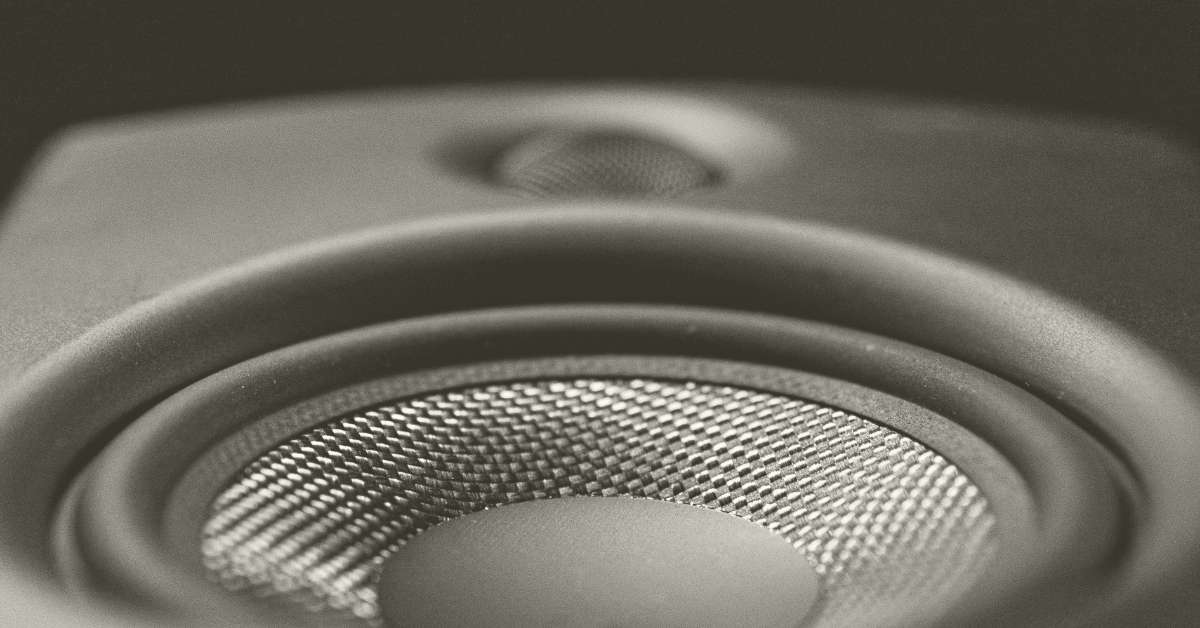
Bookshelf speakers are compact loudspeakers engineered to reproduce full-range audio from small, rigid enclosures optimised for accurate stereo imaging and controlled dispersion. These small-format loudspeakers—also known as standmount speakers, mini-monitors or compact monitors—use carefully tuned cabinets, precision drivers and well-voiced crossovers to deliver clarity, detail and spatial coherence in smaller listening environments.
What Defines a Bookshelf Speaker
A bookshelf speaker is typically a two-way or three-way loudspeaker built around a tweeter and a mid-bass driver, supported by a crossover network that divides the audio spectrum. Its compact enclosure allows placement on shelves, stands or consoles while retaining the acoustic qualities of a modern stereo loudspeaker. The design prioritises imaging precision, neutral tonal balance, phase stability and off-axis consistency, making these speakers ideal for small to medium rooms.
Driver Materials and Their Acoustic Behaviour
The materials used in a speaker’s drivers—sometimes referred to as diaphragms, cones or transducers—strongly influence tonal character, transient behaviour, damping and distortion patterns.
Tweeter Materials
- Soft dome tweeters (silk, textile): smooth, natural treble with low listener fatigue
- Metal dome tweeters (aluminium, titanium): extended high frequencies and crisp transient attack
- Ribbon and AMT tweeters: rapid air displacement, exceptional micro-detail and speed
Mid-Bass Driver Materials
- Paper / pulp composites: organic tone, desirable damping and smooth decay
- Aluminium / magnesium alloys: stiff cones, low distortion and tight transient response
- Woven fibreglass or Kevlar: balanced stiffness and control with predictable breakup modes
- Polypropylene: consistent behaviour, smooth frequency response and controlled resonance
Each material affects cone rigidity, internal damping, transient speed and harmonic behaviour—key attributes associated with authoritative loudspeaker engineering.
Cabinet Design and Resonance Control
The cabinet—often called the enclosure, housing or acoustic shell—plays a pivotal role in shaping a speaker’s tonal accuracy. By controlling internal reflections, airflow and structural vibration, the enclosure stabilises the driver’s acoustic output.
Key Cabinet Factors
- Internal bracing reduces panel flex and resonance
- Damping materials absorb standing waves for clearer midrange
- Port tuning (bass reflex) extends low-frequency output
- Sealed enclosures deliver tighter bass and faster decay
- Curved or reinforced panels improve rigidity and lower distortion
These elements directly influence bass behaviour, boundary interaction, cabinet resonance and the speaker’s ability to maintain clarity under dynamic load.
The Role of the Crossover Network
The crossover—also known as the frequency-dividing network—ensures each driver operates within its ideal range. High-quality crossovers use components that maintain stable phase alignment and minimise distortion.
- Air-core inductors for low magnetic distortion
- Polypropylene capacitors for accurate timing and transparency
- Precision resistors for consistent driver output
A well-engineered crossover enables seamless driver integration, smooth off-axis behaviour and a balanced frequency response without dips or peaks.
Where Bookshelf Speakers Excel
Bookshelf speakers thrive in environments where control, imaging and tonal accuracy matter more than sheer output. Their compact size allows optimal placement without overwhelming the room.
Ideal Listening Environments
- Small rooms where bass control and reflection management are important
- Near-field listening setups (desks, studios, mixing rooms)
- Bookshelf or console placement when paired with stands or isolation platforms
- Dedicated vinyl rooms where imaging, texture and tonal nuance are priorities
Listeners can expect focused imaging, tight and controlled bass, transparent midrange and articulate treble—traits associated with reference-grade monitoring systems.
Why Audiophiles Choose Bookshelf Speakers
Audiophiles and music enthusiasts choose bookshelf speakers for their blend of precision, versatility and high-value performance. They offer a level of refinement that often rivals larger loudspeakers when used in appropriately sized rooms.
- Accuracy prioritised over brute volume output
- Excellent soundstaging with coherent imaging
- Flexible placement without dominating the room
- Scalable performance when paired with a subwoofer
- Compatibility with vinyl, digital and streaming systems
Their controlled acoustic footprint makes them highly adaptable—from minimalist living spaces to high-end analogue and digital systems.
Looking to upgrade your system now? Explore our full Bookshelf Speakers range.
Bookshelf speakers sit between desktop speakers and floorstanding towers, offering refined performance without the footprint of larger cabinets. If you’re comparing formats, browse our full Loudspeakers range to see every speaker type in one place.