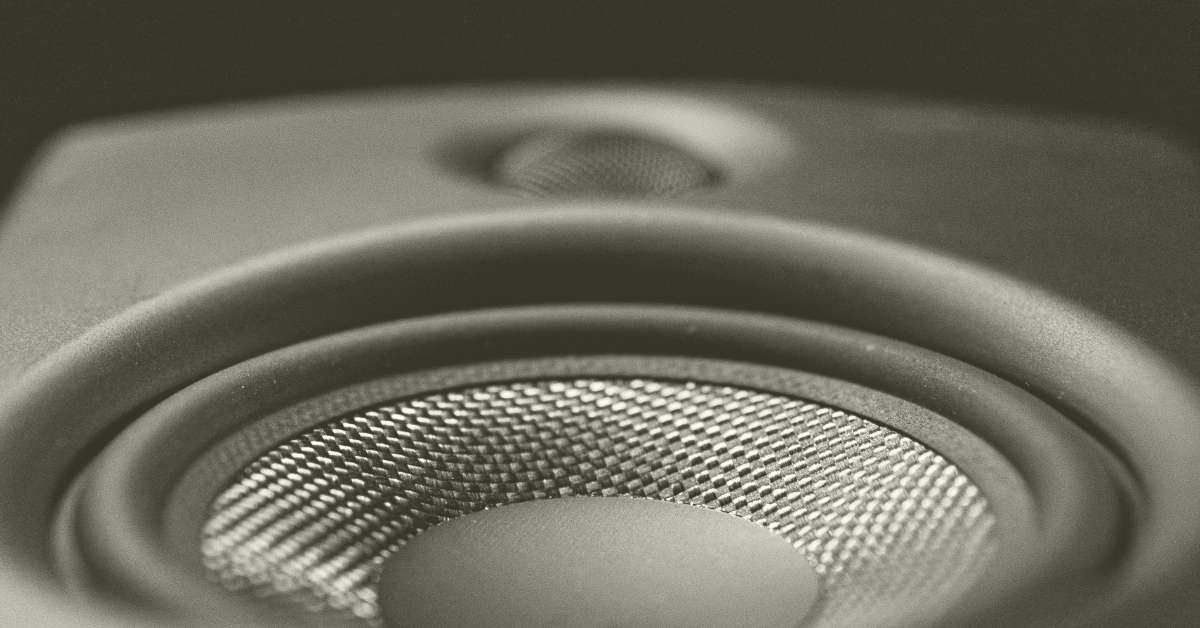
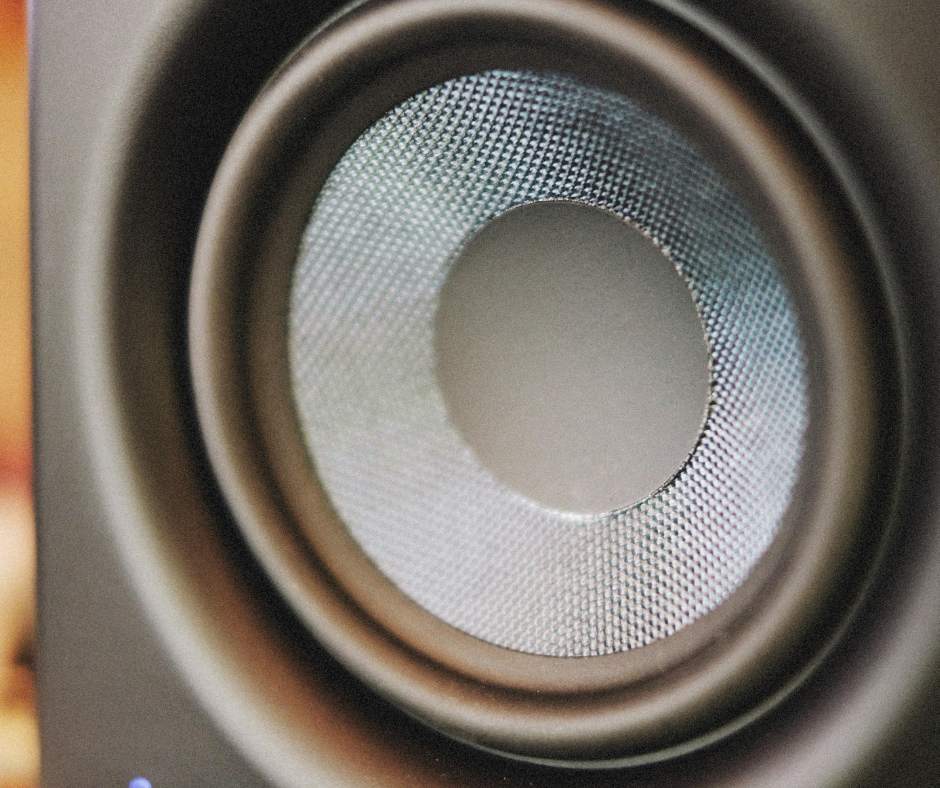
Driver configuration is the acoustic architecture that determines how a loudspeaker’s tweeter, mid-bass driver and crossover network divide, reproduce and integrate the audio spectrum. In bookshelf speakers—often referred to as standmount speakers, compact monitors or small-format loudspeakers—driver arrangement directly shapes tonal balance, imaging precision, transient behaviour and overall system coherence.
Two-Way and Three-Way Designs in Bookshelf Speakers
The two-way layout is the dominant configuration in modern bookshelf speakers. A dome tweeter handles high frequencies, while a mid-bass driver covers the combined midrange and bass bands. The proximity of these drivers enhances phase alignment and preserves off-axis consistency, resulting in sharply focused imaging and stable stereo localisation.
Three-way bookshelf speakers introduce a dedicated midrange driver positioned between the woofer and tweeter. By relieving each driver of part of the spectrum, three-way designs reduce distortion, improve vocal articulation and extend usable bandwidth. However, they require larger cabinets, more complex crossover networks and greater attention to time alignment. To find out the basics see the guide What are bookshelf speakers?.
How Tweeter Technologies Influence High-Frequency Behaviour
Tweeter choice is fundamental to perceived detail and spatial clarity. Soft dome tweeters—typically silk or textile—produce smooth, low-fatigue treble. Metal dome designs (aluminium, titanium, beryllium) deliver higher stiffness, faster transient response and extended upper-octave energy. Ribbon and AMT tweeters offer exceptionally rapid air movement, producing micro-detail, airy soundstaging and low distortion.
Mid-Bass Driver Materials and Their Acoustic Properties
Mid-bass drivers shape the speaker’s tonal foundation. Paper and pulp composites provide natural timbre and high internal damping, ideal for precise midrange reproduction. Aluminium and magnesium cones maintain rigidity at high excursion, lowering distortion at elevated levels. Kevlar, fibreglass and woven composites balance stiffness and damping for articulate, punchy bass. Polypropylene delivers smooth, predictable behaviour, often making it suitable for near-field listening.
Material choice affects cone breakup modes, transient speed, and resonance control—parameters that directly influence clarity, attack, warmth and bass definition.
Crossover Topology and Driver Integration
The crossover network governs how frequencies are divided across the driver array. High-quality crossovers use air-core inductors, polypropylene capacitors and precision resistors to maintain phase accuracy and stable impedance. A well-engineered crossover ensures seamless integration between drivers, preventing dips, peaks or discontinuities in the frequency response.
Poor integration leads to smeared transients, blurred vocals and inconsistent off-axis behaviour, undermining the benefits of even the best drivers.
Physical Driver Layout and Dispersion Behaviour
The physical alignment of drivers influences dispersion, timing and stereo stability. Vertical alignment minimises comb filtering and maintains a coherent radiation pattern. Smaller centre-to-centre spacing between tweeter and mid-bass units produces more cohesive imaging and smoother off-axis performance. This is why high-performance bookshelf speakers often position the tweeter immediately above the mid-bass driver, maximising acoustic coupling.
How Driver Configuration Shapes Real Listening Performance
In small and medium rooms—the natural environment for bookshelf speakers—driver configuration determines how the loudspeaker interacts with boundaries and listening distance. Two-way designs typically excel in near-field or short-to-mid listening distances, delivering tight phase alignment and strong centre image stability. Three-way standmounts provide more scale and refinement but often require greater listening distance for full integration.
Ultimately, driver configuration directly influences tonal neutrality, upper-mid clarity, bass articulation, soundstage depth and dynamic expression - core attributes that define a bookshelf speaker’s identity and performance envelope.
Looking to upgrade your system now? Explore our full Bookshelf Speakers range.