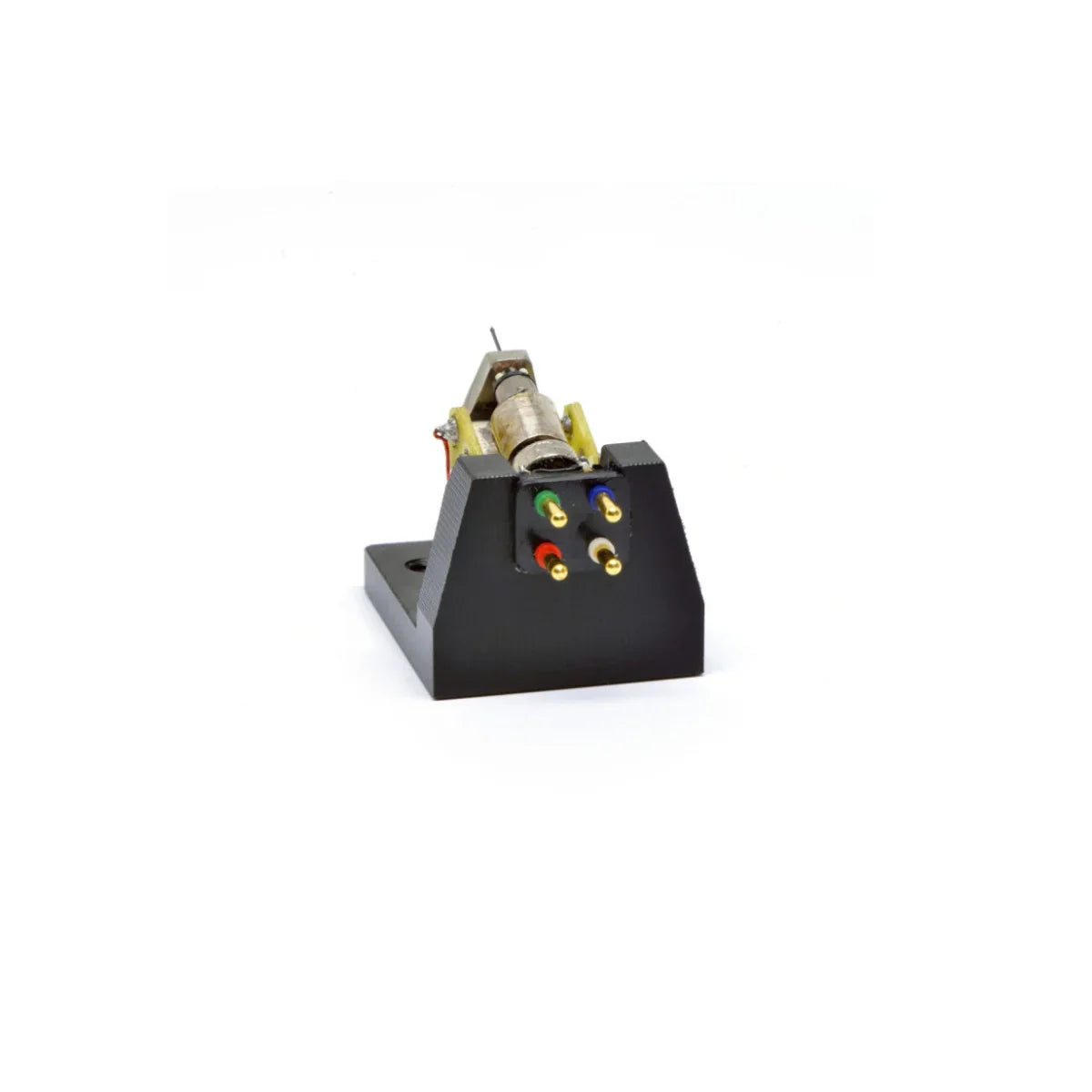
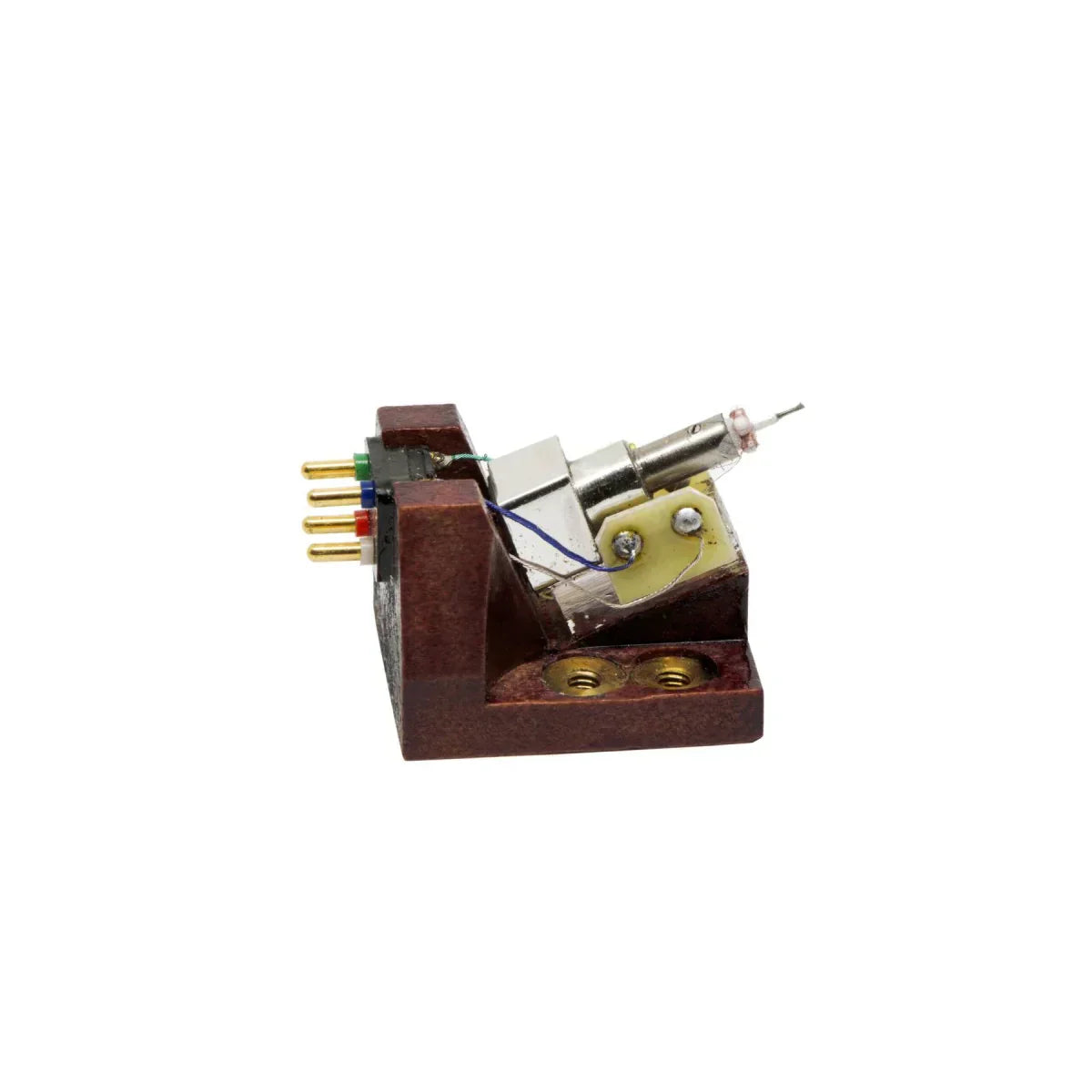
Stylus wear is the gradual degradation of the diamond tip fitted to a phono cartridge, and replacing it at the correct time is essential for maintaining sound quality and preventing permanent record damage. Because the stylus is the only part of the playback chain that makes physical contact with the groove, understanding what a phono cartridge is and how it translates groove movement into sound provides essential context before assessing wear indicators, as explained in our phono cartridge guide.
Why Stylus Wear Happens
As the stylus moves through the record groove, friction slowly reshapes the diamond. Even though diamond is extremely hard, groove walls exert continuous pressure—especially at advanced stylus shapes that make deeper contact.
Wear accelerates due to:
- dirty records and stylus contamination
- incorrect tracking force
- misalignment (overhang, azimuth, VTA)
- poor anti-skate calibration
- heavy or damaged pressings
Eventually, the stylus becomes too worn to track the groove accurately.
How Long a Stylus Typically Lasts
Different stylus profiles wear at different rates:
- Conical: 200–300 hours
- Bonded Elliptical: 300–500 hours
- Nude Elliptical: 400–700 hours
- Microline / Shibata / Line-Contact: 800–1,200 hours
These estimates assume clean records, a well-set-up tonearm and proper tracking force.
Signs Your Stylus Needs Replacement
1. Increased Surface Noise
Worn styli no longer sit correctly in the groove. This causes exaggerated clicks, pops and background noise—even on clean records.
2. Distortion, Especially on High Frequencies
Sibilance (“S” sounds), harsh treble and inner-groove distortion become more pronounced as the stylus loses its shape.
3. Mistracking on Busy Passages
If instruments blur together or vocals sound unstable during loud or complex sections, the stylus may be failing to maintain groove contact.
4. Loss of Detail and Clarity
A clean, unworn stylus retrieves micro-details. A worn stylus rounds off the groove edges, reducing resolution and soundstage definition.
5. Visible Damage Under Magnification
With a jeweller’s loupe or microscope you may see:
- chipped diamond tips
- flattened contact areas
- asymmetric wear
- bent cantilevers
Even slight wear is enough to compromise playback quality.
6. Skipping or Jumping
If alignment and tracking force are correct, skipping often indicates stylus deterioration.
7. Your Cartridge Reaches Its Rated Hours
Logging stylus hours—either manually or using a playback counter—is the most reliable way to know when replacement is due.
Why a Worn Stylus Damages Records
As the stylus wears, it no longer maintains the correct contact geometry with the groove. This leads to:
- sharp edges scraping groove walls
- uneven pressure distribution
- increased friction and heat
- permanent groove deformation
Because vinyl is softer than diamond, even slight stylus wear can cause irreversible record damage.
How to Extend Stylus Life
The lifespan of any stylus can be significantly improved with proper care.
1. Clean Records Regularly
- use a carbon fibre brush before every play
- clean dirty records with a record-cleaning machine
- use anti-static inner sleeves
2. Clean the Stylus
- use a gel pad or polymer cleaner
- use stylus fluid sparingly and carefully
- avoid brushing the stylus sideways
3. Set Tracking Force Correctly
Too little force causes mistracking; too much accelerates wear. A digital stylus gauge provides the most accuracy.
4. Keep Alignment Precise
Incorrect overhang, azimuth or VTA increases friction and shortens stylus life.
When to Replace Rather Than Retip
Many MM and MI cartridges allow stylus replacement without changing the cartridge body. MC cartridges often require a complete retip or rebuild from the manufacturer.
Replace the Stylus If:
- you hear distortion even after cleaning records and resetting alignment
- the stylus shows physical wear or damage
- your hours exceed the rated lifespan
- you want to upgrade stylus profile or performance
Retip the Cartridge If:
- it is a high-end MC cartridge
- the generator still performs well
- you want to preserve cartridge character
Explore our range of cartridges designed for accurate tracking, tonal balance and long-term record care.
Final Thoughts
The stylus is the most fragile and most critical point of contact in a vinyl playback system. Knowing when to replace it protects your records, restores clarity and ensures your cartridge performs at its full potential. By tracking hours, monitoring sonic changes and inspecting the stylus periodically, you can maintain a clean, accurate and long-lasting analogue listening experience.