MM vs MC Cartridges Explained
MM and MC cartridges are two phono cartridge designs that convert stylus movement into an electrical signal using different generator principles. The result is distinct sound characteristics, output levels and system-matching requirements. Understanding what a phono cartridge is and how each design works helps vinyl listeners choose the right cartridge from our cartridges collection for their tonearm, phono stage and sonic preferences.
Which Cartridge Type Should You Choose?
| If you... | Best choice |
|---|---|
| Want easy setup | MM |
| Want lower ownership costs | MM |
| Want replaceable styli | MM |
| Want maximum detail | MC |
| Already own an MC-capable phono stage | MC |
| Mostly play records casually | MM |
| Building a reference analogue system | MC |
MM vs MC at a Glance
| MM | MC | |
|---|---|---|
| Output | High | Low |
| Stylus | Replaceable | Usually fixed |
| Phono Stage | Standard MM | MC or step-up transformer |
| Cost | Lower | Higher |
| Detail | Excellent | Outstanding |
| Best for | Most listeners | Enthusiasts |
What Is a Moving Magnet (MM) Cartridge?
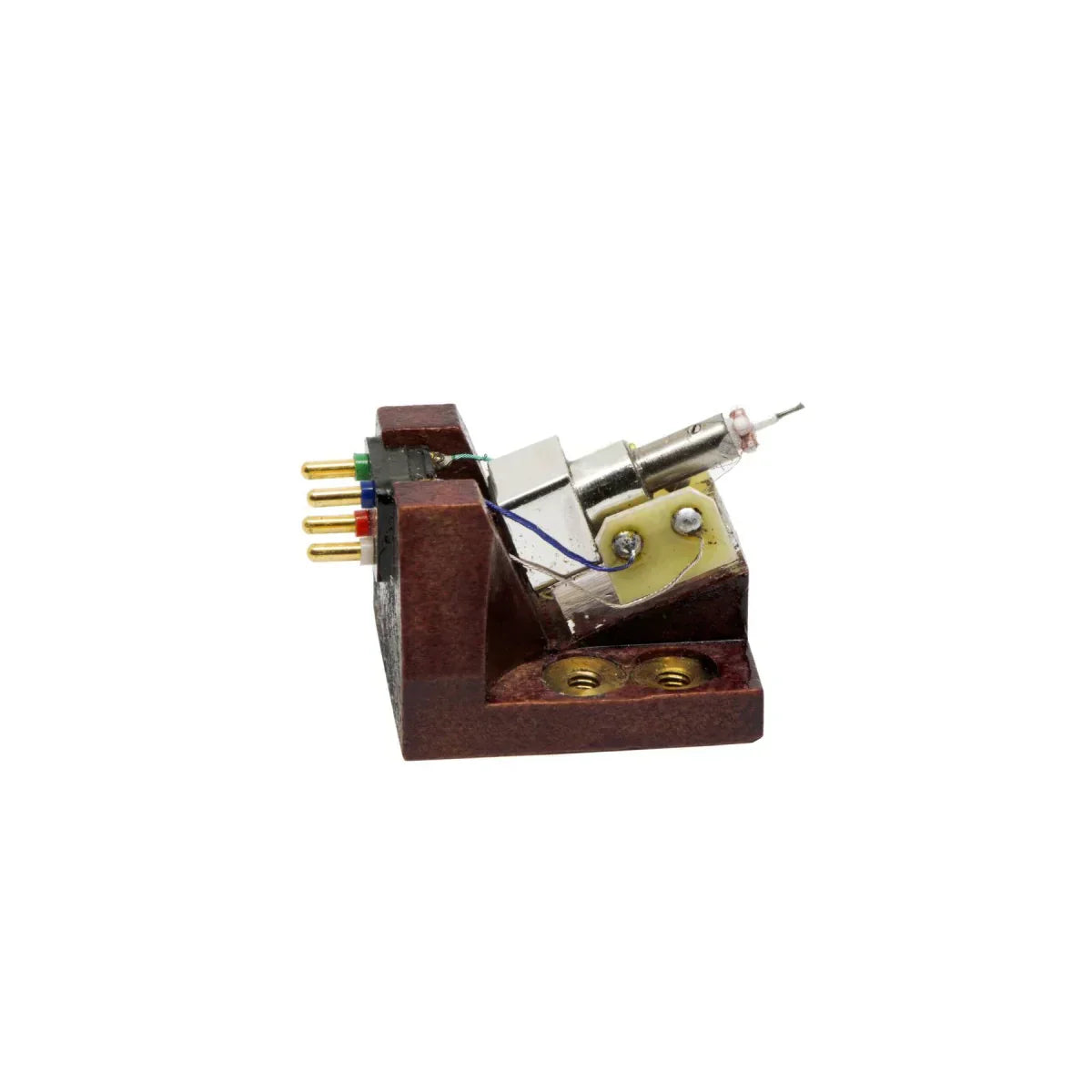
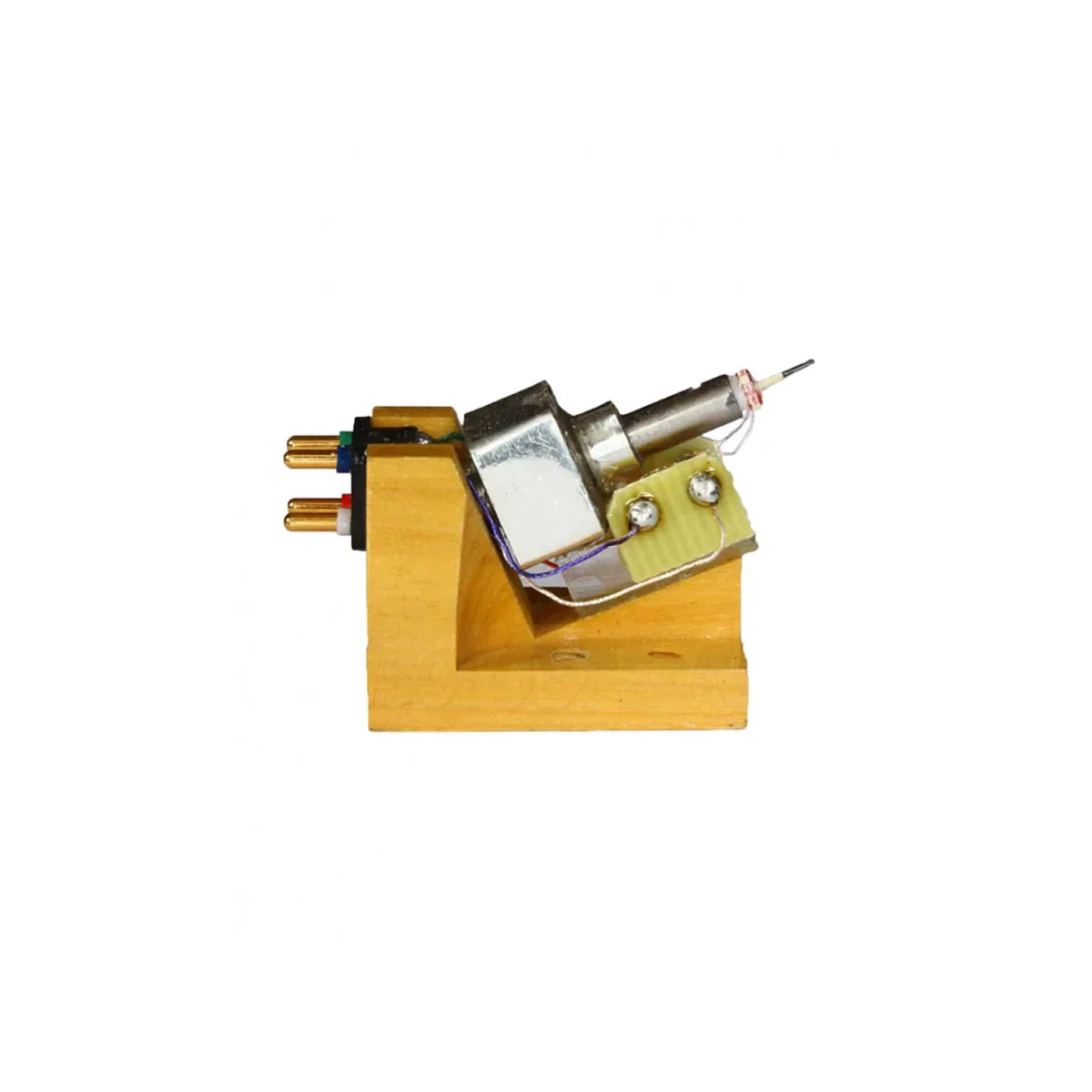
In an MM cartridge, the stylus and cantilever carry a tiny magnet. This magnet moves between fixed coils. As the stylus vibrates in the record groove, the magnet's movement induces voltage in the stationary coils.
Characteristics of MM Cartridges
- High output: typically 3–6 mV, ideal for standard phono inputs
- Replaceable stylus: economical and practical for long-term use
- Robust design: forgiving to set up and suitable for a wide range of tonearms
- Warm, full sound signature with solid bass and smooth mids
MM cartridges remain popular for their value, convenience and system flexibility.
What Is a Moving Coil (MC) Cartridge?
In an MC cartridge, the stylus moves tiny coils attached to the cantilever. The magnet stays fixed. These coils are extremely lightweight, which allows faster response and higher accuracy.
Characteristics of MC Cartridges
- Low output: typically 0.2–0.6 mV (requires an MC-capable phono stage or step-up transformer)
- Non-replaceable stylus: the entire cartridge is replaced or factory-retipped when worn
- Superior transient response: excellent detail retrieval and microdynamics
- Highly resolving sound with expansive soundstage and greater separation
MC cartridges are chosen for their precision and refinement in high-performance systems.
Do You Need an MM or MC Phono Stage?
This is one of the most common points of confusion. It's worth spelling out clearly.
Every phono cartridge needs a phono stage, sometimes called a phono preamp, to boost its tiny signal up to line level and apply RIAA equalisation. MM and MC cartridges need different types of phono stage input because their output levels and impedance requirements are so different:
- MM input: designed for higher-output cartridges (3–6 mV) with standard loading, usually 47 kΩ resistance and 100–200 pF capacitance.
- MC input: designed for low-output cartridges (0.2–0.6 mV). It provides much higher gain and low resistive loading, typically 80–300 Ω depending on the cartridge.
- Gain: MC cartridges need roughly 20–30 dB more gain than MM cartridges to reach the same output level. That's why a dedicated MC stage or step-up transformer is required.
- Loading: incorrect loading doesn't just reduce output. It can alter frequency response, making the sound thin, harsh, or overly bright.
If you plug an MC cartridge into an MM-only input, the signal will be far too quiet to use properly. If you plug an MM cartridge into an MC input, the signal will usually overload the input and distort. Many integrated amplifiers and standalone phono stages include a switch to select between the two.
What Does the MM/MC Switch Do?
If your amplifier or phono stage has an MM/MC switch, it changes the input's gain and loading to suit the cartridge type you've selected. Set it to MM for high-output cartridges and MC for low-output cartridges. Using the wrong setting is one of the most common causes of a phono system sounding too quiet, distorted, or tonally off.
How MM and MC Differ Sonically
Modern cartridges blur the line between categories, but typical sonic traits include:
MM Sound Signature
- Tends to present vocals with more body and slightly greater bass weight
- Smooth and relaxed midrange presentation
- Slightly less resolution of the finest low-level detail
MC Sound Signature
- Cleaner treble extension with less smearing on cymbals and strings
- Makes low-level details such as room ambience and instrument decay easier to distinguish
- Wider, more layered soundstage
- Faster transient response, particularly noticeable on percussive material
MC cartridges tend to excel in systems where transparency and finesse are priorities. MM designs offer musical warmth and practical convenience.
Does MC Always Sound Better?
No. This is one of the most persistent myths in vinyl playback.
A quality MM cartridge can outperform a mediocre MC cartridge, especially if the rest of the system isn't resolving enough to show the MC cartridge's advantages. System matching matters more than generator type alone. That means tonearm mass, phono stage quality, loading and set-up accuracy. Our guide on how cartridge compliance affects tonearm matching covers this in more depth. An MC cartridge dropped into a mismatched or poorly set-up system can easily sound worse than a well-matched MM cartridge.
Electrical Differences Between MM and MC Designs
Generator architecture affects both cartridge behaviour and system integration.
Inductance and Loading
- MM cartridges have higher inductance and require precise capacitive loading (often 100–200 pF)
- MC cartridges have low inductance and require resistive loading, often between 80–300 Ω depending on design
Output Level
MM's higher output makes it an easy match for integrated phono stages. MC's lower output demands quiet, high-gain amplification.
Noise and Sensitivity
MM cartridges generally require less overall gain. Low-output MC cartridges place greater demands on the noise performance of the phono stage. Actual noise performance depends heavily on generator design, coil resistance and the phono stage itself, rather than cartridge type alone.
Tracking and Stylus Options
Stylus profiles affect performance far more than cartridge type, but the two families have tendencies:
- MM cartridges often use elliptical or upgraded nude profiles
- MC cartridges commonly adopt advanced shapes such as microline, Shibata or line-contact
If you're deciding between profiles, our guide on stylus shapes, elliptical, microline and Shibata breaks down what each one does. Advanced stylus shapes extract more information while reducing record wear.
Maintenance and Longevity Differences
MM Maintenance
- Stylus is user-replaceable
- Cost-effective servicing
- Ideal for everyday and high-use systems
MC Maintenance
- Stylus typically non-user-replaceable
- Requires factory rebuild or retipping once the stylus wears
- Actual service life depends on stylus profile, tracking force, alignment, vinyl cleanliness and playing hours, rather than cartridge type alone
Not sure how worn your stylus is? Our guide on how to know when to replace your stylus walks through the warning signs.
Frequently Asked Questions
Can I plug an MC cartridge into an MM input?
Not effectively. An MC cartridge's output is far too low for an MM input's gain and loading. You'll get a very quiet, thin signal even at full volume. You'll need a dedicated MC input, a step-up transformer, or a standalone MC phono stage.
Can I use an MM cartridge on an MC input?
No. An MM cartridge's output is too high for an MC input's gain structure and will typically overload it, causing distortion. Use the MM input or setting instead.
Which Cartridge Type Is Best for You?
Choose an MM Cartridge If You Want:
- Easy matching with any phono input
- Affordable stylus replacements
- A warm, musical presentation
- Excellent everyday performance
Choose an MC Cartridge If You Want:
- The highest resolution and transparency
- Superior tracking and detail retrieval
- A revealing, high-end vinyl system
- A cartridge engineered for long-term precision
Explore our range of moving magnet and moving coil phono cartridges, including models suited to everything from entry-level turntables to reference analogue systems.
In Our Experience
In our experience, most listeners upgrading from an entry-level turntable notice a larger improvement from moving to a better stylus profile or improving cartridge alignment than from jumping straight from MM to MC. MC cartridges tend to reveal their strengths once the rest of the analogue chain, including tonearm, phono stage and set-up, is equally capable. If your system hasn't been optimised yet, that's often a better place to start than an MC upgrade.
Final Thoughts
MM and MC cartridges serve different needs but share the same purpose: converting the stylus's motion into music. MM offers accessibility, warmth and convenience. MC delivers precision, nuance and a more expansive soundstage. The right choice depends on your phono stage, tonearm and listening priorities. Both remain essential pillars of the analogue listening experience.
Related reading: What Is a Phono Cartridge? · Stylus Shapes Explained · How Cartridge Compliance Affects Tonearm Matching · How to Know When to Replace Your Stylus · Cartridges Category