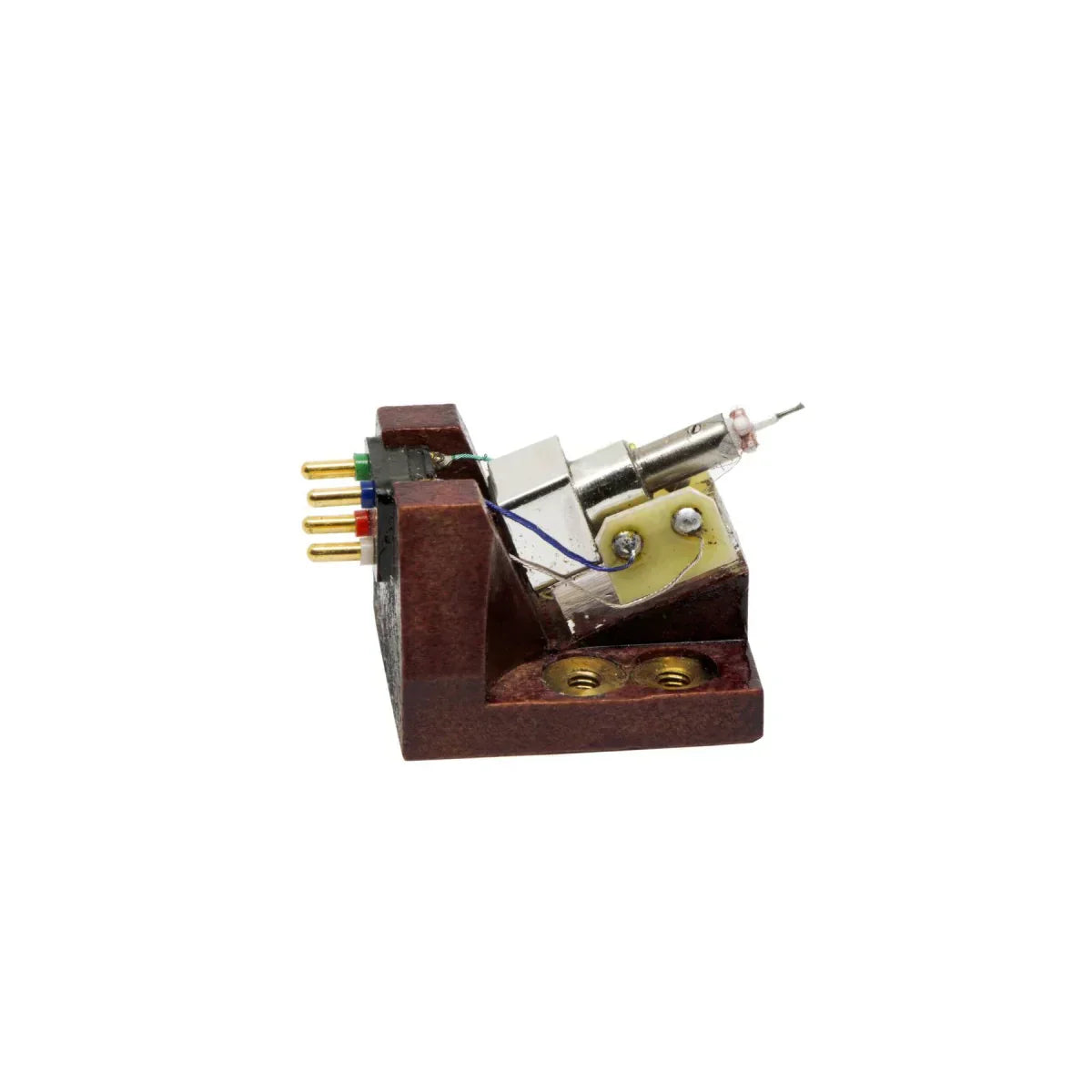
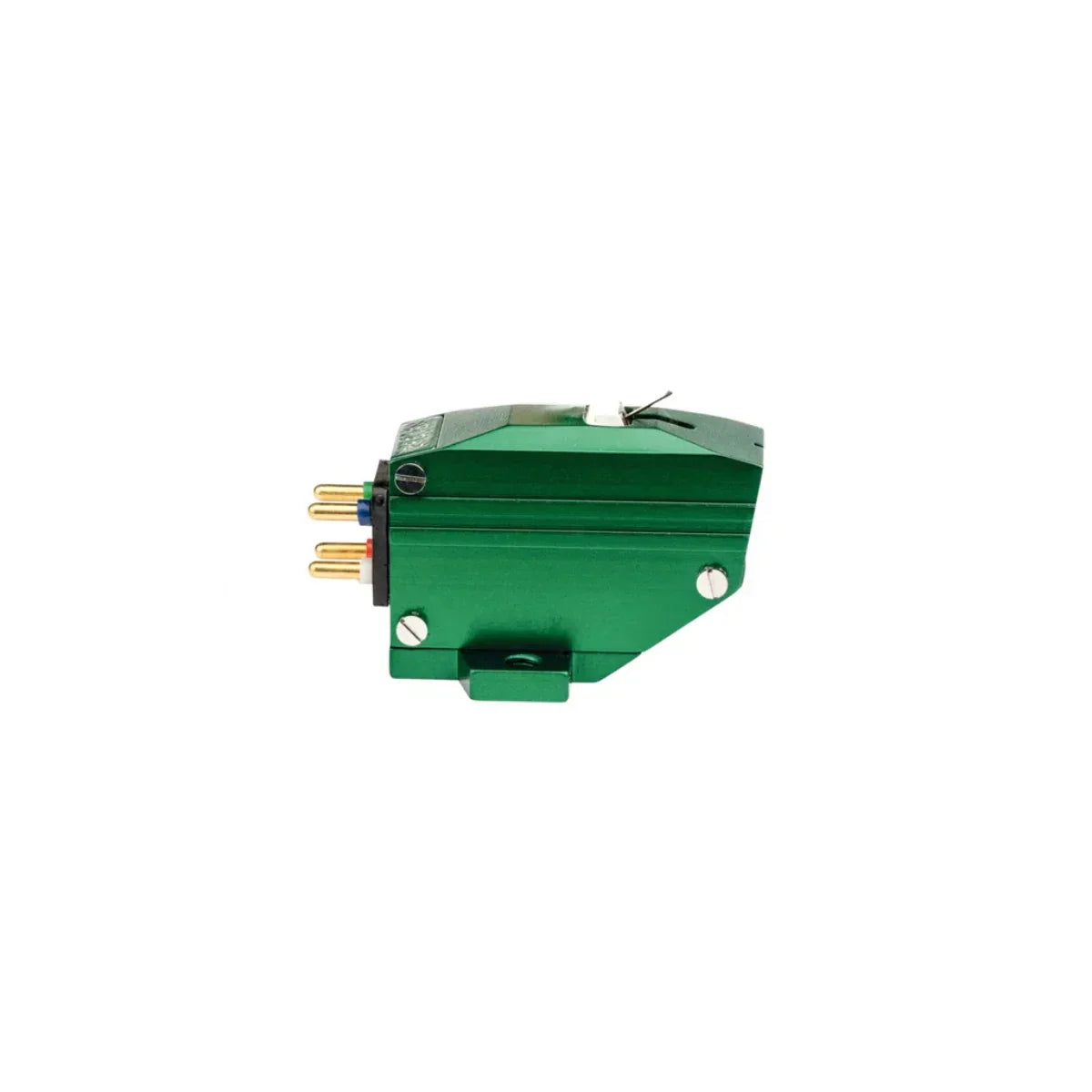
A stylus shape is the geometric profile of the diamond tip fitted to a phono cartridge, and it plays a direct role in how accurately musical detail is traced from the record groove. Understanding how elliptical, microline and Shibata profiles differ starts with knowing what a phono cartridge is and how it converts groove movement into sound. Our range of phono cartridges includes models fitted with conical, elliptical, fine line, microline and Shibata, each engineered to balance performance, groove contact, record wear and tonal character. This guide focuses on the three most common upgrade paths: elliptical, microline and Shibata.
Which Stylus Shape Should You Choose?
| If you... | Best choice |
|---|---|
| Want the best value | Elliptical |
| Want maximum detail | Microline |
| Prefer a richer, more musical presentation | Shibata |
| Mostly play older or well-worn records | Elliptical |
| Own a revealing, high-resolution hi-fi system | Shibata or Microline |
Stylus Shapes at a Glance
The diagram below shows roughly how the contact area changes shape as styli move from conical through to Shibata, from a small rounded point to an increasingly long, narrow edge.
Conical         Elliptical      Microline       Shibata

    ●               ◐               ▌              ▐▌

 rounded         two radii,      long, narrow    tall, narrow
 contact point   front-to-back   line contact    line contact,
                 vs side-to-side                 larger vertical
                                                  contact area
As the contact area gets longer and narrower, it more closely matches the shape of the cutting stylus used to master the record, which is the main reason detail retrieval and record wear improve moving left to right.
Why Stylus Shape Matters
Vinyl grooves contain microscopic modulations representing musical information. The stylus must fit into these modulations precisely and follow them without mistracking.
A stylus's shape determines:
- how deeply and accurately it sits in the groove
- how much musical detail it extracts
- how well it handles inner-groove distortion
- how much wear it causes to both stylus and vinyl
Advanced shapes, such as microline and Shibata, closely mimic the cutting stylus used to master records, which is why they tend to outperform simpler profiles on detail retrieval and record wear.
A Quick Note on Other Stylus Shapes
Elliptical, microline and Shibata sit within a broader family of stylus geometries. Conical styli (the roundest, simplest shape) are common on entry-level cartridges and prioritise durability over detail. Fine line styli are a close cousin of microline, using a similarly narrow contact edge. At the premium end, profiles such as Hyper Elliptical, SAS (Super Analog Stylus), and line-contact shapes developed by cutters like Fritz Gyger and Ogura push groove-tracing accuracy even further, typically at a higher price. This guide concentrates on the three shapes most people compare when upgrading (elliptical, microline and Shibata), but it's worth knowing where they sit in the wider picture.
Elliptical Stylus
The elliptical stylus is the most common upgrade from a basic conical profile. Its narrower contact surface allows it to trace high-frequency modulations more accurately than spherical designs.
How It Works
An elliptical diamond has two different radii: a larger front-to-back radius and a narrower side-to-side radius. This shape improves the stylus's ability to fit into finer groove modulations.
Sound Characteristics
- cleaner treble and midrange detail than conical designs
- lower distortion, particularly noticeable on denser mixes
- a balanced tonality that doesn't emphasise one part of the frequency range over another
Pros
- affordable upgrade with noticeable improvements over conical
- gentle on records
- compatible with most tonearms
Cons
- not as precise as microline or Shibata
- distortion increases more noticeably toward the inner grooves of a record
Line Contact Stylus Explained
"Line contact" is the umbrella term for stylus shapes, including microline and Shibata, that trace the groove wall with a long, narrow edge rather than a small point. Because that edge sits closer to the same shape as the cutting stylus used to master the record, line contact styli can follow tighter, higher-frequency groove modulations that rounder shapes miss. The trade-off is that the contact area is more sensitive to alignment: azimuth, vertical tracking angle (VTA) and anti-skate all need to be set more precisely to get the benefit. Microline and Shibata are the two line contact shapes covered in this guide.
Microline Stylus
A microline stylus is a line contact profile engineered to mimic the shape of the chisel-like cutting stylus used in mastering lathes. This allows it to track the groove with extreme accuracy.
How It Works
Its long, narrow contact surface sits deeper in the groove and distributes pressure over a larger area, which reduces record wear compared with elliptical and conical shapes.
Sound Characteristics
- tends to resolve fine treble detail, such as cymbal decay or string texture, that rounder styli can blur together
- maintains tracking accuracy at high groove velocities, including loud, densely cut passages
- meaningfully lower inner-groove distortion than elliptical
- presents instruments with clearer separation and placement across the stereo image
Pros
- highest tracking accuracy of the shapes covered here
- retrieves the most musical detail from well-mastered pressings
- longer stylus and record lifespan due to distributed groove contact
- well suited to high-end turntable systems built to resolve that extra detail
Cons
- requires precise setup (VTA, azimuth, anti-skate) to perform as intended
- typically costs more than elliptical
Shibata Stylus
The Shibata stylus is a line contact profile developed originally for quadraphonic LPs, which required extremely high-frequency tracking capability. Today, many listeners associate Shibata-equipped cartridges with a slightly fuller tonal balance than comparable microline designs, although the cartridge's generator, cantilever material and overall tuning also play major roles in the final sound, including whether it's a moving magnet or moving coil design.
How It Works
The Shibata design features a tall, narrow contact patch and a large vertical contact area, enabling deep groove contact and precise tracking.
Sound Characteristics
- extended treble that stays smooth rather than sounding etched or harsh
- strong dynamic contrast, with wide gaps between quiet and loud passages
- a fuller midrange that tends to favour vocals and acoustic instruments
- very low distortion at inner-groove areas, where many cheaper styli struggle
Shibata Stylus Pros and Cons
Pros
- resolves fine detail without sounding clinical or fatiguing
- tracks accurately across the full radius of the record, inner grooves included
- well matched to revealing systems and high-quality pressings where midrange presence matters
Cons
- requires careful setup, especially VTA
- sits in the premium price category alongside microline
Microline vs Shibata
Both are line contact shapes with excellent tracking and low record wear, so the choice usually comes down to tonal preference and setup tolerance rather than one being objectively "better."
| Microline | Shibata | |
|---|---|---|
| Tonal character | Slightly leaner, more analytical | Fuller midrange, more musical |
| Treble detail | Marginally higher resolution | Extended but smoother |
| Setup sensitivity | High | High |
| Typical price | Premium | Premium |
| Best for | Listeners who prioritise raw detail retrieval | Listeners who want detail with a warmer presentation |
If you're deciding between the two, it's worth auditioning both where possible. The difference is more about character than accuracy, and system matching (tonearm, phono stage, speakers) can shift which one you prefer.
How the Stylus Shape Affects Record Wear
Record wear occurs when too much force is concentrated on a tiny groove area. Advanced stylus shapes distribute pressure over a larger surface, reducing wear and improving longevity.
- Elliptical: moderate pressure, gentle on vinyl
- Microline: lowest wear due to broad contact surface
- Shibata: similarly low wear, with the added benefit of strong high-frequency tracking
Whichever shape you choose, the stylus itself is still a wear item. If you're unsure how much life yours has left, our guide on how to know when to replace your stylus covers the signs to look out for.
Stylus Shape vs System Matching
Tonearm, cartridge compliance and system resolution all influence which shape performs best in practice.
Best Uses
- Elliptical: everyday listening, mid-range systems
- Microline: detailed systems, demanding pressings, inner-groove sensitivity
- Shibata: high-end systems seeking musicality and refinement alongside detail
Higher-end stylus profiles reward precision setup and quality amplification. The gains they offer are easiest to hear on a system that's already well aligned.
In our experience, listeners upgrading from an entry-level turntable almost always notice the jump from conical to elliptical first. Moving from elliptical to microline or Shibata tends to deliver the biggest improvement on better-aligned systems with higher-quality phono stages and speakers, where the extra detail those shapes retrieve actually has somewhere to go.
A common misconception: a more advanced stylus won't automatically make every system sound better. If VTA, azimuth or anti-skate are off, a microline or Shibata stylus can sound worse than a well-set-up elliptical, because its narrower contact area is less forgiving of misalignment. Setup quality matters just as much as the stylus profile itself.
Comparing All Four at a Glance
| Profile | Detail | Record Wear | Setup Sensitivity | Price | Best For |
|---|---|---|---|---|---|
| Conical | ★★ | Moderate | Low | $ | Casual listening |
| Elliptical | ★★★ | Low | Low | $$ | Most systems |
| Microline | ★★★★★ | Very Low | High | $$$ | Maximum detail |
| Shibata | ★★★★★ | Very Low | High | $$$ | Audiophile listening |
Final Thoughts
Elliptical, microline and Shibata styli offer progressively higher levels of accuracy, clarity and tracking performance. Elliptical profiles deliver excellent value and clean sound; microline designs provide reference-level detail and inner-groove stability; Shibata profiles balance resolution with a fuller, more musical presentation. Choosing the right shape ensures your vinyl playback system reveals more of what's hidden in every groove while protecting your records for years to come.
Once you've decided which stylus profile best suits your listening preferences, browse our range of phono cartridges available with elliptical, microline and Shibata styli.