
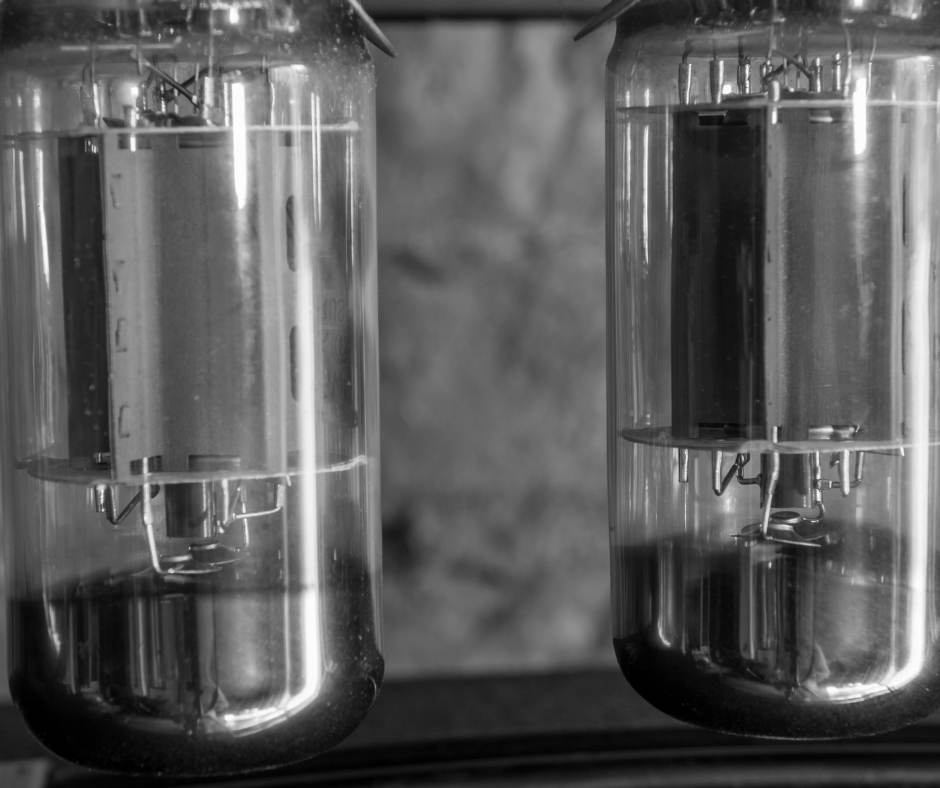
Tube rolling is the practice of replacing the vacuum tubes in a valve amplifier to change its tonal character, performance and overall sound signature. Because valves shape gain, dynamics, harmonic profile and noise behaviour, swapping them can significantly refine or personalise the amplifier’s presentation.
How Tube Rolling Works
Tube rolling involves removing the existing valves and installing new ones of the same type, typically chosen for their manufacturing quality, tonal traits or historical pedigree. Because this process directly alters how a valve amplifier handles gain, harmonics and dynamic behaviour, it builds on the core principles explained in our guide to what a valve amplifier is. Different tubes—even within the same model number—can vary in gain, noise floor, harmonic output and frequency response.
Why Tubes Affect Sound
- Manufacturing differences influence linearity and noise
- Plate structure and materials shape harmonic content
- Bias characteristics change dynamic behaviour
- Age and wear soften or dull the sound
These variations make tube rolling one of the most effective ways to tune a valve amplifier to personal taste.
Types of Tubes Commonly Rolled
Not all tubes in an amplifier influence sound equally. Some play a major role in shaping tone, while others affect power delivery or stability.
Preamp Tubes (e.g., 12AX7, ECC83, 12AU7)
Preamp tubes amplify low-level signals and have the greatest impact on detail, texture and tonal balance.
- Change in gain alters dynamics
- Noise variation influences clarity
- Different brands produce distinct midrange character
Power Tubes (e.g., EL34, KT88, 300B)
Power tubes supply current and voltage to the speakers, shaping warmth, headroom and bass authority.
- EL34: warm mids, expressive highs
- KT88: strong bass, higher output
- 300B: lush midrange, holographic imaging
Rectifier Tubes (e.g., GZ34, 5U4G)
Rectifiers influence power supply behaviour. Slow-start rectifiers soften attacks and increase bloom; fast rectifiers tighten transients.
Reasons to Roll Tubes
1. To Tailor Tonal Character
Tube rolling allows listeners to shape the amplifier’s sound to better match personal preferences or system synergy.
- More warmth or richness
- Greater detail and openness
- Smoother treble
- Tighter bass
2. To Improve Performance
- Lower noise floor for cleaner backgrounds
- Better channel balance
- Extended tube life with premium options
- Higher reliability from quality manufacturing
3. To Replace Ageing Tubes
Tubes degrade over time. Rolling them restores clarity, output and tonal balance.
- Dulling high frequencies
- Loss of dynamics
- Increased hiss, hum or microphonics
These symptoms indicate it’s time for new valves.
When to Roll Tubes
1. When Building a New System
Tube rolling is often done early to tune the amplifier to the speakers, room and personal taste.
2. When Upgrading Source Components
If you add a more resolving DAC, cartridge or turntable, new tubes can better reveal the improvements.
3. When Adjusting System Synergy
Some speakers benefit from warmer tubes; others from more neutral or brighter ones. Tube rolling lets you fine-tune balance without replacing hardware.
4. When Audible Wear Appears
Tubes should be replaced when noise increases, dynamics decrease or the amplifier loses clarity.
Safety and Best Practices
Tube rolling is simple, but care is essential to maintain amplifier health and ensure proper operation.
Key Guidelines
- Always power down and allow tubes to cool fully
- Use matching tube types unless the amplifier allows alternatives
- Check bias settings after changing power tubes
- Avoid touching tube glass with bare hands (oil affects heat transfer)
- Use reputable tube suppliers to avoid counterfeits
Proper care ensures long tube life and consistent sonic performance.
How Tube Rolling Changes System Synergy
Because tubes influence harmonic balance, dynamics and noise characteristics, rolling them can create better tonal synergy with speakers, room acoustics or source components.
Common Improvements
- Warmer tone for bright speakers
- More detail for mellow speakers
- Greater separation for dense mixes
- Softer treble for lively rooms
These refinements help create a more cohesive and emotionally engaging listening experience.
Looking to upgrade your system now? Explore our full Valve Amplifiers range.
Final Thoughts
Tube rolling is the art of replacing valves to refine a valve amplifier’s tonal balance, dynamics and noise performance. By choosing different preamp, power or rectifier tubes, listeners can tailor the sound to their personal preferences while maintaining the unique character of valve amplification. When done carefully, tube rolling enhances system synergy, improves clarity and extends the life of the amplifier—making it one of the most rewarding upgrades in high-end audio.


