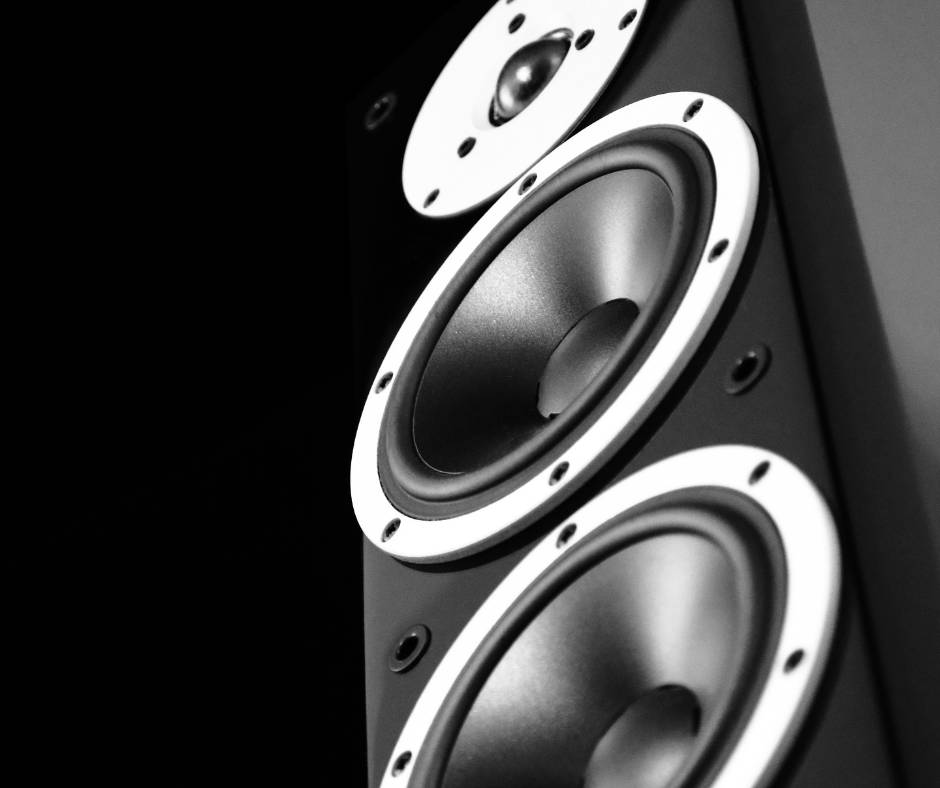
Floorstanding speakers are tall, freestanding loudspeakers designed to deliver full-range sound by housing multiple drivers within a large cabinet that supports deep bass, wide frequency response and high dynamic output. Also known as tower speakers, full-range loudspeakers, column speakers or three-way enclosures, these designs form the backbone of many high-fidelity and home-theatre systems due to their authority, scale and immersive presentation.
The Core Design Principles Behind Floorstanding Speakers
Unlike compact speakers that prioritise intimacy and precision, floorstanding speakers aim to reproduce music with greater breadth, power and bandwidth. Their cabinet volume, multi-driver arrays and sophisticated crossovers allow them to operate as true full-range devices without requiring a separate subwoofer.
Driver Arrays: The Engine of Full-Range Performance
Tower speakers typically include a multi-driver configuration that divides the audio spectrum into specialised bands. This improves clarity, reduces distortion and increases headroom.
Typical Floorstanding Driver Layout
- Woofers (often two or more) for bass extension and weight
- Midrange driver for vocal and instrumental clarity
- Tweeter for treble extension and air
- Passive radiators (sometimes) for additional low-frequency reinforcement
These drivers often use advanced diaphragm materials such as:
- Aluminium, magnesium or titanium alloys for rigidity and low distortion
- Carbon fibre, Kevlar, flax or basalt composites for tuned stiffness and damping
- Ceramic or diamond-coated tweeters for superior high-frequency behaviour
The Benefits of Multi-Driver Systems
- Lower distortion due to specialised frequency handling
- Greater dynamic headroom and effortless scale
- Wider frequency response, often down to 30 Hz or lower
- Improved driver control at high SPL
A great floorstanding speaker behaves like a precisely integrated orchestra of components, each performing its own role within the sonic picture.
Cabinet Volume and Acoustic Behaviour
One of the defining advantages of tower speakers is their large internal cabinet volume. This increases low-frequency efficiency, reduces air pressure on the drivers and allows designers to tune the enclosure for deeper, more authoritative bass.
How Cabinet Size Influences Performance
- Deeper bass extension without requiring a subwoofer
- Higher efficiency from less air compression behind the woofer
- Greater scale and spatial projection
- Improved dynamics at moderate and high volumes
The enclosure must also control resonance to prevent unwanted coloration. High-quality floorstanding speakers typically feature:
- Internal bracing to stiffen panels
- Thick MDF or HDF walls for rigidity
- Damping or absorption materials to reduce standing waves
- Tuned ports or passive radiators for bass loading
Ported vs Sealed Floorstanding Speakers
Most floorstanding speakers use a ported (bass-reflex) design to increase efficiency and bass output. However, some premium models use a sealed (acoustic suspension) enclosure for accuracy and speed.
Ported Towers
- Stronger low-frequency impact
- Higher output levels with less amplifier power
- More room-dependent behaviour
Sealed Towers
- Tighter, more controlled bass
- Smoother and more predictable in-room response
- Lower efficiency but cleaner transient performance
Crossover Design: The Brain of the Loudspeaker
The crossover in a floorstanding speaker is typically more complex than that of a bookshelf model because it must blend multiple drivers across more frequency bands.
What Makes a Great Tower Speaker Crossover?
- High-order filtering for precise driver control
- Air-core inductors to minimise distortion
- Polypropylene capacitors for stable high-frequency performance
- Carefully voiced slopes for smooth phase behaviour
A well-designed crossover is essential for maintaining the tonal integrity and coherence of a floorstanding speaker.
How Floorstanding Speakers Interact with Rooms
Because they generate more low-frequency energy, floorstanding speakers interact more strongly with room acoustics. Proper placement is crucial.
Best Rooms for Floorstanding Speakers
- Medium to large rooms where the speakers can breathe
- Open-plan living spaces that benefit from scale
- Listening distances of 2.5 metres or more
- Rooms where deep bass and high SPL are desired
Placement Considerations
- Avoid placing too close to rear walls (especially ported models)
- Use toe-in adjustments to refine imaging
- Ensure equal distance from both speakers to the listening position
- Experiment with bass response by adjusting distance from corners
Amplifier Matching and Power Requirements
Floorstanding speakers generally require more amplifier power than bookshelf speakers, although sensitivity and impedance vary widely. A great tower speaker rewards proper amplifier matching with exceptional dynamics, refinement and control.
What Tower Speakers Need from an Amplifier
- High current delivery for multiple bass drivers
- Strong damping factor to control woofer movement
- Stable output into 4-ohm loads
- Amp headroom for dynamic peaks
Premium integrated amplifiers, power amplifiers and stable Class A/AB designs often pair best with tower speakers.
Why Audiophiles Choose Floorstanding Speakers
Floorstanding speakers appeal to listeners who want:
- Deep, authoritative bass
- Expansive soundstage height and width
- High output for cinematic or live-level dynamics
- Full-range performance without relying on a subwoofer
They excel at delivering an immersive, room-filling experience that feels closer to live music than what many smaller speakers can achieve.
For big, room-filling sound, browse our curated Floorstanding Speakers collection.
Floorstanding speakers are one of several loudspeaker formats, sitting alongside compact bookshelf designs and specialist centre or surround speakers. Explore our full Loudspeakers collection to compare every speaker type in one place.
Final Thoughts
Floorstanding speakers embody the ambition of full-range audio reproduction: deep bass, expansive imaging, powerful dynamics and immersive scale. When thoughtfully designed, properly placed and matched with the right amplification, tower speakers deliver music with an effortlessness and authority that smaller speakers cannot replicate. For listeners seeking presence, realism and cinematic impact, floorstanding speakers remain the defining statement of high-fidelity playback.