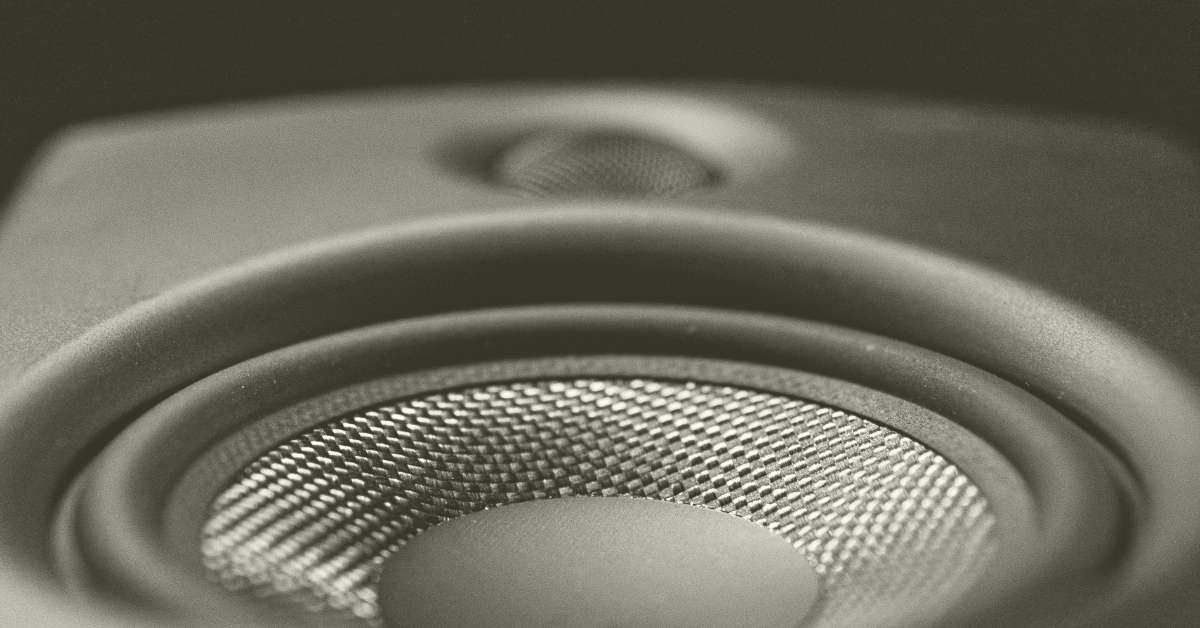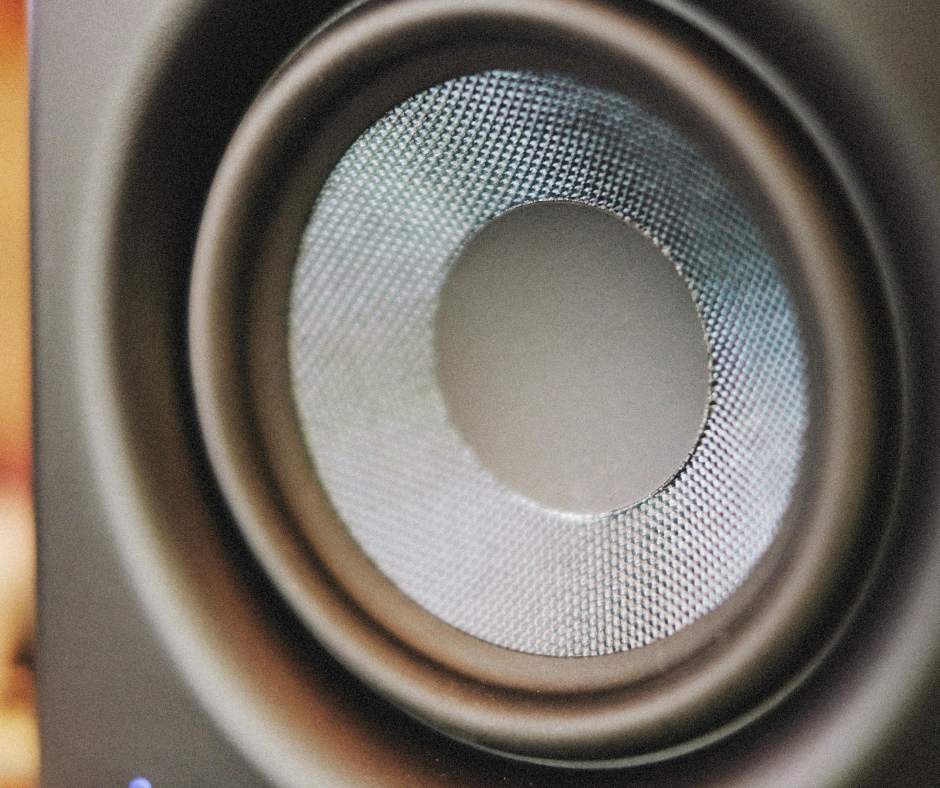
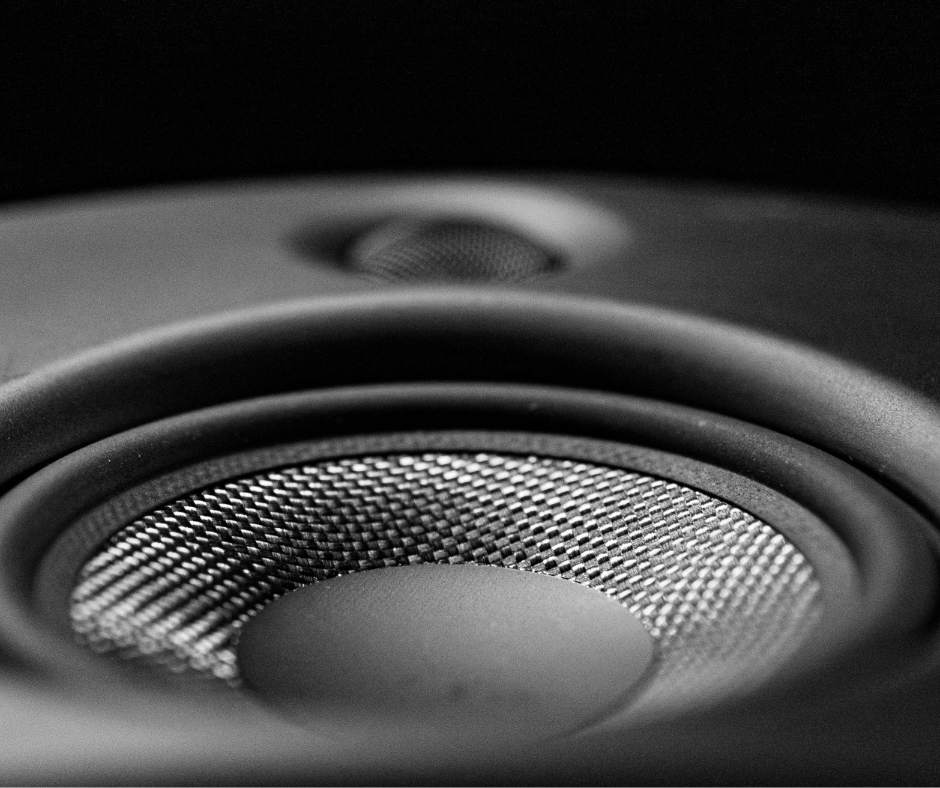
A bookshelf speaker is a compact loudspeaker engineered to deliver accurate, full-range stereo reproduction from a small enclosure designed for precise imaging, tonal balance and controlled dispersion. A great bookshelf speaker combines driver technology, cabinet engineering, crossover design and acoustic tuning into a coherent system capable of reproducing music with clarity, neutrality and dynamic integrity.
The Core Elements That Define Bookshelf Speaker Performance
Although bookshelf speakers—also called standmount speakers, compact monitors or small-format loudspeakers—vary in size, materials and tuning philosophy, the best designs share a consistent set of engineering principles. These principles determine how accurately a speaker reproduces sound across the audible spectrum and how well it integrates into different rooms and systems. For a deeper overview see What Are Bookshelf Speakers?
Driver Quality: The Foundation of Accurate Sound
The drivers—typically a tweeter and a mid-bass driver—are the heart of any bookshelf speaker. Their materials, geometry and behaviour influence everything from transient response to tonal balance and dynamic range.
Tweeter Technologies and Their Sonic Signatures
A high-quality tweeter must deliver clean, extended high frequencies without harshness or distortion. Common tweeter designs include:
- Soft dome tweeters (silk, textile) — smooth, natural treble with forgiving dispersion
- Metal dome tweeters (aluminium, titanium, beryllium) — crisp transients, superior extension
- AMT and ribbon tweeters — ultra-fast air movement, exceptional micro-detail
- Ceramic tweeters — stiffness and precision with low distortion
The tweeter's waveguide or faceplate geometry also shapes dispersion—improving imaging stability and off-axis coherence.
Mid-Bass Drivers: Balancing Weight and Detail
A great mid-bass driver must reproduce both the warmth of midrange vocals and the punch of lower frequencies. Materials influence stiffness, damping and breakup behaviour:
- Paper and pulp composites — organic tone, controlled resonance
- Aluminium or magnesium alloys — rigid, low-distortion performance
- Kevlar, carbon fibre or fibreglass — balanced stiffness and damping
- Polypropylene — smooth response with predictable behaviour
The best bookshelf speakers integrate both drivers seamlessly through an expertly engineered crossover network.
Crossover Design: The Hidden Engine of Cohesion
The crossover divides frequencies between the tweeter and mid-bass driver. A poorly implemented crossover can cause phase errors, tonal imbalance or audible gaps in the frequency spectrum.
What Makes a High-Quality Crossover?
- High-tolerance capacitors (polypropylene, film)
- Air-core inductors to minimise distortion
- Precision resistors for stable driver behaviour
- Phase-consistent slopes that maintain timing and coherence
Well-designed crossovers create a seamless handover between drivers, ensuring that the speaker sounds unified rather than disjointed.
Cabinet Engineering: More Than Just a Box
The cabinet—also referred to as the enclosure, housing or acoustic chamber—is a critical element of fidelity. A great bookshelf speaker achieves structural rigidity and resonance control without increasing cabinet colouration.
Key Cabinet Attributes
- Internal bracing to reduce panel vibration
- Damping materials to absorb internal reflections
- Thick cabinet walls to minimise flex and distortion
- Front or rear port tuning for controlled bass reinforcement
- Non-parallel walls to reduce standing waves
Ported vs Sealed Bookshelf Speakers
- Ported cabinets provide more bass extension and efficiency
- Sealed cabinets offer tighter bass and better transient accuracy
The best choice depends on your room, listening distance and overall system.
Bass Response and Low-Frequency Control
Although bookshelf speakers cannot match floorstanding speakers for sheer low-end weight, a great design optimises bass through tuning, cabinet volume and driver behaviour.
Qualities of Excellent Bookshelf Bass Performance
- Controlled roll-off that avoids boominess
- Fast attack and clean decay for accurate transient reproduction
- Minimal port noise in bass-reflex designs
- Balanced upper-bass and midrange integration
A well-tuned bookshelf speaker will sound full and articulate even without a subwoofer in smaller rooms.
Soundstage and Imaging Performance
Imaging and soundstage reproduction are areas where bookshelf speakers often outperform larger speakers due to their compact driver spacing.
What Creates Strong Imaging?
- Accurate phase response
- Optimised baffle shape to reduce diffraction
- Symmetrical waveguides for stable dispersion
- Close driver alignment ensuring coherent sound radiation
A great bookshelf speaker can project a wide and deep soundstage that feels detached from the physical cabinet—a hallmark of refined loudspeaker engineering.
Room Compatibility and Placement Flexibility
Bookshelf speakers excel where floorstanding speakers often struggle: smaller rooms. Their reduced low-frequency energy makes them easier to position and more forgiving of boundary effects.
Ideal Placement Conditions
- Listening distances between 1–2.5 metres
- Stands at tweeter-ear height
- Away from rear walls in ported designs
- Toe-in adjustments for imaging optimisation
Materials and Build Quality
Premium bookshelf speakers often use:
- MDF or HDF cabinets for rigidity
- Real wood veneers or lacquer finishes
- Cast or machined driver frames
- High-quality binding posts for secure connections
Build quality not only improves durability but also helps maintain acoustic stability over time.
Looking to upgrade your system now? Explore our full Bookshelf Speakers range.
Final Thoughts
A great bookshelf speaker is more than a compact alternative to a floorstanding design—it is a precise, finely tuned instrument. By combining sophisticated drivers, a well-designed crossover, a rigid and resonance-controlled cabinet and carefully voiced tuning, a bookshelf speaker can deliver extraordinary clarity, imaging and musical engagement. Whether used in small listening rooms, dedicated vinyl systems or nearfield setups, a truly great bookshelf speaker offers performance that belies its modest footprint.