Choosing Bookshelf Speakers for Your System
Start with what they're connecting to, not the speaker itself:
- Already have an amplifier? Look at passive bookshelf speakers.
- Don't want a separate amplifier? Look at powered speakers with amplification built in.
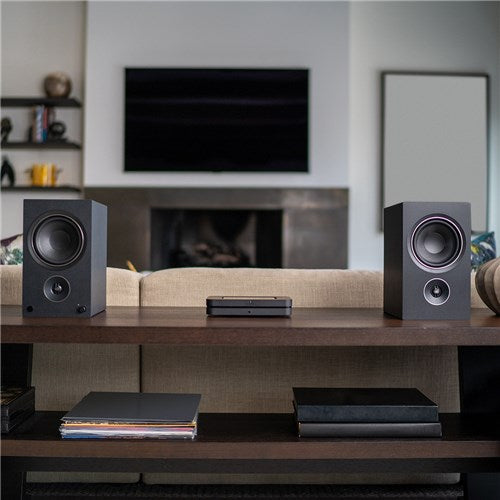
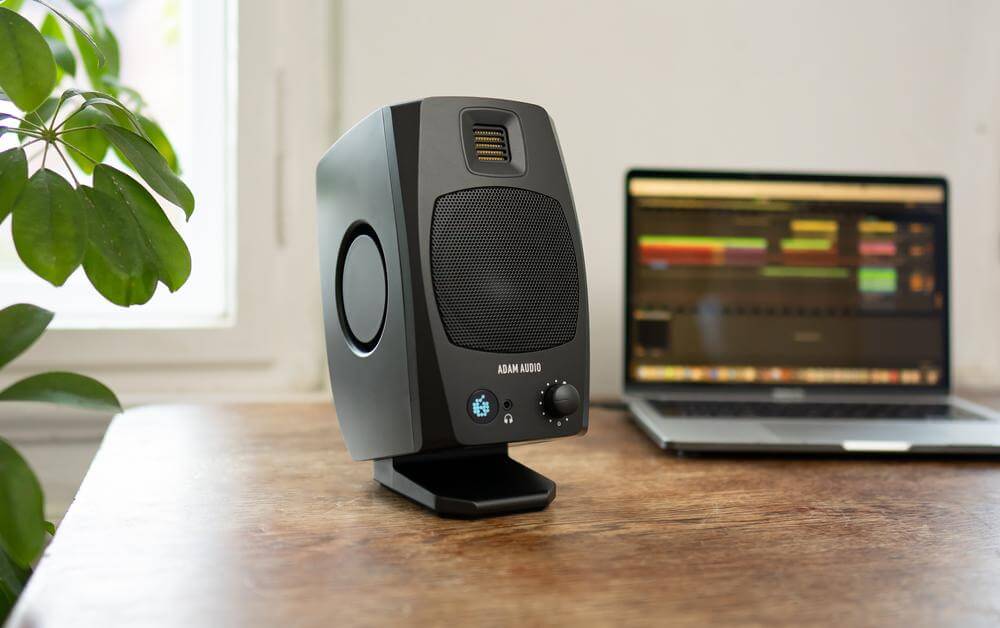
- Setting up on a desk? A compact powered pair is usually the simplest option.
- Setting up in a room? Passive speakers on stands generally give better imaging than a desk placement.
Placement changes the outcome more than most people expect walking in. Two speakers that measure identically can sound completely different depending on how far apart they are, how far from the back wall, and how far you're sitting from them, so it's worth thinking about the room before the model.
What We Ask Before Recommending Speakers
- What amplifier are you using, or do you need one built in?
- What's the room like: small, medium, or a desk setup?
- How far will you be sitting from the speakers?
- What are you listening to most, and how?
- Do you already have stands, or does that need factoring in?
Those five answers narrow the range faster than comparing driver specifications does.
Choosing Speakers by Room Size
Small rooms and desks
Space is the constraint here, not power. Compact passive models or a powered pair sit closer to the listening position, so cabinet size and desk clearance usually matter more than raw output.
Medium rooms
This is where most of the range in this category sits comfortably. A passive pair on stands, paired with an amplifier suited to the room, is the standard setup, and it's also where the step from an entry passive speaker to a monitor-grade one starts to be worth the difference.
Larger listening spaces
Bookshelf speakers can still work in a bigger room, but they'll be doing more work to fill it. If you're finding yourself drawn toward the larger monitor models here purely to get more volume and bass extension, that's usually the point where floorstanding speakers become the more sensible option (see below).
Passive vs Powered Bookshelf Speakers
- Passive speakers require an external amplifier and are the standard choice in a traditional hi-fi system where amplification and signal control are handled by a separate component.
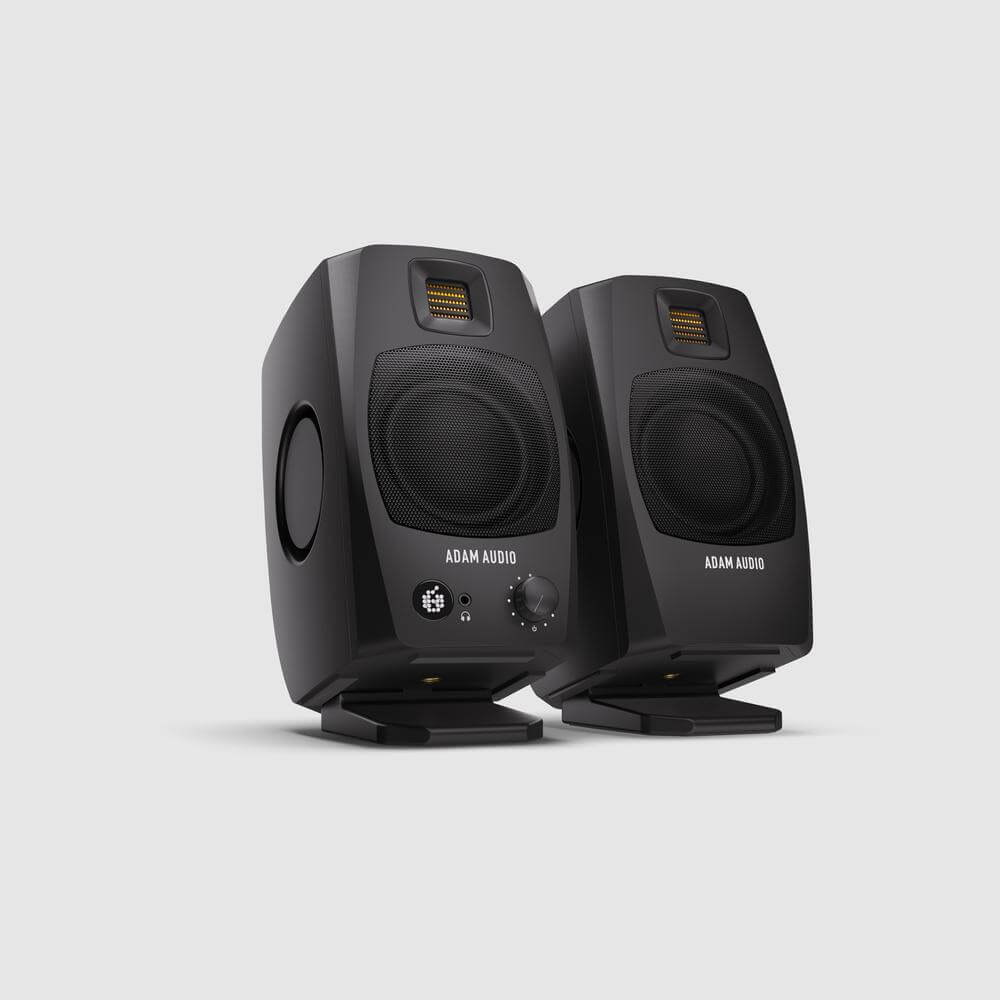
- Powered speakers have amplification built in and accept line-level or digital inputs directly, suited to simplified setups or desktop systems where you don't want a separate amplifier.
The bigger consideration isn't the wiring, it's what else the decision commits you to. Go passive and you're also choosing an amplifier. Go powered and that choice has already been made for you.
Bookshelf Speakers for Turntables
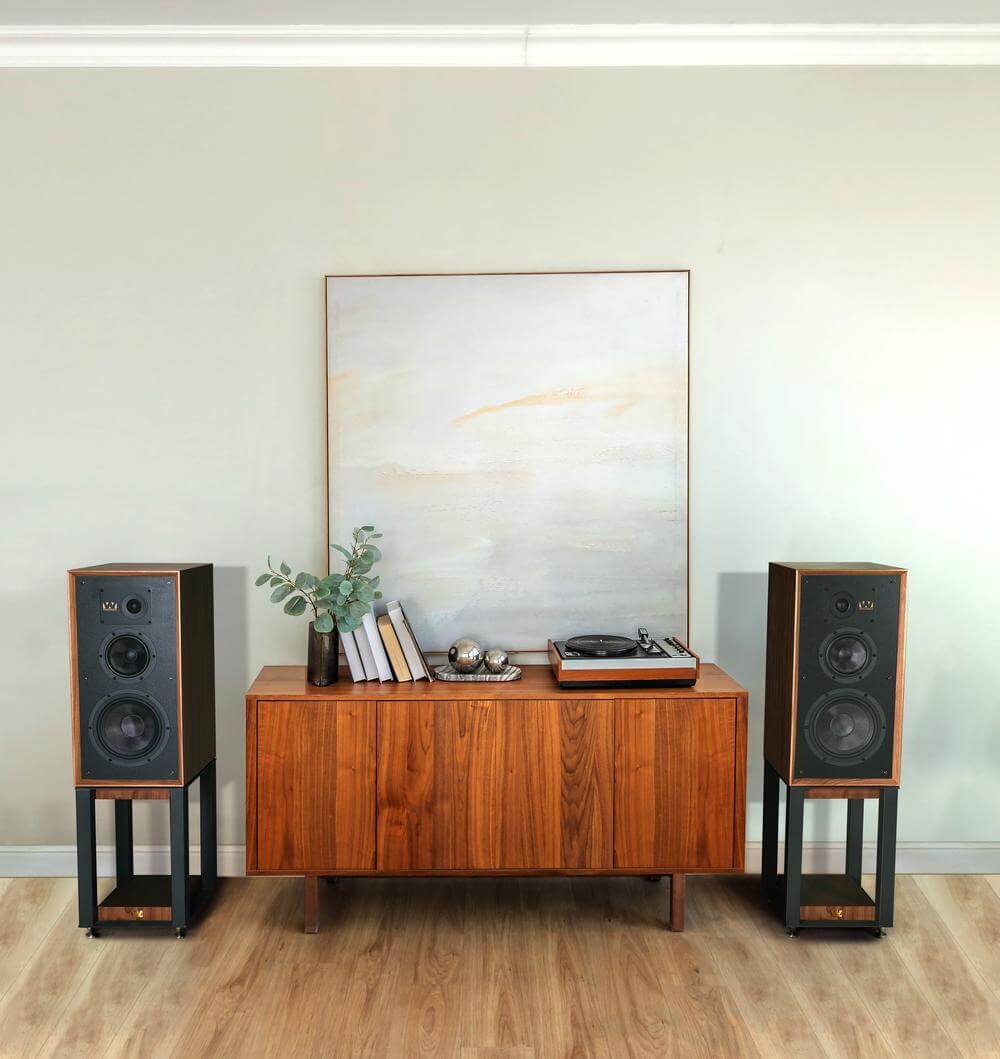
If your source is a turntable, the usual chain is turntable → phono stage or phono-equipped amplifier → passive bookshelf speakers. A passive pair keeps the amplifier decision open, so you can match its character and power to your room instead of being locked into whatever amplification a powered speaker happens to include.
Bookshelf Speakers for Desktop Audio
On a desk, simplicity usually wins over ultimate performance. A powered pair removes the need for a separate amplifier where space is already at a premium. Watch cabinet size against desk size too: a speaker that looks fine in a photo can dominate a desk in person, while the same model would sit comfortably on stands a few feet further back in a room.
Do You Need Speaker Stands?
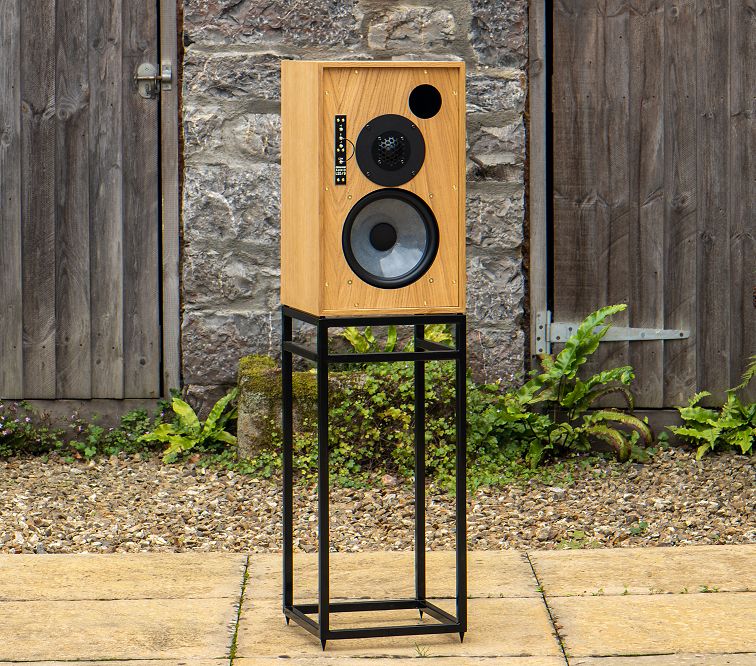
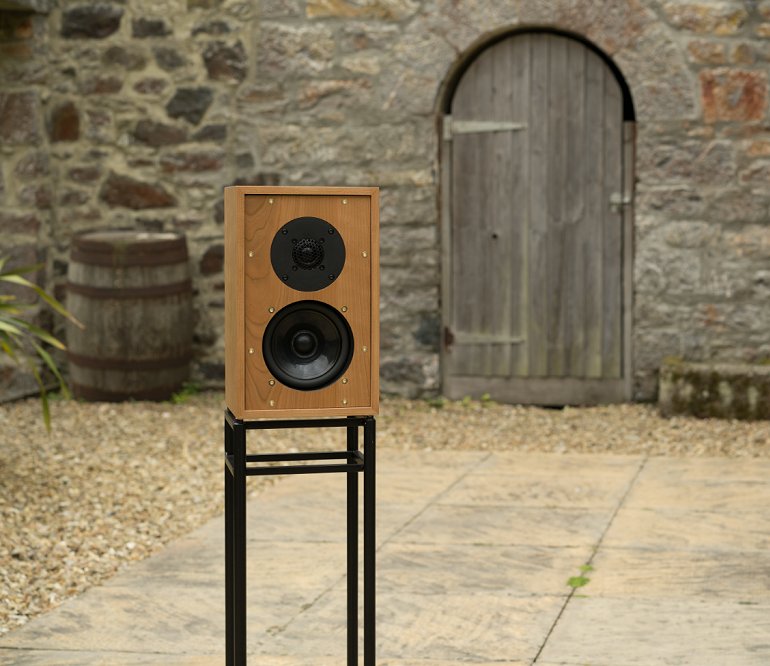
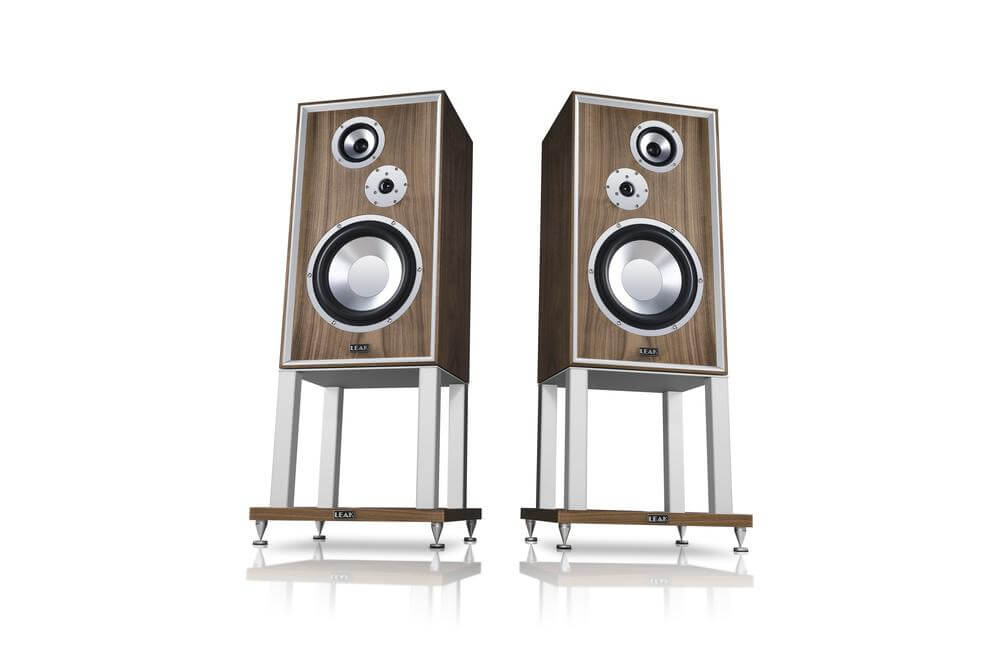
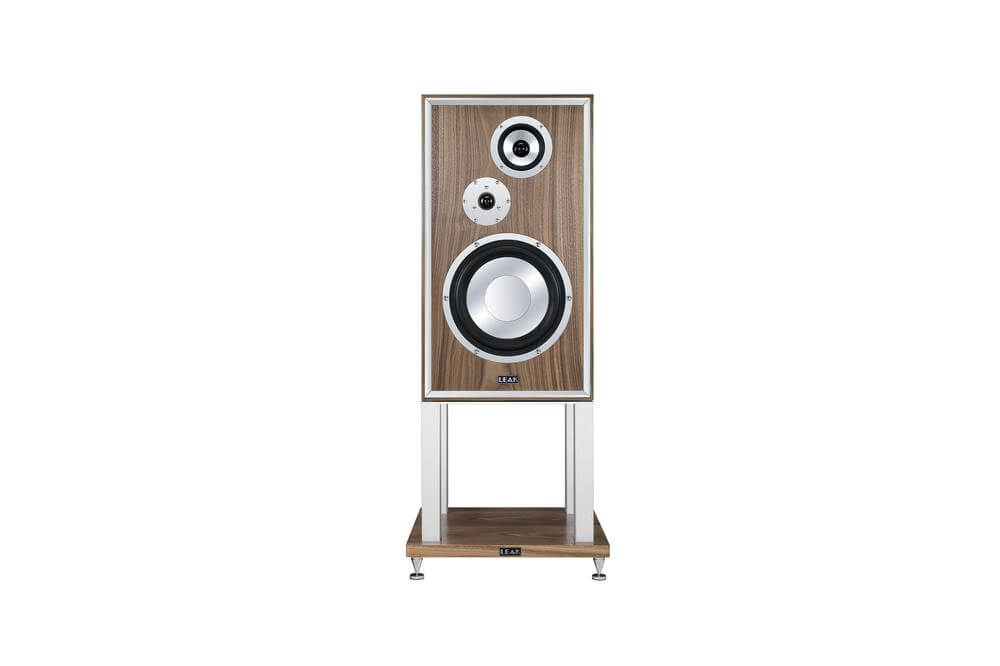
Several monitor-style models in this range are sold without stands, because stand height is genuinely specific to your seating position, not a fixed number that suits everyone. As a rule of thumb: desktop setups rarely need them, but a passive monitor speaker in a room will almost always image better on dedicated stands than on a shelf or sideboard, partly for stability and partly to bring the tweeter closer to ear height.
When Should You Choose Floorstanding Speakers Instead?
Bookshelf speakers suit small to medium rooms, desktop setups and nearfield listening well. Once you're in a larger room and chasing deeper bass without adding a subwoofer, floorstanding speakers are generally the better starting point. See our Floorstanding Speakers category if that sounds closer to your setup.
Where We'd Start
Every system is different, but these are the ranges we most often recommend as a starting point.
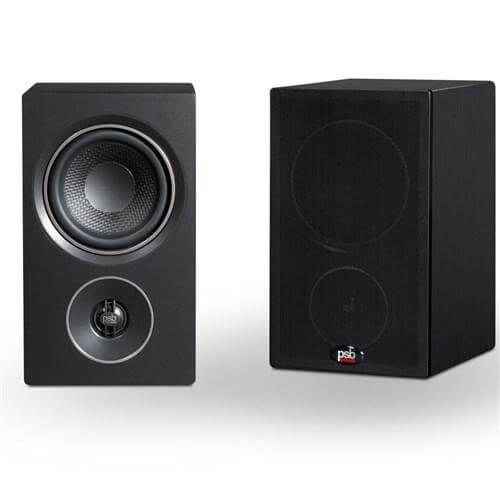
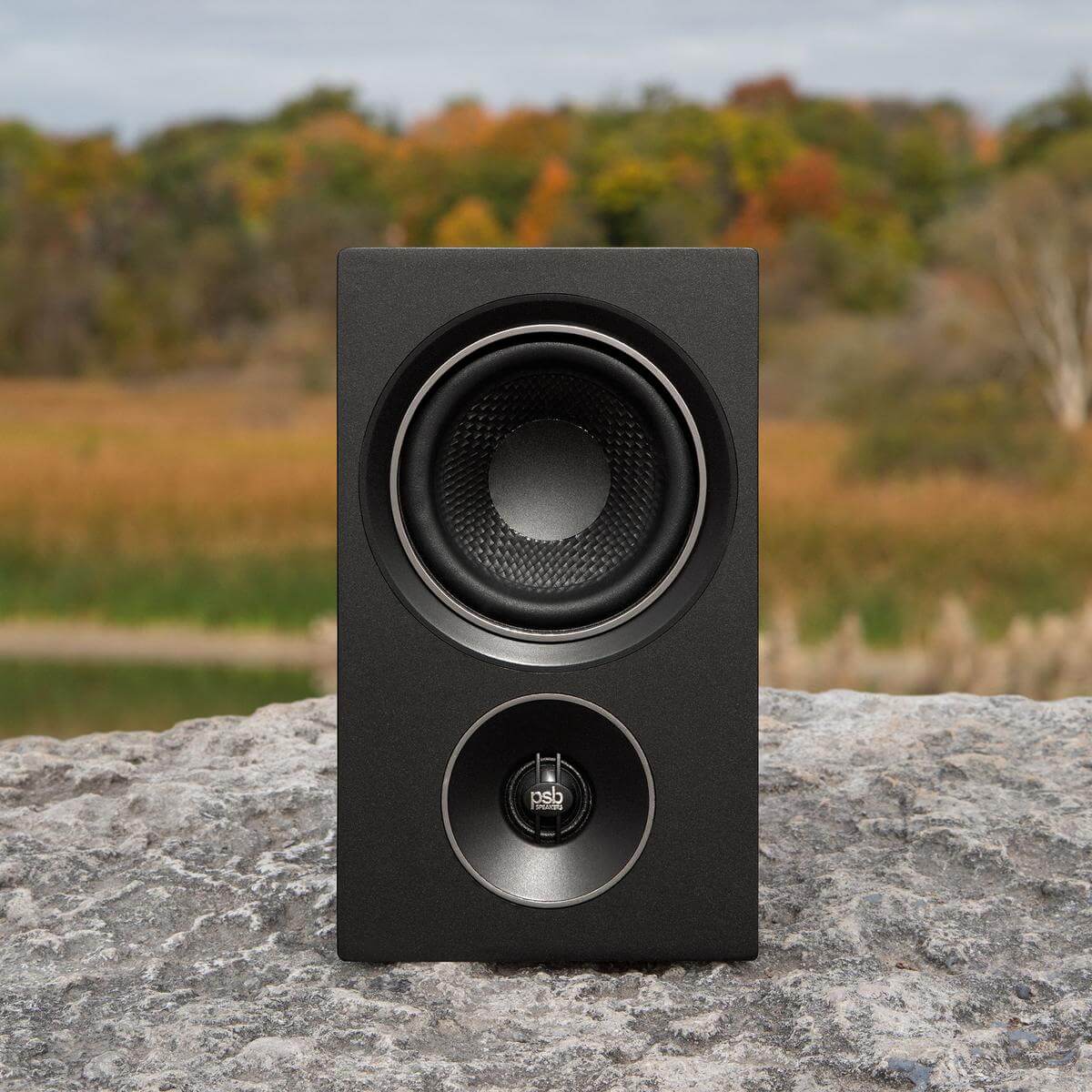
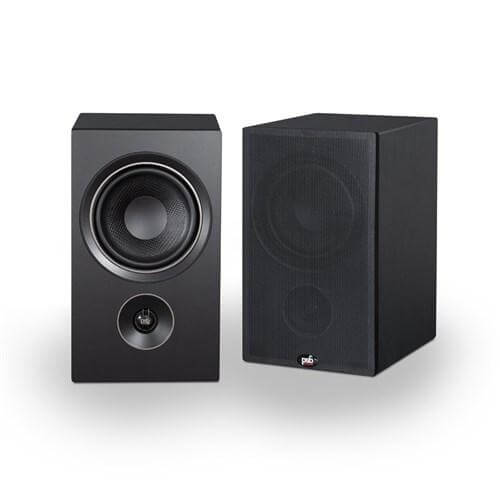
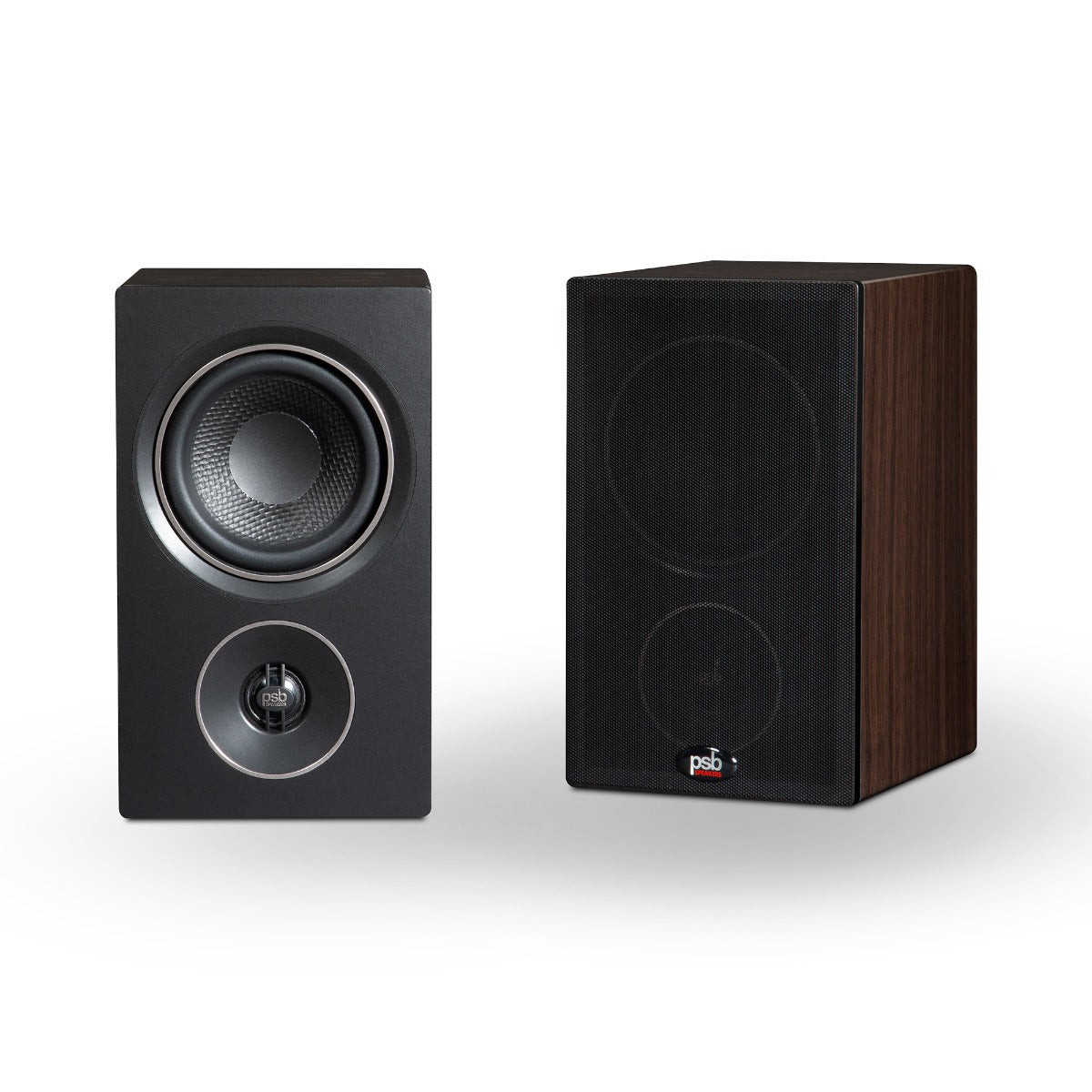
If you're building your first stereo system, start with the PSB Alpha range, an accessible entry into passive or powered bookshelf speakers without a large outlay.
If you're upgrading an existing system and want a genuine step up in resolution, the Graham Audio Chartwell range is usually where that conversation goes, particularly if a classic monitor sound appeals.
If you're building toward a reference-level room where the rest of the system can already resolve the difference, the Graham Audio LS5 series is the direction that makes sense.
Why We'd Recommend Each Speaker
(Grouped by type so it's easier to compare similar speakers. Pricing appears on the product cards.)
Entry Passive
PSB Alpha P3 Compact Bookshelf Speakers (Pair) A sensible first passive pair if you already have an amplifier and want to keep the rest of the system simple. Fits well in a smaller room without asking much of the space around it.
PSB Alpha P5 Compact Bookshelf Speakers (Pair) The same compact passive format as the P3, built for a bit more headroom. Worth the step up if you're finding the P3 runs out of steam at higher volumes, not a different kind of speaker so much as more of the same one.
Powered
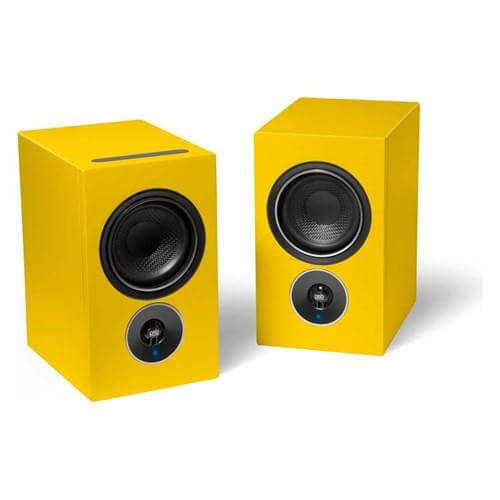
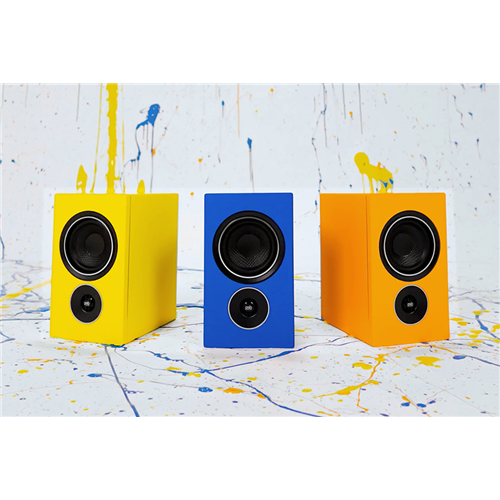
PSB Alpha iQ Streaming Powered Speakers with BluOS (Pair) Amplification and streaming in one box, aimed at someone who'd rather not assemble separate source, amplifier and speaker components. A traditional separates system will suit you better if that sounds like more than you need.
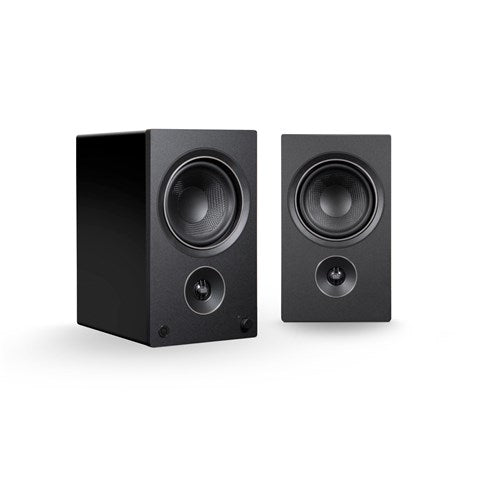
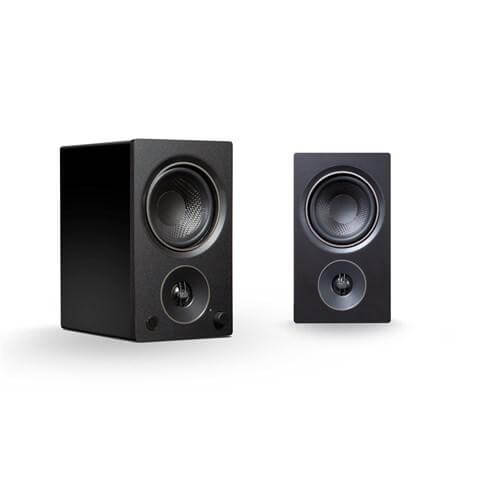
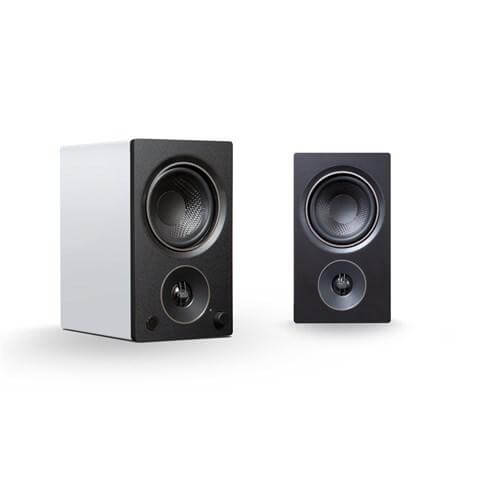
PSB Alpha AM5 Compact Powered Speakers (Pair) Built-in amplification without the streaming platform of the Alpha iQ. A good fit for a desktop or a simplified secondary system where you're feeding it from an existing source.
PSB Alpha AM3 Compact Powered Speakers (Pair) The smaller of the two powered Alpha models, better suited to a tight desk or a secondary room than a main listening space.
BBC-Derived Studio Monitors
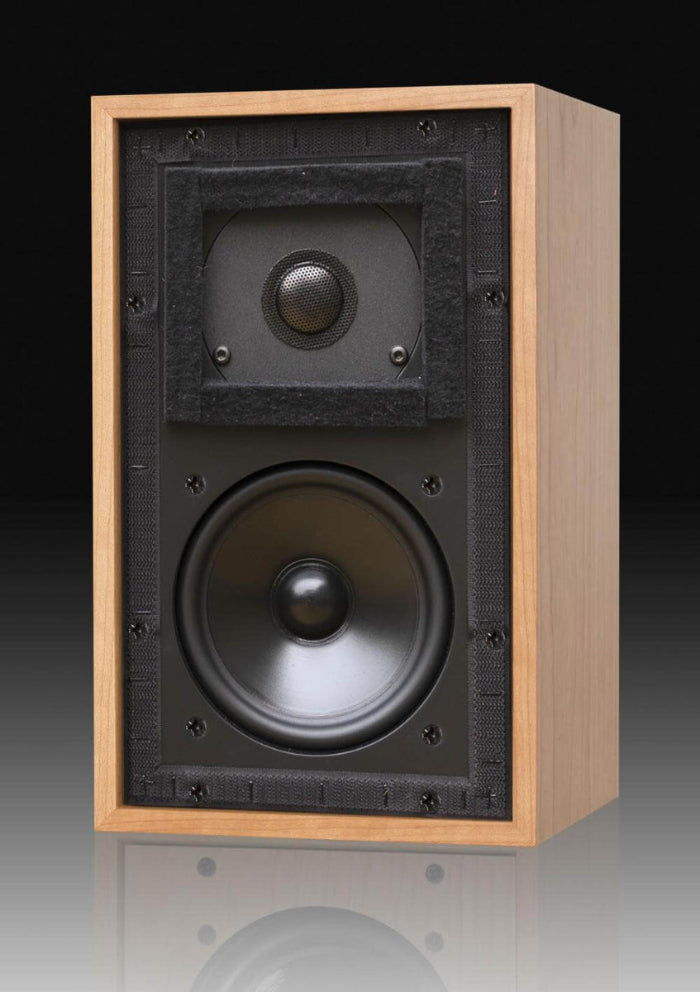
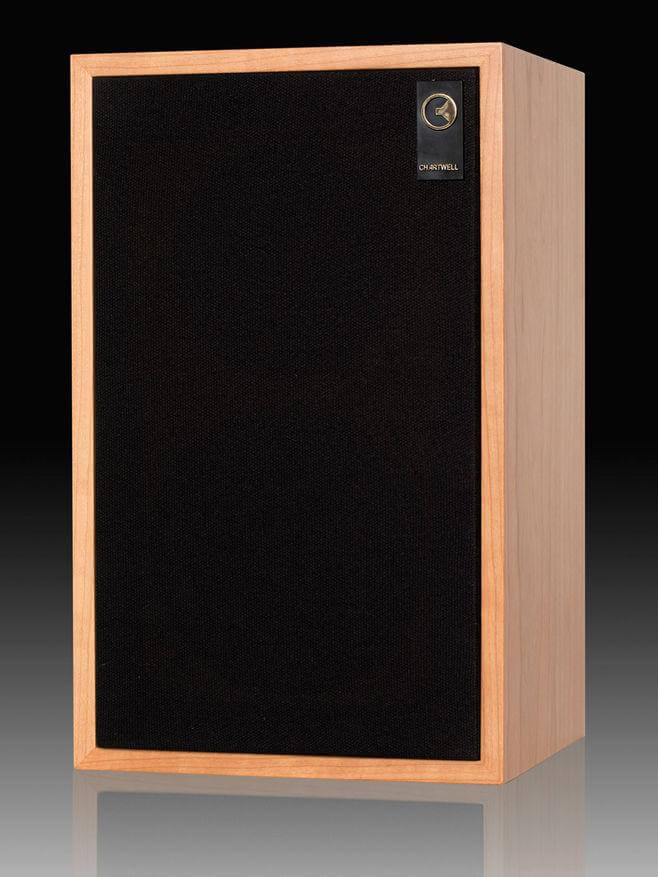
Graham Audio Chartwell LS3/5A Passive Monitor Loudspeaker The classic BBC-derived nearfield monitor. Customers usually come to this one already knowing the design's reputation rather than discovering it on the page, so if that character is what you're after, it's a passive speaker and stands and an amplifier are part of the decision alongside it.
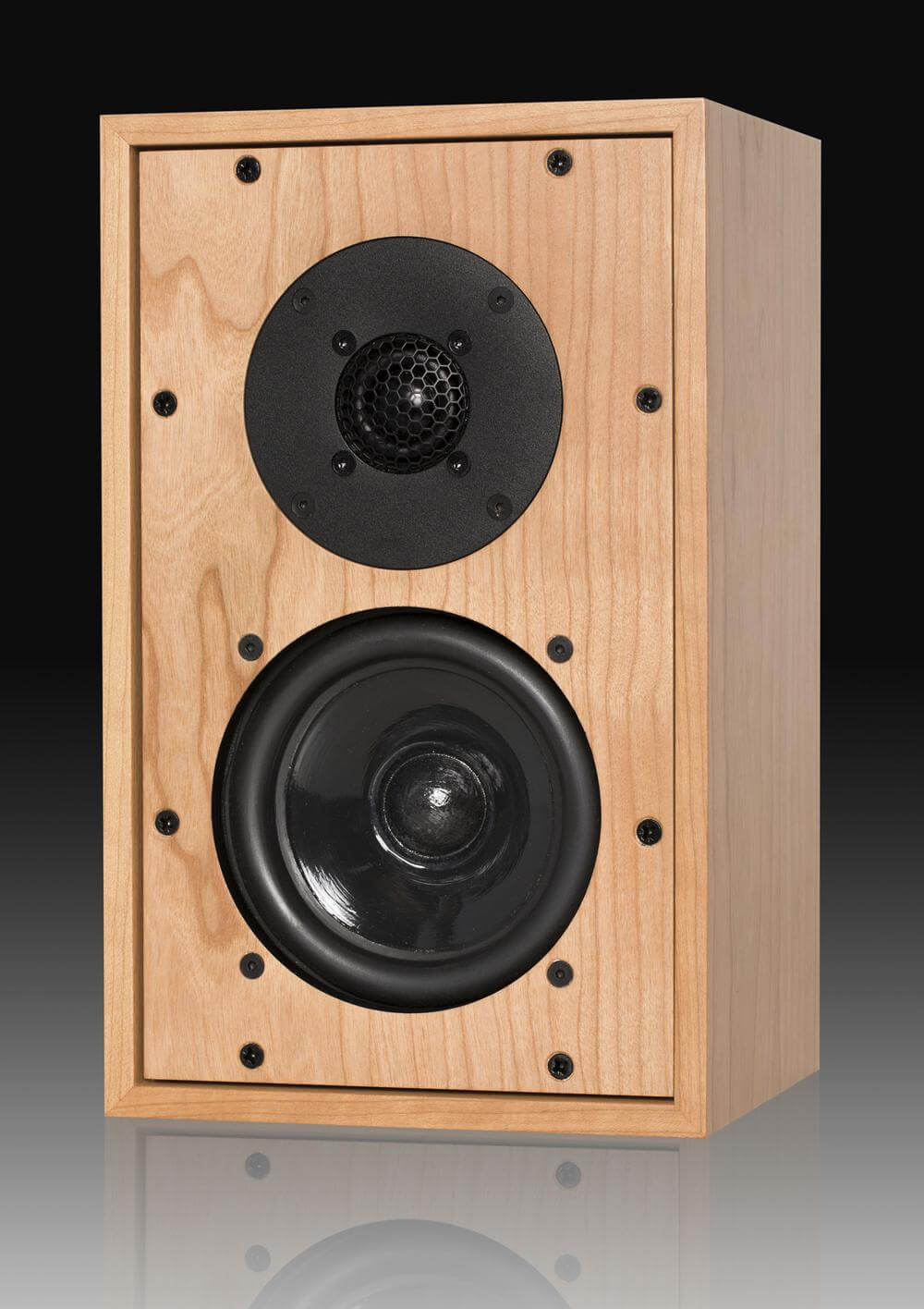
Graham Audio Chartwell LS3/5 Passive Monitor Loudspeakers (stand not included) A related but distinct design within the Chartwell range from the LS3/5A. If you're deciding between the two, they're worth comparing directly rather than assuming one is simply a variant of the other.
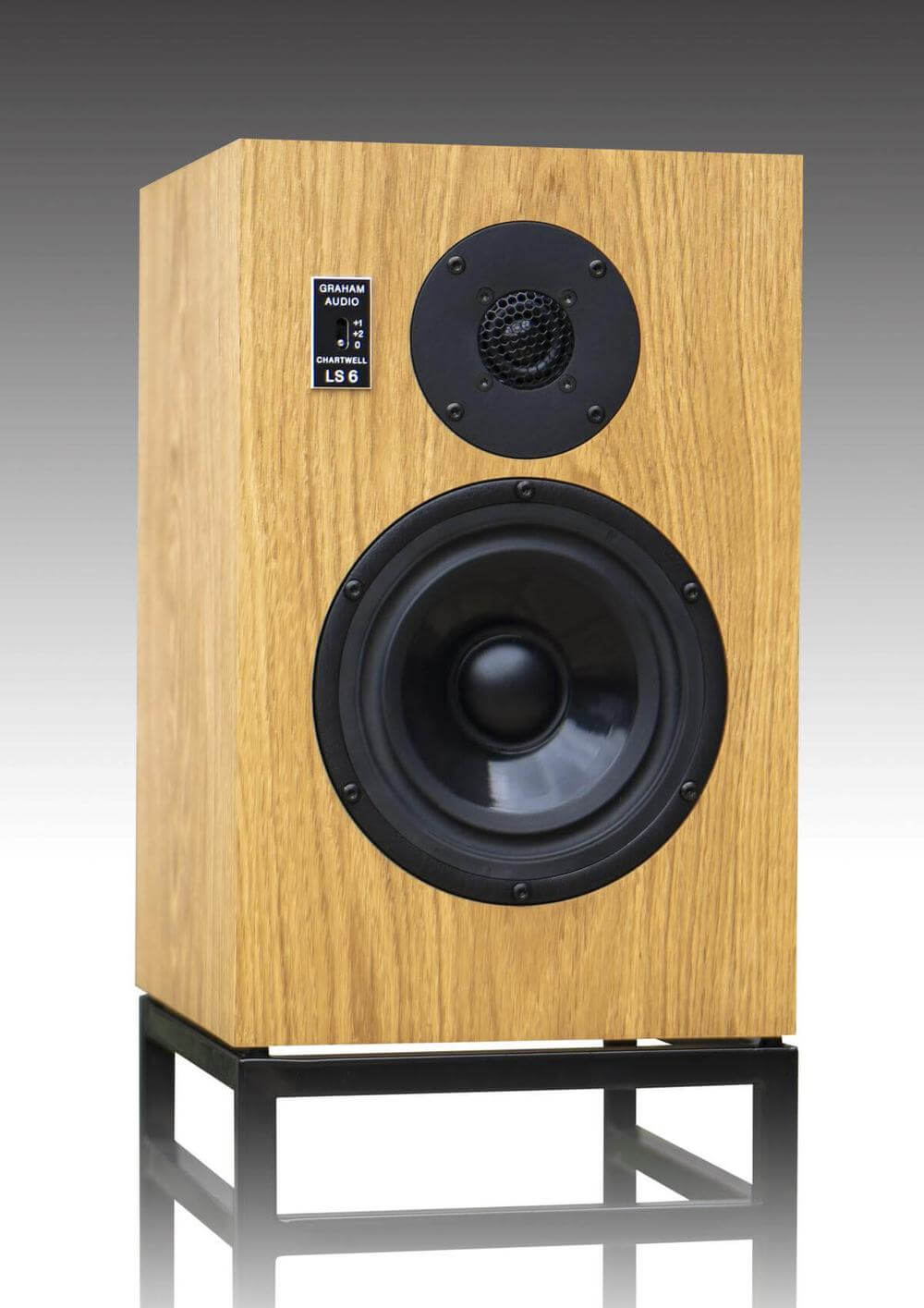
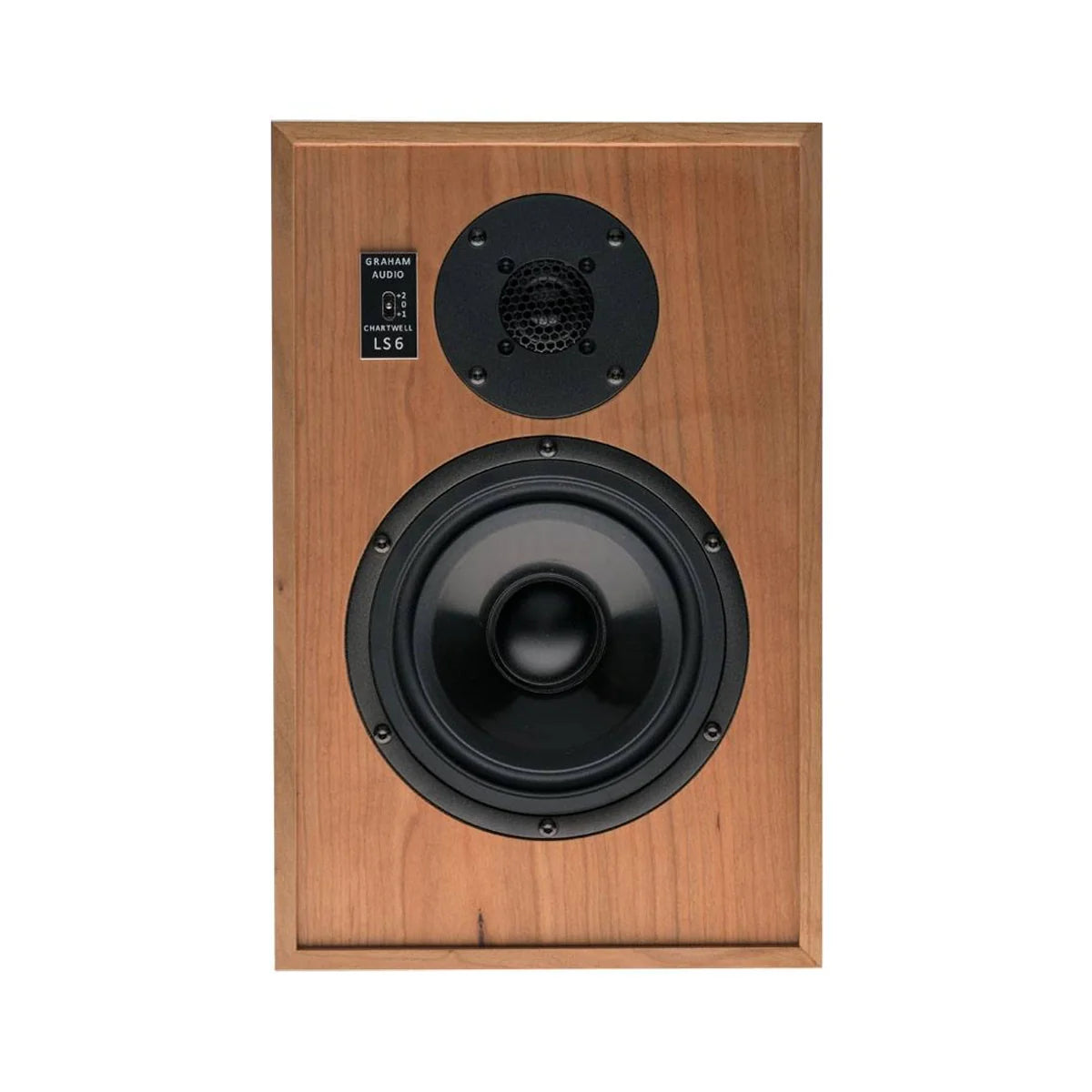
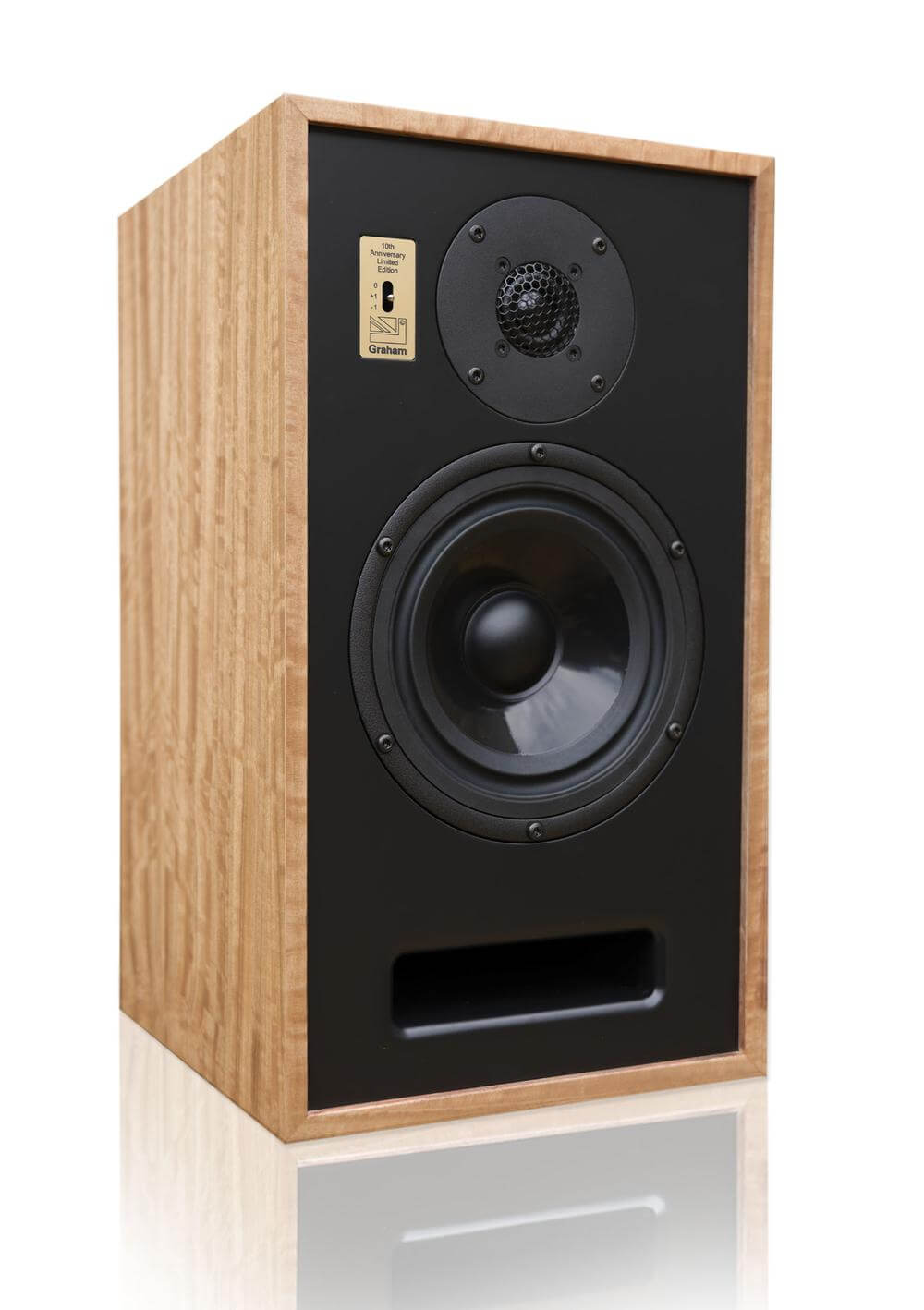
Graham Audio Chartwell LS6 Monitor Loudspeakers (stand not included) A larger cabinet than the LS3/5-series within the same Chartwell range, for when you want the studio-monitor lineage but need more low-frequency capability than the smaller nearfield models can offer.
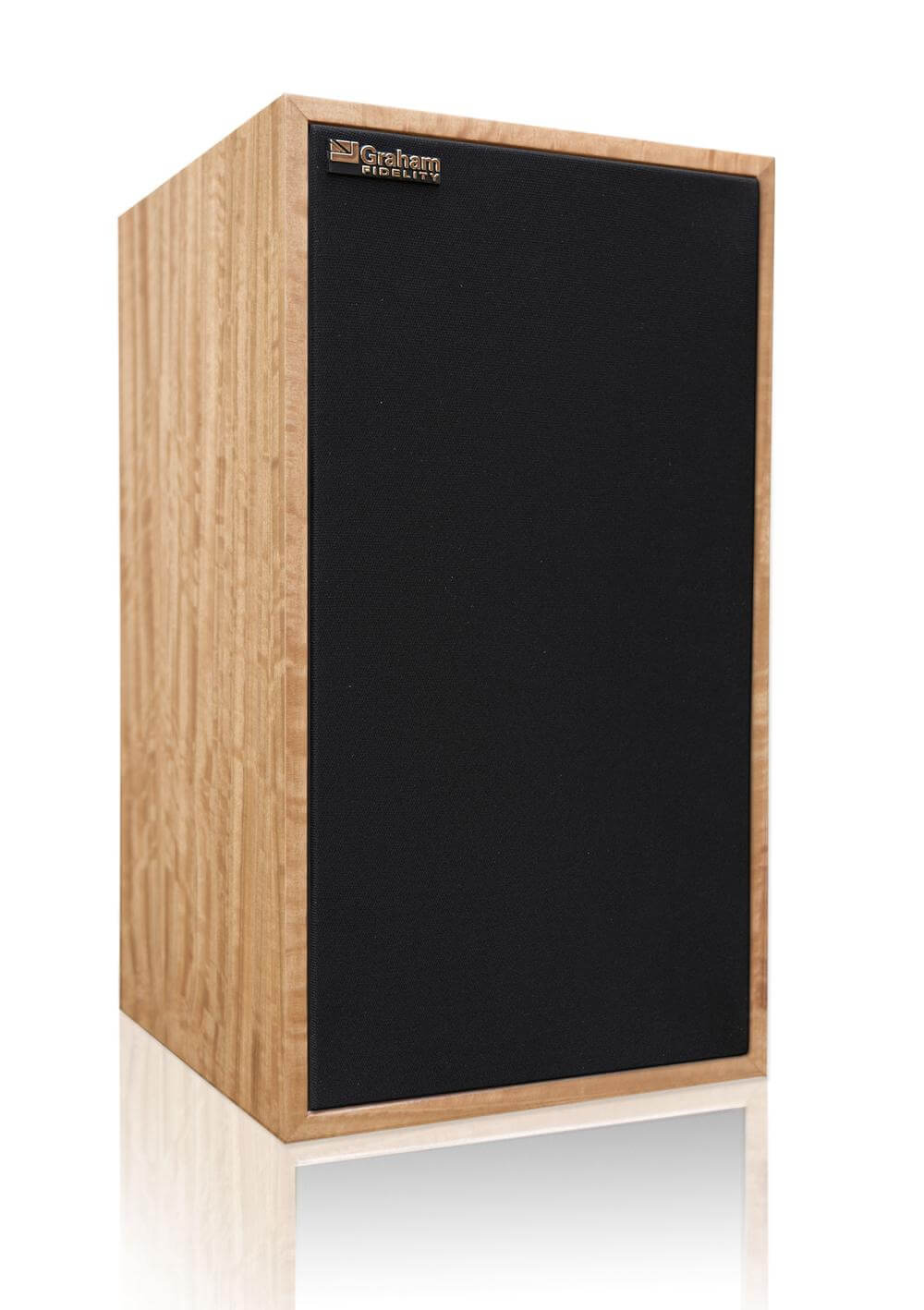
Graham Audio LS6 10th Anniversary Special Edition Monitor Loudspeaker The anniversary variant of the LS6 itself. This is a choice once you've already settled on the LS6, not a separate recommendation from it.
Reference Monitors
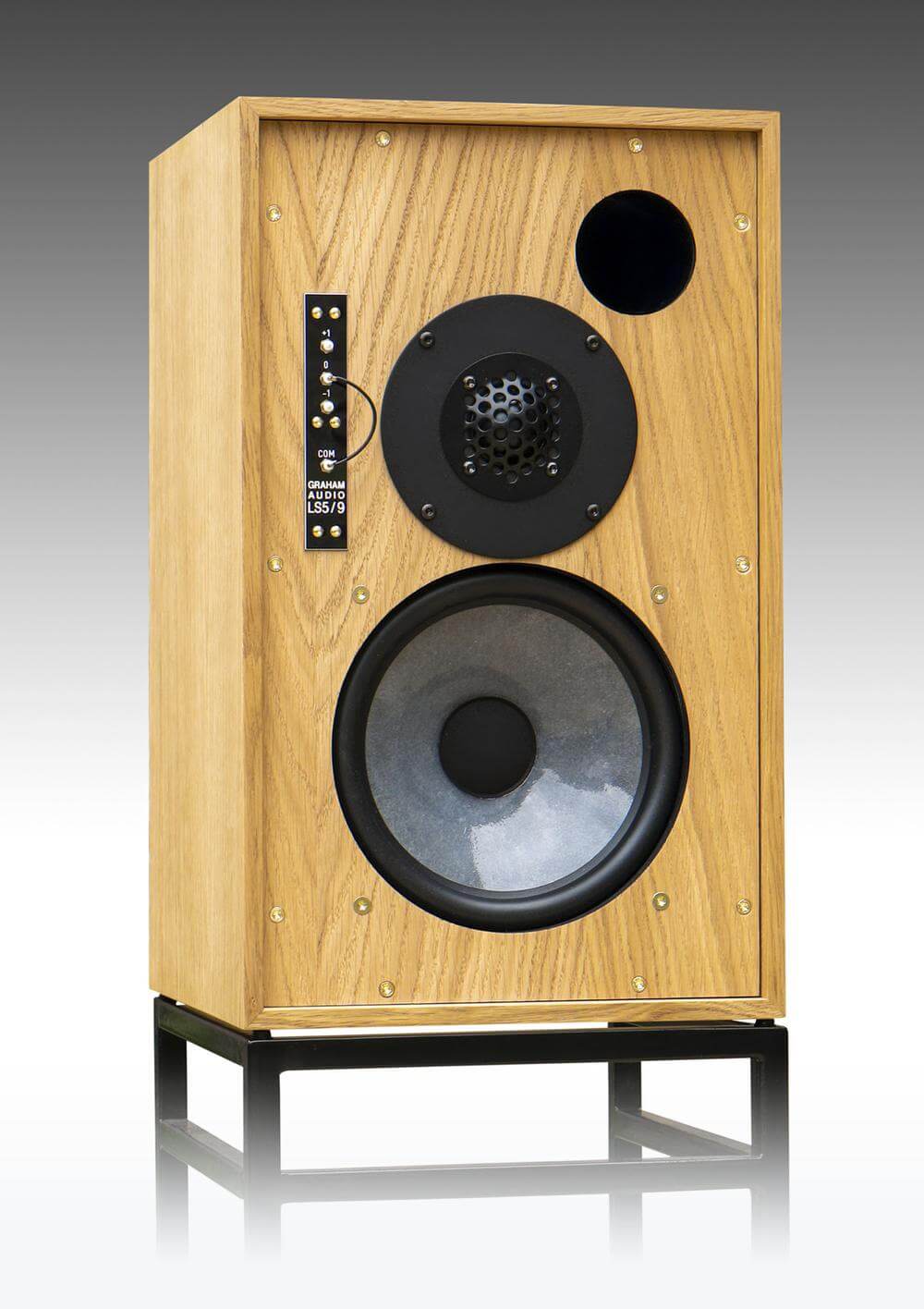
Graham Audio LS5/9 Monitor Loudspeakers (stand not included) The entry point into Graham Audio's reference tier, for a system that's already outgrown the Chartwell range.
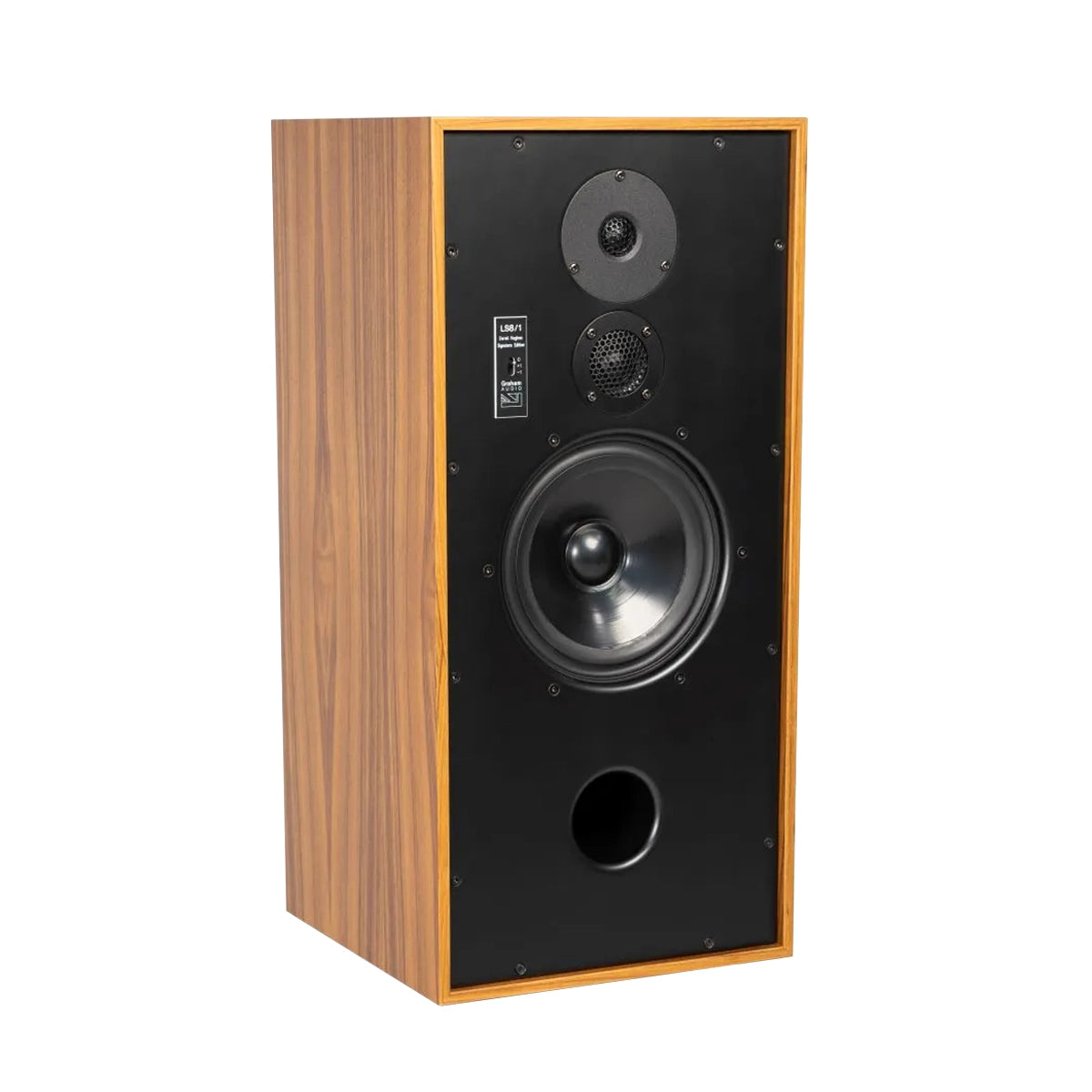
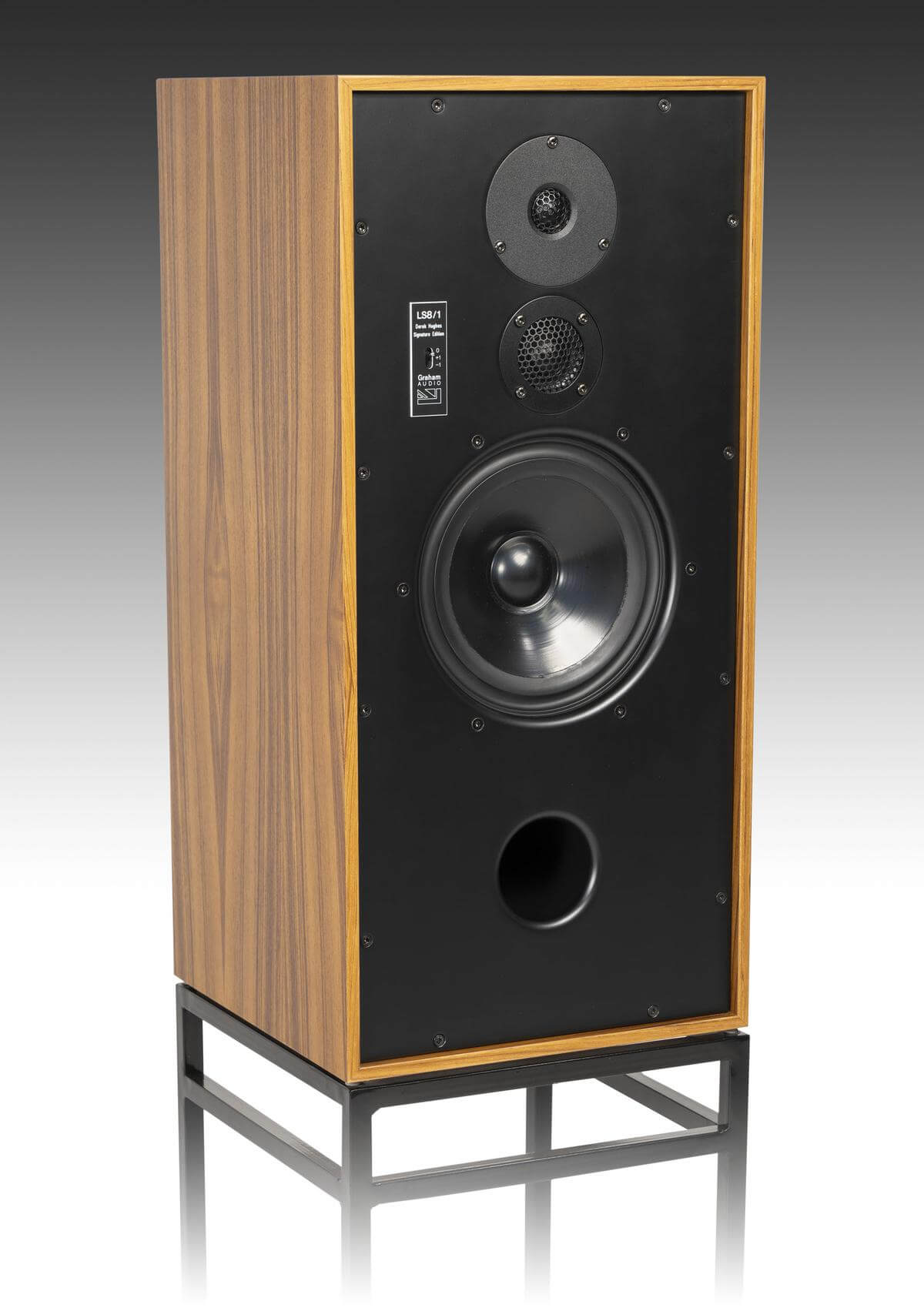
Graham Audio LS8/1 Monitor Loudspeaker Sits within the reference tier of this range, best suited once your amplification and room can genuinely make use of what a reference monitor offers, rather than as a first step up.
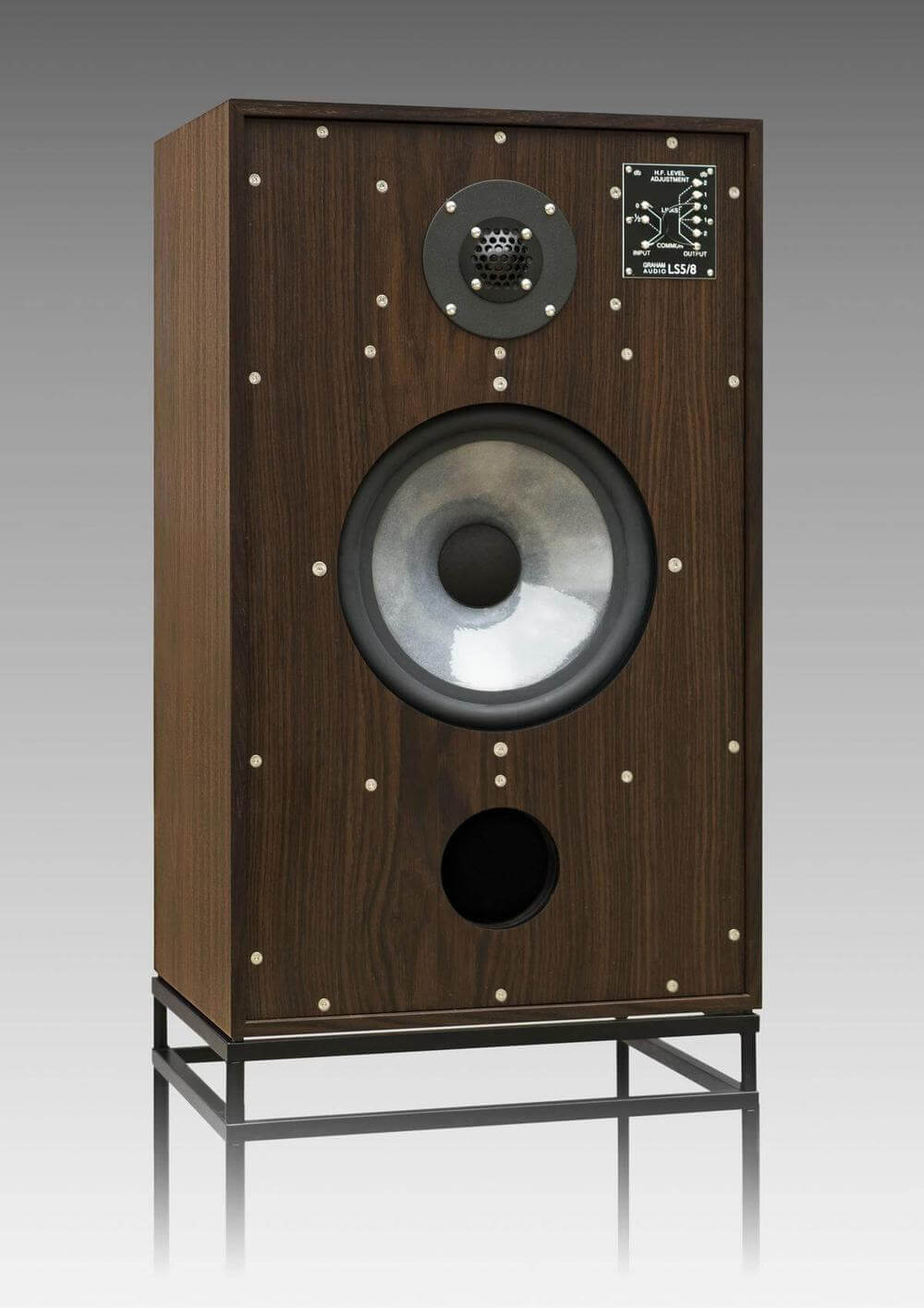
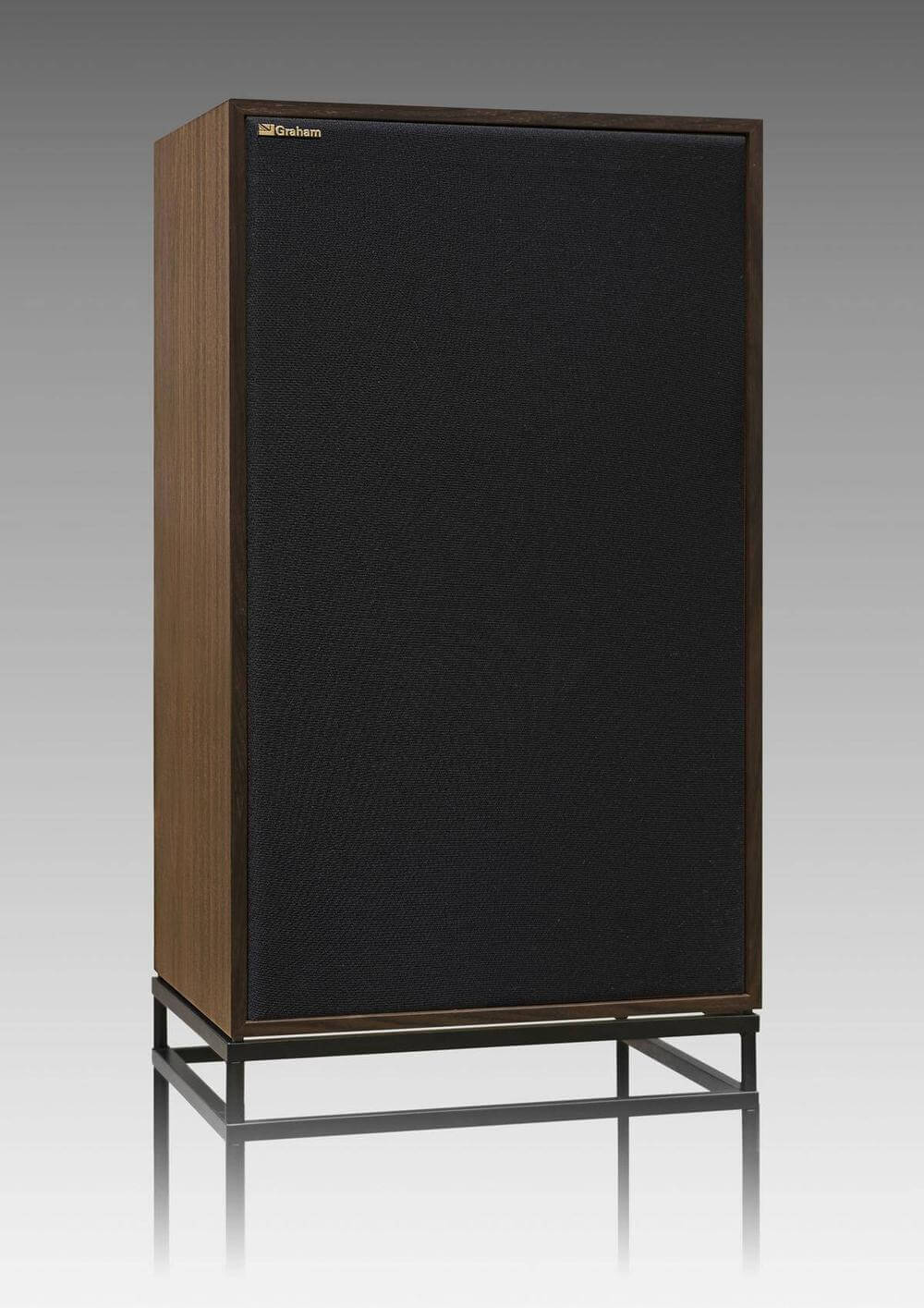
Graham Audio LS5/8 Monitor Loudspeakers A step further into the reference tier, aimed at a genuinely high-performance monitoring setup rather than a general living-room system.
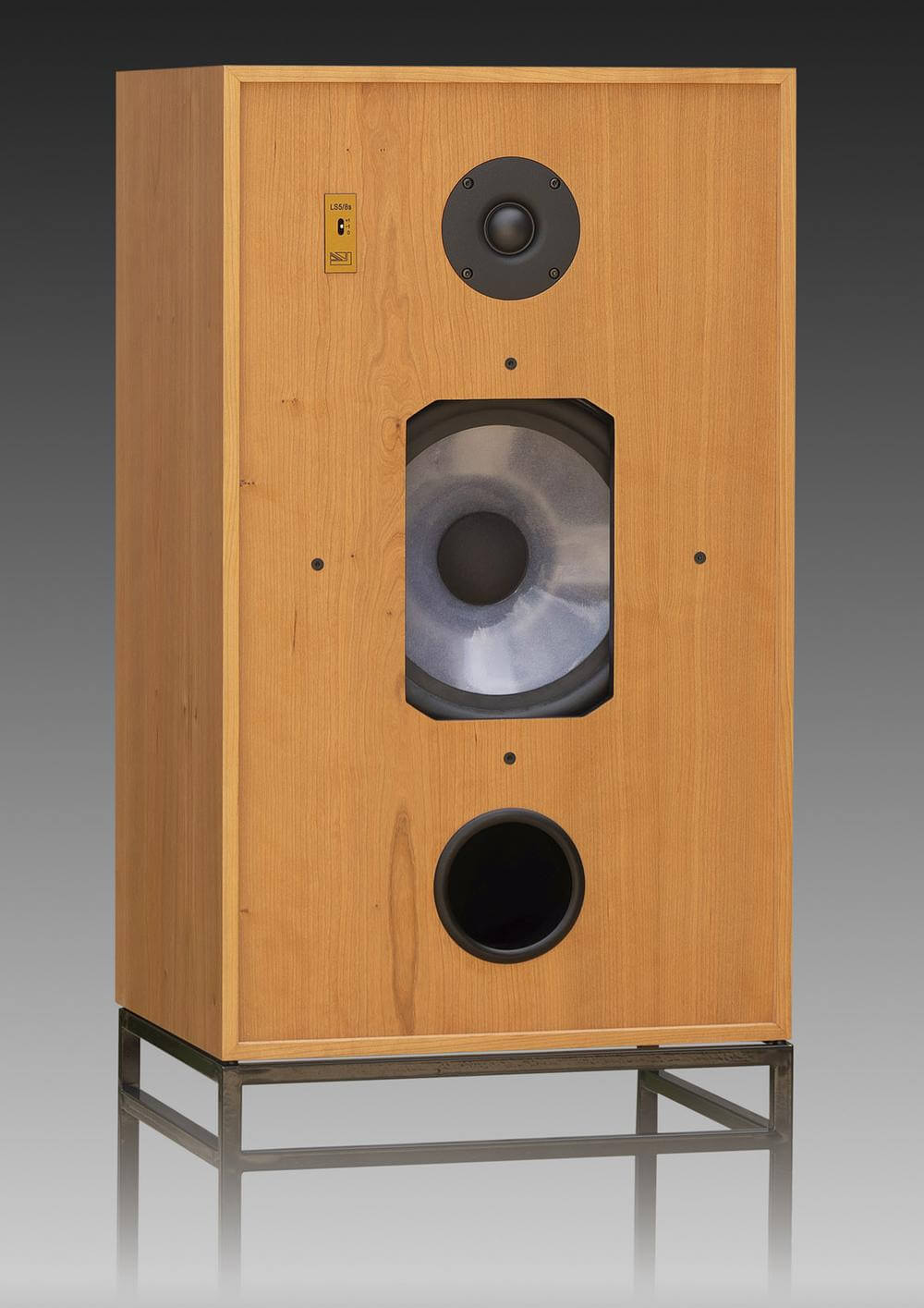
Graham Audio LS5/8S Monitor Loudspeaker A variant of the LS5/8. The choice between the two comes down to system fit rather than one being a step up from the other, so it's worth comparing them side by side.
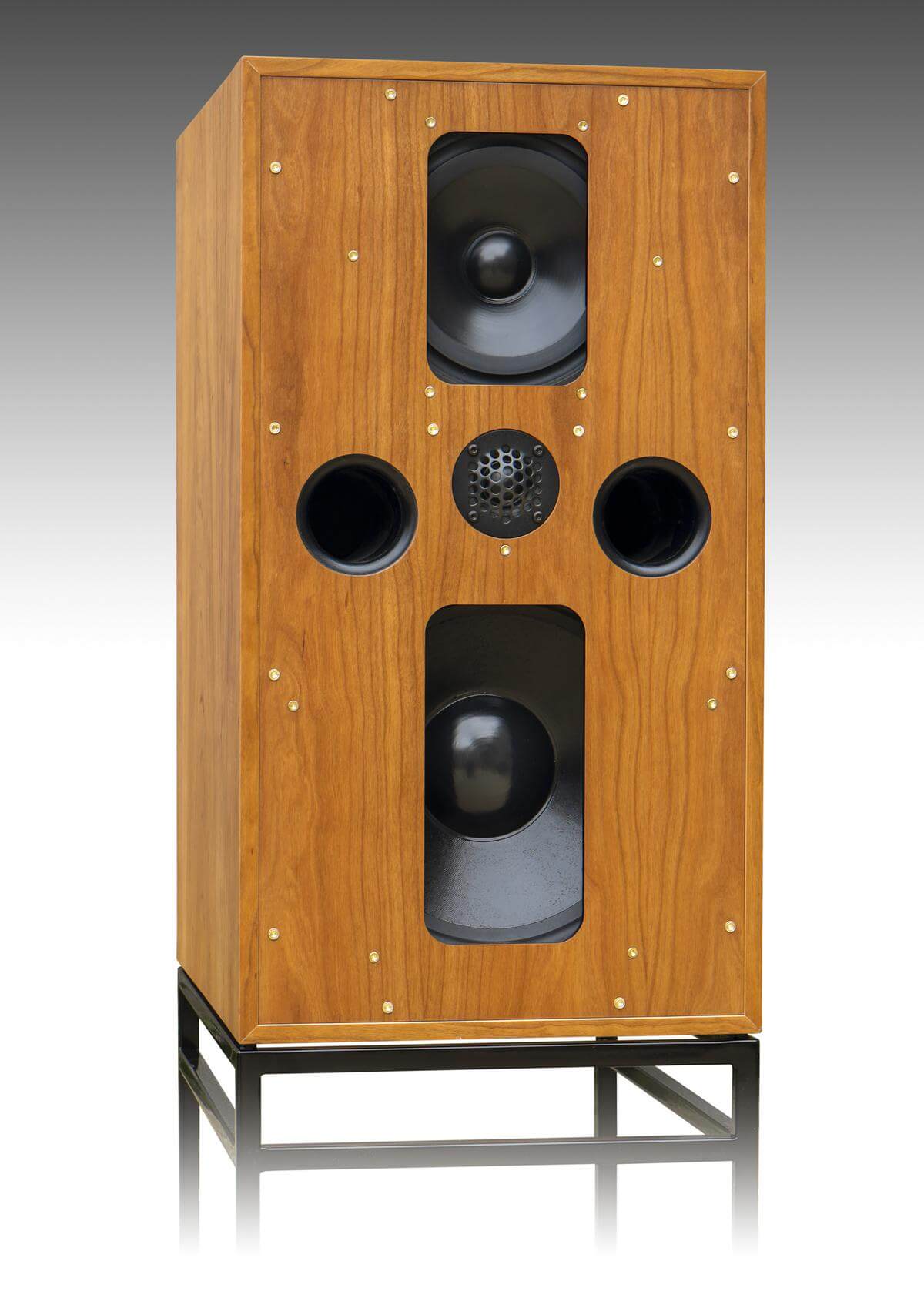
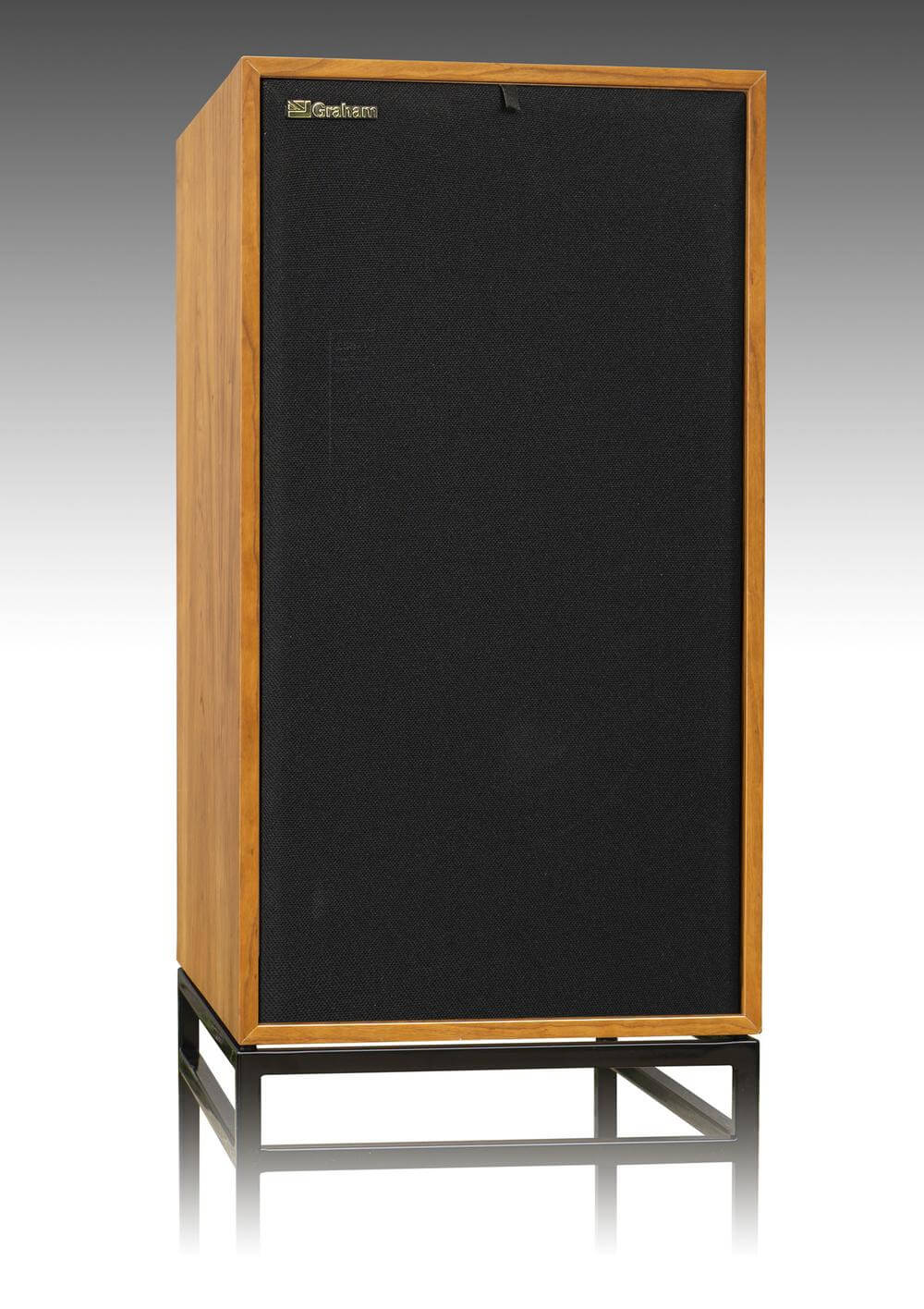
Graham Audio LS5/5 Monitor Loudspeaker -The top of the Graham Audio range on this page, and best approached as the final piece of a system rather than an early upgrade, since it needs amplification and a room capable of showing what it can do.
Heritage and Classic
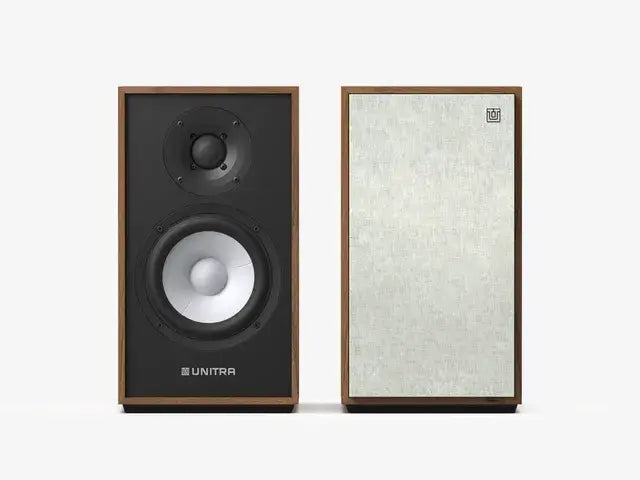
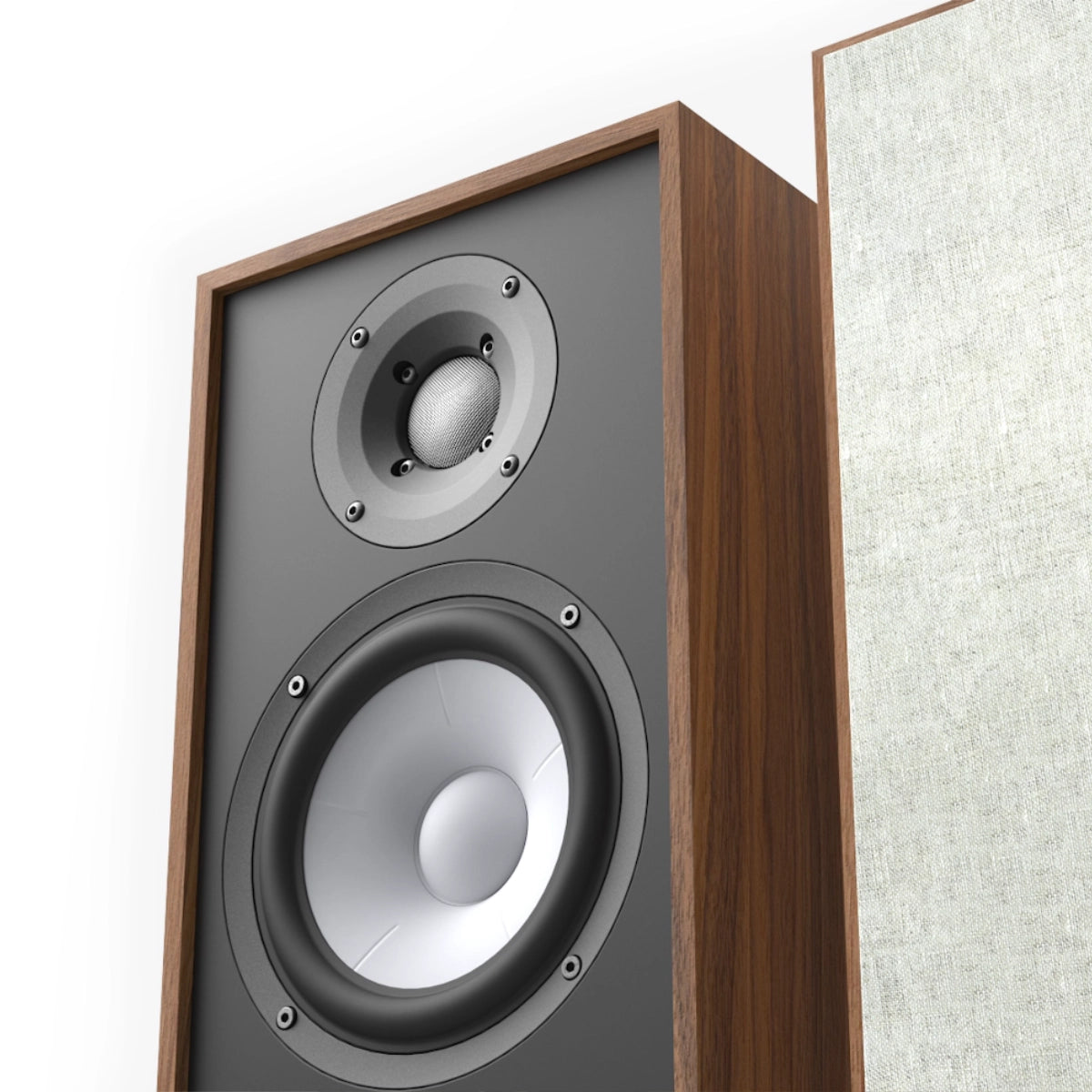
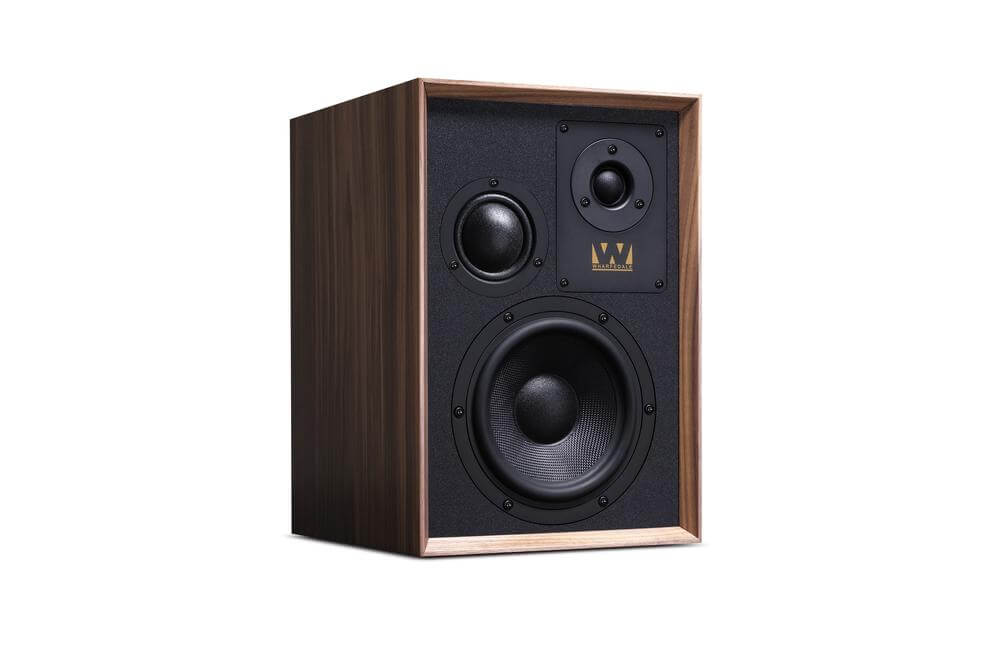
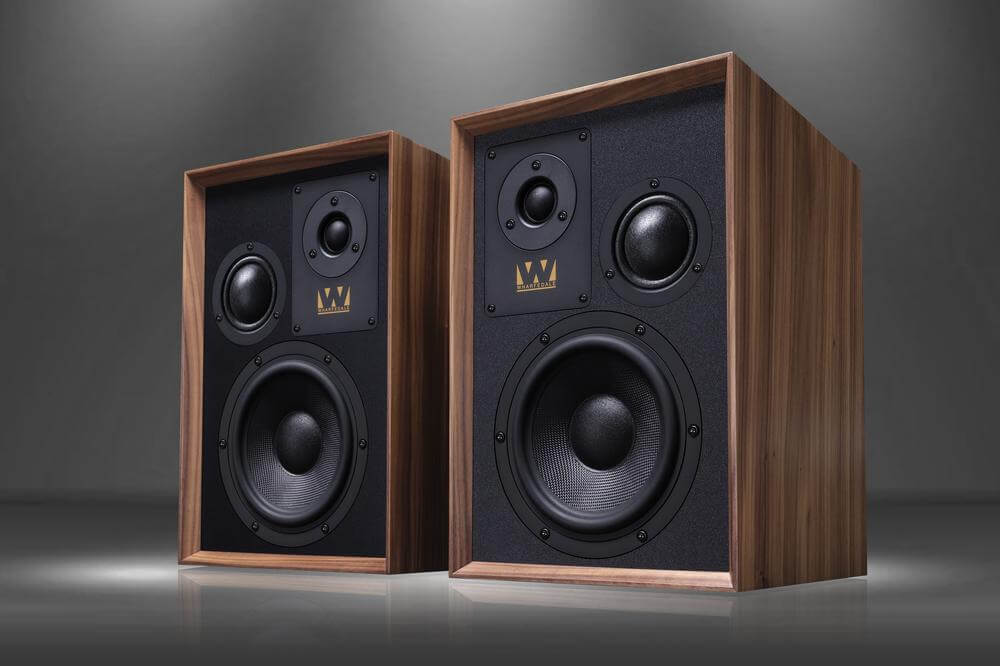
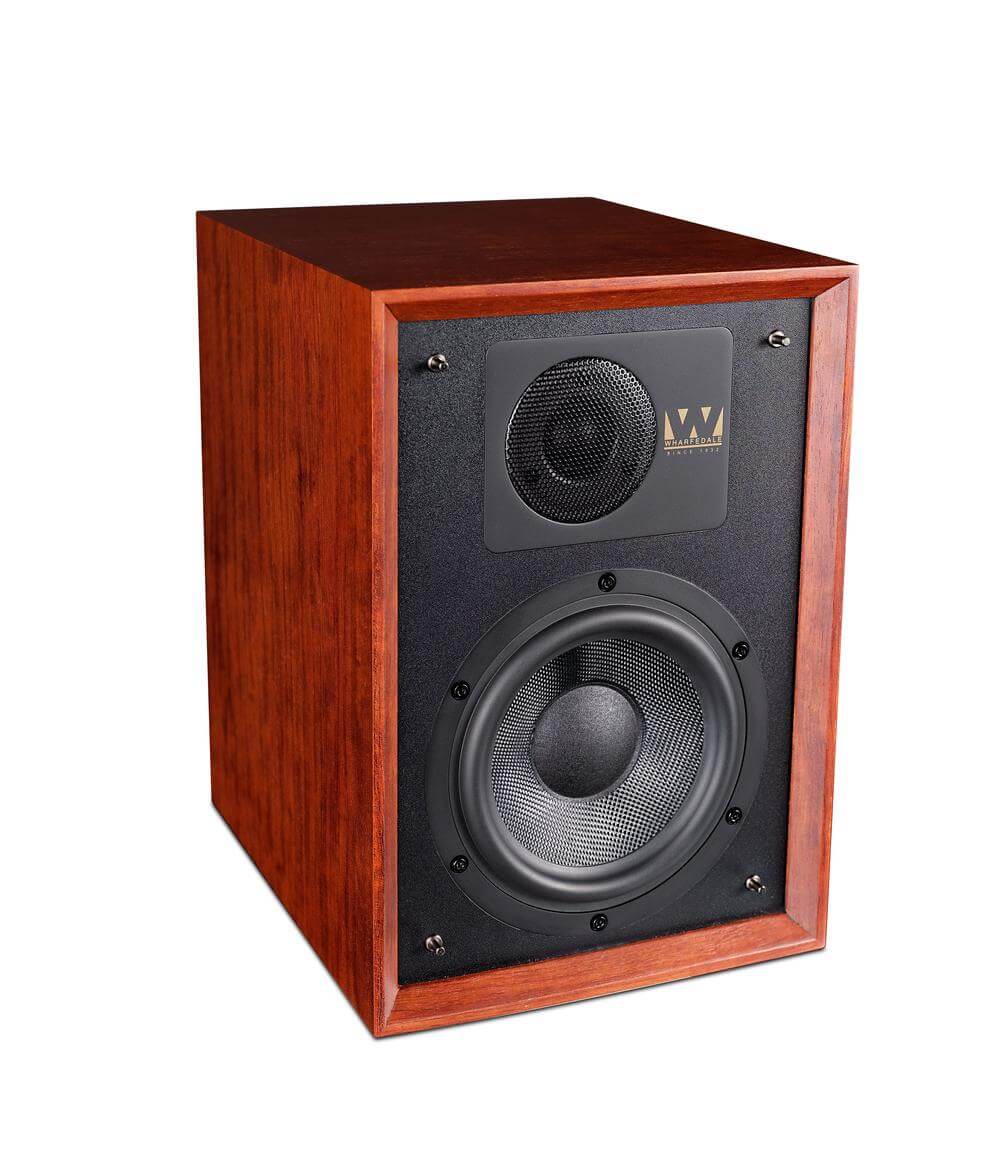
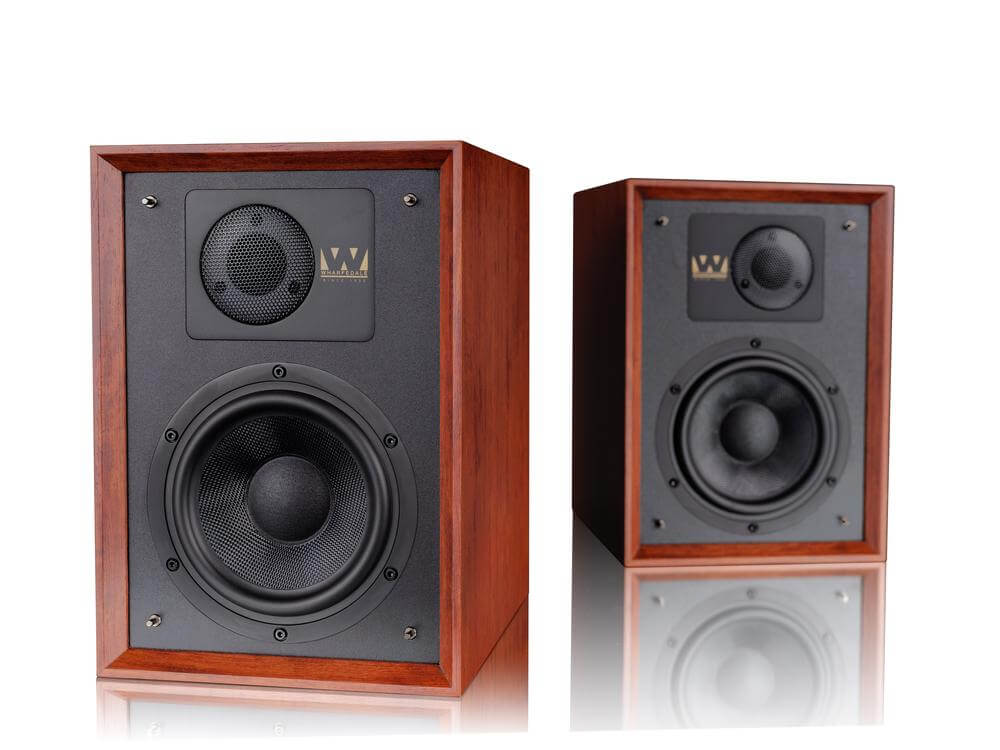
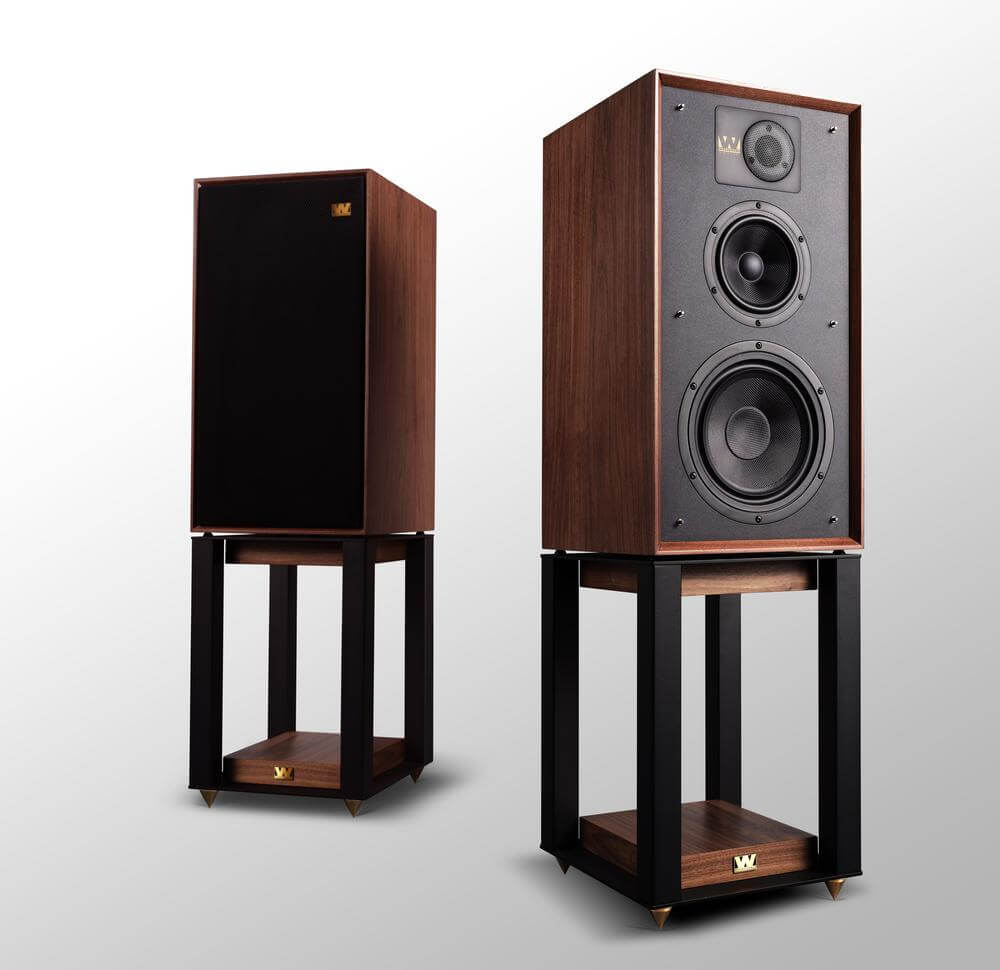
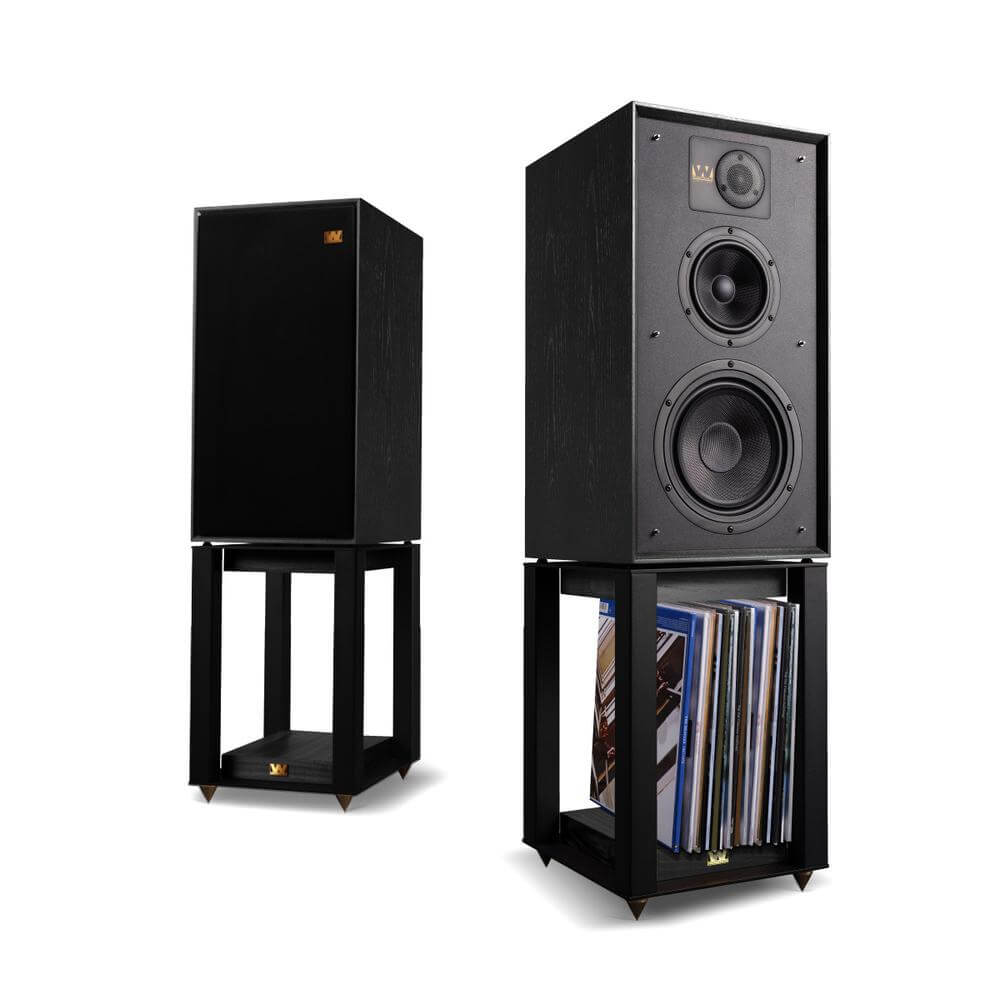
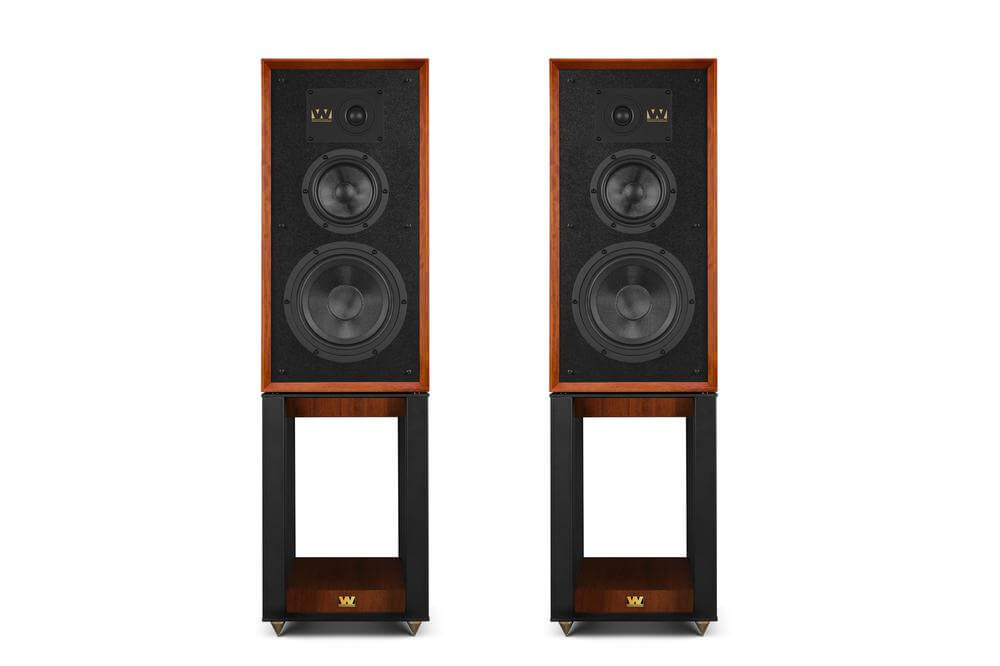
Wharfedale Denton 85th Anniversary Loudspeakers A heritage-styled passive speaker for someone drawn to the classic cabinet as much as the sound, suited to a traditional system with a separate amplifier.
Wharfedale Super Denton Bookshelf Speakers Sits in the same heritage line as the Denton 85th Anniversary. If the Wharfedale heritage look and sound is what's drawing you in, compare the two directly rather than assuming one simply replaces the other.
Compare Our Speakers
Use the filters on this page (Bookshelf Speaker Type, Speaker Format, Brand, Finish and Price) to compare models side by side against what your system actually needs.
Quick match, by starting point:
- First passive pair, existing amplifier: PSB Alpha P3 or PSB Alpha P5.
- Don't want a separate amplifier: PSB Alpha AM3, PSB Alpha AM5, or PSB Alpha iQ for streaming.
- Turntable-based system: PSB Alpha P3/P5 for entry, Graham Audio Chartwell range for a monitor-speaker step up.
- Classic BBC monitor character: Graham Audio Chartwell LS3/5A or LS3/5.
- Reference-level monitoring: Graham Audio LS5/9, LS8/1, LS5/8, LS5/8S, or LS5/5.
- Heritage styling: Wharfedale Denton 85th Anniversary or Super Denton.
Talk to Us
Customers across Australia, including Brisbane, Sydney, Melbourne and Adelaide, work with The Groove Man to match bookshelf speakers to an existing amplifier, room, or desktop setup, or to build a system from scratch. Get in touch if you'd like help narrowing the range to what will actually work in your space.