Why the Atlas MK2 Is the Tracking Force Gauge Rega Owners Choose for Long-Term Accuracy
What makes the Rega Atlas Tracking Force Gauge MK2 different from generic digital scales?
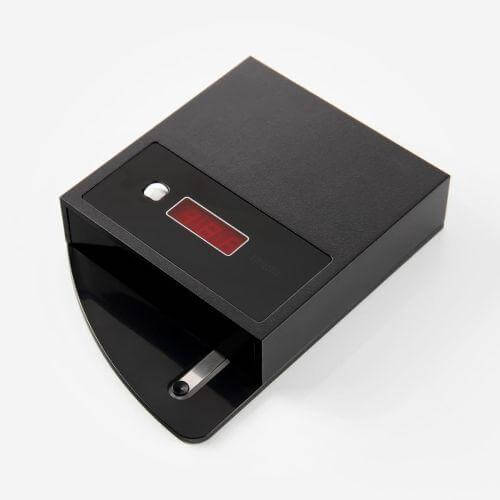
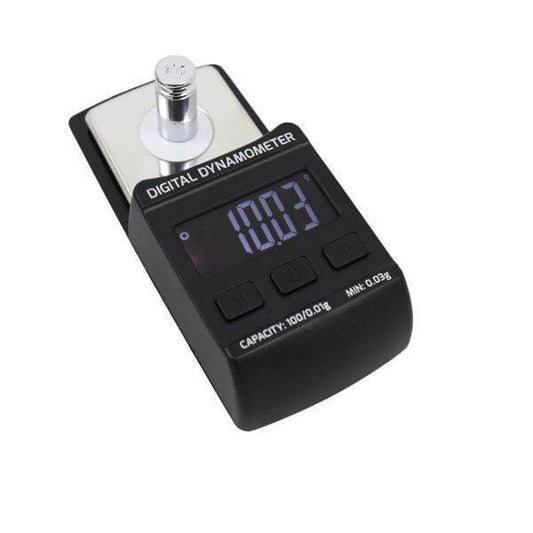
The Rega Atlas Tracking Force Gauge MK2 is a purpose-built tracking force gauge developed in-house by Rega after years of relying on outsourced gauges in their own tonearm production areas — gauges that consistently failed after minimal use. That direct manufacturing experience shaped the Atlas's design priorities: the MK2 isn't a rebranded postal scale adapted for turntable use. It's a tool built to the tolerance standards Rega's own engineers demanded for cartridge setup on tonearms including the RB220, RB330, RB880, and RB3000.
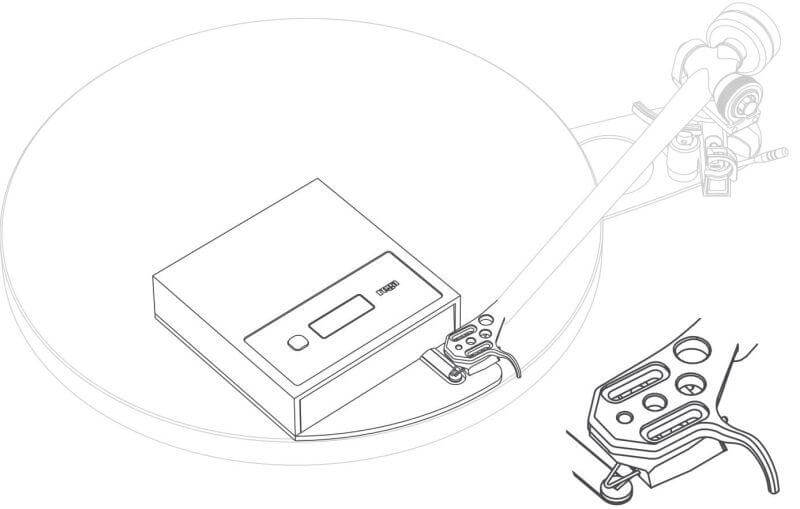
The core distinction is accuracy to +/-0.01 grams and the ability to measure in the same position every time. Most generic digital gauges offer inconsistent platform placement, meaning readings vary depending on where the stylus lands on the weighing surface. The Atlas addresses this with a custom-designed front guard that protects the measuring element and doubles as an alignment guide, ensuring the stylus contacts the loadcell at the correct point on every measurement. That repeatable positioning is what allows adjustment to two decimal places rather than a single decimal approximation.
Which cartridges and tonearms is it suited to?
The Atlas Tracking Force Gauge MK2 is suited to the full range of Rega cartridges and to a wider field of third-party designs, with a measurement range of 0.5 to 10 grams. The MK2 revision extended the upper limit specifically to accommodate cartridges with higher tracking force requirements — a practical response to the more extreme cartridges appearing in the current market. The safe overload threshold sits at 20 grams, which provides a margin against accidental damage to the loadcell if a tonearm drops onto the platform.
Within Rega's own range, it covers everything from the Nd3 and Nd5 moving magnet cartridges through to the Ania and Ania Pro moving coil designs, and up to the Apheta 3 and Aphelion 2 reference-level MC cartridges. Each of these has a specified tracking force that the Atlas can resolve to the degree of precision those cartridges require.
How consistent is it across different operating conditions?
The Atlas is built around a full bridge, shear beam loadcell — a construction type associated with long-term stability and repeatable measurement. The cell is temperature compensated across a wide operating range, so readings don't drift between a cold listening room in winter and a warmer environment in summer. Rega's engineers also improved stability and sensitivity in the MK2 revision compared to the original Atlas, addressing the inconsistency that had made outsourced alternatives unreliable in Rega's own production environment.
Is the Atlas MK2 designed to last, or will it need replacing?
The Atlas Tracking Force Gauge MK2 is designed for use across the full life of a turntable system, not as a setup tool to be used once and discarded. The loadcell's resistance to shocks and long-term deterioration means it maintains calibration accuracy over repeated use without the performance degradation that affected the outsourced gauges Rega previously relied on. The aluminium casework provides physical protection for the internal circuitry and loadcell, and the front guard shields the measuring element from contact damage between uses. It runs on a 9V PP3 cell, which is a widely available battery type and straightforward to replace.
Where does it sit relative to other tracking force measurement options?
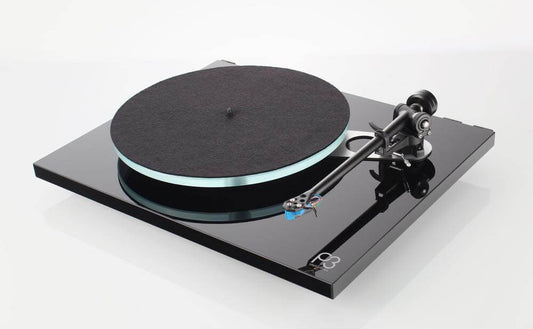
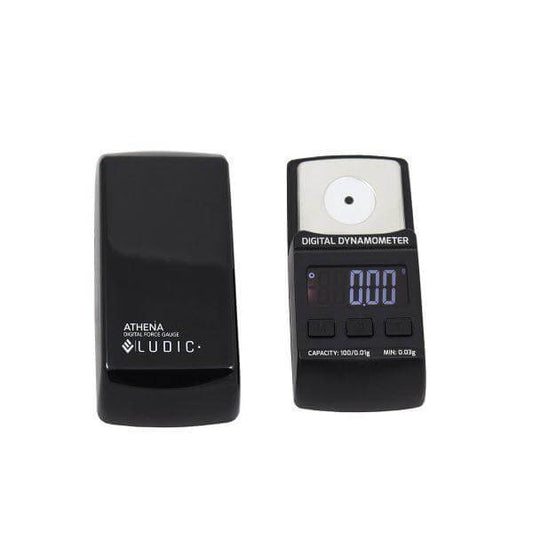
The Atlas is Rega's own-brand tracking force gauge, positioned as the natural choice for buyers using any Rega turntable platform — from the Planar 2 with an RB220 tonearm up to the Planar 10 with an RB3000. At that level of system investment, resolving cartridge tracking force to two decimal places matters: a gauge that can't do so introduces setup errors that compound over the life of a cartridge. Buyers comparing the Atlas against lower-cost alternatives should weigh the MK2's temperature-compensated loadcell, fixed measurement position, and aluminium housing against gauges that typically use less stable sensor types and plastic construction. Those using higher-compliance moving magnet cartridges or low-output moving coil designs will find the 0.5 to 10 gram range covers the tracking force requirements of both ends of Rega's cartridge lineup and the more demanding third-party cartridges the MK2 was specifically updated to handle.