Rega
Rega Turntables, Cartridges & Hi-Fi Components
Rega makes turntables, tonearms, cartridges, phono stages, amplifiers, CD players and loudspeakers, built around the same low-mass, high-rigidity plinth and tonearm engineering across every tier. The range suits buyers anywhere from a first turntable through to a reference-level analogue system, since the tonearm, cartridge and power supply options scale together rather than being separate, unrelated upgrades. Rega's turntable range runs from the Planar 1 at the entry point through the Planar 2, Planar 3, Planar 6 and Planar 8 to the Planar 10 and Naia, with the Nd-series and moving coil cartridges, Fono and Aura phono stages, and Rega's own amplifiers designed to pair with specific points in that range rather than being chosen independently of it.
This page works through that turntable range, the cartridges you'd fit or upgrade to, and the phono stages and amplifiers that connect them, so you can match a turntable, cartridge and system together rather than choosing each in isolation.
Why Choose a Rega Turntable?
What design approach runs through the Rega range?
Rega has built turntables since 1973, designing and hand-assembling every product across its own facilities in the South East of England, and every product carries a lifetime limited warranty covering confirmed manufacturing defects. Rega's turntables are built around lightweight, rigid plinths rather than heavy, mass-loaded chassis. On the Planar 3, this takes the form of a lightweight acrylic laminated plinth strengthened with a double brace system, positioned specifically between the tonearm mounting and the main hub bearing to form what Rega calls a stressed beam assembly. A rigid, low-mass plinth resists energy absorption and unwanted resonance, while a heavier plinth can transfer more motor or bearing noise directly into the rotating record. The same principle scales up through the range: the Planar 6 and Planar 8 use a Tancast 8 polyurethane foam core, a material originally developed for the aerospace industry, sandwiched between high-pressure laminate skins to keep mass low while increasing rigidity.
How does Rega match the tonearm, motor and power supply together?
Across the range, Rega pairs its tonearms with motors and, on the higher models, an outboard power supply, rather than treating these as independently sourced parts. The Planar 6 and Planar 8 ship with the Neo PSU, and each turntable's 24V low-noise synchronous motor is hand-matched to its own individual Neo PSU at the factory, a step intended to keep motor noise and vibration low at the point it would otherwise transfer into the platter and tonearm. The Planar 6 RS Edition extends this further, with each motor's vibration circuit hand-tuned to its specific Neo MK2 PSU. Because the arm geometry, motor and PSU arrive matched as a set, the turntable doesn't need separate calibration between these parts during setup.
What is the upgrade path through the Rega turntable range?
Rega's turntable range runs from the Planar 1 up through the Planar 2, Planar 3, Planar 6, Planar 8 and on to the Planar 10 and Naia, with RS Editions of the Planar 3 and Planar 6 sitting alongside the standard models. The tonearm changes at several points in this path: the Planar 1 and Planar 1 Plus use the RB110, the Planar 2 uses the RB220, the Planar 3 and Planar 6 use the RB330, and the Planar 6 RS and Planar 8 use the RB880. Cartridge choice follows a similar progression, from the fitted Carbon moving magnet cartridge on the Planar 1, 1 Plus and 2, through the Nd-series moving magnet cartridges (Nd3, Nd5, Nd7, Nd9), to moving coil options such as Ania Pro and Apheta 3 available on the Planar 6 and Planar 8. A buyer can also add a moving coil-capable phono stage or amplifier at the point they move from a moving magnet to a moving coil cartridge, rather than needing to change turntable and phono stage at the same time.
Which Rega Turntable Is Right for You?
Is the Planar 1 or Planar 1 Plus the right starting point?
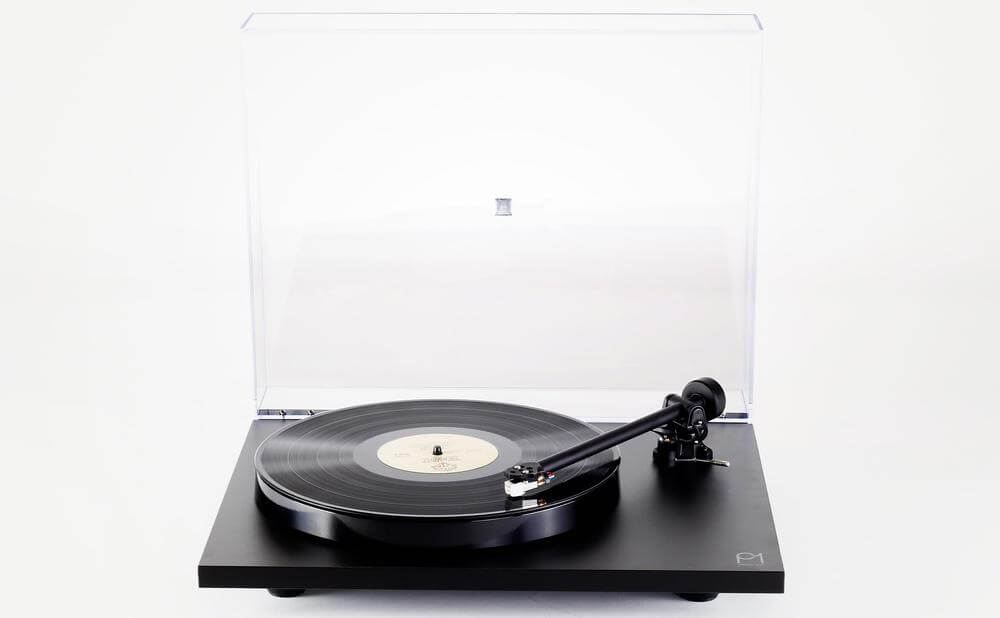
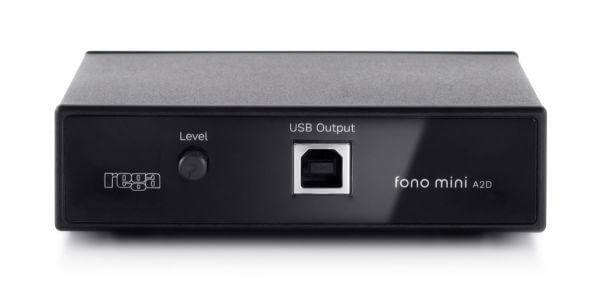
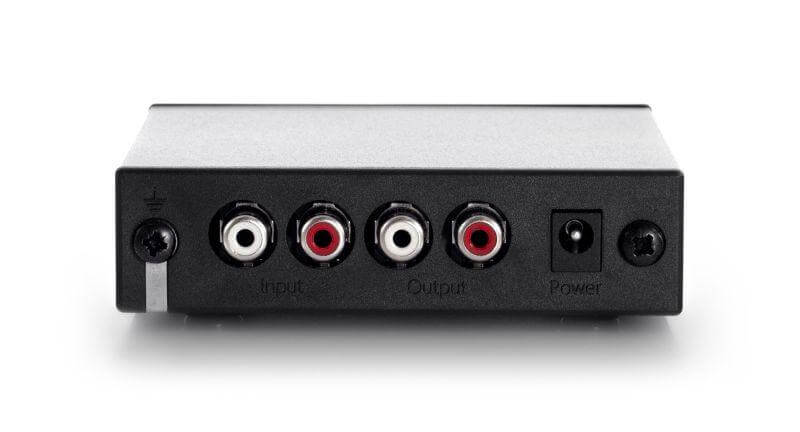
The Planar 1 and Planar 1 Plus are Rega's entry-level turntables, both built around the hand-assembled RB110 tonearm with pre-set, automatic bias adjustment and a factory-fitted Rega Carbon moving magnet cartridge. Rega designed both for setup in under a minute, since the tonearm bias is pre-set and the cartridge arrives factory-aligned with a 111g balance weight sized to match it. The difference between the two is the phono stage: the Planar 1 has none, so it needs an amplifier with a phono input or a separate phono stage such as the Fono Mini A2D, while the Planar 1 Plus has a built-in moving magnet phono stage based on the Fono Mini design, letting it connect straight to any line-level input. A buyer who already owns a phono stage, or wants to choose one separately, should pick the standard Planar 1; a buyer who wants a single cable to the amplifier should pick the Planar 1 Plus.
What does the Planar 2 add over the Planar 1?
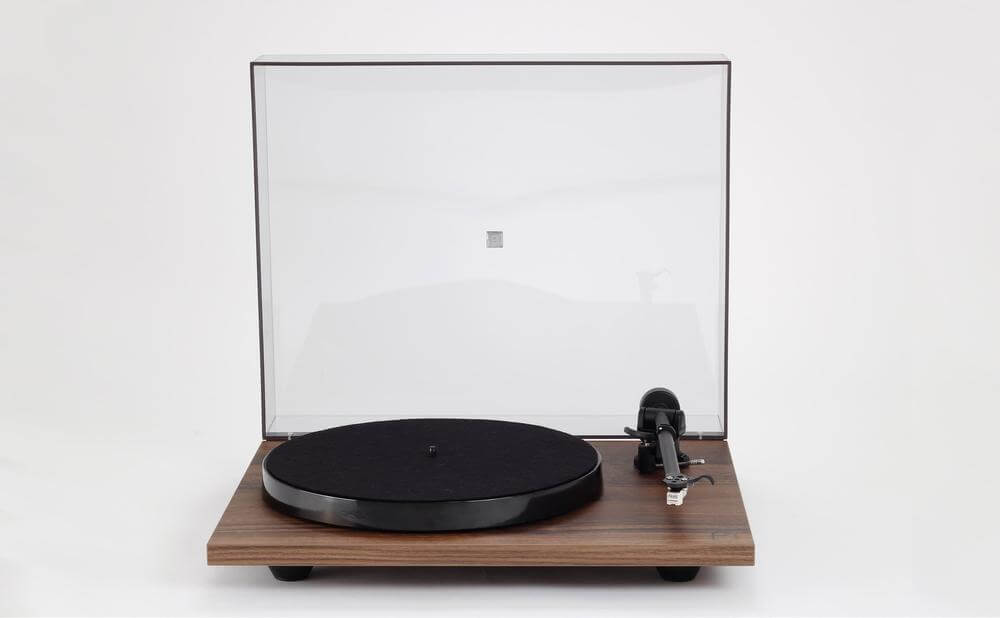
The Rega Planar 2 turntable uses the RB220 tonearm rather than the RB110, with adjustable bias rather than a fixed pre-set, and a newly designed, stiffer bearing housing. It's supplied with the Rega Carbon cartridge as standard, with the Nd3 moving magnet cartridge offered as a factory-fitted option. The platter moves from phenolic resin to a 10mm float glass design, and the plinth changes from matt-finish laminate to a high-gloss acrylic skin or walnut effect laminate, with a redesigned, self-securing 11mm brass bearing. A buyer who wants adjustable bias for a wider range of cartridge compatibility, or who's considering the Nd3 cartridge, gains more from the Planar 2 than the Planar 1.
Why was the Planar 3 redesigned so completely?
The Rega Planar 3 replaced the previous RP3, carrying over only two components from that earlier model. It's built around the RB330 tonearm, developed using 3D CAD and CAM design tools, with a new bearing housing and a tonearm tube engineered through deliberate mass redistribution to reduce points of resonance along the arm. The plinth uses Rega's double brace technology in an acrylic laminated construction, and the platter is a 12mm float glass Optiwhite design. The Planar 3 can be fitted with the Nd3 or Nd5 moving magnet cartridge as a factory option, and its motor control PCB includes integration for the Neo turntable power supply, sold separately, which adds electronic speed change and an anti-vibration circuit. A buyer who wants Neo PSU compatibility without paying for it as standard should look at the Planar 3; one who wants the Neo PSU included from the outset should look at the Planar 6.
What sets the Planar 3 RS Edition apart from the standard Planar 3?
The Planar 3 RS Edition uses a brushed aluminium metal-skin HPL laminate plinth, a high-pressure laminate construction normally reserved for the Planar 6, Planar 8 and Planar 10, built for greater rigidity than the standard Planar 3's acrylic plinth. It comes with the Neo MK2 PSU included as standard, rather than as a separate purchase, with each motor's vibration circuit hand-tuned to its individual PSU, and drives the platter through a Reference EBLT drive belt rather than the standard EBLT belt. The RB330 tonearm is supplied factory-fitted with the Nd5 moving magnet cartridge already aligned. A buyer who wants the Planar 3's RB330 tonearm and double brace plinth, but with the Neo PSU and a factory-fitted Nd5 cartridge included rather than added later, is the candidate for the RS Edition over the standard Planar 3.
What does the Planar 6 offer that the Planar 3 doesn't?
The Rega Planar 6 turntable moves to a Tancast 8 foam-core plinth with Polaris HPL laminate skins, the same lightweight-construction principle Rega first used on its RP8 and RP10 models, in place of the Planar 3's acrylic laminated plinth. It's fitted with the RB330 tonearm, the same arm used on the Planar 3, but adds a dual-layer float glass platter on a single-piece machined aluminium sub-platter, and the Neo PSU is included as standard rather than as an optional extra. Buyers can specify the Planar 6 with a factory-fitted Nd5 or Nd7 moving magnet cartridge, the Ania Pro moving coil cartridge, or without a cartridge fitted at all. A buyer moving up from a Planar 3 who wants electronic speed switching and fine speed adjustment included, or who wants the option of a moving coil cartridge such as the Ania Pro, is the typical candidate for the Planar 6; a buyer who doesn't need the outboard PSU or moving coil compatibility can stay with the Planar 3.
What does the Planar 6 RS Edition change?
The Planar 6 RS Edition keeps the standard Planar 6's Tancast 8 foam-core plinth construction but finishes it with an aluminium metal-skin HPL laminate and matching edging for added rigidity. In place of the RB330 tonearm, it's fitted with the RB880 tonearm, the same arm used on the Planar 8, and comes factory-fitted with the Nd9 moving magnet cartridge rather than the Nd5 or Nd7 used on the standard Planar 6. The sub-platter is now driven via an upgraded CNC twin drive pulley and two Reference EBLT drive belts rather than a single belt. A buyer who wants the Planar 8's tonearm and a Reference-level Nd9 cartridge, but in the classic Planar 6 form factor with a dustcover, is the candidate for the RS Edition over either the standard Planar 6 or the Planar 8.
What separates the Planar 8 from the Planar 6?
The Rega Planar 8 was developed to bring engineering from Rega's reference Naiad project down to a more accessible price point, rather than being an evolution of the previous RP8. It's fitted with the RB880 tonearm as standard, paired with a triple-layer float glass platter built for what Rega describes as a super flywheel effect, where distributed platter mass helps maintain constant rotational speed once up to speed. The outer frame used on the previous RP8 has been removed entirely, replaced by a single-piece, removable dustcover, reducing the turntable's overall mass further than the Planar 6. The Planar 8 can be specified with a factory-fitted Nd7, Nd9, Ania Pro or Apheta 3 cartridge, or supplied without a cartridge so the buyer can fit one separately. A buyer who's outgrown the Planar 6 and wants the RB880 tonearm and triple-layer platter, or who wants Apheta 3 moving coil compatibility, is the candidate for the Planar 8; a buyer who doesn't need the extra platter mass or tonearm specification can save the difference by staying with the Planar 6 or Planar 6 RS.
Where do the Planar 10 and Naia sit above the Planar 8?
Rega's range continues above the Planar 8 with the Planar 10 and the Naia, both positioned as the most advanced turntables Rega currently builds, sharing the Planar 8's skeletal, dustcover-only design language closely enough that Rega's Planar 8/10/Naia wall bracket is designed to fit all three. Buyers wanting the most developed plinth, bearing and tonearm engineering Rega currently offers would move beyond the Planar 8 to these models.
Choosing a Rega Cartridge
Should you stick with the factory-fitted Carbon cartridge or upgrade?
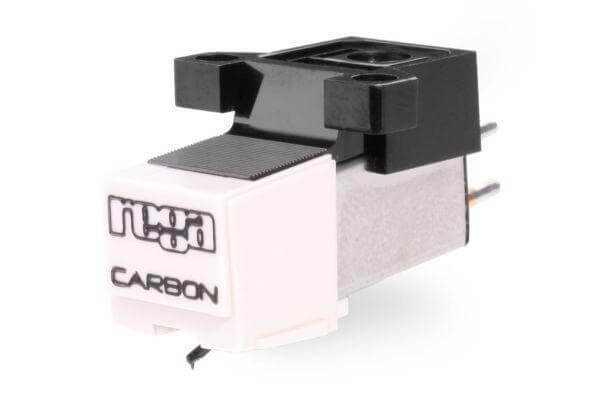
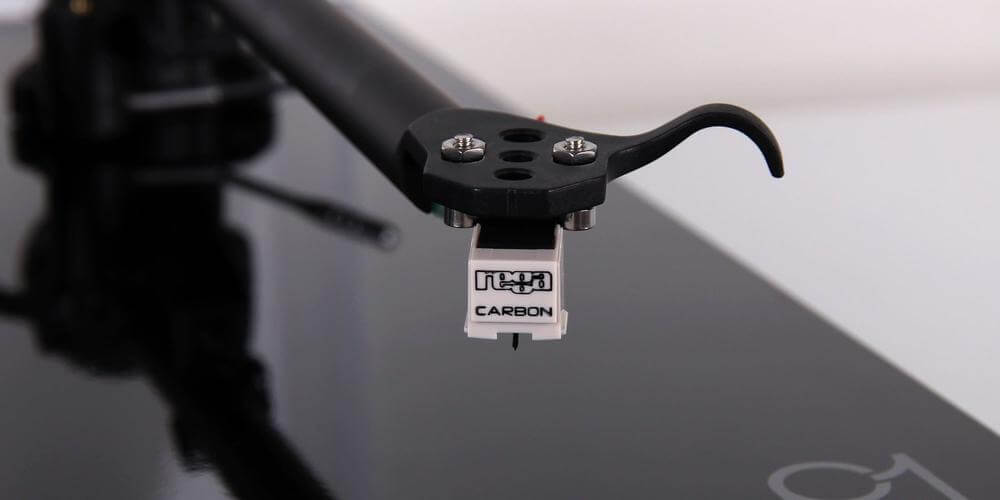
The Carbon is the moving magnet cartridge Rega fits as standard to the Planar 1, Planar 1 Plus and Planar 2, and it's a reasonable place to stay if you're using one of those turntables and don't yet have a system built around getting more detail from a record. Its stylus is user-replaceable, so a worn Carbon can be refreshed without buying a new cartridge body. Once you're using a Planar 2 or above and want to hear more than the entry-level setup can extract, the Nd-series is the next step up, since the Nd3 is offered as a factory-fitted option on the same Planar 2.
Which Nd-series cartridge suits your turntable?
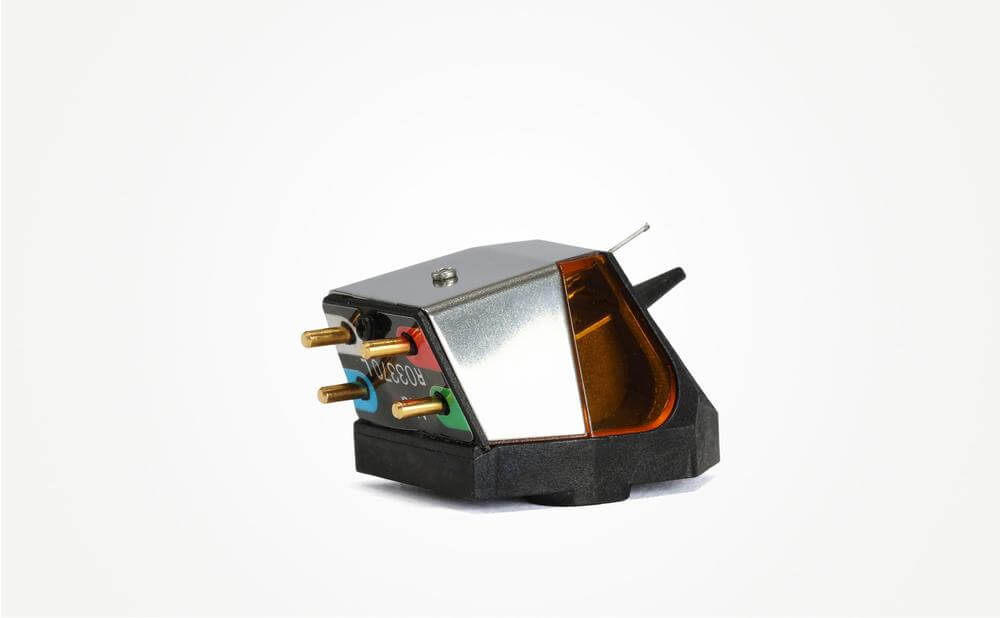
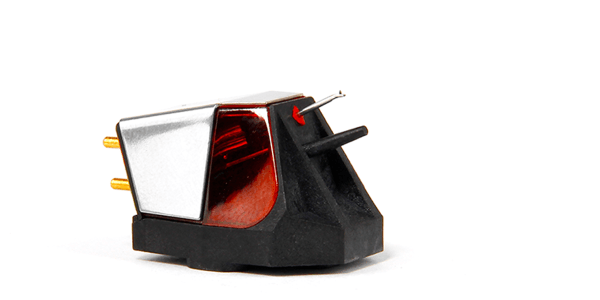
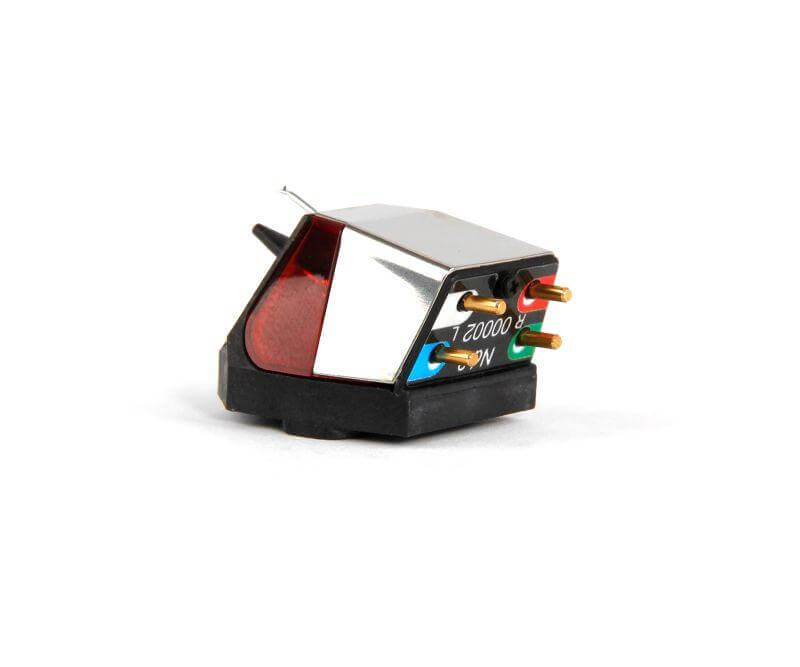
The Nd3, Nd5 and Nd7 are the moving magnet cartridges to choose between once you're past the Carbon, and Rega ties each to specific turntables: the Nd3 is offered factory-fitted on the Planar 2 and Planar 3, the Nd5 on the Planar 3 and Planar 6, and the Nd7 on the Planar 6 and Planar 8. If you already know which turntable you're buying, that turntable tells you which Nd cartridges are available as a factory option; if you're choosing between Nd5 and Nd7 on a Planar 6, the Nd7 is the more capable of the two, built with a finer stylus profile intended to retrieve more detail from the groove, while the Nd5 is the more accessible step up from Carbon or Nd3. The Nd9 sits above both as Rega's reference moving magnet cartridge, fitted as standard to the Planar 6 RS Edition and offered as a factory option on the Planar 8, for a buyer who wants the most Rega offers in moving magnet before considering moving coil.
When does it make sense to move up to a moving coil cartridge?
Moving coil is the step beyond the Nd-series, and Rega only offers it as a factory option on the Planar 6 and Planar 8, with the Ania and Ania Pro available on both and the Apheta 3 offered on the Planar 8. The decision to move up isn't just about the cartridge itself: a moving coil cartridge needs a phono stage or amplifier with moving coil gain and loading rather than a moving magnet-only stage, so choosing the Ania Pro or Apheta 3 means budgeting for a compatible phono stage, such as the Fono MC or Aura MC Ref, or a step-up transformer, at the same time. If your amplifier or phono stage only handles moving magnet cartridges, staying with an Nd-series cartridge avoids that extra purchase; if you're already running, or planning to run, an MC-capable phono stage, the Ania Pro on a Planar 6 or the Apheta 3 on a Planar 8 is the natural next step.
What's the practical difference between the Ania and Ania Pro?
Both the Ania and Ania Pro are moving coil cartridges built around a PPS body and a hand-wound micro coil, and either can be factory-fitted to the Planar 6 or Planar 8. The Ania uses an elliptical stylus profile, while the Ania Pro steps up to a Vital profile nude diamond stylus and a more powerful neodymium magnet, positioning it as the cartridge to choose if you want more from the same turntable rather than needing to move up a model. The Ania Pro's output is lower than a moving magnet cartridge, so whichever phono stage you pair it with needs to be set to handle its specific load impedance and gain requirements rather than left on a generic moving magnet setting.
Which Rega Phono Stage Do You Need?
Does a Rega turntable without a built-in phono stage need a separate unit?
Most Rega turntables, including the Planar 1, Planar 2, Planar 3 and Planar 6, connect via standard RCA phono outputs and need either an amplifier with a built-in phono input or a separate phono stage to bring the cartridge's signal up to line level. The Planar 1 Plus is the exception, since its built-in moving magnet phono stage removes this requirement. For owners without a phono input on their amplifier, Rega's Fono Mini A2D is a dedicated moving magnet phono stage compatible with all MM cartridges, with USB output and analogue-to-digital conversion functionality built in. The Fono MM is a separate dedicated moving magnet phono stage, also compatible with all MM cartridges, with simpler connectivity for buyers who don't need the Fono Mini's USB output.
Rega Amplifiers & Digital Components
Which Rega amplifiers include a built-in phono stage?
Several Rega amplifiers include an integrated moving magnet phono stage, removing the need for a separate phono stage when running a moving magnet cartridge. The Io delivers 30W per channel into 8 ohms with two line inputs, an integrated MM phono stage and a headphone socket. The Elex steps up to 72W per channel into 8 ohms with four line inputs, two digital inputs and an integrated MM phono stage, while the Elicit increases this to 105W per channel into 8 ohms with the same input configuration plus an advanced pre-amplifier stage. The Aethos, by contrast, offers 125W per channel into 8 ohms with five line inputs and a direct input, but its specification doesn't include an integrated phono stage, so an Aethos owner running a turntable without its own phono stage would need a separate unit such as the Fono Mini A2D or Fono MM.
Which Rega System Should You Build?
What does a first vinyl system look like?
A first system pairs the Planar 1 Plus with an amplifier that has a line-level input, since the Planar 1 Plus's built-in moving magnet phono stage means it doesn't need a separate phono stage to reach an amplifier such as the Io, which itself adds an integrated MM phono stage and a headphone socket if you later add a turntable without one. If you'd rather choose your own phono stage independently, the standard Planar 1 paired with the Fono Mini A2D and an amplifier of your choice gives the same starting point with the phono stage kept separate.
What does an enthusiast system look like?
An enthusiast system builds around the Planar 3 with the Nd5 cartridge factory-fitted, connected to a dedicated phono stage such as the Fono MM rather than relying on an amplifier's built-in stage. This combination uses the Planar 3's RB330 tonearm and double brace plinth with a cartridge built for it specifically, and a dedicated phono stage gives more headroom for a future cartridge change than an amplifier's fixed internal stage.
What does a moving coil system look like?
A moving coil system starts with the Planar 6 fitted with the Ania Pro cartridge, since both are confirmed compatible as a factory-fitted pairing, connected to a phono stage built for moving coil gain and loading, such as the Fono MC, rather than a moving magnet-only stage. The Planar 6's foam-core plinth and included Neo PSU give the speed accuracy and rigidity the Ania Pro's finer stylus profile is designed to take advantage of.
What does a reference-level analogue system look like?
A reference-level system moves up to the Planar 8, fitted with the Apheta 3 moving coil cartridge as a factory option, paired with a phono stage positioned at Rega's reference tier, such as the Aura MC Ref. This combination uses the Planar 8's RB880 tonearm and triple-layer platter, the most developed tonearm and platter engineering covered on this page, with a cartridge and phono stage chosen to match rather than added as an afterthought.
Frequently Asked Questions About Rega
Do Rega turntables include a phono stage?
Not as standard, with one exception. The Planar 1 Plus has a built-in moving magnet phono stage, connecting straight to a line-level input. The Planar 1, Planar 2, Planar 3 and Planar 6 all connect via RCA phono outputs and need either an amplifier with a built-in phono input, such as the Io, Elex or Elicit, or a separate phono stage such as the Fono Mini A2D or Fono MM.
Which Rega turntable is best for beginners?
The Planar 1 and Planar 1 Plus are designed for the fastest possible setup, with pre-set tonearm bias and a factory-fitted, factory-aligned Carbon cartridge that doesn't need adjustment by the owner. The Planar 1 Plus additionally removes the need to source or connect a separate phono stage, making it the more self-contained option of the two for a first turntable.
Can I upgrade the cartridge later?
It depends on the model. The Planar 1 and Planar 1 Plus ship with the Carbon cartridge factory-fitted, and Carbon's stylus is user-replaceable, though the cartridge body itself is supplied as a fixed fitment. From the Planar 2 upwards, Rega offers a factory-fitted cartridge option at the point of purchase, choosing between Nd-series and, on the Planar 6 and Planar 8, moving coil cartridges, and the Planar 8 can also be ordered without a cartridge fitted at all so the buyer can fit one independently.
Which Rega turntable works with moving coil cartridges?
The Planar 6 and Planar 8 both offer the Ania Pro moving coil cartridge as a factory-fitted option, and the Planar 8 additionally offers the Apheta 3 moving coil cartridge. Fitting a moving coil cartridge to either model means pairing it with a phono stage or amplifier that supports moving coil gain and loading, rather than a moving magnet-only stage.
Planar 3 or Planar 6?
The Planar 3 and Planar 6 both use the RB330 tonearm, so the deciding factors are plinth construction, power supply and cartridge options rather than tonearm tracking ability. The Planar 6 moves to a Tancast 8 foam-core plinth in place of the Planar 3's acrylic laminate, includes the Neo PSU as standard rather than as a separate purchase, and opens up the option of fitting the Ania Pro moving coil cartridge. A buyer who wants electronic speed switching and fine speed adjustment included from the outset, or who's planning to fit a moving coil cartridge, should choose the Planar 6; a buyer who's happy with a manual-speed turntable and a moving magnet cartridge can stay with the Planar 3.
Planar 6 or Planar 8?
The Planar 6 and Planar 8 share the same foam-core plinth philosophy and Neo PSU, but the Planar 8 fits the RB880 tonearm in place of the RB330 and uses a triple-layer float glass platter rather than the Planar 6's dual-layer platter, with the outer dustcover frame removed to reduce mass further. The Planar 8 also opens up the Apheta 3 moving coil cartridge option, which isn't offered on the standard Planar 6. A buyer wanting the RB880 tonearm or Apheta 3 compatibility should look to the Planar 8 or the Planar 6 RS Edition, which fits the same RB880 tonearm in the classic Planar 6 form factor with a Nd9 cartridge factory-fitted.
Do I need a Rega phono preamp?
If the turntable doesn't have a built-in phono stage, such as the Planar 1, Planar 2, Planar 3 or Planar 6, yes, either via an amplifier with a built-in MM phono stage such as the Io, Elex or Elicit, or via a separate unit such as the Fono Mini A2D or Fono MM. The Planar 1 Plus is the only turntable in this range with its own built-in phono stage, so it doesn't need a separate preamp for moving magnet use. Any turntable fitted with a moving coil cartridge, such as the Ania Pro or Apheta 3 on the Planar 6 or Planar 8, needs a phono stage or amplifier that specifically supports moving coil gain and loading rather than a moving magnet-only stage.
23 products
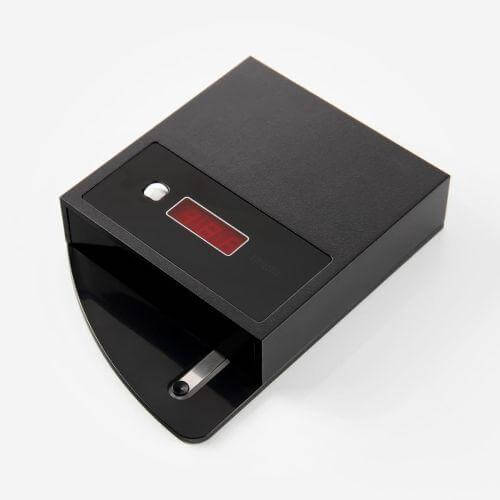
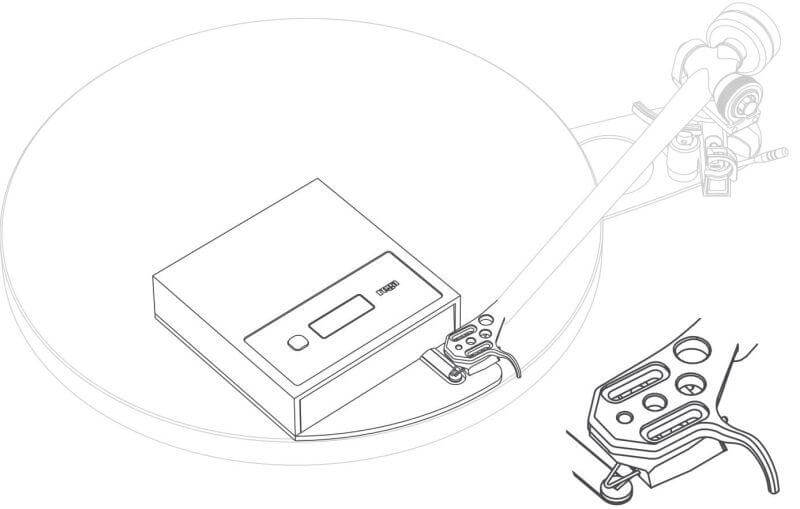
Rega Atlas Tracking Force Gauge MK2
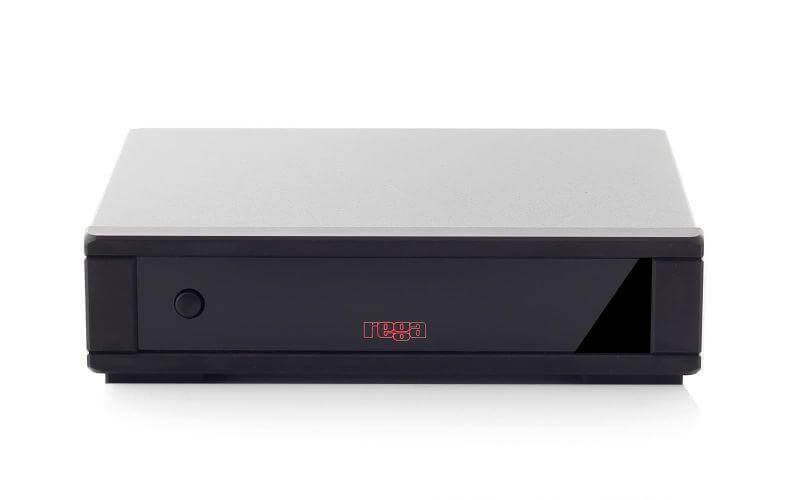
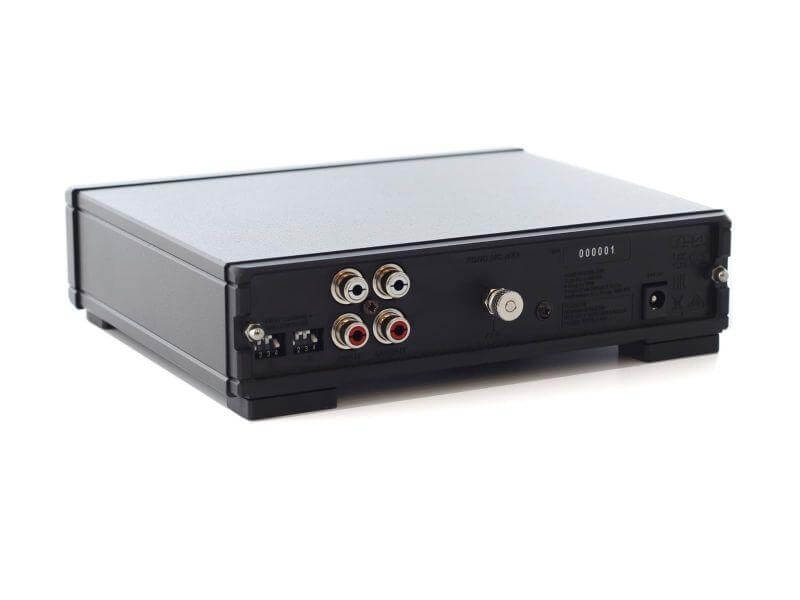
Rega Fono MC MK4 MC Phono Stage
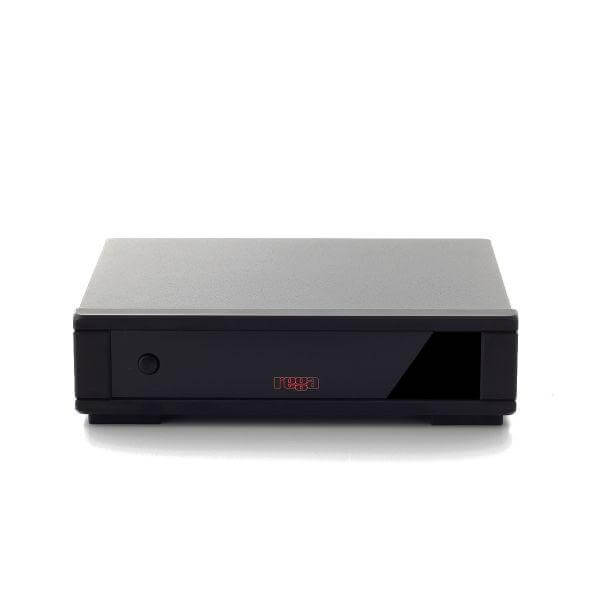
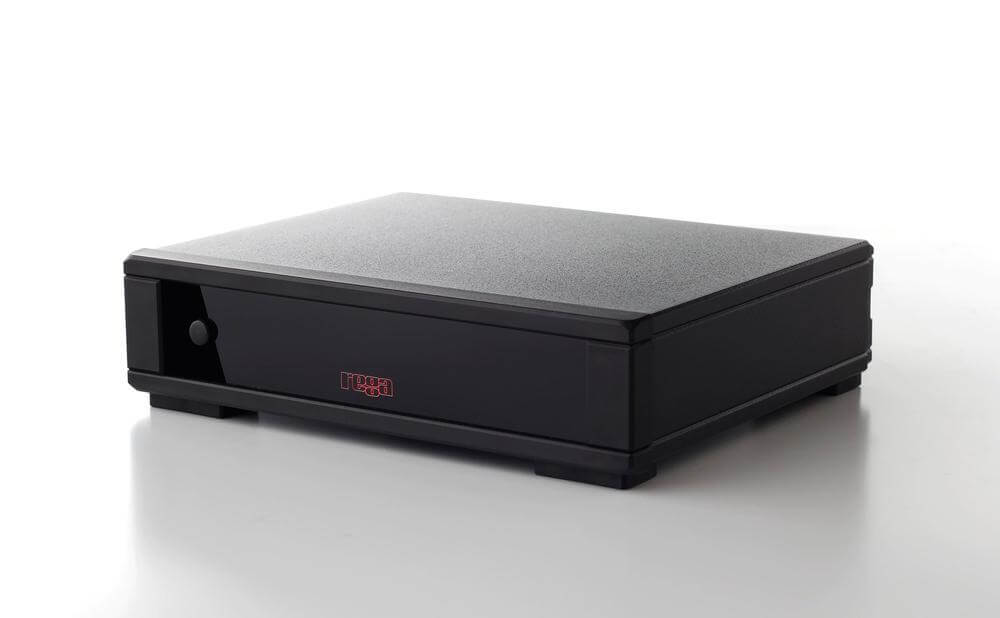
Rega MM MK5 Phono Preamplifier
Rega Fono Mini A2D
Rega Nd9 Moving Magnet Cartridge
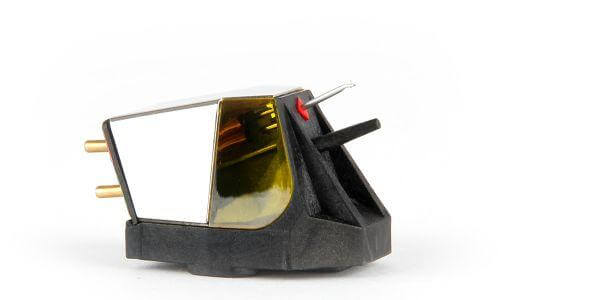
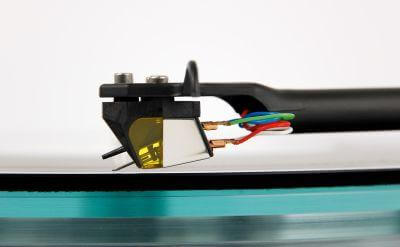
Rega Nd7 Moving Magnet Cartridge
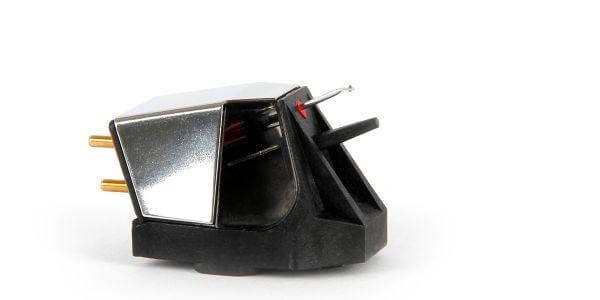
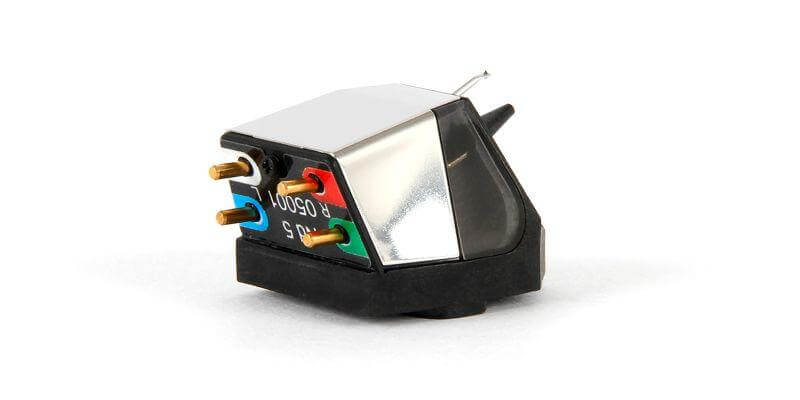
Rega Nd5 Moving Magnet Cartridge
Rega Nd3 Moving Magnet Cartridge
Rega Carbon MM Cartridge
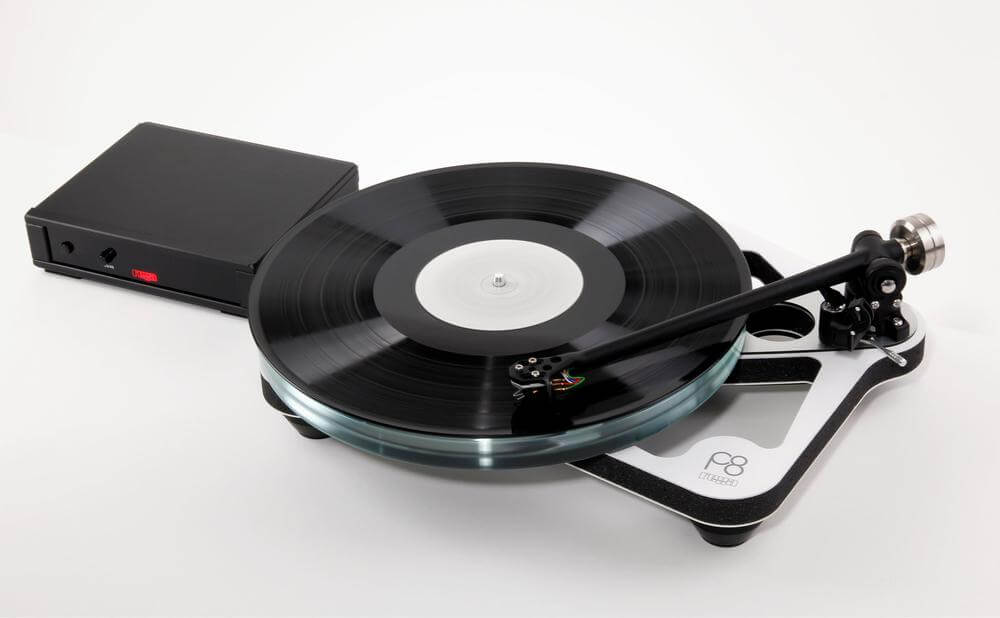
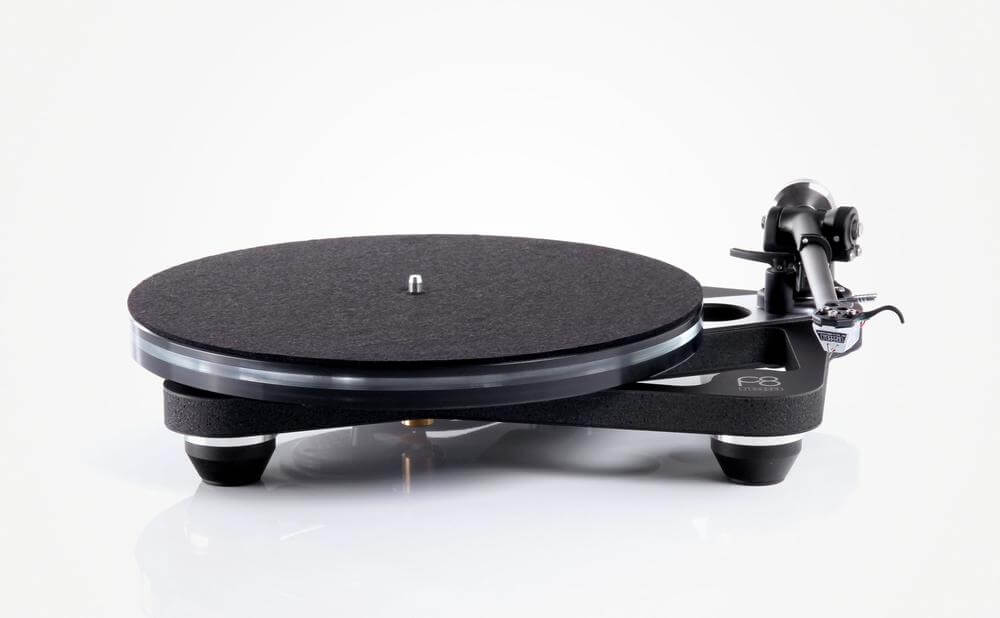
Rega Planar 8 Turntable (without cartridge)
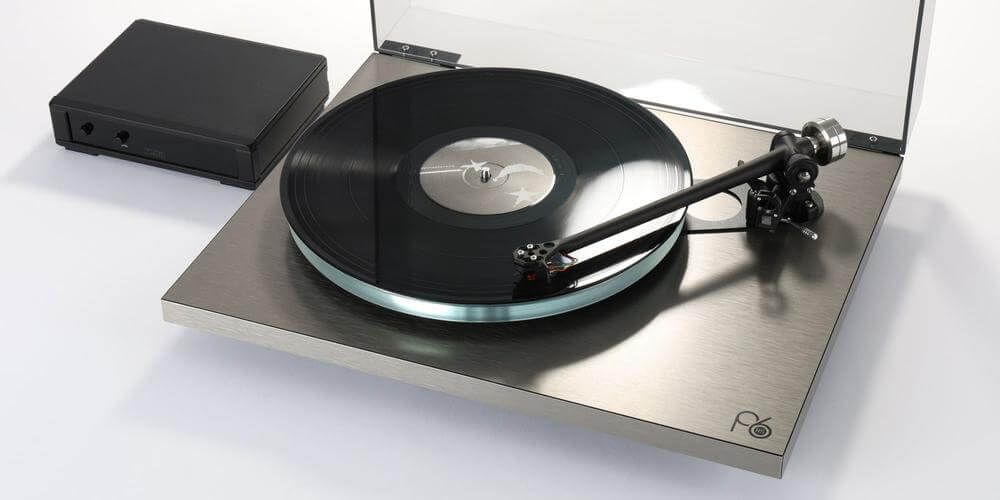
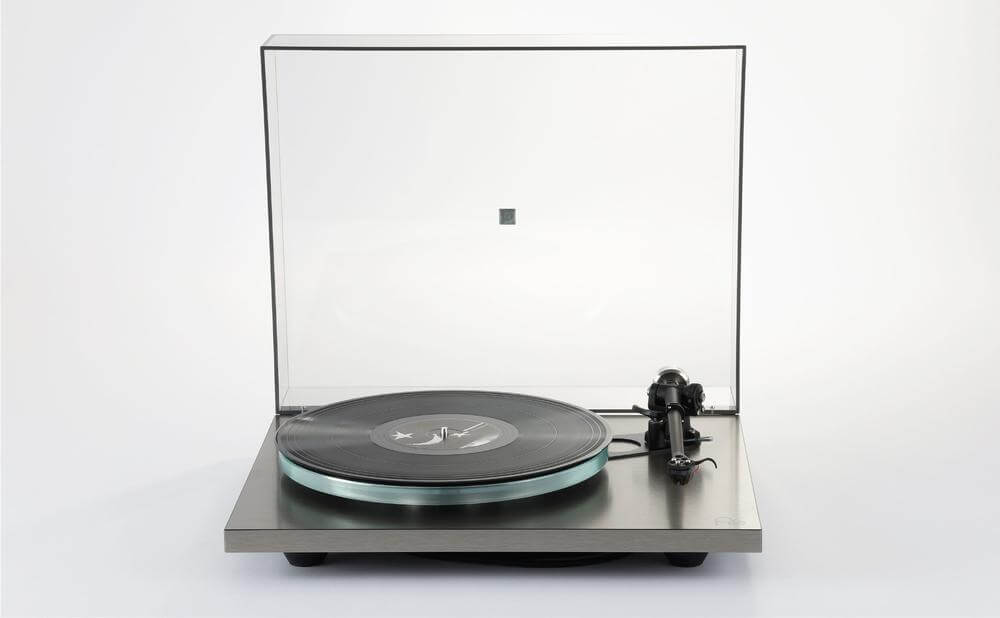
Rega Planar 6 RS Turntable & ND9 Cartridge

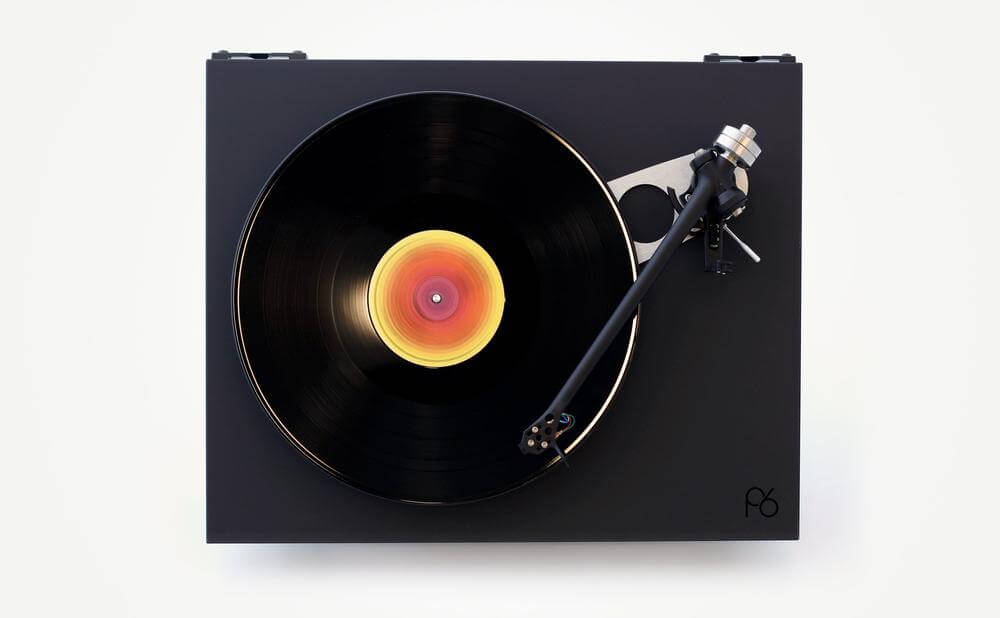
Rega Planar 6 Turntable (with Ania Pro Cartridge)

Rega Planar 6 Turntable (with ND7 & Neo PSU)
Rega Planar 6 Turntable (with ND5 & Neo PSU)
Rega Planar 6 Turntable (without cartridge)
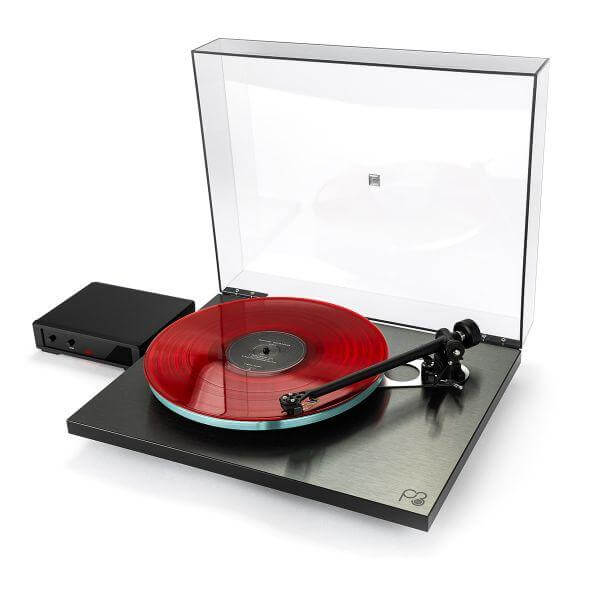
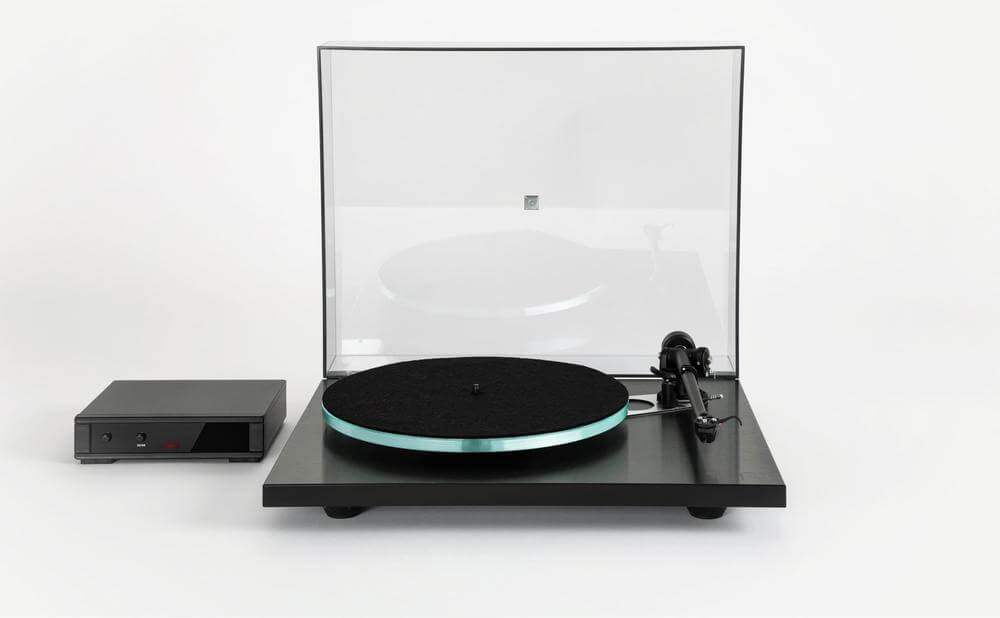
Rega Planar 3 Turntable RS (with ND5 Cart and Neo PSU)
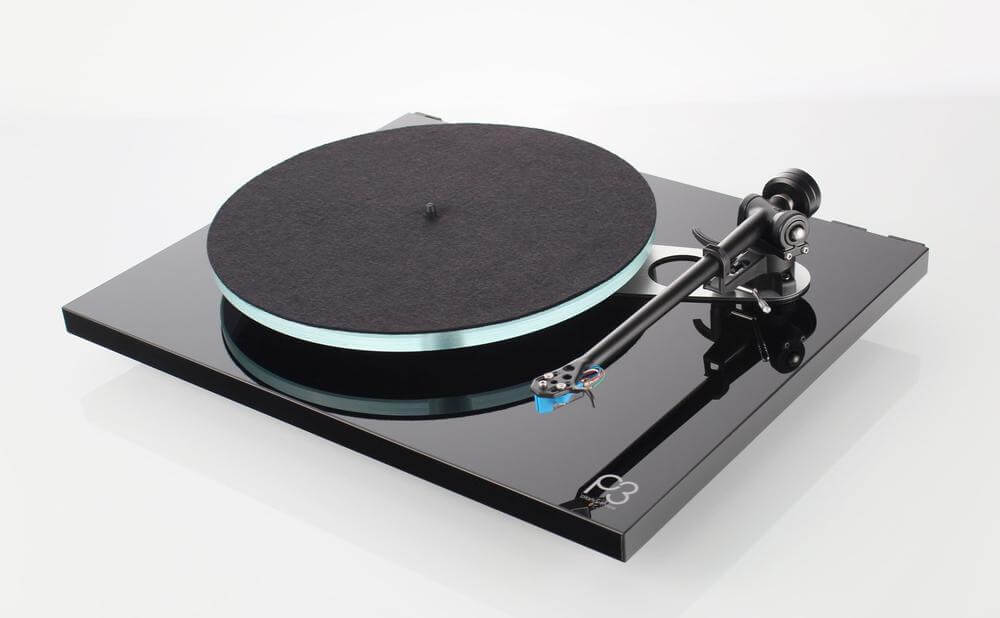
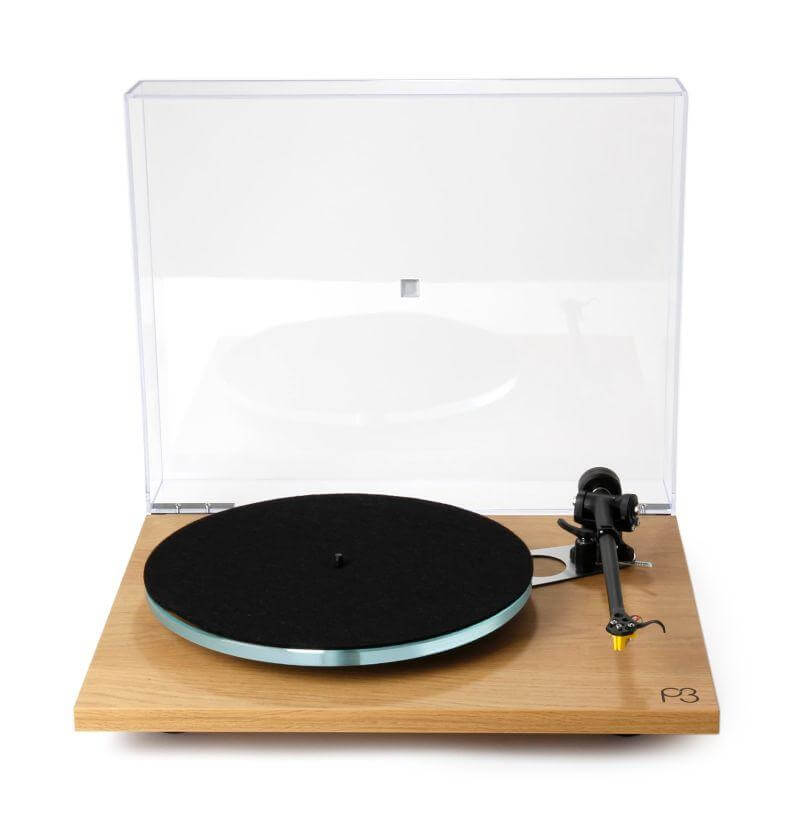
Rega Planar 3 (ND5 cartridge) Turntable
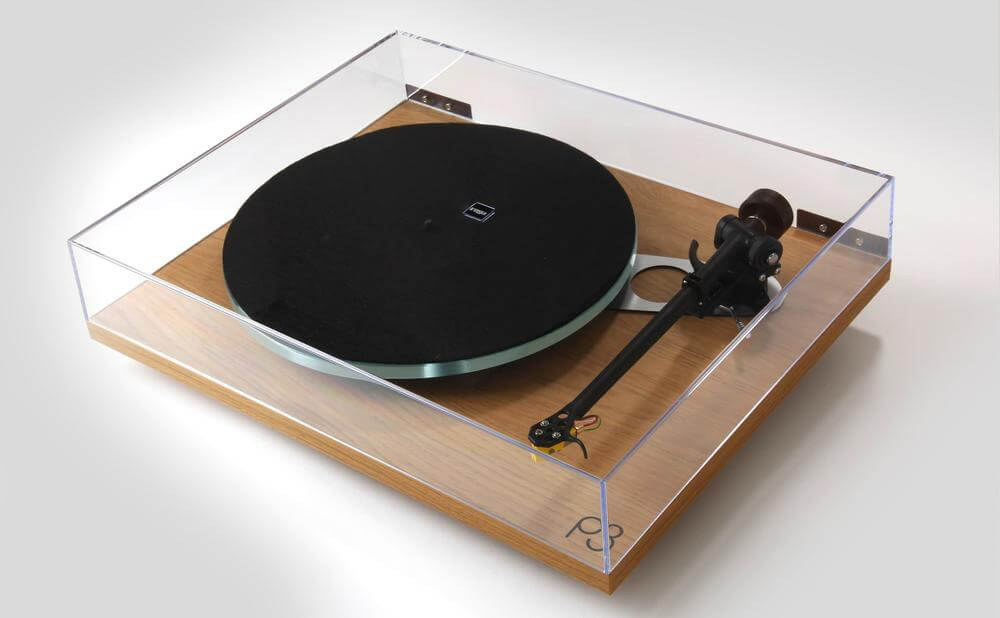
Rega Planar 3 (ND3 cartridge) Turntable
Rega Planar 3 Turntable (without cartridge)
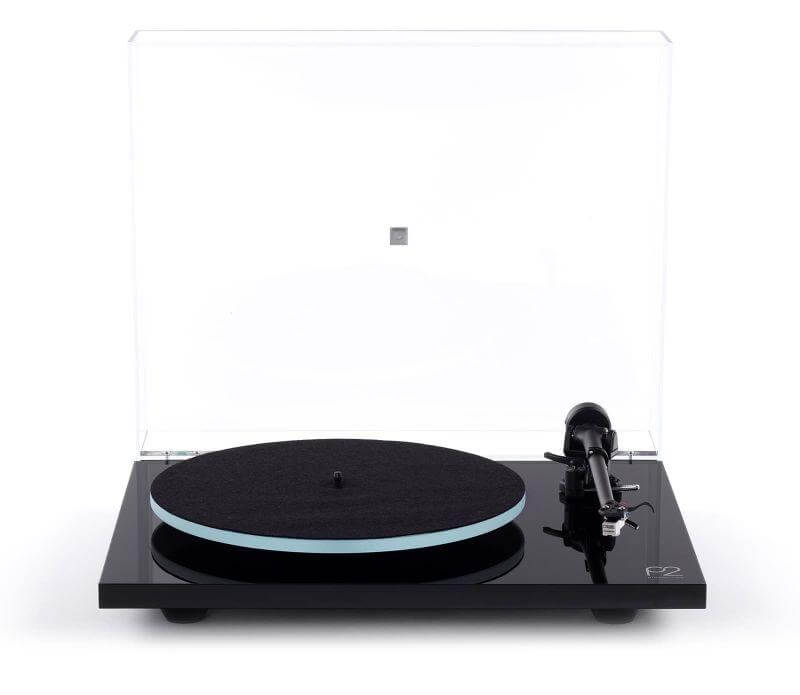
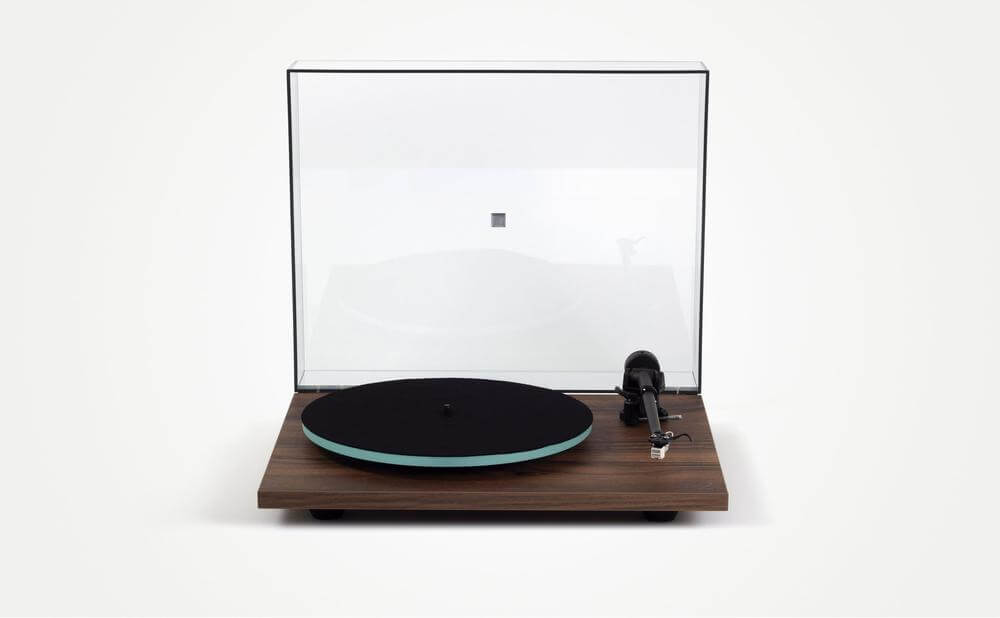
Rega Planar 2 (ND3) Turntable
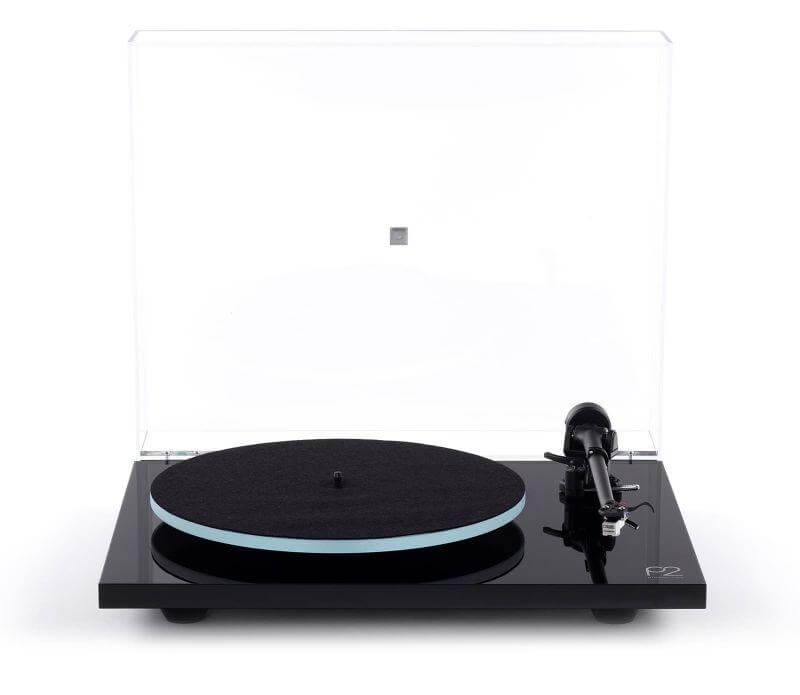
Rega Planar 2 Turntable
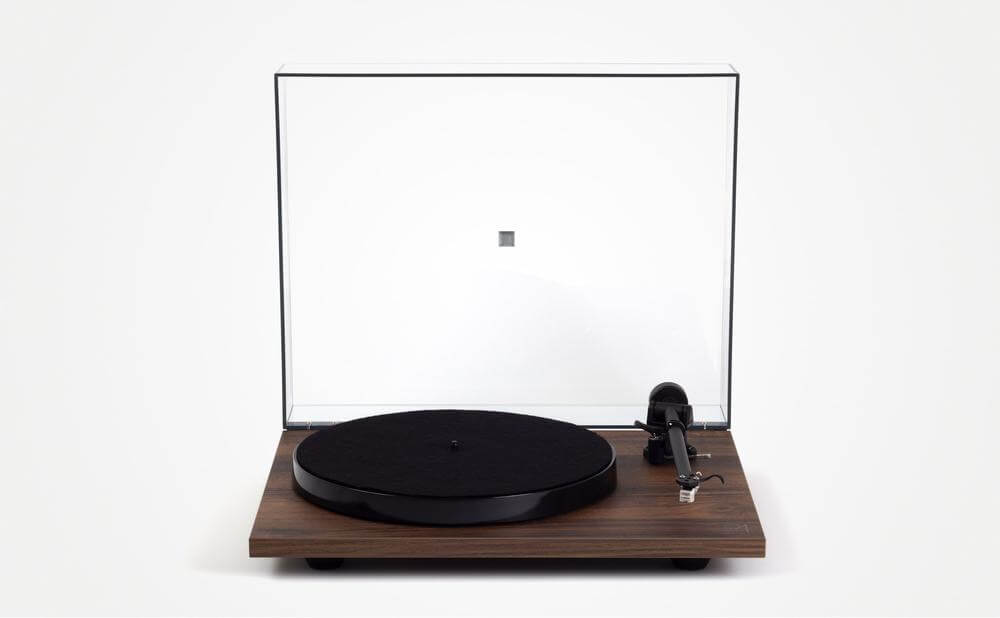

Rega Planar 1 Plus Turntable