Rega Planar 1 Plus Turntable
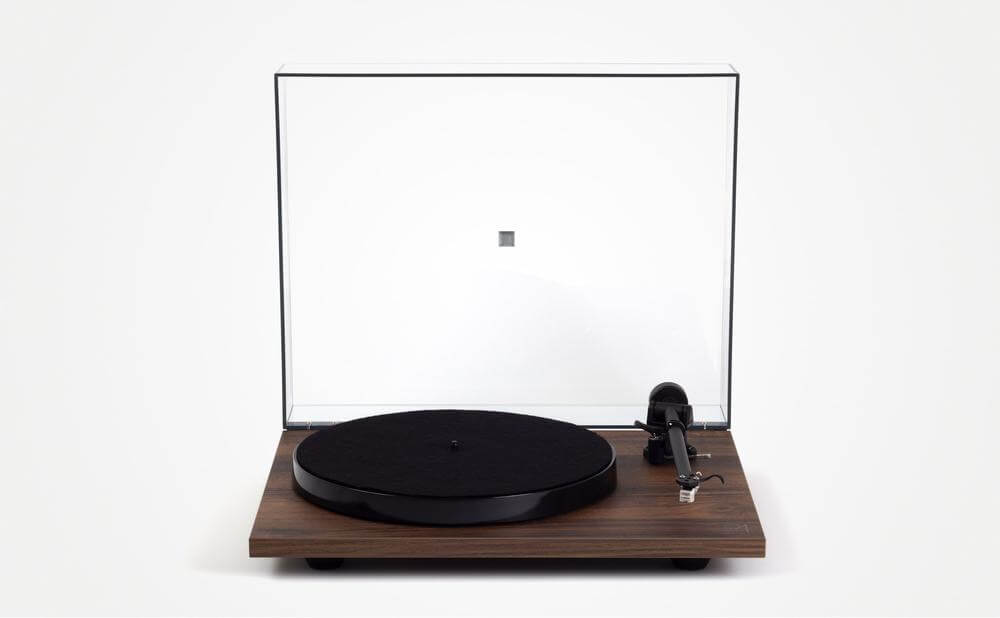
The Rega Planar 1 Plus turntable is a fully integrated, ready-to-connect vinyl playback system built around the original Planar 1 platform with a factory-fitted moving magnet phono stage added in. Rega designed this addition specifically so the turntable can be wired straight into any line-level input on an amplifier, music system, or active speaker, removing the need to source or budget for a separate phono pre-amplifier. This makes the Planar 1 Plus the company's most accessible turntable for someone moving into vinyl for the first time, or for an existing owner who wants a straightforward upgrade path from a standard Planar 1 without adding extra boxes to a system.
Who is the Planar 1 Plus designed for?
The Planar 1 Plus suits a buyer who wants to start playing vinyl without assembling a separate chain of components. Because the phono stage sits inside the plinth, the turntable connects directly to any amplifier or system with a standard line-level input, using either the supplied twin phono-to-phono lead or an optional phono-to-3.5mm lead for compact systems and powered speakers. Anyone who already owns a phono stage, or who plans to upgrade to one later, should instead look at the standard Planar 1, since the Plus model's built-in stage is not designed to be bypassed or removed.
How does the built-in phono stage affect compatibility?
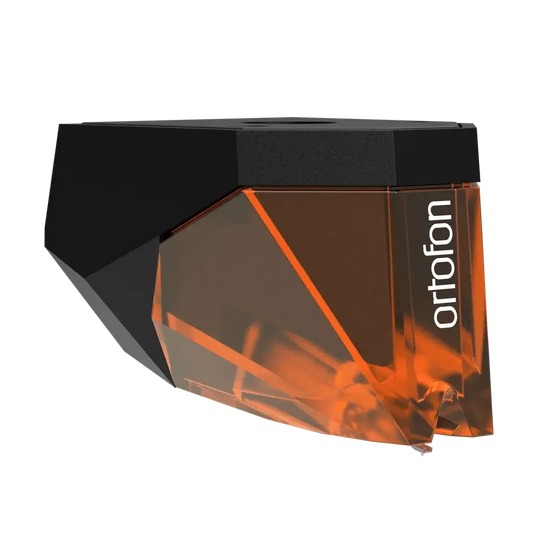
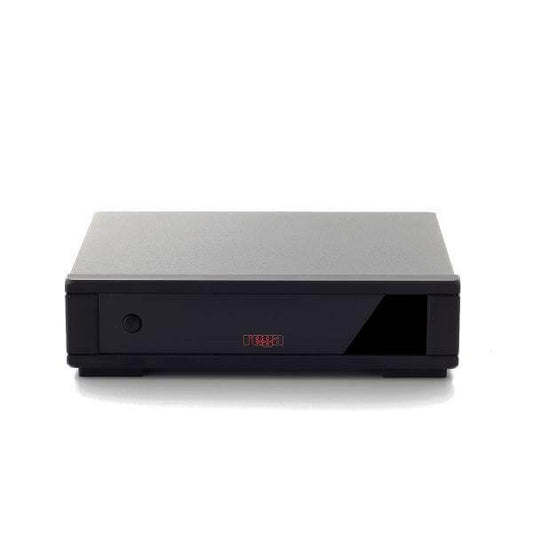
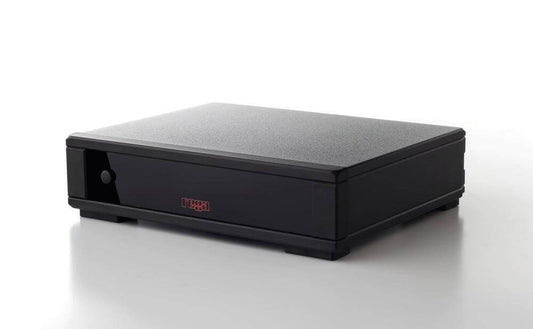
Rega built the internal phono stage around the design of its multi-award-winning Fono Mini, configured specifically for moving magnet cartridges. Its job is to raise the low-level signal coming from the Rega Carbon cartridge up to line level, so the signal arriving at the amplifier is already in a format the amplifier can handle. This is the core differentiator over the standard Planar 1: it determines what the turntable can connect to, what additional equipment a buyer does or doesn't need to budget for, and why this model is described as Plug and Play rather than requiring system matching against a separate phono stage.
What setup is required before first use?
Little is required, because Rega pre-configures the parts that normally need calibration. The RB110 tonearm comes with a pre-set bias assembly, so there's no need to set anti-skate manually, and it's supplied with a 111g balance weight sized for the factory-fitted cartridge. The Rega Carbon moving magnet cartridge is fitted and aligned at the factory rather than by the owner. Together, this means a buyer takes the Planar 1 Plus out of the box, connects the supplied lead to an amplifier, and is playing records without needing a protractor, a tracking-force gauge, or prior turntable setup experience.
What tonearm does the Planar 1 Plus use, and why does it matter?
The Planar 1 Plus uses Rega's hand-assembled RB110 tonearm, built with Rega's own ultra-low-friction bearings. Lower bearing friction means the arm tracks the record groove with less resistance, which matters for how accurately the stylus follows the modulations cut into the vinyl. Rega has also redesigned the headshell to be stiffer than previous versions, improving how rigidly the cartridge is held in the arm. A stiffer headshell-to-arm connection reduces unwanted flex at the point where the stylus signal originates, which is relevant to anyone comparing tonearm quality across entry-level turntables.
What drives the platter, and how does it affect speed stability?
A 24V, low-noise synchronous AC motor drives the platter via Rega's EBLT (Etched Belt) drive belt. The motor sits on a new motor PCB with an aluminium pulley, a combination Rega designed to lower motor noise and improve speed consistency. The EBLT belt itself is engineered to improve speed accuracy over earlier belt types. Speed stability matters directly to playback: any variation in platter speed shows up as pitch instability in the music, so the motor and belt working together are central to how reliably the record spins at the correct rate.
What is the platter made from, and what does that contribute?
The platter is a 23mm phenolic resin disc, a material Rega selected for its flywheel effect, where the platter's mass helps it maintain constant rotational speed once up to speed, smoothing out small fluctuations from the motor and belt. This links directly to the speed stability the motor and belt are also engineered to deliver; the platter mass is the third part of that same speed-consistency system rather than a separate consideration.
How is the bearing built, and why does that matter for long-term ownership?
A precision brass main bearing houses the spindle on which the platter rotates. Rega has built this with patent-pending refinements intended to improve the fit between bearing components and to reduce stress at the bearing itself, which limits how much unwanted energy transfers up into the platter and, from there, into the stylus-groove interface. For an owner, a well-engineered bearing of this kind is a long-term wear consideration rather than a setup one, since it's a component that runs continuously every time a record plays.
What isolation does the turntable use, and why does it matter for placement?
The Planar 1 Plus sits on a redesigned set of feet, intended to improve stability and reduce vibration transfer between whatever surface the turntable is placed on and the platter and tonearm above it. Reducing vibration transfer at the feet is one of the first lines of defence against external vibration reaching the stylus, which is relevant to anyone deciding where in a room or on what type of shelf or stand to position the turntable.
Does the motor generate heat that needs managing?
The motor sits beneath a motor cover tray with integrated cooling. This is a practical, ownership-relevant detail for anyone running the turntable for extended listening sessions, since the cover is designed to manage heat from the motor during continuous operation.
What finishes does the Planar 1 Plus come in?
The plinth is available in matt black, matt white, or a walnut effect matt finish, the last of which was introduced as a new option and is supplied with a smoked dustcover as standard, where the black and white versions are not. The on/off switch is positioned on the underside of the plinth across all three finishes, keeping the top surface uncluttered.
What warranty applies, and what does it cover?
Rega covers the Planar 1 Plus under its lifetime limited warranty, which applies to confirmed manufacturing defects on products designed and assembled in the UK. It does not cover wear and tear or consumable parts, such as the stylus, and unauthorised modification or failure to follow the guidelines in the product manual can invalidate the cover. Warranty terms can vary by country of sale, so buyers should confirm specifics with their local Rega retailer or distributor.
How does the Planar 1 Plus compare to the standard Planar 1?
The Planar 1 Plus shares its tonearm, motor, belt, platter, bearing, and cartridge with the standard Planar 1; the difference is the integrated MM phono stage built into the Plus. A buyer who already owns a phono stage, or who wants to choose and upgrade a phono stage independently later, gets no benefit from paying for one built into the plinth and should choose the standard Planar 1 instead. A buyer who wants one connection from turntable to amplifier, with no separate phono stage to source, wire, or earth, is the intended audience for the Plus. Anyone wanting to move beyond the Rega Carbon cartridge or RB110 tonearm at a later date would be looking at Rega's higher Planar models, such as the Planar 2 or Planar 3, which are built around different tonearm and cartridge combinations rather than being direct upgrades within the Planar 1 platform itself.