Rega Planar 1 Turntable
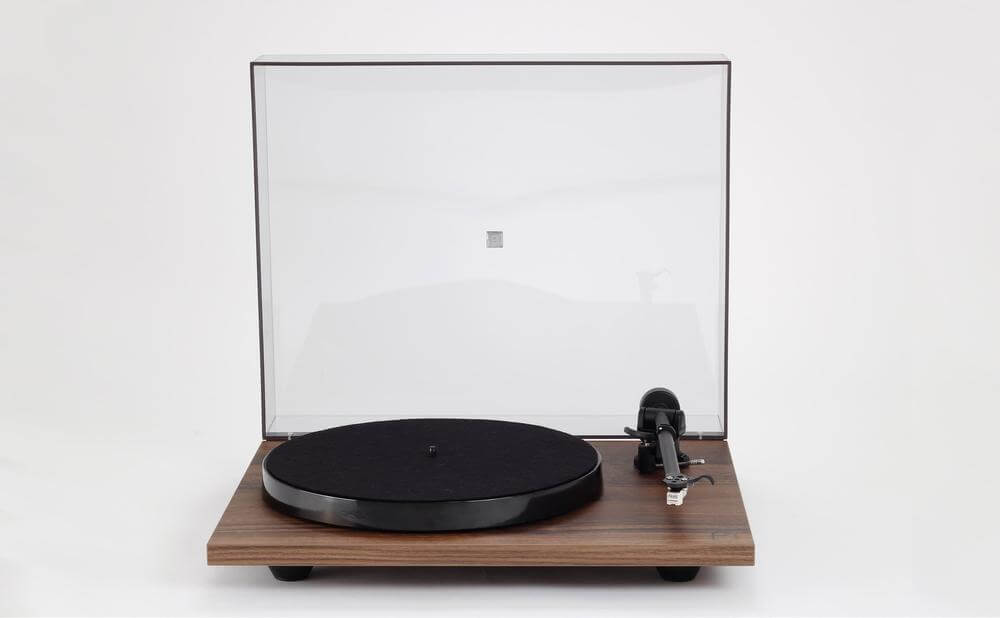
The Rega Planar 1 turntable is an entry-level, manual belt-drive deck built around Rega's RB110 tonearm and a factory-fitted Rega Carbon moving magnet cartridge, designed so a buyer can take it out of the box and have it set up and playing in well under a minute. Rega positions the Planar 1 as a Plug and Play turntable, meaning the components a buyer would normally need to adjust or calibrate themselves, tonearm bias, cartridge alignment, and tracking weight, are already configured at the factory. This makes it suited to someone starting a vinyl system from scratch, or replacing an older deck, who wants a turntable that doesn't require prior setup experience or specialist tools.
Does the Planar 1 need a separate phono stage?
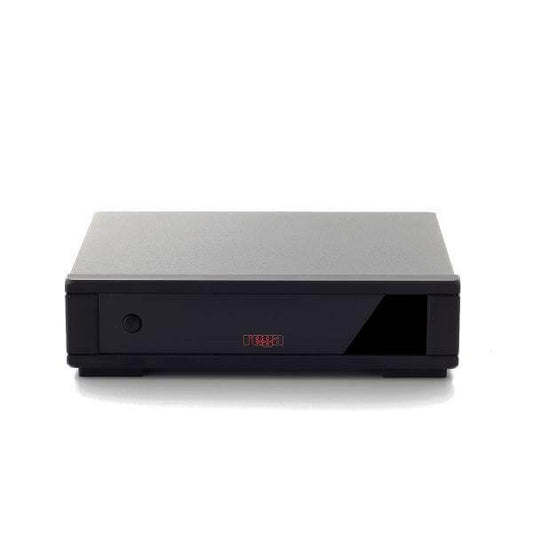
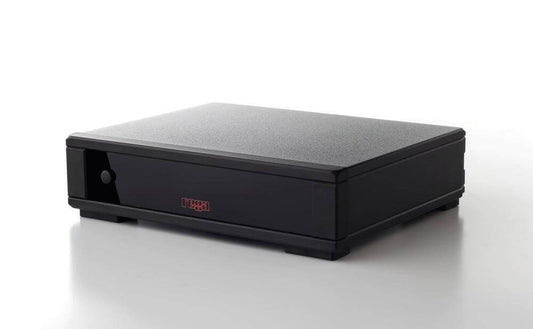
The Planar 1 does not include a built-in phono stage, so it needs to connect to an amplifier's dedicated phono input, or to an external standalone phono stage such as Rega's own Fono Mini A2D, before it can run into a line-level input. This is the key compatibility point separating the standard Planar 1 from the Planar 1 Plus, which has the phono stage built into the plinth. A buyer who already owns an amplifier with a phono input, or who wants to choose a phono stage separately as a future upgrade step, should choose the standard Planar 1 over the Plus; a buyer who wants one cable straight into a line-level input, with no separate phono stage to source, should look at the Plus instead.
How much setup does the Planar 1 require before first use?
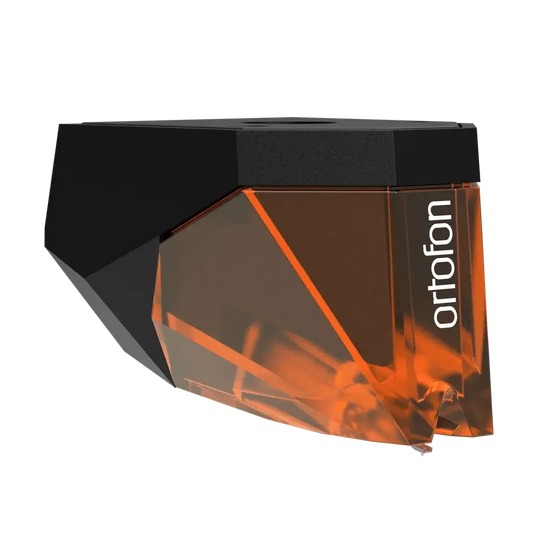
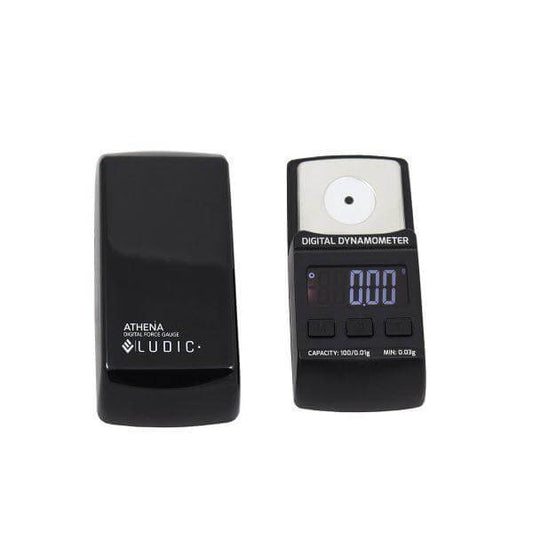
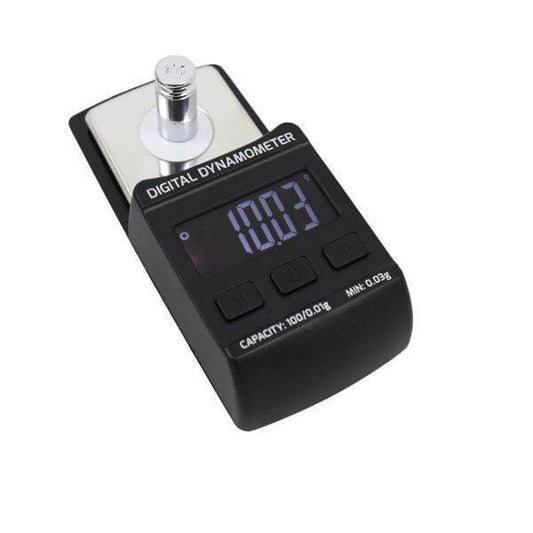
Very little. The RB110 tonearm comes with automatic bias adjustment, removing the need for the owner to set anti-skate by hand, and an integrated arm clip holds the arm secure during transit and handling. The Rega Carbon cartridge arrives factory-fitted and aligned, paired with a 111g balance weight sized specifically for it. Together, these mean a buyer connects the turntable to a phono input or external phono stage, fits the supplied belt and platter if not already assembled, and starts playing records without needing a cartridge alignment protractor or a separate tracking-force gauge.
What tonearm does the Planar 1 use, and why does it matter?
The Planar 1 uses Rega's hand-assembled RB110 tonearm, fitted with Rega-designed ultra-low-friction bearings. Lower bearing friction lets the arm follow the groove modulations on a record with less resistance, which affects how accurately the stylus tracks fine detail cut into the vinyl. The headshell has been ergonomically redesigned for easier cartridge handling and a cleaner overall appearance. Because the same RB110 arm and bearing design appears across this generation of entry-level Rega turntables, it's a fixed point of comparison rather than a variable when weighing the Planar 1 against other models in the range.
What drives the platter, and how does that affect speed stability?
A 24V, low-noise synchronous AC motor turns the platter via Rega's EBLT (Etched Belt) drive belt, the first time an entry-level Rega turntable has used this motor type. The motor runs from a new motor PCB with an aluminium pulley, a pairing Rega designed to cut motor noise and improve how consistently the platter holds speed. Speed consistency matters because any variation in rotational speed translates directly into pitch instability during playback, so the motor and belt are the first stage in keeping that speed steady.
What is the platter made from, and what does it contribute?
The Planar 1 platter is a 23mm phenolic resin disc, increased in mass over earlier versions, giving it a stronger flywheel effect: once the platter is up to speed, its own mass helps it resist small speed fluctuations from the motor and belt. This sits downstream of the motor and belt as the second stage of the same speed-stability system, rather than a separate feature in its own right.
How is the bearing built, and what does that mean for long-term ownership?
A brass main bearing houses the spindle, built with patent-pending refinements that improve the fit between bearing components and reduce stress at the bearing itself. Lower stress at this point limits how much unwanted energy transfers from the bearing up into the platter and on to the stylus-groove contact point. Since the bearing runs continuously every time the platter spins, its construction is a wear and longevity consideration for an owner rather than a setup one.
What isolation features does the Planar 1 use?
The turntable sits on a redesigned foot assembly intended to increase stability and reduce vibration transfer from the surface it stands on into the platter and tonearm above. This is relevant when deciding where to place the turntable, since reducing vibration at the feet is the first barrier against external vibration reaching the stylus.
Does the motor need cooling during use?
The motor sits beneath a cover tray with integrated cooling, a detail relevant to anyone running the turntable for long listening sessions, since it's designed to manage heat generated during continuous operation.
What finishes are available, and what's different about the Walnut effect option?
The Planar 1 comes in matt black, matt white, and a Walnut effect finish. The Walnut effect version uses the same high-rigidity premium laminate as the standard matt models and is supplied as standard with a smoked dustcover, where the black and white versions are not. All three finishes share the ergonomically positioned on/off switch on the underside of the plinth.
What warranty applies, and what does it cover?
The Planar 1 carries Rega's lifetime limited warranty, covering confirmed manufacturing defects on products designed and assembled in the UK. It doesn't cover wear and tear or consumable parts, such as the stylus, and unauthorised modification or failure to follow the product manual's guidelines can invalidate it. Warranty terms can vary by country of sale, so it's worth confirming specifics with a local Rega retailer or distributor.
How does the Planar 1 compare to the Planar 1 Plus and other entry points into the range?
The Planar 1 shares its RB110 tonearm, Carbon cartridge, 24V motor, EBLT belt, platter, and bearing with the Planar 1 Plus; the difference is the absence of a built-in phono stage. A buyer with an amplifier that already has a phono input, or who wants to select an external phono stage independently, such as the Fono Mini A2D, gets the same turntable performance from the Planar 1 at a lower starting point, with the freedom to upgrade the phono stage later without replacing the deck. A buyer who wants the simplest possible connection, with no separate phono stage to budget for or wire in, is better served by the Planar 1 Plus. Buyers wanting to move beyond the RB110 tonearm or Carbon cartridge altogether, for a different arm geometry or cartridge type, would be looking further up the range at models such as the Planar 2 or Planar 3, which are built around different tonearm and cartridge combinations rather than being direct upgrades within the Planar 1 platform.