
Bookshelf speakers and floorstanding speakers are two distinct loudspeaker types defined by cabinet size, driver configuration and acoustic output, each engineered to suit different rooms, systems and listening priorities. Understanding how these two speaker categories differ in design, performance and placement helps you choose a system that works with your space rather than against it.
What Are Bookshelf Speakers?
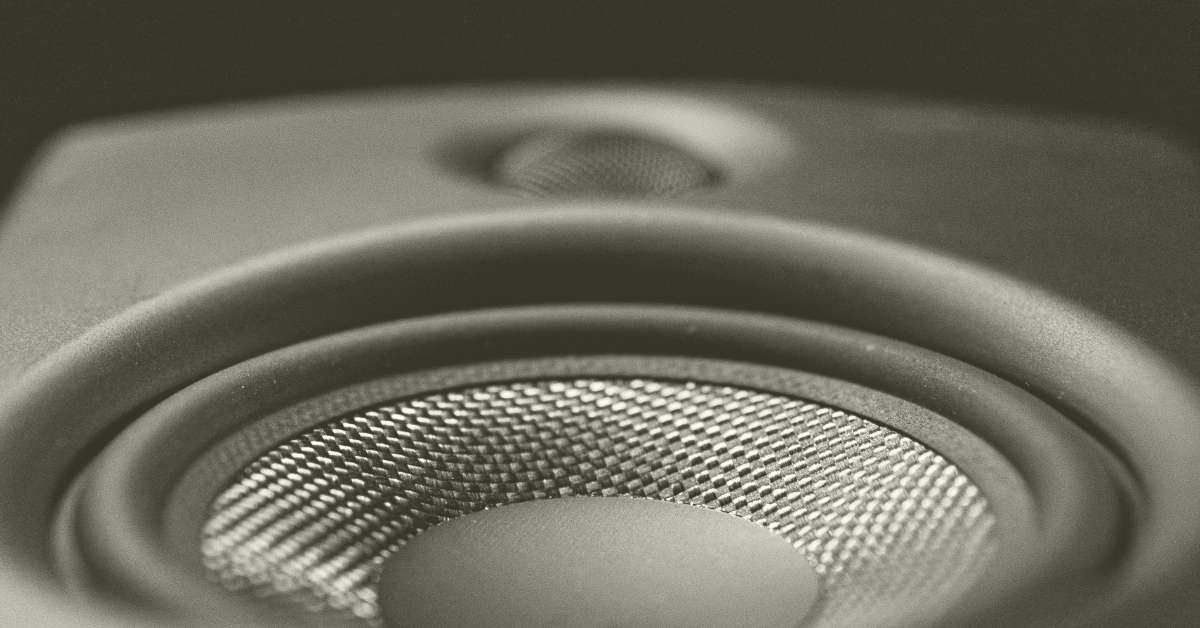
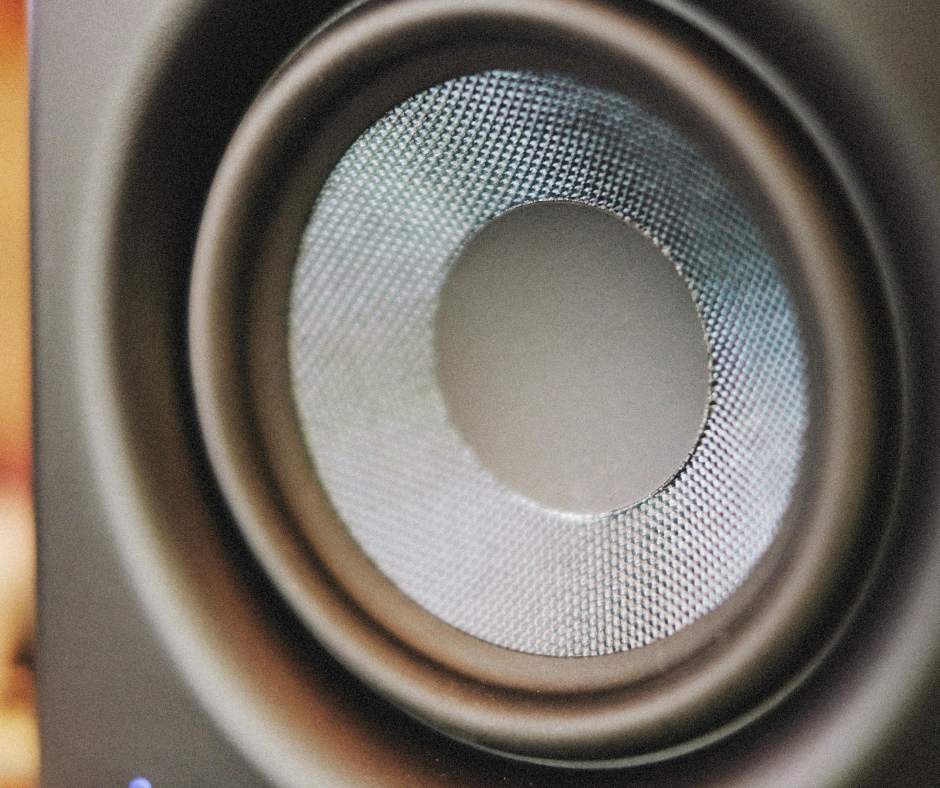
Bookshelf speakers – also known as standmount speakers, compact loudspeakers, mini-monitors or small-format speakers – use a relatively compact cabinet that typically houses a tweeter and a mid-bass driver. Their smaller enclosure reduces bass extension but enhances precision, imaging and flexibility in smaller rooms.
Most bookshelf designs are two-way:
- A tweeter for high frequencies (often a soft dome, metal dome or AMT)
- A mid-bass driver for the midrange and low frequencies
Some models add a passive radiator or use more complex three-way layouts, but the core principle remains: a compact enclosure optimised for clarity, imaging and controlled dispersion rather than outright power.
Key Characteristics of Bookshelf Speakers
- Compact size: Easy to position on dedicated stands, consoles or shelves
- Focused imaging: Strong stereo localisation and soundstage precision
- Controlled bass: Reduced risk of boom in smaller rooms
- Nearfield friendly: Ideal for closer listening distances (1–2 metres)
These traits make bookshelf speakers particularly attractive for smaller listening rooms, desktop hi-fi setups and listeners who prioritise tonal accuracy and imaging over sheer output and low-end weight. If you’re new to compact speakers, start with our guide on What Bookshelf Speakers?
What Are Floorstanding Speakers?
Floorstanding speakers – also called tower speakers, full-range loudspeakers or column speakers – use taller cabinets with multiple drivers dedicated to different parts of the frequency spectrum. Their increased internal volume allows deeper bass extension, higher output and a more powerful, room-filling presentation.
A typical floorstanding design may include:
- One or more dedicated woofers for bass
- A midrange driver handling vocal and instrumental detail
- A tweeter for treble and air
- Sometimes passive radiators or separate sub-bass drivers
The crossover network divides the incoming signal across these drivers, aiming for seamless integration and broad bandwidth.
Key Characteristics of Floorstanding Speakers
- Extended bass: Greater low-frequency reach and impact
- High SPL capability: Comfortable at higher listening levels
- Large soundstage: Wide, tall and deep presentation
- Room-filling scale: Suited to medium and large spaces
Tower speakers are usually the first choice for listeners who want cinematic dynamics, live-concert scale or full-range performance from a two-channel system without always relying on a separate subwoofer.
Design Differences: Drivers, Crossovers and Cabinets
The structural and engineering differences between bookshelf and floorstanding speakers are not just cosmetic; they directly affect how each type behaves acoustically.
Driver Layout and Frequency Handling
Bookshelf designs typically use:
- A single mid-bass driver handling bass and midrange
- A tweeter crossed over around 1.8–3 kHz
Floorstanding designs may use:
- Two or more woofers for bass authority
- A separate midrange driver for vocal clarity
- A tweeter for high frequencies
- More complex crossover networks with multiple crossover points
The result is that tower speakers can cover a wider frequency response and achieve greater dynamic range, while bookshelf speakers focus on coherence, timing and detail within a more limited bandwidth.
Cabinet Volume and Acoustic Behaviour
Cabinet volume – the internal air space inside the enclosure – is a key differentiator between the two categories.
Bookshelf cabinets offer:
- Tight, agile bass but with higher roll-off in the low frequencies
- Lower maximum output due to reduced air movement
- Greater reliance on placement and possibly a subwoofer for full-range playback
Floorstanding cabinets provide:
- Deeper low-frequency extension thanks to increased volume
- More effortless bass at moderate levels
- Higher efficiency in the lower octaves and more perceived “weight”
Both designs require careful cabinet bracing, damping and port tuning to control resonances and deliver clean, low-distortion sound.
Room Size, Placement and Listening Distance
One of the most practical differences between bookshelf and floorstanding speakers lies in how they interact with your listening room.
Bookshelf Speakers in Smaller Rooms
Compact speakers excel in:
- Small to medium-sized rooms where space is limited
- Nearfield setups with the listener seated 1–2 metres away
- Situations where bass control is more important than deep extension
Their reduced low-frequency energy can actually be an advantage in untreated rooms, as it minimises room modes, standing waves and boominess. For placement specifics, see our Bookshelf Speaker Placement Guide.
Floorstanding Speakers in Medium and Large Rooms
Floorstanders thrive in:
- Medium to large listening rooms and open-plan spaces
- Listening distances of 2.5–4 metres or more
- Systems where cinema, rock, orchestral or electronic music is played at realistic levels
In rooms that are too small, a tower’s additional bass energy can overwhelm the space, making positioning and acoustic treatment more critical.
Amplifier Matching and System Synergy
Bookshelf and floorstanding speakers can both be easy or difficult to drive depending on sensitivity, impedance and crossover design. The category alone does not guarantee “amp-friendliness”.
Bookshelf Speaker Amplifier Requirements
Many bookshelf designs sit in the medium sensitivity range (around 86–90 dB) and may dip to 4 ohms at certain frequencies. They often pair well with:
- Quality integrated amplifiers with clean power
- Compact Class A or AB amps focused on refinement rather than brute force
- Systems built for critical listening rather than party levels
Floorstanding Speaker Amplifier Requirements
Floorstanding speakers vary widely. Some modern towers are relatively high sensitivity and easy to drive; others use complex crossovers and multiple drivers that demand more current and headroom.
In general, floorstanders benefit from:
- More powerful amplifiers with good current delivery
- Solid-state designs with strong control over the bass drivers
- Amplifiers with a high damping factor for tight, controlled low end
Do You Still Need a Subwoofer?
Whether you choose bookshelf or floorstanding speakers, a dedicated subwoofer can still play a valuable role.
With bookshelf speakers, a subwoofer:
- Extends bass response below what the small cabinet can deliver
- Relieves the mid-bass driver from deep bass duties, reducing distortion
- Allows more flexible placement of bass energy in the room
With floorstanding speakers, a subwoofer:
- Reinforces the lowest octaves for cinema and electronic music
- Smooths room response when properly positioned and calibrated
- Can be used in stereo pairs for more even bass distribution
The decision is less “bookshelf vs tower” and more about how full-range you want your system to be and how precisely you want to control bass in your room.
Which Speaker Type Is Right for You?
The best choice depends on your room, listening habits and broader system.
Choose Bookshelf Speakers If You:
- Listen in a small or medium room
- Prefer accuracy, imaging and tonal balance over sheer impact
- Plan to add a subwoofer or already have one
- Need speakers that integrate easily with furniture and décor
Choose Floorstanding Speakers If You:
- Have a medium to large room or open-plan space
- Want full-range sound without relying on a subwoofer
- Enjoy cinematic dynamics, live levels and deep bass
- Use an amplifier that can comfortably supply enough current and headroom
Looking to upgrade your system now? Explore our full Bookshelf Speakers range.
Final Thoughts
Bookshelf and floorstanding speakers are not simply “small vs big”; they are two different approaches to loudspeaker design, each with its own strengths. When you consider room size, placement, amplifier power and listening style together, the choice becomes clear: select the format that works with your space and system, and you will be rewarded with sound that feels natural, engaging and tailored to the way you listen.