
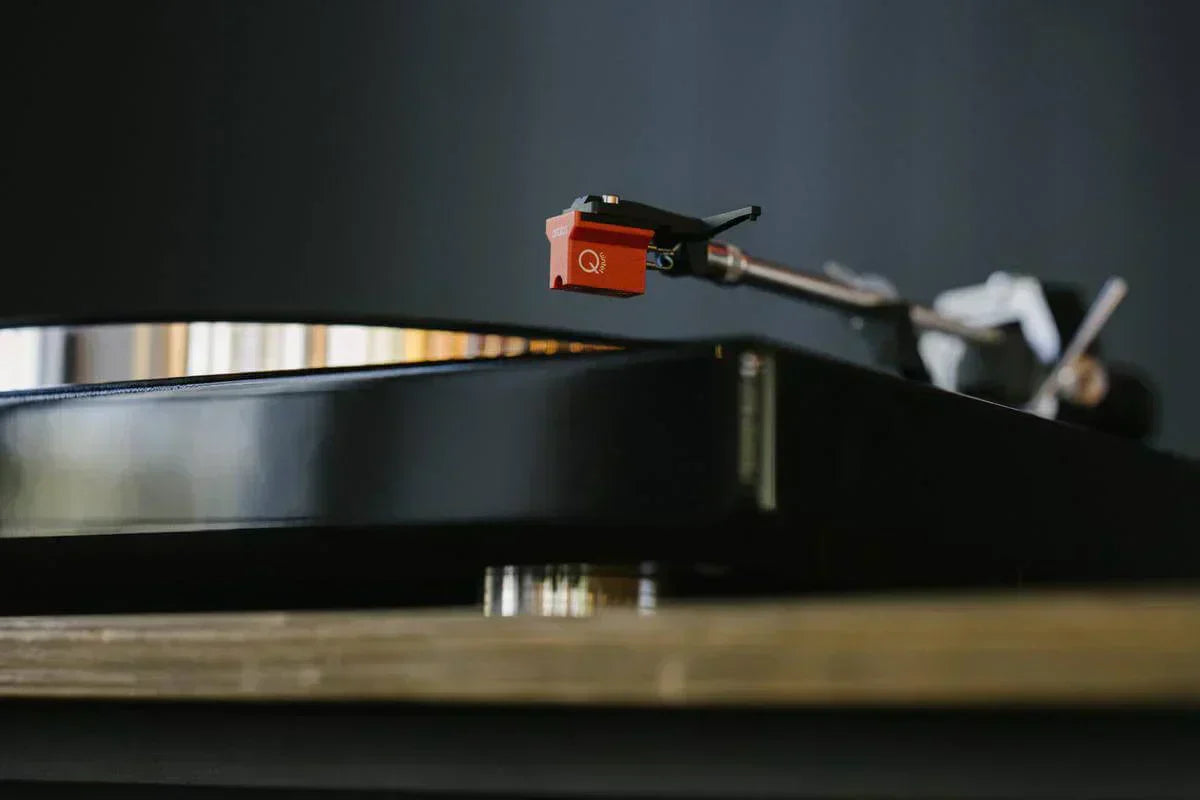
A turntable is an analogue playback system that rotates a vinyl record at a constant speed while a tonearm and cartridge convert the record’s physical grooves into electrical audio signals. Unlike...
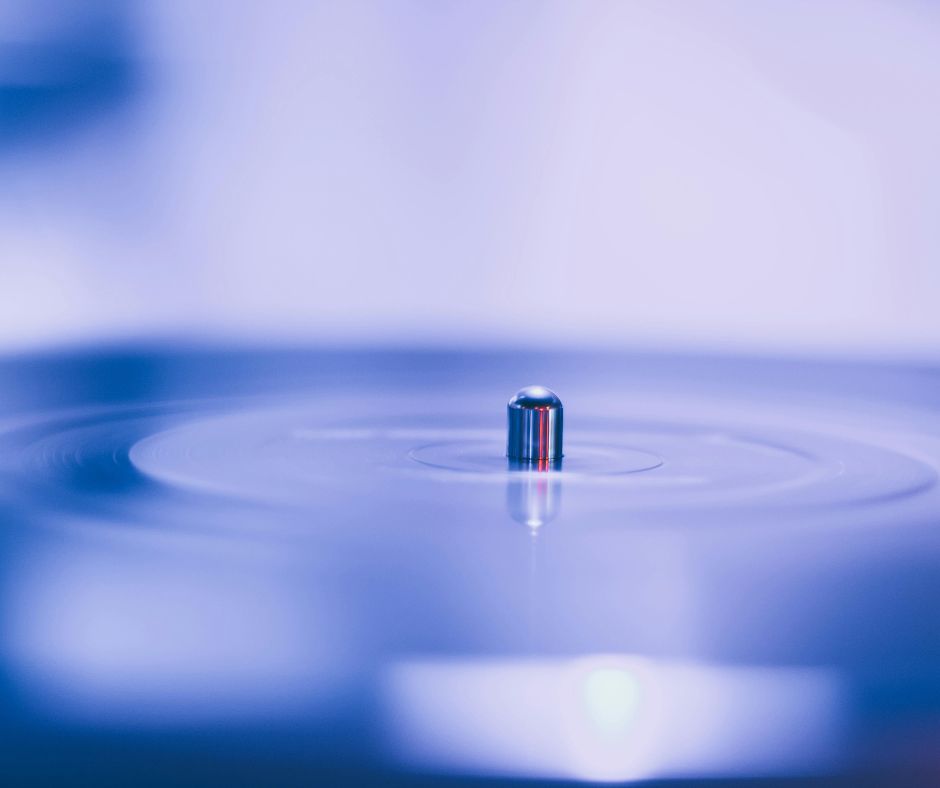
How a Turntable Works: Plinth, Motor, Platter, Tonearm
A turntable works by rotating a vinyl record at a stable speed while a stylus tracks the grooves and converts their physical modulations into an electrical audio signal. Understanding what a turnt...
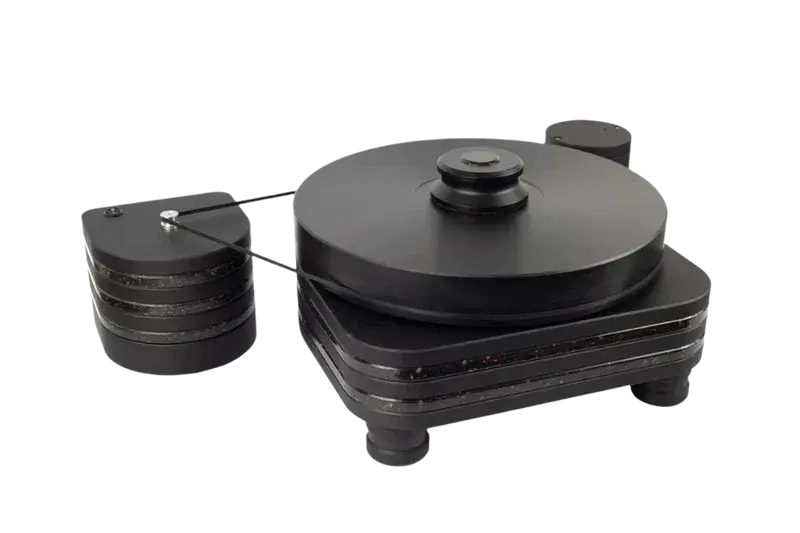
Belt-Drive vs Direct-Drive: Which Is Better for Home Listening?
Belt-drive and direct-drive turntables use two different motor systems to rotate the platter, and each design influences speed stability, vibration control and overall sound character in a home li...

Why Plinth Material and Build Quality Matter
The plinth is the structural foundation of a turntable, designed to support its components while minimising vibration, resonance and mechanical noise that can contaminate the stylus signal. Becaus...
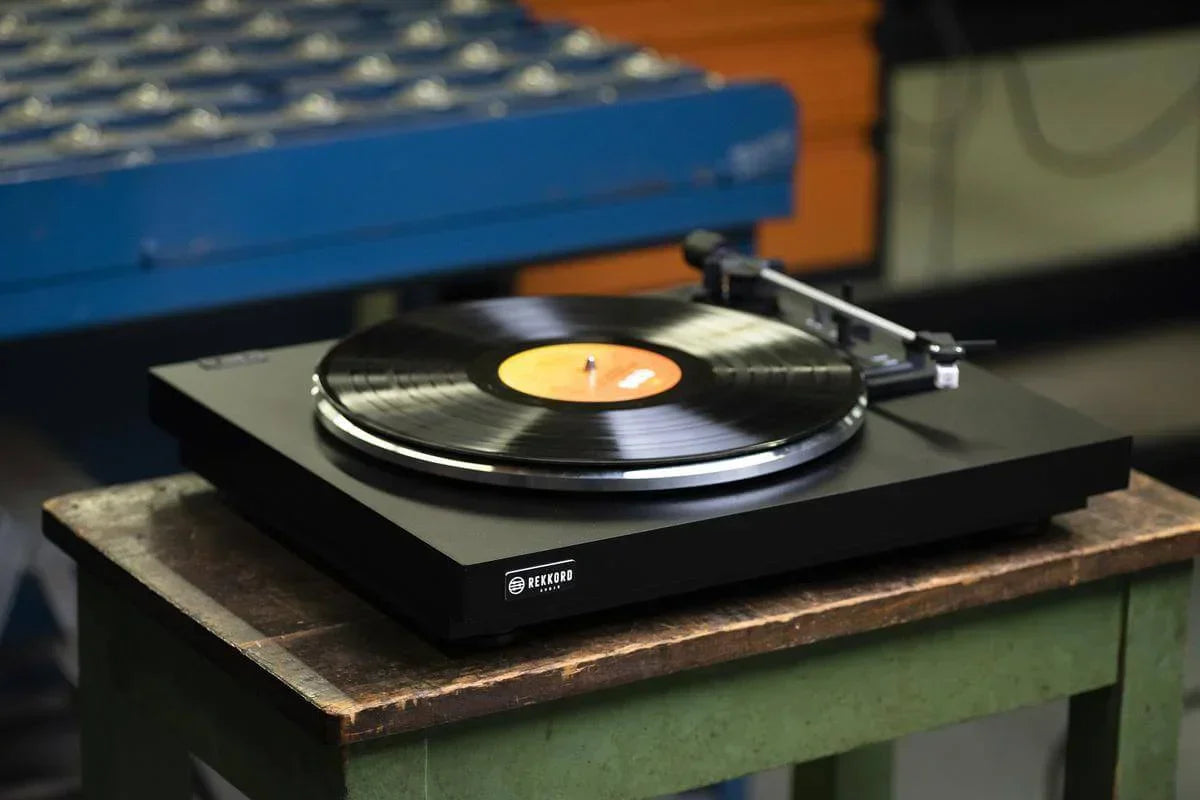
Turntable Setup Guide: Speed, Tracking, Anti-Skate
Correct setup ensures a turntable performs as intended, delivering accurate speed stability, proper tracking and balanced channel output. Understanding what a turntable is and how its core compone...

How to Reduce Turntable Noise (Isolation + Vibration Control)
Turntable noise is any unwanted mechanical or acoustic vibration that reaches the stylus and becomes amplified as hum, rumble, footfall noise or low-frequency feedback. Because vinyl playback is a...