
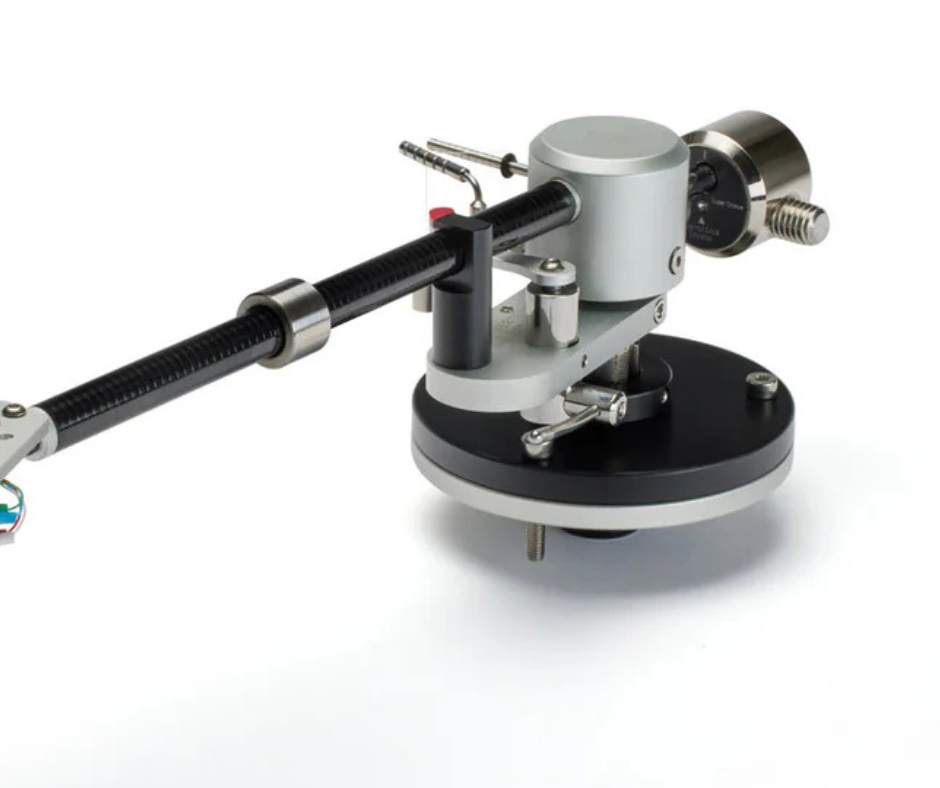
Why Bearings and Materials Influence Tonearm Performance
Bearings and materials influence tonearm performance because they determine how freely, accurately and quietly the arm can move while controlling resonance and vibration. Understanding what a tone...
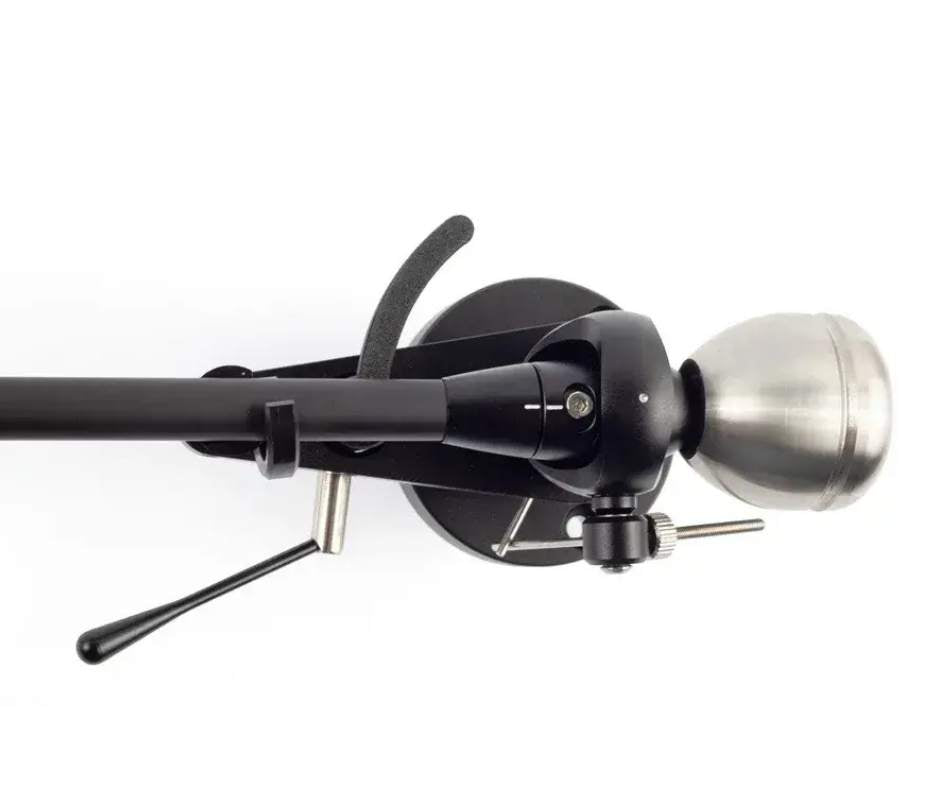
Tonearm Geometry: Effective Length, Overhang, Offset Angle
Tonearm geometry describes the mechanical measurements that define effective length, overhang and offset angle, shaping the stylus path across the record and influencing tracking accuracy, channel...
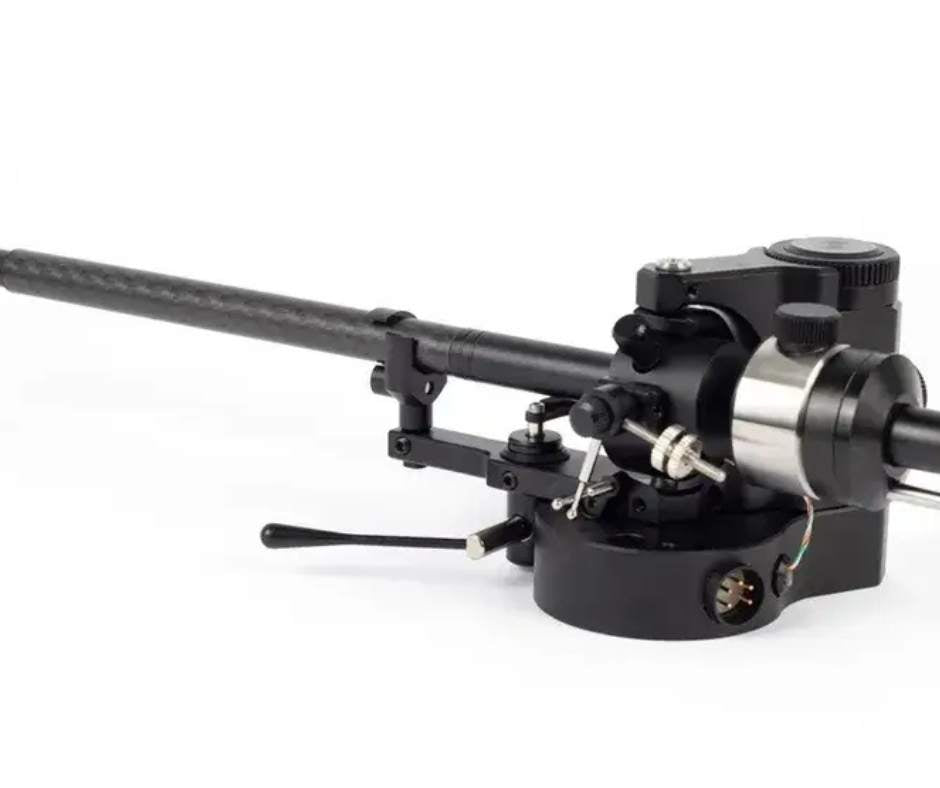
Understanding VTA, Azimuth and Anti-Skate
VTA, azimuth and anti-skate are fine adjustment parameters used to optimise stylus alignment and tracking behaviour. Understanding what a tonearm is helps explain how these adjustments influence g...
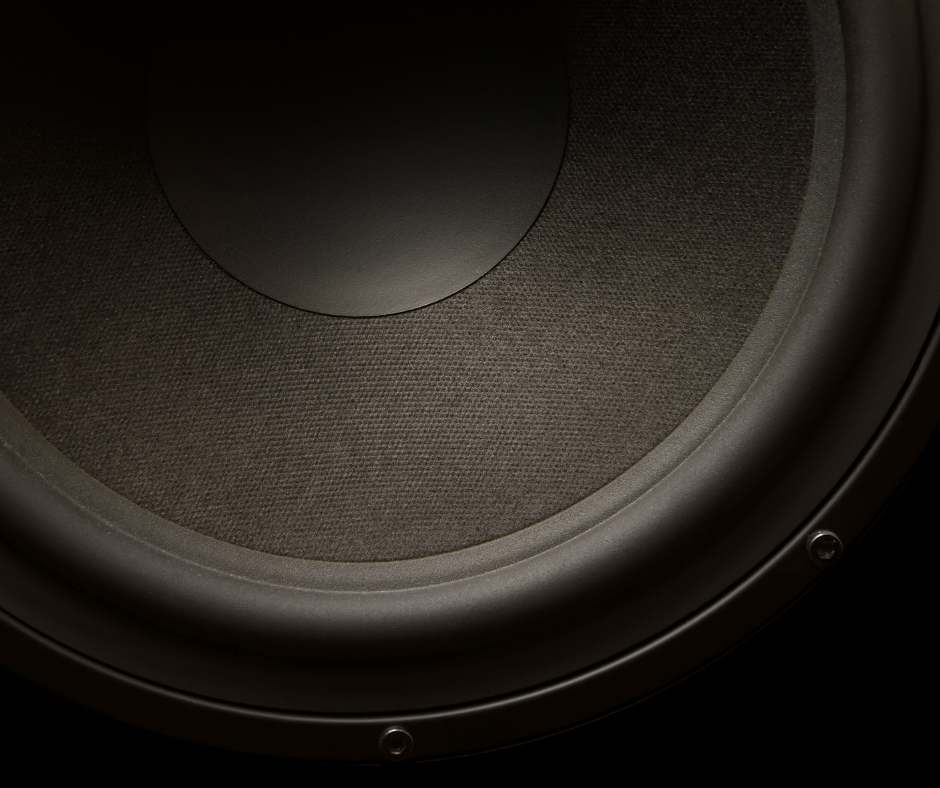
A subwoofer is a specialised loudspeaker designed to reproduce low-frequency sound—typically from 20 Hz to 120 Hz—with greater depth, power and control than full-range speakers can achieve on thei...
Why Subwoofer Size Matters: 8", 10", 12", 15" Explained
Subwoofer size refers to the diameter of the driver, and it's one of the biggest factors in how much air a subwoofer can move — which in turn shapes bass depth, output, and how the sub interacts w...

How to Position a Subwoofer for Even Bass Response
Subwoofer positioning is the process of placing a subwoofer in the room where low-frequency output remains smooth, consistent and evenly distributed across all listening positions. Understanding w...