
Understanding Crossover, Phase & Subwoofer Calibration
Subwoofer calibration is the process of aligning crossover, phase, level and placement settings so the subwoofer integrates seamlessly with the main speakers and room acoustics. Understanding wha...
Sealed vs Ported Subwoofers: Which Is Right for You?
Sealed and ported subwoofers are two distinct enclosure types that shape how a subwoofer reproduces low-frequency sound, influencing bass speed, extension, output and overall character. Understand...
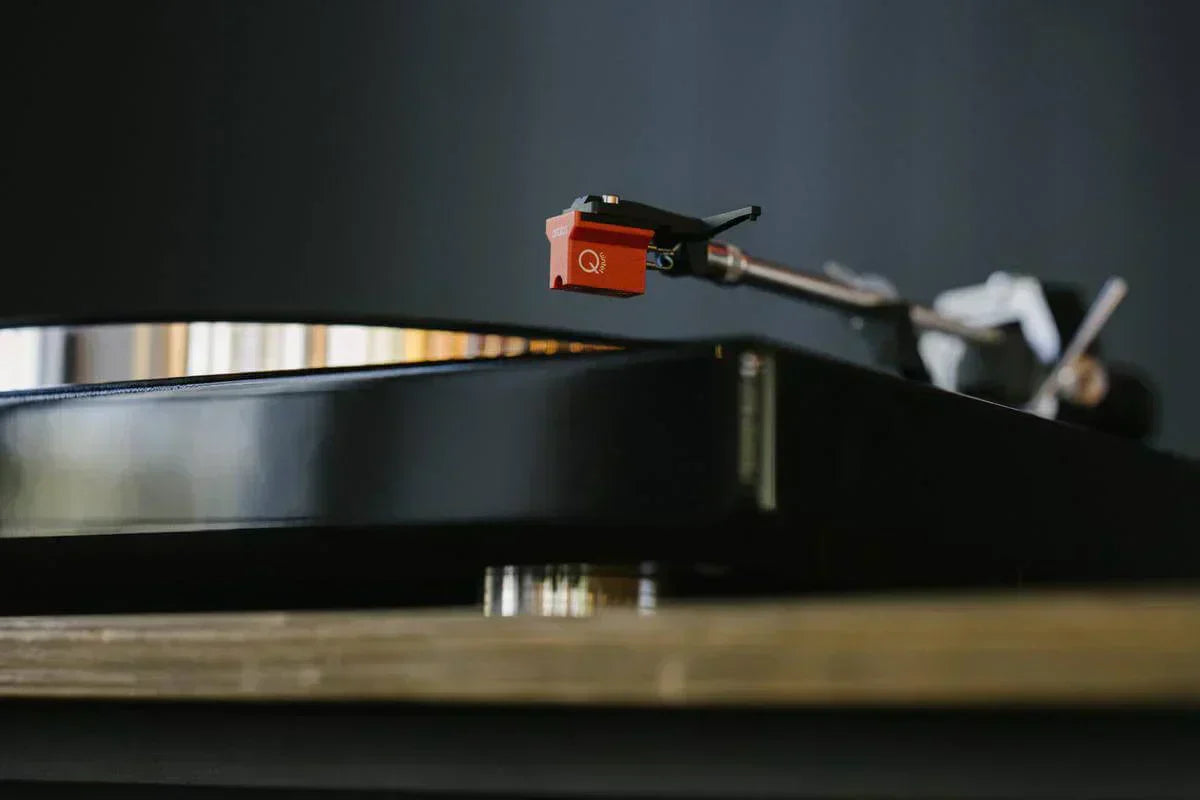
A turntable is an analogue playback system that rotates a vinyl record at a constant speed while a tonearm and cartridge convert the record’s physical grooves into electrical audio signals. Unlike...
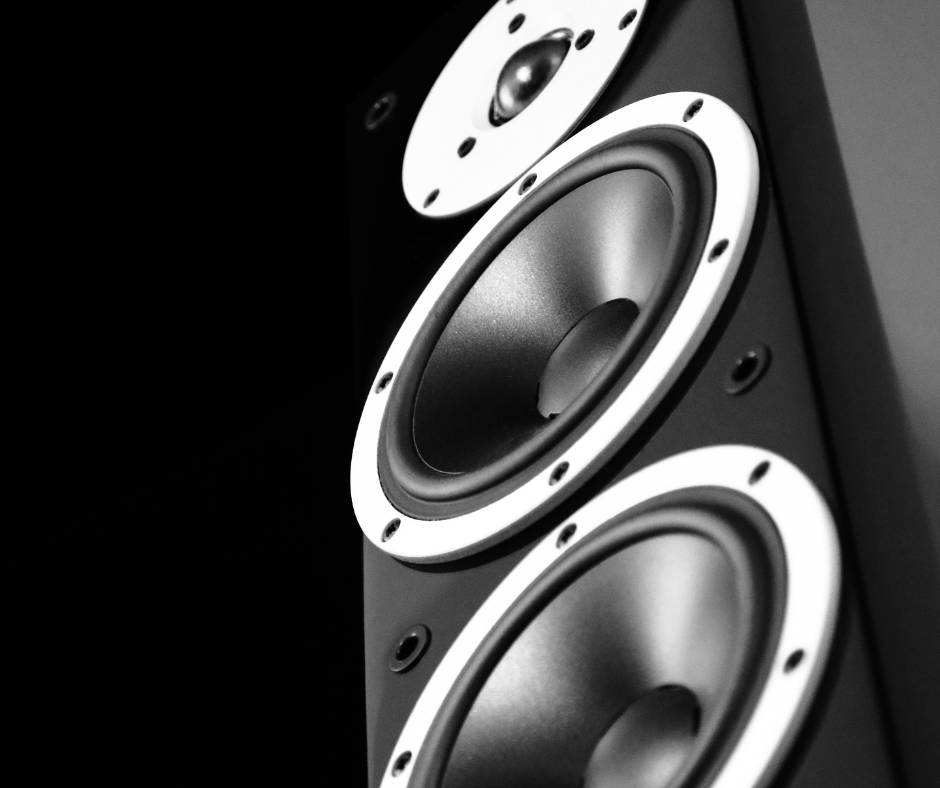
What Are Floorstanding Speakers?
Floorstanding speakers are tall, freestanding loudspeakers designed to deliver full-range sound by housing multiple drivers within a large cabinet that supports deep bass, wide frequency response ...
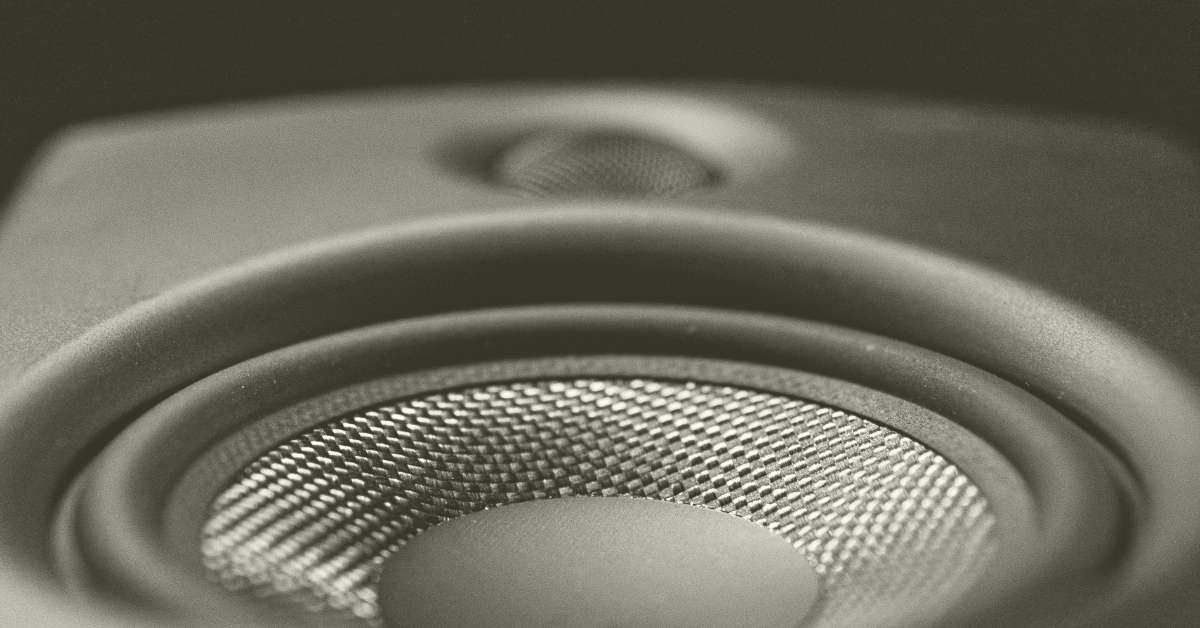
Bookshelf speakers are compact loudspeakers engineered to reproduce full-range audio from small, rigid enclosures optimised for accurate stereo imaging and controlled dispersion. These small-forma...
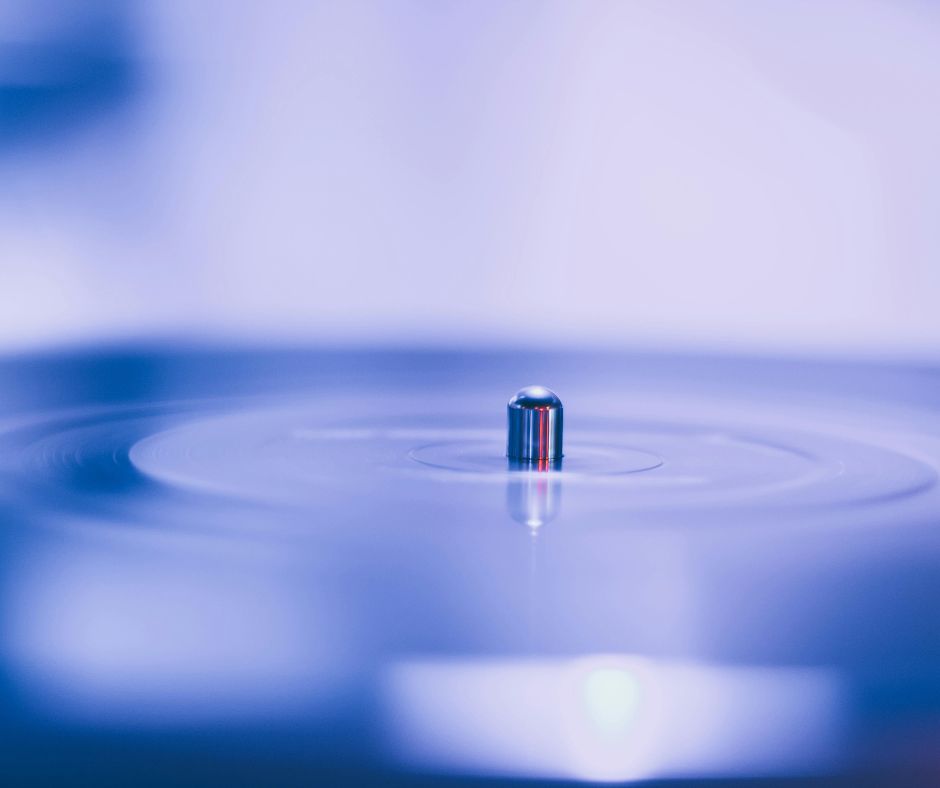
How a Turntable Works: Plinth, Motor, Platter, Tonearm
A turntable works by rotating a vinyl record at a stable speed while a stylus tracks the grooves and converts their physical modulations into an electrical audio signal. Understanding what a turnt...