

Gain, Impedance and Loading: What They Mean
Gain, impedance and loading are key phono preamp parameters that determine how a cartridge’s low-level signal is amplified, controlled and tonally shaped before reaching your amplifier. These para...
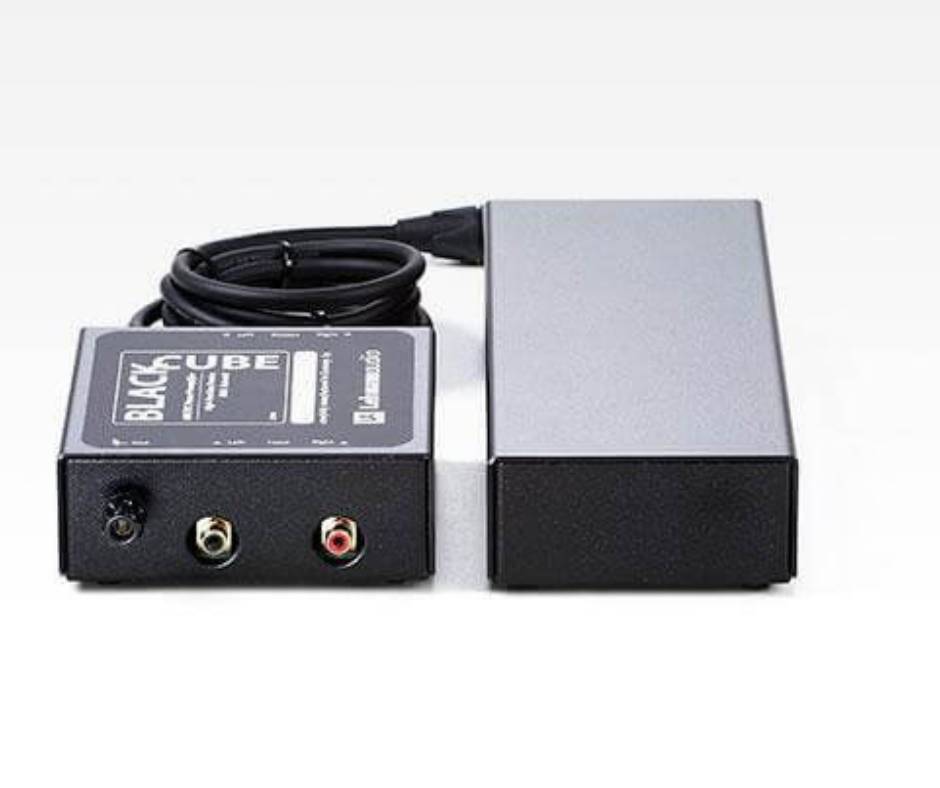
MM vs MC Phono Stages Explained
MM and MC phono stages are specialised preamplifiers designed to amplify and equalise the signal from moving-magnet (MM) and moving-coil (MC) cartridges, each requiring different gain levels, impe...

A valve amplifier is an audio amplifier that uses vacuum tubes to increase the strength of an electrical audio signal so it can drive speakers or headphones. Unlike solid-state amplifiers, which u...

Tube Rolling: What It Is and When to Do It
Tube rolling is the practice of replacing the vacuum tubes in a valve amplifier to change its tonal character, performance and overall sound signature. Because valves shape gain, dynamics, harmoni...

Why Valve Amplifiers Pair Well with High-Sensitivity Speakers
Valve amplifiers pair well with high-sensitivity speakers because tube amplification delivers lower wattage, higher output impedance and softer clipping behaviour that aligns closely with the elec...

Valve vs Solid-State: Differences in Tone, Feel and Maintenance
The difference between valve and solid-state amplifiers lies in how they amplify audio signals—valve amplifiers use vacuum tubes, while solid-state amplifiers use transistors—and this fundamental ...